Tactical / Emergency flashlights
LightSafeX Review: A $99 Solar Flashlight, Power Bank and Belt Cutter, and What Its Small Solar Panel Can Really Do
An emergency flashlight with a small solar panel, power bank, SOS modes and seatbelt cutter. Useful roadside features, but the panel charges very slowly and no battery or brightness figures are given.

By Ethan Walker, Hardware & Gadget Tester at Top10Gadgets
Updated 26 min readHow we test
Quick answer
Worth it only if you want one all-in-one emergency light in the glovebox and accept its compromises. LightSafeX combines a flashlight, red SOS and strobe modes, a phone power bank, a magnet and a seatbelt cutter, and its photo shows a window-breaker tip.
Score 3.6/10$99.00 at G Com Pte Ltd
Check price at G Com Pte Ltd (opens G Com Pte Ltd in a new tab)We may earn a commission if you buy through our links.
- Best for
- Drivers who want one compact emergency tool in the glovebox and accept its compromises
- Not for
- Anyone relying on solar power alone to keep a light and phone charged
$99.00 at G Com Pte Ltd
Check price at G Com Pte Ltd (opens G Com Pte Ltd in a new tab)We may earn a commission if you buy through our links.
On this page · 14 sections
- 01Our verdict
- 02The short version
- 03Pros & cons
- 04How it works
- 05Who it's for
- 06Can LightSafeX really run on solar power, and how bright is it?
- 07Will the belt cutter and window breaker help in a crash?
- 08How much does LightSafeX cost, and what's not in the box?
- 09Is LightSafeX better than the Kelvin 8, TacticalX or separate tools?
- 10Is LightSafeX legit, and what should you check before buying?
- 11How did we score LightSafeX?
- 12How to use LightSafeX: charging, storage and emergencies
- 13What else do drivers ask about solar emergency flashlights?
- 14Frequently asked questions
Our verdict
Worth it only if you want one all-in-one emergency light in the glovebox and accept its compromises. LightSafeX combines a flashlight, red SOS and strobe modes, a phone power bank, a magnet and a seatbelt cutter, and its photo shows a window-breaker tip. That is a sensible set of roadside functions. But the small solar panel charges very slowly, the page gives no battery, brightness or run time figures, and $99 buys separate, better-specified tools. LightSafeX scores 3.6 out of 10, held back by the overstated solar claim, missing specs and price.
The short version
- What it is: a rechargeable emergency flashlight with a small solar panel, power bank, SOS and strobe modes, a magnet and a seatbelt cutter.
- Price: $99 for one on 4 October 2026, with a five-pack for $285 preselected. Delivery was listed as free.
- Best trait: several roadside functions in one tool you can keep within reach.
- Biggest drawback: solar charging from a panel this small is slow, and no specs are stated.
- Our score: 3.6 out of 10.
Pros & cons
The pros are about convenience: one tool, several jobs. The cons are about how well it does each job, and the price.
What we like
- Flashlight, red SOS and strobe modes, a phone power bank and a seatbelt cutter in one tool
- Rechargeable, so you are not relying on disposable batteries in an emergency kit
- A magnet lets you stick it to the car body to light a wheel or engine bay hands-free
- The product photo shows a pointed tip that looks like a window breaker, useful on tempered side glass
- Free delivery, and the seller names a registered company with a Singapore address
What we don't
- A solar panel this small charges very slowly, so 'never runs out of batteries' overstates it
- No battery capacity, brightness, run time or water resistance stated on the page
- At $99 for one, it costs more than a separate light, power bank and escape tool together
- The charging cable is offered as a $4 add-on, so it may not be in the box
- Refunds need a returns number first, and you pay return postage to an overseas seller
Sold by G Com Pte Ltd
LightSafeX$99.00
How it works
LightSafeX is a rechargeable flashlight with an internal battery. The battery powers the LED and the USB power bank output, and you can charge it from a USB charger or slowly from the solar panel on its body. A recessed blade and, from the photos, a pointed tip add escape functions.
Charge it by USB first
Step 1: Charge the internal battery fully from a USB charger before storing it. The small solar panel on the body can then top it up slowly in bright sunlight.
Choose a light mode
Step 2: Switch between the main white flashlight, flashing modes and the red SOS or strobe light to see, signal or warn other drivers at the roadside.
Use the emergency extras
Step 3: Stick it to the car with the magnet, plug a phone in to top it up from the power bank, or use the recessed blade to cut a jammed seatbelt.
Who it's for
LightSafeX suits a driver who wants one compact emergency gadget to keep in the car, values red warning modes and a magnet for roadside stops, and is happy to charge it by USB rather than relying on the sun.
- Drivers who want one compact emergency tool in the glovebox and accept its compromises
- People who like a rechargeable light with red warning modes for roadside stops
- Buyers who value an all-in-one gadget over separate, better-specified items
Why LightSafeX appeals
Breakdowns happen at the worst times: a flat tyre on a dark road, a dead phone, a car that will not start in the rain. LightSafeX promises to cover several of those moments in one tool. The headline calls it a "brilliant solar powered flashlight equipped with power bank, emergency light, belt cutter and more".
The solar panel is the eye-catching feature. The idea of a light that never needs batteries, sitting in your glovebox and recharging itself, is appealing. So is having a red flashing light to warn other drivers when you are changing a wheel on a narrow road.
Who gets the most value
You get the most from LightSafeX if you would otherwise carry nothing at all. For a driver with an empty glovebox, one tool that lights, signals, cuts a seatbelt and tops up a phone is a real step up. If you already have a good flashlight, a power bank and an escape tool, it adds little.
It also suits people who prefer fewer gadgets to keep track of. One item to charge and check every few months is easier than several.
Campers and power cuts
The light and power bank are useful in a tent or during a power cut too. A magnet lets you stick it to a metal surface, such as a fridge or a car door, to free your hands. Just remember the solar panel will not keep up with heavy use.
As a gift for a new driver
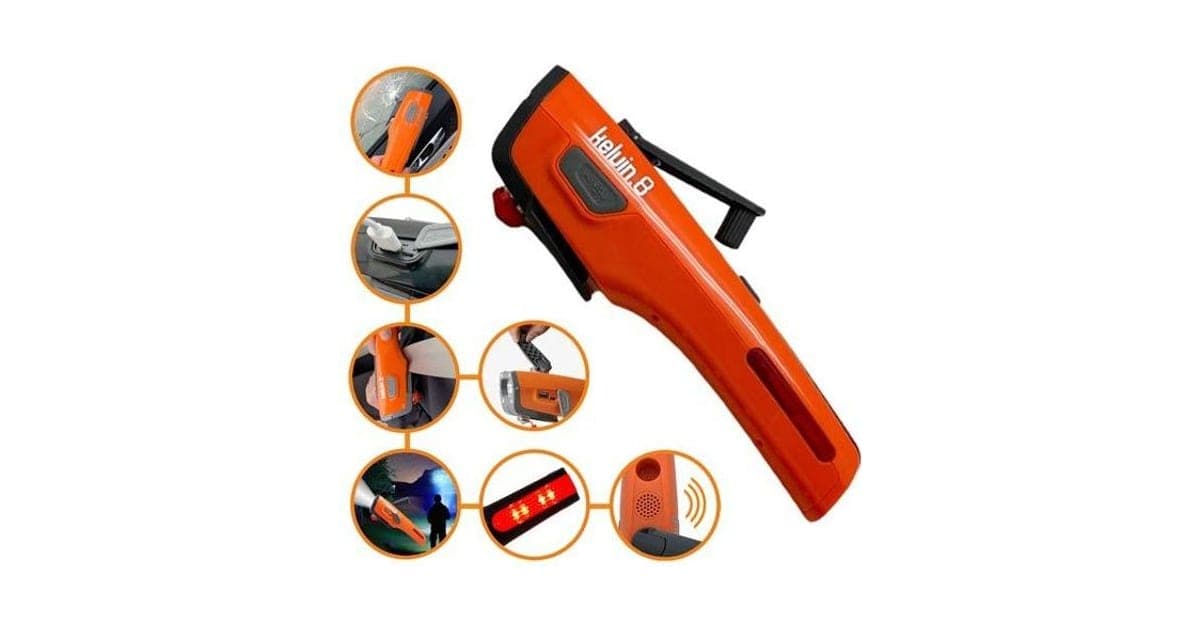
An emergency tool is a thoughtful gift for a new driver. If you buy LightSafeX, charge it before giving it, explain the seatbelt cutter and window breaker, and help them keep it within reach in the car. Our Kelvin 8 review covers another all-in-one car emergency tool worth comparing.
Who should skip it
Skip LightSafeX if you need a solar light you can rely on without USB charging, if your car has laminated side windows and escape is your main concern, or if you would rather buy separate tools with published specs.
- Anyone relying on solar power alone to keep a light and phone charged
- Drivers whose cars have laminated side windows and who are buying it mainly for escape
- People who need a stated brightness, run time or battery capacity before trusting a safety tool
- Price-conscious buyers who could buy a light, power bank and escape tool separately for less
Can LightSafeX really run on solar power, and how bright is it?
Not in any practical sense. LightSafeX has a small solar panel, so it can top up its battery in bright sun, but panels this size collect very little energy. An independent review of a solar power bank found a full day in the sun added only part of a charge. The page's line "solar powered, never runs out of batteries" overstates it. Charge it by USB, treat the panel as an emergency trickle, and note that the page gives no brightness figure.
What the offer page claims
The page's headline describes LightSafeX as a "brilliant solar powered flashlight equipped with power bank, emergency light, belt cutter and more". The six bullets are: solar powered, never runs out of batteries; bright light with flash and emergency modes; power bank for charging phones; red SOS and strobe modes; magnet mount, always handy; and seat belt cutter or slicer for roadside emergencies.
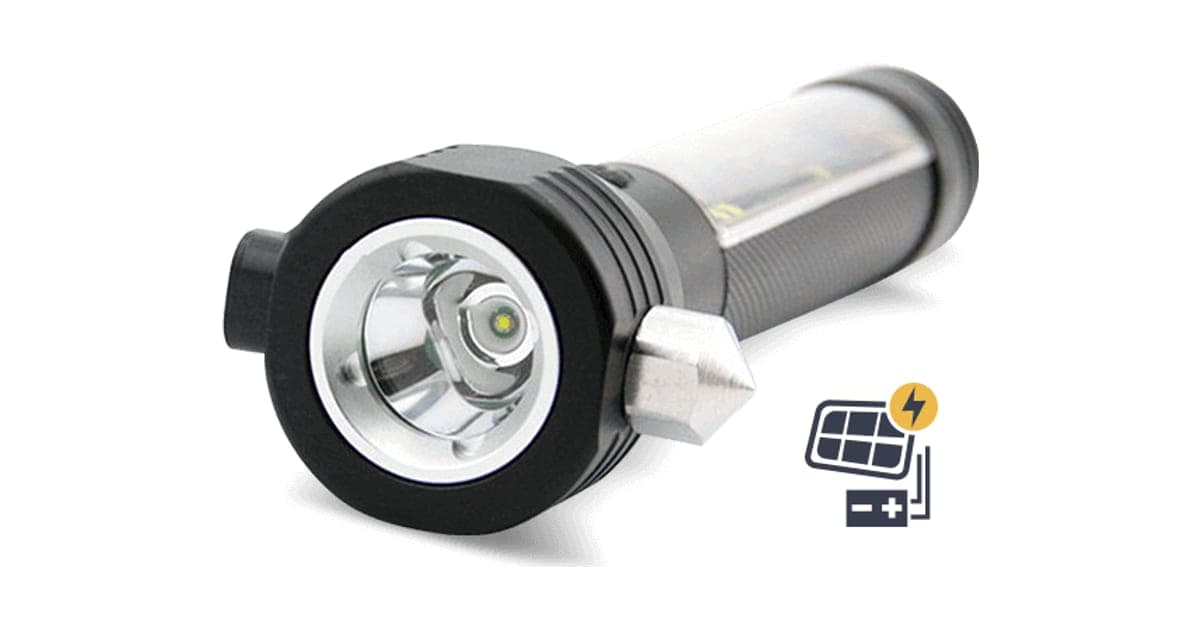
The product photo shows a dark metal flashlight with a large reflector, a pointed tip on the head, a strip of what looks like a solar cell along the body, and a small icon of a solar panel charging a battery.
How much power a small solar panel collects
Solar output depends on the panel's area, the sunlight and the angle. A strip of solar cells on a flashlight body has a tiny area compared with even a small folding solar charger. Indoors, behind a car windscreen or on a cloudy day, it collects far less again.
OutdoorGearLab's review of a solar power bank with a built-in panel describes products like this as battery banks with integrated panels for emergency top-ups, rather than solar chargers you can rely on day after day. Other owners of solar power banks report that a full day of sun added only a fraction of a charge. A flashlight's panel is smaller still.
What "never runs out of batteries" means in practice
LightSafeX does not use disposable batteries, so in that sense you never have to buy new ones. But its internal battery can run flat, and the solar panel will not refill it quickly. If you use the light for an hour and charge your phone from it during a long breakdown, the panel cannot keep up.
Rechargeable batteries also lose capacity over the years, especially in hot cars. An old, sun-baked battery holds less charge than a new one. The page gives no battery capacity or expected lifespan.
The charging cable is sold separately
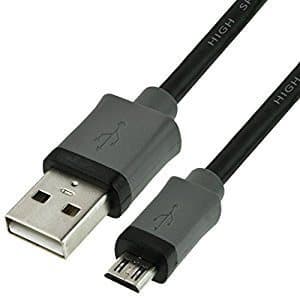
The page code offers a "LightSafeX Charging Cable" for $4, shown reduced from $9. The image shows a USB to micro-USB cable. That suggests the cable may not be included as standard, or that the add-on is a spare. What to do: ask support whether a cable comes in the box, and check you have a compatible cable at home.
When the solar panel helps
The panel is most useful as a last resort: when you are stranded somewhere with sun but no power, or when the light has been forgotten in a drawer. Leaving it on a windowsill in bright light can slowly top it up between uses. For a camping trip or a long power cut, a separate folding solar panel and a larger power bank will do far more.
How bright is the flashlight?
We cannot say, because the offer page gives no lumen figure, beam distance or run time.** Some sponsored articles describe LightSafeX as 800 lumens, but we found no measurement to support that, and similar claims for budget lights often turn out far higher than tested output. For roadside jobs, a light of a few hundred lumens is plenty. What matters more here is run time, which the page also omits.
Claims from sponsored articles
Several top-ranking pages for "LightSafeX review" are sponsored press releases. One describes it as a military-grade flashlight with 800 lumens and an overall rating of 4.6 out of 5, without links or test data. We have not used those figures. Our TacticalX flashlight review shows how an independent lab measured a similar budget light at a fraction of its advertised brightness.
How much light you need at the roadside
Changing a wheel, checking the engine oil or reading a warning label needs a steady, even light of perhaps 100 to 300 lumens at close range. A narrow, very bright beam is less useful up close than a wide, moderate one. Being able to stick the light to the car with a magnet, so both hands are free, can matter more than brightness.
Red SOS and strobe modes
A flashing red light helps other drivers see you when you are stopped at the roadside, especially on bends and at night. It is not a substitute for hazard lights or a warning triangle where those are required, but it adds visibility when you are out of the car. SOS mode flashes the international distress signal, which can help if you are lost or stranded.
Run time
Run time is the most important missing figure. A light that lasts an hour on high mode is fine for a tyre change. One that lasts ten minutes is not. A power bank output also drains the same battery, so charging your phone shortens the light's run time. What to do: after charging LightSafeX, time how long it lasts on high at home, so you know what to expect.
Water resistance
The page gives no water resistance rating. Roadside emergencies often happen in rain. Treat LightSafeX as splash-resistant at best until the seller confirms a rating, and do not submerge it.
Battery chemistry and lifespan
Lights like this usually use a lithium-ion cell. These cells are light and hold a lot of energy for their size, but they slowly lose capacity with every charge cycle and with age, faster when stored hot or fully charged for long periods. After a few years, expect noticeably shorter run times. The page does not say whether the battery can be replaced. Many combined tools seal it inside, which means the whole tool is replaced when the battery wears out.
Charging indicators
Some solar flashlights have a small light that shows when the panel is charging or the battery is full. The page does not mention one. Without an indicator, the only way to check the charge is to switch it on and see how bright it is, which is not reliable. If yours has no indicator, charge it by USB on a schedule rather than guessing.
Will the belt cutter and window breaker help in a crash?
The seatbelt cutter can help if a belt jams, and the pointed tip in the photo looks like a window breaker that may work on tempered side glass, but no tool can break laminated glass. AAA's 2019 testing found most escape tools broke tempered side windows, none broke laminated glass, and about one in three 2018 models had laminated side windows. Spring-loaded tools were the most reliable on tempered glass.
What AAA's testing found
AAA's 2019 testing of vehicle escape tools tried several products on side windows. Most broke tempered glass, which shatters into small pieces. None could break laminated glass, which is made of layers bonded to a plastic film and is designed to stay in one piece. AAA also found that spring-loaded tools broke tempered glass more reliably than hammer-style tools.
Is your side glass tempered or laminated?
Windscreens are always laminated. Many newer cars also have laminated front side windows to reduce noise and improve security. Look for a small label in the corner of each window, which often states the glass type, or ask your dealer. If your side windows are laminated, a window breaker cannot help you escape through them, though rear windows may still be tempered.
Practising an escape
Experts on vehicle safety often suggest thinking through an escape before you ever need one: seatbelt off, window open or broken, children out first, then yourself. Electric windows may still work for a short time after a car enters water, so opening a window early can matter more than any tool. Talking this through once with your family costs nothing and makes any tool more useful.
The window breaker on LightSafeX
The page does not list a window breaker, but the product photo shows a pointed tip on the flashlight head of the kind used on hammer-style breakers. If that is what it is, it needs a firm swing at a corner of the window, which is hard in a cramped or flooded car. We cannot confirm how well it works.
The seatbelt cutter
Seatbelt cutters use a recessed blade so you cannot cut yourself. They can help if a belt jams after a crash. The page shows no detail of the cutter. Practise finding it by feel, so you could use it in the dark.
Keeping it within reach
An escape tool in the boot or a closed glovebox may be impossible to reach after a crash or in water. What to do: keep LightSafeX in a door pocket or the centre console, within reach while belted in, or keep a separate small escape tool on your keys.
How much does LightSafeX cost, and what's not in the box?
On 4 October 2026, with the United States selected, one LightSafeX cost $99, shown as half of $198, with free delivery. The five-pack for $285 was preselected. The page code offers a $4 charging cable, a $7 wrist strap and a $9 car charger, and a 3-year warranty cost $9. The page does not list the box contents, so the cable may not be included.
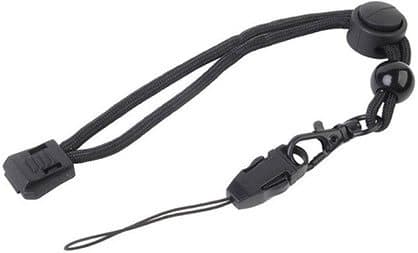
The $7 Security Wrist Strap add-on
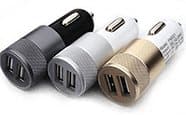
The $9 Fast Car Charger add-on
LightSafeX price and bundles
| Package | Total | Per light |
|---|---|---|
| 1 LightSafeX | $99 | $99.00 |
| 2 LightSafeX | $144 | $72.00 |
| Buy 2, get 1 free (3) | $192 | $64.00 |
| 4 LightSafeX | $236 | $59.00 |
| Buy 3, get 2 free (5), preselected | $285 | $57.00 |
One per car is plenty. If you have two cars, the two-pack brings the price down to $72 each. You can check today's packages on the LightSafeX order page (opens G Com Pte Ltd in a new tab).
The add-ons
- LightSafeX Charging Cable: $4 (from $9). A USB to micro-USB cable. Ask whether one is included as standard.
- Security Wrist Strap: $7 (from $15). A lanyard to stop you dropping the light.
- Fast Car Charger: $9 (from $19). A USB car charger, useful for charging LightSafeX from the car's power socket.
A car charger is actually a sensible companion, because it lets you charge LightSafeX on the move. But dual-port USB car chargers are widely sold for similar money.
The "regular price"
The page shows $198 crossed out next to $99 with a countdown. We found no evidence of LightSafeX selling at $198. Judge the price against what separate tools cost.
Who sells it
The order page and impressum name G Com Pte Ltd, at 137 Market Street in Singapore, with a company registration number, email and phone number. The footer says "G Com Pte Ltd - Hong Kong". We found no independent rating profile for the store. With the United States selected, the order page said charges would appear as matrixfze, shown in capitals.

LightSafeXScore 3.6/10
Best for: Drivers who want one compact emergency tool in the glovebox and accept its compromises
$99.00 at G Com Pte Ltd · Price checked October 4, 2026
Check price at G Com Pte Ltd (opens G Com Pte Ltd in a new tab)We may earn a commission if you buy through our links.
Is LightSafeX better than the Kelvin 8, TacticalX or separate tools?
For most drivers, separate tools beat LightSafeX on value and performance. A spring-loaded escape tool, a decent rechargeable flashlight and a small power bank together cost less than $99 and each comes with clear specs. The Kelvin 8 is a more fully specified all-in-one at a lower price. LightSafeX's advantage is having several functions in one flashlight-shaped tool.
| Option | Light | Power bank | Escape tools | Solar | Price seen |
|---|---|---|---|---|---|
| LightSafeX | Yes, no lumen figure | Yes, no capacity stated | Cutter; breaker tip in photo | Small panel | $99 |
| Kelvin 8 | Yes, 4 modes | 2,000 mAh | Cutter and breaker | No (hand crank) | $49.95 |
| TacticalX | Zoom light, 3xAAA | No | No | No | $67 |
| Separate tools | Choose by specs | Choose by capacity | Spring-loaded escape tool | Optional panel | Often less in total |
LightSafeX vs the Kelvin 8
The Kelvin 8, which we cover in our Kelvin 8 review, is a car emergency tool with a seatbelt cutter, window breaker, light, magnetic red strobe, siren, 2,000 mAh power bank and hand crank. It was listed at $49.95 when we checked, from an established multi-tool brand, with a stated battery capacity. For a car emergency kit, it is the better-documented choice at about half the price. This is a case where the rival clearly wins.
LightSafeX vs TacticalX
TacticalX, from the same seller, is a zoomable flashlight on three AAA batteries with no power bank or escape tools. LightSafeX does more jobs. Neither page gives tested brightness figures.
LightSafeX vs separate tools
A small spring-loaded escape tool on your keychain, a rechargeable flashlight with a published lumen rating and a pocket power bank with a stated capacity cover the same ground. Each does its job better than a combined tool, and you can replace one without replacing all three. The downside is having three items to keep charged and within reach.
LightSafeX vs a jump starter
For many breakdowns, the problem is a flat car battery. A portable jump starter can start the car, and most include a flashlight and USB output. If you could only keep one gadget in the car, a jump starter often solves more real problems than an escape light.
Choosing between all-in-one and separate gear
All-in-one tools appeal because they are simple to buy and store. Separate tools are usually better at each job and can be replaced individually. A sensible middle path is one good rechargeable light, kept charged, plus a small spring-loaded escape tool on your keys, which is always within reach whichever car you are in. That combination covers the most important emergency functions for less than the price of LightSafeX.
If you prefer one tool, look for published specs: lumens and run time for the light, mAh for the battery, a water resistance rating and a clear list of what is in the box. LightSafeX offers none of those on its page.
Other car safety gear we have reviewed
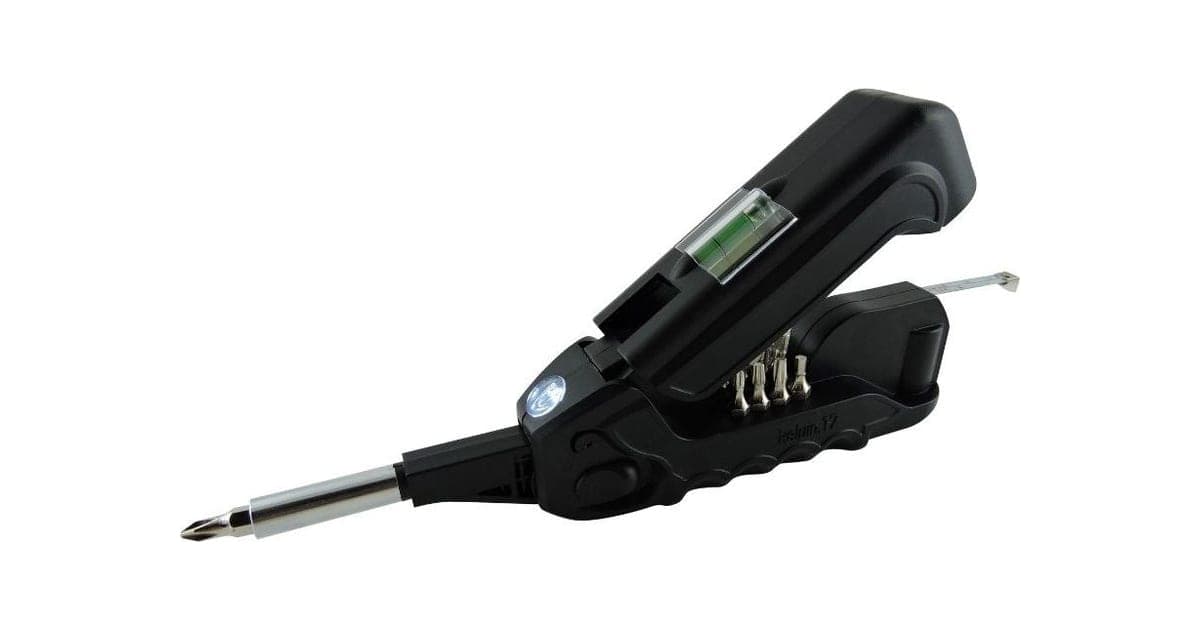
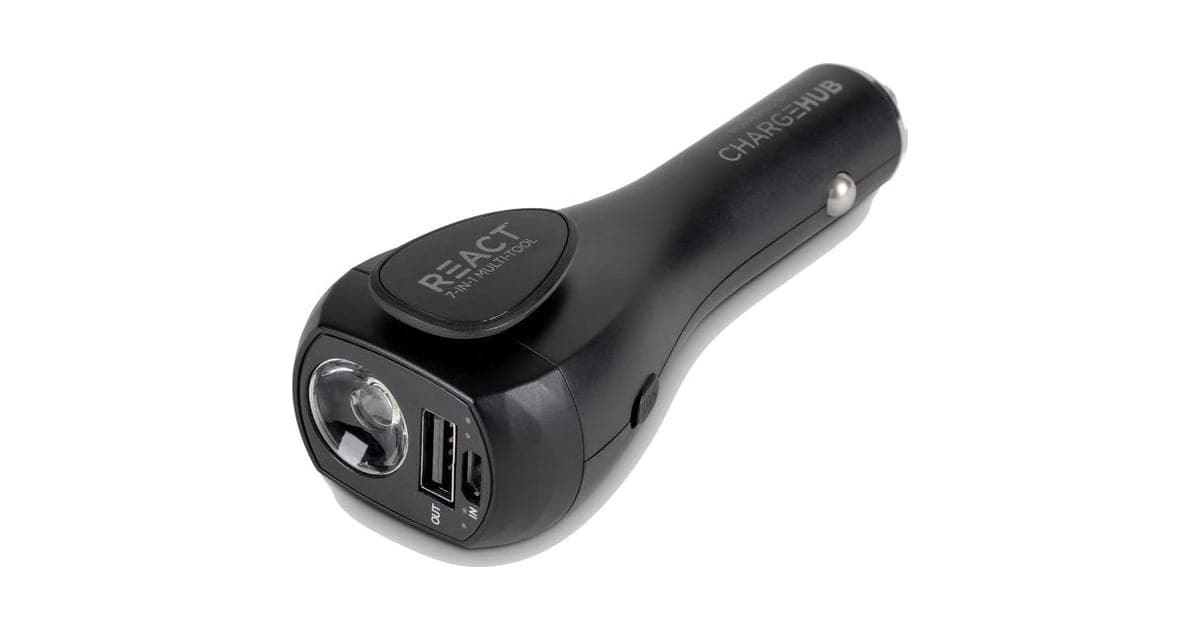
Our React ChargeHub review covers a car charger with a built-in escape tool, and our Kelvin 17 review looks at a household multi-tool kit. Browse more tactical gear reviews for flashlights and emergency tools.
If you still prefer LightSafeX, check the current packages on the LightSafeX offer page (opens G Com Pte Ltd in a new tab) and choose one or two lights.
LightSafeXScore 3.6/10
Why people buy it: Flashlight, red SOS and strobe modes, a phone power bank and a seatbelt cutter in one tool
$99.00 at G Com Pte Ltd · Price checked October 4, 2026
Check price at G Com Pte Ltd (opens G Com Pte Ltd in a new tab)We may earn a commission if you buy through our links.
Is LightSafeX legit, and what should you check before buying?
LightSafeX is a real product from a named seller, and a flashlight should arrive if you order. Before buying, ask what is in the box and what the battery capacity is, change the preselected five-pack, check your car's window glass, and know that refunds need a returns number and that return postage is yours to pay. Each point below ends with one thing to do.
Ask about the specs
The page states no battery capacity, brightness, run time or water rating. What to do: email support and ask for these figures before buying. A safety tool you cannot measure is hard to rely on.
Check what is in the box
The charging cable is sold as an add-on. What to do: ask whether a cable and instructions come as standard, and make sure you have a USB charger to use with it.
Check the selected bundle
The five-pack for $285 was preselected. What to do: change it to the number of lights you need before entering your details.
Membership offers
The page code contains text for a "Gadget Discount Club" membership, free for 30 days and then "a small fee of $9 may apply". We did not see it on the order page with the United States selected. What to do: read every checkbox and post-purchase page.
Refunds and returns
The page code promises a 30-day guarantee with a full refund or replacement, less shipping and handling. The terms focus on defective or damaged products, which may be returned within two years once you have a returns number. Return postage is at your cost and is not reimbursed.
What to do: charge and test every function on the day it arrives, and contact support at once if anything fails.
Batteries in hot cars
Lithium batteries age faster in heat, and a car parked in the sun can get very hot. What to do: keep LightSafeX out of direct sun on the dashboard in summer, check its charge every few months, and replace it if it no longer holds charge.
How to buy LightSafeX the smart way
- Email support for the battery capacity, brightness, run time and box contents.
- Open the LightSafeX order page (opens G Com Pte Ltd in a new tab) and select your country.
- Change the preselected five-pack to one light, or two if you have two cars.
- Add the charging cable only if one is not included.
- Note the card statement name, matrixfze, and save your order email.
- Charge it fully and test every mode on the day it arrives.
How did we score LightSafeX?
LightSafeX scores 3.6 out of 10: claim accuracy 0.5, build durability 1.0, price competitiveness 0.5, usability 1.1 and owner satisfaction 0.5, each out of 2. It combines useful roadside functions, but the solar claim is overstated, no specs are given, the cable may cost extra and better-documented tools cost less. We found no independent owner ratings for the store.
What owners say
We found no Trustpilot profile for the gadgetxaura.com store and no independent retailer reviews for LightSafeX. Top-ranking pages are mostly sponsored articles quoting high ratings without sources. Owners of similar solar emergency flashlights elsewhere often like the combination of functions and the magnet, but report that solar charging is too slow to rely on, that the power bank gives only a small phone top-up, and that the switches can be stiff.
How the score breaks down
We use the five criteria on our how we test page, each out of 2.
| Criterion | Score | Why |
|---|---|---|
| Claim accuracy | 0.5 / 2 | "Never runs out of batteries" overstates a small solar panel; no specs to back other claims |
| Build durability | 1.0 / 2 | Metal body in the photos; battery and water resistance unknown |
| Price competitiveness | 0.5 / 2 | $99 is more than a better-specified all-in-one or separate tools |
| Usability | 1.1 / 2 | Several useful functions in one tool; cable may cost extra |
| Owner satisfaction | 0.5 / 2 | No independent ratings for this product |
| Total | 3.6 / 10 |
What we did, and did not, do
Nobody on our team has used LightSafeX. We read the offer page our link opens with the United States selected, its code and the seller's terms on 4 October 2026, along with AAA's escape tool testing, an independent review of a solar power bank and the top-ranking LightSafeX pages.
How to use LightSafeX: charging, storage and emergencies
Charge LightSafeX fully by USB, test every mode, then store it within reach of the driver and recharge it every few months. Use the solar panel only as a top-up. In a breakdown, switch on your hazard lights first, then use the red flashing mode and the magnet to stay visible while you work.
- Charge it by USB first. A full charge from the mains is far quicker than solar. Note how long it takes.
- Test every function. Try each light mode, the power bank with your phone and the magnet on a metal surface.
- Time the run time. Leave it on high at home to see how long it lasts, so you know its limits.
- Store it within reach. A door pocket or centre console is best for escape tools.
- Recharge every few months. Batteries slowly lose charge even when unused. Set a reminder.
- Keep it out of direct heat. Do not leave it on the dashboard in summer sun for days.
- Learn the cutter by feel. Practise locating the seatbelt cutter without looking.
At the roadside
Pull over as far from traffic as you can, switch on hazard lights, and put on a high-visibility vest if you have one. Stick LightSafeX to the car with the magnet, red mode flashing towards approaching traffic, or set up a warning triangle where required. Use the white light to work on the wheel or engine.
Charging your phone from it
Plug your phone in with a short cable and charge only enough for an emergency call or a recovery service app. Leave enough charge in LightSafeX for light. A small flashlight battery cannot fully charge a modern phone.
Signalling for help
If you are stranded away from traffic, use the SOS mode pointed towards where help is likely to come from, and switch it off between bursts to save battery once you think you have been seen. A phone call is still the fastest way to get help, so keep enough charge for your phone too.
Using the solar panel well
Place the panel facing the sun on a dashboard or windowsill, not behind a tinted window. Check the charge indicator, if it has one, after a few hours. Do not expect a full charge in a day.
Checking it each season
Put a reminder in your calendar at the change of seasons. Switch LightSafeX on in every mode, check the power bank output with your phone, look at the cutter blade and tip for damage, and recharge it by USB. A two-minute check four times a year is what keeps an emergency tool useful. If the light is noticeably dimmer than when new, or the power bank barely moves your phone's battery, it may be time to replace it. Recycle the old one at an electronics collection point.
After using the seatbelt cutter or breaker
If you ever have to use the escape functions for real, replace the tool afterwards. Blades dull and tips can chip. A safety tool should be in good condition when you need it again.
LightSafeXScore 3.6/10
Before you buy: Check the final price, shipping and return terms at checkout.
$99.00 at G Com Pte Ltd · Price checked October 4, 2026
Check price at G Com Pte Ltd (opens G Com Pte Ltd in a new tab)We may earn a commission if you buy through our links.
What else do drivers ask about solar emergency flashlights?
Most questions are about solar charging, battery life, and what else to keep in the car. Small solar panels top up slowly, batteries in hot cars age faster, and a basic car kit needs more than one tool. The answers below cover the questions that come up most when drivers compare all-in-one emergency lights with separate gear.
How long does a solar flashlight take to charge?
It depends on the panel size and sunlight. Small panels on flashlights and power banks can take many hours of direct sun to add a meaningful amount of charge, and much longer in winter or cloudy weather. USB charging is far faster.
Can I leave a solar flashlight in the car all year?
You can, but heat and cold affect lithium batteries. In very hot climates, the battery may lose capacity over a year or two. Check it every season and charge it by USB if it is low.
Will cold weather stop a solar flashlight working?
Lithium batteries deliver less power when cold, so a light left in a freezing car may seem dim until it warms up. Solar panels still work in winter sun, but days are short and the sun is low, so charging is even slower. Bring the light indoors to charge during long cold spells.
What should be in a basic car emergency kit?
A light, a phone charger or power bank, a warning triangle where required, a high-visibility vest, a first aid kit, water, a blanket, and an escape tool within reach. In winter, add an ice scraper and warm clothing. A jump starter is useful for older batteries.
Is a magnet safe near my phone or car keys?
Small magnets in flashlights are unlikely to damage modern phones or keys, though they can affect compasses and some cards with magnetic strips. Keep it away from bank cards in your wallet.
Can I take LightSafeX on a plane?
Most airlines allow small lithium battery devices in hand luggage, but tools with blades, such as seatbelt cutters, may be refused by airport security. Check your airline and airport rules before travelling.
Do solar panels work through a car windscreen?
Some light passes through, but windscreens and tinted glass reduce what reaches the panel, and heat builds up quickly. Placing the panel in direct sun outside, if safe, charges it faster.
Is a red light better than white at night?
Red light helps preserve night vision and is less dazzling to others, which is why it suits warning and signalling. White light is better for seeing detail when you work.
What is the difference between a power bank and a jump starter?
A power bank stores enough energy to charge small devices such as phones. A jump starter stores enough to deliver a very high current for a few seconds to start a car engine. They look similar but are not interchangeable. LightSafeX's power bank cannot start a car.
How do I know if my phone is charging from it?
Your phone will show its charging icon when connected. If it does not, check the cable, try another port if there is one and make sure LightSafeX has charge. Some small power banks switch off when the phone's battery is nearly full or the current is very low.
Should I keep one in the house too?
A rechargeable light near the fuse box or bed is useful in a power cut. Many people keep a separate, cheaper light at home and the multi-tool in the car, so each is where it is needed.
Frequently asked questions
Does LightSafeX really charge with solar power?
It has a small solar panel, so it can top up in direct sunlight, but slowly. Reviews of solar power banks with built-in panels found that a full day of sun added only part of a charge. Charge LightSafeX by USB before storing it and treat solar as an emergency top-up.
How bright is LightSafeX?
The offer page gives no brightness figure. Some sponsored articles describe it as 800 lumens, but we found no measurement to support that. For changing a tyre or finding something in the dark, a light of a few hundred lumens is enough.
Can LightSafeX break a car window?
The product photo shows a pointed tip on the head that looks like a window breaker, though the page does not list it. Escape tools of this kind can break tempered side windows, but AAA's testing found none could break laminated glass, which many newer cars use in side windows.
How much does LightSafeX cost?
With the United States selected on 4 October 2026, the offer page listed one LightSafeX for $99, two for $144, three for $192, four for $236 and five for $285. The five-pack was preselected. Delivery was listed as free, and a 3-year warranty add-on cost $9.
Can LightSafeX charge my phone?
The page says it has a power bank for charging phones, but gives no battery capacity. Flashlights of this size usually hold far less than a modern phone battery, so expect a partial top-up for an emergency call rather than a full charge.
Is LightSafeX legit?
It is a real product sold by G Com Pte Ltd, which lists a Singapore address, company number, email and phone. The concerns are the overstated solar claim, the missing specs, the preselected five-pack and refund terms that leave return postage to you. We found no independent owner rating profile for the store.
Where should I keep LightSafeX in the car?
Within reach of the driver while belted in, such as a door pocket or centre console, so the cutter and breaker are usable after a crash. A light kept on the dashboard in the sun can also top up from the panel, but heat shortens battery life.
We may earn a commission if you buy through our links.
Prices accurate as of October 4, 2026. Check the seller's checkout for current pricing, promotions and terms.
What we checked: No hands-on use. Features, photos, prices with the United States selected, the preselected bundle, add-ons, warranty and card statement name from the LightSafeX offer page our link opens (gadgetxaura.com) on 2026-10-04, plus the bundle and add-on data in the page's own code. Refund and cancellation terms from the same site's terms page that day. AAA's 2019 vehicle escape tool testing, an independent review of a solar power bank with a built-in panel, and the top-ranking LightSafeX pages were read the same day.

About the author
Ethan Walker, Hardware & Gadget Tester
Ethan Walker covers hardware for Top10Gadgets: audio, computing, phone accessories, chargers, tools, car gadgets and sports equipment. Ethan believes a product should be judged on what happens when people actually use it…
- Headphones and speakers
- Chargers and phone accessories
- Tools and emergency gear
- Car accessories
- Durability and real-world performance
Writing for Top10Gadgets since 2026Full profile