Household Gadgets / Insect traps
Mosquitron Review: Does a USB UV Light Trap Really Catch Mosquitoes, and What Works Better?
A compact USB insect trap with a blue UV light and a fan. Quiet and chemical-free, but studies found mosquitoes are a tiny share of UV trap catches, because they hunt by carbon dioxide.

By Alex Carter, Senior Tech Reviewer at Top10Gadgets
Updated 26 min readHow we test
Quick answer
No, not if your goal is fewer mosquito bites. Mosquitron is a quiet, USB-powered UV light trap that can catch moths, gnats and small flies, and it uses no chemicals.
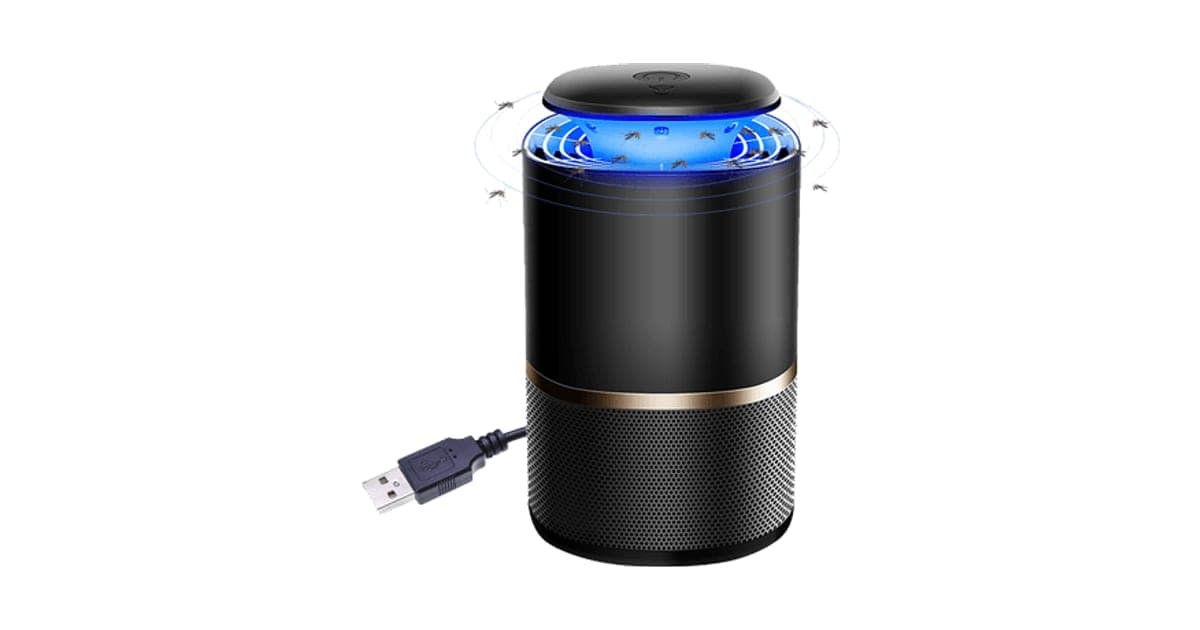
Score 3.6/10$89.00 at G Com Pte Ltd
Check price at G Com Pte Ltd (opens G Com Pte Ltd in a new tab)We may earn a commission if you buy through our links.
- Best for
- People who want a quiet, chemical-free gadget to catch moths, gnats and small flies indoors
- Not for
- Anyone relying on it to prevent mosquito bites
$89.00 at G Com Pte Ltd
Check price at G Com Pte Ltd (opens G Com Pte Ltd in a new tab)We may earn a commission if you buy through our links.
On this page · 14 sections
- 01Our verdict
- 02The short version
- 03Pros & cons
- 04How it works
- 05Who it's for
- 06Do UV light traps like Mosquitron actually catch mosquitoes?
- 07How should you use Mosquitron if you buy one?
- 08How much does Mosquitron cost, and what do the add-ons add?
- 09What works better than Mosquitron against mosquito bites?
- 10Is Mosquitron legit, and what should you check before buying?
- 11How did we score Mosquitron?
- 12How to use Mosquitron alongside proven mosquito protection
- 13What else do people ask about mosquito traps and zappers?
- 14Frequently asked questions
Our verdict
No, not if your goal is fewer mosquito bites. Mosquitron is a quiet, USB-powered UV light trap that can catch moths, gnats and small flies, and it uses no chemicals. But mosquitoes find people mainly by carbon dioxide and body odour, and a University of Delaware study of UV bug zappers found mosquitoes were less than 0.25% of the insects killed. At $89 it costs far more than repellents and fans that work. Even the automatic day and night switch costs extra. Mosquitron scores 3.6 out of 10, held back by weak evidence against mosquitoes and its price.
The short version
- What it is: a compact insect trap with blue UV LEDs and a fan, powered by USB.
- Price: $89 for one on 4 October 2026, with a five-pack for $267 preselected. Delivery was listed as free.
- Best trait: quiet and chemical-free, with no crackling grid.
- Biggest drawback: UV light traps catch very few mosquitoes, because mosquitoes hunt by scent and breath.
- Our score: 3.6 out of 10.
Pros & cons
The pros are about convenience and comfort. The cons are about the one job most buyers want it for: stopping mosquito bites.
What we like
- Runs from a USB port, so it works from a laptop, power bank or phone charger
- No sprays, coils or chemicals in the room
- A fan and trap design is quieter than a crackling electric zapper grid
- Small and portable, so it can move from bedroom to camper van
- Free delivery, and the seller names a registered company with a Singapore address
What we don't
- A University of Delaware study found mosquitoes were less than 0.25% of insects killed by UV bug zappers
- Mosquitoes find people mainly by carbon dioxide and body odour, which a UV light does not give off
- At $89 for one, it costs far more than an EPA-registered repellent or a fan
- The automatic day and night switch is sold as a $7 add-on, despite 'intelligent control' on the page
- No catch rates, coverage area, fan noise or UV wavelength stated
- Refunds need a returns number first, and you pay return postage to an overseas seller
Sold by G Com Pte Ltd
Mosquitron$89.00
How it works
Mosquitron combines two ideas. A ring of LEDs gives off blue and ultraviolet light, which attracts many flying insects. A small fan underneath creates a gentle down draught that pulls insects that come close into a chamber, where they cannot escape and dry out.
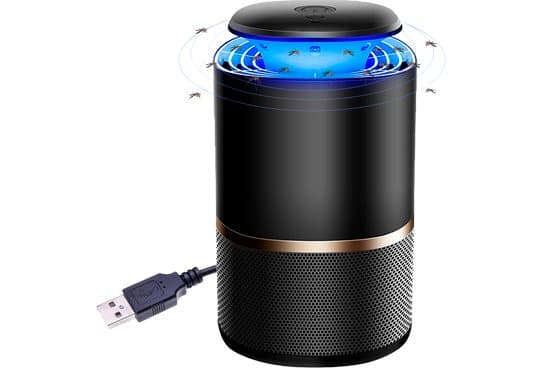
Plug it into USB power
Step 1: Connect Mosquitron to a USB charger, laptop or power bank and place it where insects gather, ideally in a darker spot away from other lights.
Blue UV light attracts insects
Step 2: LEDs around the top glow blue and ultraviolet, which draws in flying insects that are attracted to light, such as moths and some flies.
A fan pulls them into the trap
Step 3: A small fan sucks insects that come close into a chamber, where they dry out. Empty and clean the chamber regularly.
Who it's for
Mosquitron suits someone who wants a quiet, chemical-free gadget to cut down on moths, small flies and gnats indoors, and who sees it as an extra rather than their main protection against mosquitoes. If bites are your problem, you will get far more from repellents, screens and a fan.
- People who want a quiet, chemical-free gadget to catch moths, gnats and small flies indoors
- Buyers who accept that it will catch few mosquitoes and like it as a supplement to other measures
- Campers and van owners who want a small USB-powered trap alongside nets and repellents
Why Mosquitron appeals
Mosquito bites ruin summer evenings and sleep. The idea of a stylish little device that quietly removes mosquitoes from the room, without sprays or coils, is very appealing. The page calls Mosquitron a new kind of "stylish UV light insect zapper" that is "safe, powerful and convenient", easy to operate on USB power, with intelligent control, easy cleaning and a compact, portable design.
The design does look neat: a black and copper cylinder with a soft blue glow, more like a smart speaker than a bug zapper. It runs from any USB port, so you can power it from a laptop, a phone charger or a power bank.
Who gets the most value
People bothered by moths around lamps, fruit flies near the kitchen bin or gnats in a conservatory may find a UV trap genuinely catches some of them. Insects that are strongly attracted to light are what UV traps are good at.
Those who simply like the idea of a chemical-free trap, and accept it as a supplement, can also be satisfied, as long as they keep using proven measures against mosquitoes.
Campers and van owners
A USB trap is easy to run from a power bank in a tent or a van. It may catch some light-loving insects at night. In mosquito country, though, a bed net, screens on vents and a good repellent are what keep you bite-free.
Office and home workers
Some buyers want a trap for a desk or home office, powered from a laptop. It may catch the odd moth or gnat attracted to the room's light in the evening. During the day, with bright windows and lamps, a small UV trap has little pull. If mosquitoes bother you while working, a desk fan does more.
People sensitive to sprays
If you dislike the smell of sprays or have asthma that strong fragrances can trigger, a chemical-free trap is understandably attractive. Screens, nets and fans are also chemical-free and much more effective against mosquitoes. Some repellents are fragrance-free; a pharmacist can help you choose one.
Families with young children
Parents often prefer chemical-free options near babies and toddlers. A UV trap has no fumes, but it also offers little protection from mosquitoes. For babies, mosquito nets over cots and prams and screens on windows are the safest effective options. Talk to a pharmacist about suitable repellents for older children.
Gift buyers
Mosquitron looks smart enough to give as a gift, and its design is more appealing than most bug zappers. If you give one, frame it as a trap for moths and flies, and perhaps add a bottle of repellent. That way the recipient is not left relying on the light for mosquito bites.
Who should skip it
Skip Mosquitron if you need reliable protection from bites, especially where mosquitoes carry diseases, or if you would rather spend $89 on measures that are shown to work.
- Anyone relying on it to prevent mosquito bites
- People in areas with mosquito-borne diseases, who need proven protection such as repellents and nets
- Price-conscious buyers, since repellents, fans and screens cost far less and work better
- People who want to protect beneficial insects outdoors
Do UV light traps like Mosquitron actually catch mosquitoes?
Very few, according to the best-known study of UV bug zappers. Researchers at the University of Delaware examined around 13,000 to 14,000 insects killed by zappers and found mosquitoes and other biting gnats made up less than a quarter of one percent. Mosquitoes find people mainly through carbon dioxide and body odour, which a UV light does not produce. Mosquitron's fan does not change that basic problem.
What the study found
The San Gabriel Valley Mosquito and Vector Control District, a public mosquito control agency in California, summarises a University of Delaware study of bug zappers: of more than 13,000 insects killed, less than 0.25% were mosquitoes, and over 99.75% were other insects, many of them harmless or beneficial.
The district explains that female mosquitoes, the ones that bite, detect people through carbon dioxide and body odour chemistry, signals that UV traps do not give off.
Why mosquitoes ignore the light
Biting mosquitoes are drawn to the carbon dioxide in your breath from a distance, then to body heat, moisture and skin chemicals as they get close. Light plays a small role for most species. That is why you get bitten in the dark, and why a room with a glowing trap can still have mosquitoes landing on you rather than on the trap.
How mosquitoes find you, step by step
From tens of metres away, a female mosquito picks up plumes of carbon dioxide from your breath and flies upwind towards them. Closer in, she follows body heat, moisture and the mix of chemicals on your skin. In the final approach, visual cues such as dark clothing and movement help. Light from a trap features very little in this sequence, which is why a room with a glowing trap can still be full of biting mosquitoes.
Why male mosquitoes are irrelevant
Only female mosquitoes bite, because they need blood to produce eggs. Males feed on nectar. Even if a trap caught some mosquitoes, catching males would do nothing to reduce bites. Traps designed for mosquito control target females with lures that imitate people, which is exactly what a UV light does not do.
Does the fan make a difference?
Fan traps like Mosquitron avoid the crackle and the scattering of insect parts that come with electric grid zappers. The fan helps the trap hold on to insects that come close. But it can only catch what the light attracts in the first place. If mosquitoes are not drawn to the light, the fan has little to work with.
Some professional mosquito traps add carbon dioxide, heat or chemical lures that imitate a person, and these catch far more mosquitoes. The Mosquitron page mentions none of these.
What UV traps do catch
Moths, beetles, many small flies, midges and some gnats are attracted to UV light. Indoors, a UV trap may help with these nuisance insects. Outdoors, it can kill large numbers of insects that matter to wildlife, such as moths that birds and bats feed on.
What mosquito control agencies recommend
Public mosquito control agencies consistently recommend the same core measures: remove standing water where mosquitoes breed, use registered repellents, wear long sleeves and trousers at dusk and dawn, and keep screens in good repair. None of the agencies we read recommends UV light traps or zappers for mosquito control.
Indoors versus outdoors
Indoors, a trap competes with fewer light sources and fewer insects, so it may catch a higher share of what is flying around a room, such as a stray moth or a few gnats. Outdoors, it competes with the sky, street lights and windows, and attracts insects from a wide area, most of which are not pests. Neither setting changes the fact that mosquitoes are not mainly drawn to light.
What the offer page claims
The headline calls Mosquitron a "stylish UV light insect zapper" and claims it is a breakthrough. The six bullets are: safe, powerful and convenient; easy to operate, powered by USB; intelligent control; easy to clean; compact, can fit into a range of spaces; and portable, can be taken on travels.
The page makes no specific claim about how many mosquitoes it catches, what area it covers or how long it takes to work. That vagueness leaves the photos of a glowing trap and the word "mosquito" in the name to do the persuading.
"Zapper" or trap?
The page calls Mosquitron a zapper, but the photos show a fan trap with a chamber rather than an electric grid. Zappers kill insects on contact with a high-voltage grid; fan traps suck them into a container. The distinction matters for noise and mess, not for whether mosquitoes come to the light.
How should you use Mosquitron if you buy one?
Place Mosquitron away from people, in a darker part of the room or near where insects come in, and turn off other lights nearby so it is the brightest thing around. Run it in the evening when moths and flies are active, empty the chamber every few days, and keep using repellents, screens and a fan against mosquitoes. Used this way, it can reduce some nuisance insects without drawing them towards you.
Placement
A trap placed beside your bed or sofa can draw insects towards you rather than away. Put it a few metres from where you sit or sleep, ideally near a window or door where insects enter, and low down if possible.
Light competition
Other lamps and screens compete with the trap's light. In a bright room, it attracts fewer insects. Dim the other lights for an hour while it runs, or use it in a room you are not using.
Timing
Many light-loving insects are most active from dusk into the night. Run the trap from early evening. The page sells an automatic day and night switch as an add-on; without it, you switch the trap on and off yourself.
Noise
A small fan makes a gentle hum. Some people find it soothing, others find it disturbs sleep in a quiet bedroom. The page gives no noise figure. If you are sensitive to noise, run the trap in the evening and switch it off at bedtime, or place it in a neighbouring room with the door open.
Safety around the home
A fan trap has no high-voltage grid, so the shock risk is low. Keep it on a stable surface where it cannot be knocked over, away from water, and out of reach of small children and pets who might poke at the fan. Avoid staring into the UV LEDs at close range.
Cleaning
The chamber fills with dead insects that can smell and attract other pests. Empty it every few days, outside, and wipe the fan grille. Unplug it before cleaning.
Measuring whether it helps
If you want to know whether Mosquitron makes a difference, count what it catches. Empty the chamber onto white paper every few days and look at what is there. If you find moths and flies but no mosquitoes, you have your answer. Keep track of bites too: if they do not fall, the trap is not the solution.
Power
USB power makes Mosquitron flexible. Use a phone charger plug at home or a power bank when camping. Running it all night from a power bank will drain the bank, so check its capacity.
How much does Mosquitron cost, and what do the add-ons add?
On 4 October 2026, with the United States selected, one Mosquitron cost $89, shown as half of $178, with free delivery. The five-pack for $267 was preselected. The page code lists a $9 USB adapter, a $7 day and night light switch and a $5 car adapter, and a 3-year warranty cost $14. The page does not say whether a USB plug comes in the box.
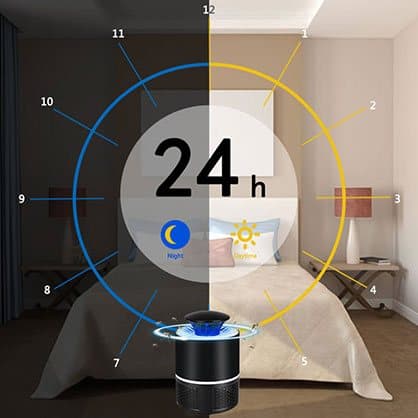
The $7 Intelligent Light Switch add-on, which switches the trap by day and night
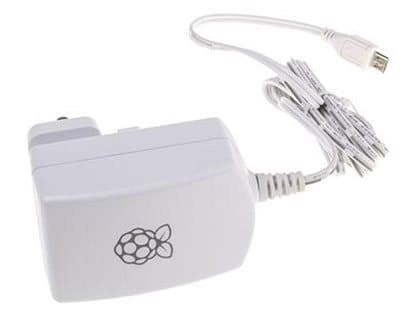
The $9 USB Adapter add-on image
Mosquitron price and bundles
| Package | Total | Per trap |
|---|---|---|
| 1 Mosquitron | $89 | $89.00 |
| 2 Mosquitron | $139 | $69.50 |
| Buy 2, get 1 free (3) | $177 | $59.00 |
| 4 Mosquitron | $219 | $54.75 |
| Buy 3, get 2 free (5), preselected | $267 | $53.40 |
One trap is plenty for a trial. You can check today's packages on the Mosquitron order page (opens G Com Pte Ltd in a new tab).
The add-ons
- USB Adapter: $9 (from $18). A wall plug for the USB cable. The image shows a white adapter with a logo from another brand. If you already have a phone charger, you do not need it.
- Intelligent Light Switch: $7 (from $14). Pictured with a 24-hour day and night clock, suggesting a light sensor that switches the trap automatically. The page already lists "intelligent control" as a feature, so ask what you get without it.
- Car Adapter: $5 (from $9). A USB car charger for running it in a vehicle.
Running costs
A USB trap uses little electricity, so running it for a few hours each evening costs very little. The main ongoing cost is time spent emptying and cleaning it. There are no lure refills, which is one advantage over carbon dioxide traps, but also the reason it catches so few mosquitoes.
What is missing
The page gives no coverage area, fan noise level, power draw or UV wavelength, and no information about replacement parts. Those are the figures that let you compare one trap with another.
The "regular price"
The page shows $178 crossed out next to $89 with a countdown. We found no evidence of Mosquitron selling at $178. USB UV insect traps of similar design are widely sold, often for much less.
Who sells it
The order page and impressum name G Com Pte Ltd, at 137 Market Street in Singapore, with a company registration number, email and phone number. The footer says "G Com Pte Ltd - Hong Kong". We found no independent rating profile for the store. With the United States selected, the order page said charges would appear as matrixfze, shown in capitals.

MosquitronScore 3.6/10
Best for: People who want a quiet, chemical-free gadget to catch moths, gnats and small flies indoors
$89.00 at G Com Pte Ltd · Price checked October 4, 2026
Check price at G Com Pte Ltd (opens G Com Pte Ltd in a new tab)We may earn a commission if you buy through our links.
What works better than Mosquitron against mosquito bites?
EPA-registered repellents, screens, a fan and removing standing water all have far better evidence than UV light traps, and most cost less. Repellents containing DEET, picaridin, IR3535 or oil of lemon eucalyptus stop bites directly. Screens keep mosquitoes out. A fan's breeze disrupts their flight and disperses your breath. Emptying water where they breed reduces how many there are.
| Option | What it does | Evidence | Cost |
|---|---|---|---|
| Mosquitron | UV light and fan trap | Mosquitoes under 0.25% of zapper catches in the Delaware study | $89 |
| EPA-registered repellent | Stops mosquitoes biting | Strong, when used as directed | Low |
| Window and door screens | Keeps mosquitoes out | Strong | Low to moderate |
| Bed net | Protects you while you sleep | Strong | Low |
| Electric fan | Disrupts flight, disperses breath | Good for nearby protection | Low; many homes have one |
| Removing standing water | Stops breeding | Strong for local populations | Free |
Mosquitron vs repellents
The EPA's repellent finder lets you search registered skin repellents by insect, protection time and active ingredient. Registered products have been evaluated for effectiveness and safety when used as directed. This is the clearest case where a rival wins.
Mosquitron vs a fan
Mosquitoes are weak fliers. A fan blowing across you makes it hard for them to land and disperses the carbon dioxide they use to find you. Many people already own a fan, so this costs nothing.
Mosquitron vs screens and nets
Screens on windows and doors keep mosquitoes out in the first place. Bed nets protect you while you sleep, which is when many people are bitten indoors. Both are cheap and effective.
Mosquitron vs wearable repellers
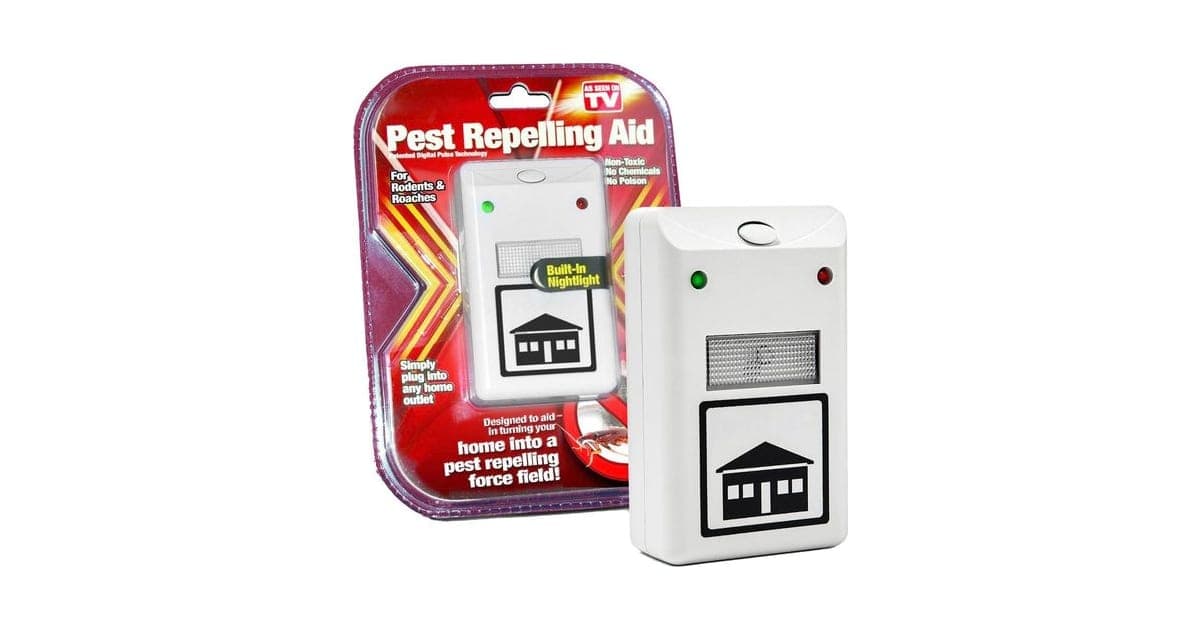
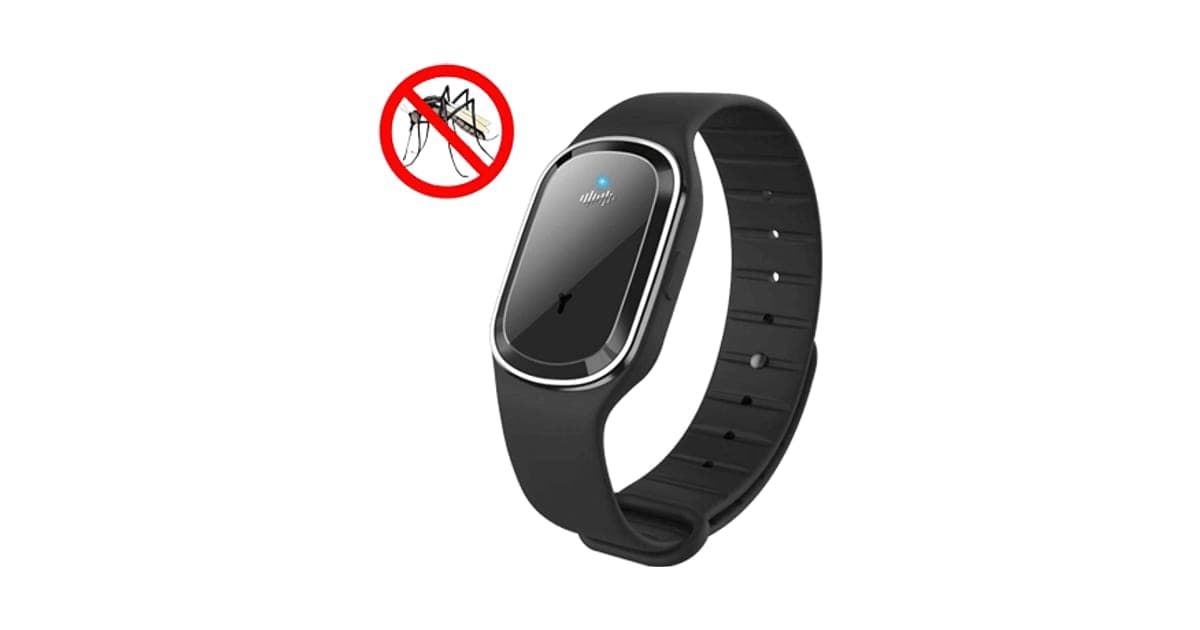
Ultrasonic wristbands and plug-ins claim to repel mosquitoes with sound. A Cochrane review found no evidence they work. Our MoskiX Band review covers one sold by the same company, and our Riddex review looks at a plug-in pest repeller with a similar evidence problem.
Mosquitron vs a carbon dioxide trap
Larger outdoor traps that release carbon dioxide, often with heat and a chemical lure, imitate a person and catch far more mosquitoes than light alone. Mosquito control agencies use similar traps to monitor populations. They are bigger, cost more and need gas or lure refills, but they target the cues mosquitoes actually follow.
Mosquitron vs spatial repellent devices
Some devices release a repellent into a small area, for example clip-on or tabletop units for patios. Some are registered with the EPA and can reduce bites in a limited space when used as directed. Check for registration and follow the label carefully.
Mosquitron vs other household helpers
If you are tidying up pest problems around the home, our Jiffys review covers cleaning pads and our NUUD showerhead review a filtered shower head. Browse more household gadget reviews for other home fixes.
If you still want Mosquitron for moths and flies, check today's packages on the Mosquitron offer page (opens G Com Pte Ltd in a new tab) and choose one trap.
MosquitronScore 3.6/10
Why people buy it: Runs from a USB port, so it works from a laptop, power bank or phone charger
$89.00 at G Com Pte Ltd · Price checked October 4, 2026
Check price at G Com Pte Ltd (opens G Com Pte Ltd in a new tab)We may earn a commission if you buy through our links.
Is Mosquitron legit, and what should you check before buying?
Mosquitron is a real product from a named seller, and a trap should arrive if you order. Before buying, decide whether you want it for mosquitoes, which the evidence does not support, or for light-loving insects. Then change the preselected five-pack, check whether a USB plug is included, and know that refunds need a returns number and that return postage is yours to pay.
Be clear about what you want it to do
What to do: if bites are the problem, spend the money on repellent, screens or a fan first. Buy Mosquitron only if you want a trap for moths, flies and gnats.
Check the selected bundle
The five-pack for $267 was preselected. What to do: change it to one trap before entering your details.
Ask what "intelligent control" includes
What to do: ask support whether the standard trap switches itself on and off, or whether that needs the $7 add-on.
Membership offers
The page code contains text for a "Gadget Discount Club" membership, free for 30 days and then "a small fee of $9 may apply". We did not see it on the order page with the United States selected. What to do: read every checkbox and post-purchase page.
Check the cable and plug
The page sells a USB adapter separately and does not list the box contents. What to do: ask support whether a cable and plug come as standard, and make sure you have a USB charger that fits your sockets.
Refunds and returns
The page code promises a 30-day guarantee with a full refund or replacement, less shipping and handling. The terms focus on defective or damaged products, which may be returned within two years once you have a returns number. Return postage is at your cost and is not reimbursed. A trap that works but catches few mosquitoes may not count as defective.
What to do: test it the day it arrives, and contact support at once if the fan or light does not work.
Where mosquito-borne diseases are a risk
In areas with dengue, malaria, Zika or West Nile virus, bite prevention matters for health. What to do: follow public health advice for your area, use registered repellents and nets, and do not rely on a light trap.
How to buy Mosquitron the smart way
- Decide whether you want it for nuisance insects rather than mosquito bites.
- Open the Mosquitron order page (opens G Com Pte Ltd in a new tab) and select your country.
- Change the preselected five-pack to one trap.
- Skip the USB adapter if you have a phone charger, and ask about the light switch before adding it.
- Note the card statement name, matrixfze, and save your order email.
- Test the light and fan on the day it arrives.
How did we score Mosquitron?
Mosquitron scores 3.6 out of 10: claim accuracy 0.4, build durability 1.0, price competitiveness 0.5, usability 1.2 and owner satisfaction 0.5, each out of 2. It is a neat, quiet USB trap, but the name and marketing point to mosquitoes, which UV traps catch in tiny numbers, the price is high, and basic features are sold as add-ons. We found no independent owner ratings for the store.
What owners say
We found no Trustpilot profile for the gadgetxaura.com store and no independent retailer reviews for Mosquitron. Top-ranking pages are mostly sponsored articles quoting high ratings. Owners of similar USB UV fan traps often report catching moths, fruit flies and gnats, especially in dark rooms, and catching few or no mosquitoes. Some mention fan noise at night and the need to clean the chamber.
How the score breaks down
We use the five criteria on our how we test page, each out of 2.
| Criterion | Score | Why |
|---|---|---|
| Claim accuracy | 0.4 / 2 | Named and sold as a mosquito device; evidence shows UV traps catch very few mosquitoes |
| Build durability | 1.0 / 2 | Simple fan and LED design; fan life unknown |
| Price competitiveness | 0.5 / 2 | $89 for a type of trap widely sold for less, with add-ons for basic features |
| Usability | 1.2 / 2 | USB power and quiet operation; needs regular cleaning |
| Owner satisfaction | 0.5 / 2 | No independent ratings; owners of similar traps report few mosquitoes caught |
| Total | 3.6 / 10 |
What we did, and did not, do
Nobody on our team has used Mosquitron. We read the offer page our link opens with the United States selected, its code and the seller's terms on 4 October 2026, along with a mosquito control district's summary of the University of Delaware bug zapper study, the EPA's repellent finder and the top-ranking Mosquitron pages.
How to use Mosquitron alongside proven mosquito protection
Use Mosquitron for light-loving insects, placed away from people in a dark spot, while relying on repellent, screens and a fan for mosquitoes. Clear standing water around your home each week, keep doors and windows screened, and sleep under a net where mosquitoes are a serious problem. That combination cuts bites far more than any light trap.
- Find and remove standing water. Empty buckets, plant saucers, gutters and toys weekly, where mosquitoes breed.
- Screen windows and doors. Repair holes and keep screen doors closed.
- Use a registered repellent outdoors. Follow the label, especially for children.
- Run a fan where you sit or sleep. Point it across you, not just at the ceiling.
- Place Mosquitron away from you. A dark corner or near a window works best.
- Run it in the evening. Switch off other bright lights nearby.
- Empty it regularly. Every few days, outside, with the trap unplugged.
In the bedroom
Put the trap on the far side of the room, run it before bed with other lights off, and switch it off or keep it far from you when you sleep if the fan noise bothers you. A fan by the bed and a net, where needed, do more to stop night-time bites.
Protecting children from bites
For babies and young children, nets over cots and prams, screens on windows and covering clothing are the safest first steps. Ask a pharmacist which repellents are suitable for your child's age, and apply them as directed, avoiding hands and faces. A UV trap in the nursery adds little protection from mosquitoes.
In the kitchen
Fruit flies gather around fruit bowls and bins. A UV trap may catch some, but covering fruit, emptying the bin often and a simple vinegar trap are also effective. Place the UV trap near the problem area at night.
In a conservatory or garden room
Glass rooms attract insects that come towards the light at night. A trap placed near the door may catch some moths and flies. Keep the door closed in the evening, fit a fly screen if you can, and use a fan when you sit there.
On a patio or balcony
Outdoors, UV traps kill many insects that birds and bats rely on, and catch few mosquitoes. A fan, repellent and covering exposed skin at dusk are better outdoors. If you use Mosquitron outside, keep it close to the house and run it only when needed.
Around ponds and water features
Ponds with fish and moving water are rarely the main breeding sites, but still water in buckets, blocked gutters and plant saucers often are. Check around the garden each week. A fountain or pump keeps decorative water moving, which mosquitoes avoid for egg laying.
When camping
Keep your tent zipped, use a repellent, and hang a net if mosquitoes are bad. Run the trap from a power bank in the porch rather than inside the sleeping area. Check the power bank's charge before bed.
Travelling to mosquito-prone places
If you are heading somewhere with heavy mosquito activity or disease risk, pack a registered repellent, a lightweight net if your accommodation does not have them, and long, light clothing for evenings. Check travel health advice for your destination before you go. A USB trap can come along for moths, but it should not be part of your bite protection plan.
Cleaning and care
Unplug the trap, open the chamber outside and tip out the insects. Brush dust from the fan with a soft brush. Do not wash electrical parts in water. A clean trap runs more quietly and stays more attractive to insects.
MosquitronScore 3.6/10
Before you buy: Check the final price, shipping and return terms at checkout.
$89.00 at G Com Pte Ltd · Price checked October 4, 2026
Check price at G Com Pte Ltd (opens G Com Pte Ltd in a new tab)We may earn a commission if you buy through our links.
What else do people ask about mosquito traps and zappers?
Most questions are about whether any trap works, whether zappers are safe and what attracts mosquitoes. Traps with carbon dioxide or scent lures catch far more mosquitoes than light alone, zappers mainly kill other insects, and mosquitoes are drawn by breath, heat and skin chemicals. The answers below cover what people most often ask when comparing traps with other protection.
Do any mosquito traps work?
Professional traps that release carbon dioxide, heat or chemical lures imitating a person catch many more mosquitoes than light traps, and mosquito control agencies use them for monitoring. They are more expensive and need gas or lure refills. Even these work best as part of wider control, not alone.
Should I use a zapper and repellent together?
You can, but most of the protection will come from the repellent. If you use a trap or zapper outdoors, place it well away from where people sit, so it does not draw insects towards you, and accept that it will mostly catch other insects.
Why do mosquitoes bite some people more than others?
Body odour chemistry, how much carbon dioxide you breathe out, body heat and sweat all vary between people, and some combinations attract mosquitoes more. That is why two people in the same room can get very different numbers of bites.
Are bug zappers bad for the environment?
The Delaware study found that most insects killed by zappers were not pests, including many that feed birds or prey on pests. Running zappers outdoors all night kills large numbers of these insects.
Do mosquitoes prefer certain blood types?
Some studies suggest differences in how attractive people are to mosquitoes, linked to body odour and other factors, but the evidence on blood type is mixed. Whatever your type, repellents and physical barriers work the same way.
How long do mosquitoes live indoors?
Adult mosquitoes can survive indoors for days to weeks, resting on walls, curtains and in dark corners. Screens stop new ones getting in, and a fan helps keep them off you while you sleep.
Do citronella candles work?
Citronella candles offer limited, short-range protection at best. Skin repellents registered with the EPA are far more reliable.
Can mosquitoes become resistant to repellents?
Repellents work by interfering with how mosquitoes sense people, and they remain effective when used as directed. Follow the label for how often to reapply, especially after swimming or sweating.
What colour light attracts fewer insects?
Warm yellow and amber outdoor lights attract fewer insects than cool white or blue lights. Switching porch bulbs to warm or yellow "bug lights" can reduce insects around doors, though it does not stop mosquitoes, which are not mainly drawn by light.
Can a trap make bites worse?
If a light trap sits near where you sit, it can draw insects that bite, such as some midges, towards you. It can also give a false sense of protection, so people skip repellent. Placing the trap away from people and keeping proven protection in place avoids both problems.
Do ultrasonic apps on phones repel mosquitoes?
Apps that play high-pitched tones claim to repel mosquitoes, but a Cochrane review of electronic repellers found no evidence that sound keeps mosquitoes from biting. They are not a substitute for repellent, and the tones can annoy pets and some people who can still hear high frequencies. Save the battery for your phone's torch on an evening walk instead.
Do mosquito-repelling plants work?
Plants such as citronella grass or lavender are often sold as repellents, but simply growing them has little measurable effect on bites. Repellents made from some plant oils, such as oil of lemon eucalyptus, are registered and do work when applied to skin.
Frequently asked questions
Does Mosquitron really kill mosquitoes?
It may catch a few, but evidence on UV light traps is poor for mosquitoes. A University of Delaware study of bug zappers found mosquitoes and biting gnats were less than a quarter of one percent of insects killed. Mosquitoes track people mainly by carbon dioxide and body odour, which a UV light does not produce.
What does Mosquitron catch?
UV light traps mostly catch insects attracted to light, such as moths, beetles, small flies and gnats. Indoors, that can still reduce some nuisance insects around lamps. It is not a reliable way to reduce mosquito bites.
Is Mosquitron safe for children and pets?
The page calls it safe, and a fan-and-chamber trap has no exposed high-voltage grid like an electric zapper, so the shock risk is low. Keep it out of reach of small children and pets, who might poke fingers or paws into the fan, and avoid looking directly into the UV LEDs.
How much does Mosquitron cost?
With the United States selected on 4 October 2026, the offer page listed one Mosquitron for $89, two for $139, three for $177, four for $219 and five for $267. The five-pack was preselected. Delivery was listed as free, and a 3-year warranty add-on cost $14.
What actually keeps mosquitoes away?
EPA-registered repellents containing DEET, picaridin, IR3535 or oil of lemon eucalyptus, applied as directed. Window and door screens, bed nets where needed, a fan blowing over you, long sleeves at dusk and emptying standing water where mosquitoes breed all help.
Is Mosquitron legit?
It is a real product sold by G Com Pte Ltd, which lists a Singapore address, company number, email and phone. The concerns are the weak evidence for UV traps against mosquitoes, the missing specs, the preselected five-pack and refund terms that leave return postage to you.
Where should I put a UV insect trap?
Away from people, in a darker part of the room or near where insects enter, so it draws them away rather than towards you. Turn off other bright lights nearby. Outdoors, UV traps kill many beneficial insects, so indoor use is kinder to wildlife.
We may earn a commission if you buy through our links.
Prices accurate as of October 4, 2026. Check the seller's checkout for current pricing, promotions and terms.
What we checked: No hands-on use. Claims, photos, prices with the United States selected, the preselected bundle, add-ons and their images, warranty and card statement name from the Mosquitron offer page our link opens (gadgetxaura.com) on 2026-10-04, plus the bundle and add-on data in the page's own code. Refund and cancellation terms from the same site's terms page that day. A mosquito control district's summary of the University of Delaware bug zapper study, the EPA's insect repellent finder and the top-ranking Mosquitron pages were read the same day.

About the author
Alex Carter, Senior Tech Reviewer
Alex Carter is the senior tech reviewer at Top10Gadgets, covering the everyday gadgets, home and kitchen devices, smart home products and accessories most people actually buy. Alex judges a product the way a normal buyer…
- Everyday gadgets and accessories
- Smart home devices
- Home and kitchen gadgets
- Value for money
- Long-term reliability
Writing for Top10Gadgets since 2026Full profile