Supplements / Respiratory supplements
OmniBreathe Review: Can a Lung Cleanse Supplement Really Clear Tar and Help You Breathe Better?
A capsule supplement with NAC, quercetin and cordyceps, sold to cleanse your lungs in three days. NAC has some evidence for thinning mucus, but the headline claims are unsupported and doses are hidden.

By Daniel Brooks, Technology & Buying Guide Editor at Top10Gadgets
Updated 29 min readHow we test
Quick answer
No for most people, and especially not as a lung cleanse, an asthma or COPD remedy or a way to quit smoking. OmniBreathe contains NAC, which can thin mucus, plus quercetin, bromelain, cordyceps and vitamins, at a modest price.
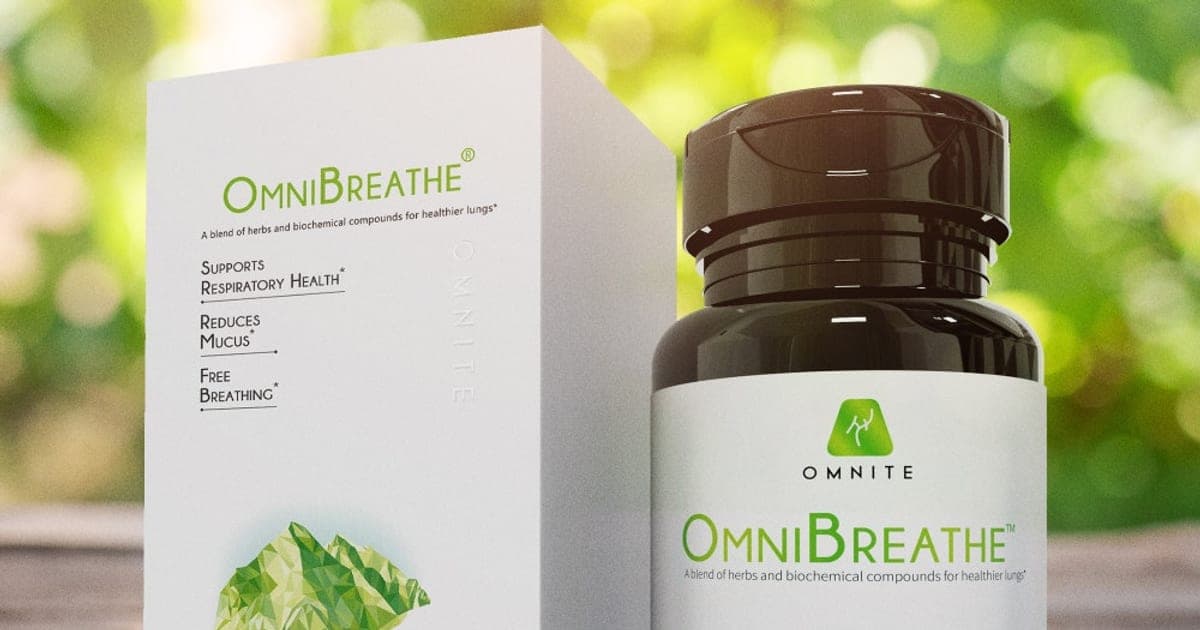
Score 4.2/10$39.95 at OmniBreathe
Check price at OmniBreathe (opens OmniBreathe in a new tab)We may earn a commission if you buy through our links.
- Best for
- Healthy adults curious about NAC who have checked with a doctor or pharmacist
- Not for
- Anyone with asthma or COPD hoping to cut back on prescribed inhalers or medicines
$39.95 at OmniBreathe
Check price at OmniBreathe (opens OmniBreathe in a new tab)We may earn a commission if you buy through our links.
On this page · 14 sections
- 01Our verdict
- 02The short version
- 03Pros & cons
- 04How it works
- 05Who it's for
- 06How much does OmniBreathe cost, and what's in the bottle?
- 07Does OmniBreathe work, and what does the evidence say?
- 08Are OmniBreathe's claims true?
- 09Is OmniBreathe better than quitting support or your inhaler?
- 10Is OmniBreathe legit, and what should you check before buying?
- 11What do owners say, and how did we score OmniBreathe?
- 12How to use OmniBreathe safely, if you choose to
- 13What else do people ask about lung health?
- 14Frequently asked questions
Our verdict
No for most people, and especially not as a lung cleanse, an asthma or COPD remedy or a way to quit smoking. OmniBreathe contains NAC, which can thin mucus, plus quercetin, bromelain, cordyceps and vitamins, at a modest price. But "cleanse tar in 3 days", "relieves asthma and COPD" and "no side effects" are not supported, the page hides the doses, and one testimonial describes stopping asthma medicine. OmniBreathe scores 4.2 out of 10, held back by its claims and missing label.
The short version
- A capsule supplement with NAC, quercetin, bromelain, cordyceps and vitamins A, C and D.
- Two capsules a day; 60 capsules a bottle.
- $39.95 for 30 days on 4 October 2026; two bottles $59.93, three $79.90.
- Claims to clear tar in 3 days, relieve asthma and COPD, and help you quit smoking.
- None of those claims is supported by evidence for this product.
- NAC has some evidence for thinning mucus; the other ingredients have weak evidence for lungs.
- The page does not show ingredient doses.
- The early "results" smokers notice when they quit come from quitting, not from a pill.
- 90-day money-back guarantee, according to the page.
- Best trait: contains NAC at a modest price.
- Biggest drawback: misleading and potentially dangerous health claims.
- Our score: 4.2 out of 10.
Pros & cons
OmniBreathe contains one ingredient with genuine evidence and several with little. The problem is less what is in the bottle than what the page says it can do.
What we like
- Contains NAC, which has some evidence for thinning mucus and is used in medicine as a mucolytic
- Simple routine: two capsules a day; vegetarian and non-GMO, according to the seller
- Modest price: $39.95 a month, or about $26.63 a month in a three-bottle pack
- 90-day money-back guarantee, according to the page
What we don't
- "Cleanse your lungs of tar in 3 days" is not supported: no supplement removes tar from lungs
- Claims to relieve asthma and COPD are disease claims a supplement cannot make, and are not supported
- A testimonial describes stopping asthma preventer medicine, which can be dangerous
- The page does not show the dose of each ingredient, so you cannot compare it with research
- "No side effects" and "safe with most medications" are too broad; some ingredients interact with medicines
- "FDA-approved facility" is misleading: the FDA registers facilities, it does not approve them or supplements
Sold by OmniBreathe
OmniBreathe$39.95
How it works
OmniBreathe is a dietary supplement in capsule form. You take two capsules a day with water, preferably with food. The page names several "supernutrients" but describes them as "just a few", so the full ingredient list and the dose of each are not shown.
Take two capsules a day
Step 1: The FAQ says to take two capsules daily with a glass of water, preferably with food. A 60-capsule bottle lasts 30 days.
Ingredients act on mucus and inflammation
Step 2: According to the seller, NAC thins mucus, quercetin and bromelain soothe inflammation, and vitamins support lung tissue. Only NAC has meaningful evidence for mucus.
Keep taking it
Step 3: The page promises easier breathing in 24 to 72 hours and full effects in 2 to 4 weeks. Evidence does not support those timelines for the supplement itself.
N-acetyl cysteine (NAC)
NAC is the ingredient with the most evidence. It is a form of the amino acid cysteine, and in medicine it is used as a mucolytic (a drug that thins mucus) and, at high doses in hospital, to treat paracetamol overdose. Taken by mouth, NAC can make mucus thinner and easier to cough up. A Cochrane review of mucolytics, a group that includes NAC, found they may slightly reduce flare-ups in people with chronic bronchitis or COPD. Those studies used set doses, often 600 to 1,200 mg a day; we do not know how much OmniBreathe contains.
Quercetin
Quercetin is a plant flavonoid found in onions, apples and tea. It has anti-inflammatory and antioxidant effects in laboratory studies, but good evidence that quercetin supplements improve lung health in people is lacking.
Bromelain
Bromelain is a group of enzymes from pineapple. It has been studied for sinus inflammation and swelling, with mixed results. There is little evidence for lung benefits. It may increase bleeding risk in people taking blood thinners.
Cordyceps
Cordyceps is a fungus used in traditional Chinese medicine. Small studies have looked at it for exercise performance and lung conditions, but the evidence is weak and often low quality.
Vitamins A, C and D
These vitamins are important for overall health, including the immune system and lung tissue. If you are deficient, correcting that helps. If you are not, extra amounts have not been shown to improve breathing. Smokers should avoid high-dose beta-carotene supplements, which raised lung cancer risk in smokers in large trials; the page does not say whether its vitamin A comes from beta-carotene or another form.
What "cleansing your lungs" really means
Your lungs clean themselves. Tiny hair-like structures called cilia line the airways and sweep mucus, dust and debris up and out. Smoking damages and paralyses cilia, which is why smokers cough. When someone stops smoking, cilia start to recover and the cough often gets worse briefly as mucus clears. No pill is known to speed this up meaningfully or to remove tar that has been deposited in lung tissue.
How supplements are regulated
In the US, dietary supplements do not need FDA approval before they are sold. Manufacturers are responsible for making sure their products are safe and that their claims are truthful. Supplements may make "structure or function" claims, such as "supports healthy lungs", but they may not claim to diagnose, treat, cure or prevent a disease. Claims that a product "relieves asthma and COPD" cross that line. The page's own small-print disclaimer says the statements have not been evaluated by the FDA.
The NCCIH's guidance on using supplements wisely advises being cautious about products that promise quick fixes or claim to work better than prescription drugs, and telling your healthcare providers about any supplement you take. Both warnings apply here.
NAC's unusual status
NAC sits in an unusual position. It was first approved as a drug, and for a time the FDA took the view that it could not be sold as a supplement. In 2022 the agency said it would not object to NAC supplements as long as they were otherwise lawful. So it is sold legally in supplements, but it is also a medicine, which is a reminder that it has real effects and real interactions.
Who it's for
Very few people need OmniBreathe. A healthy adult with occasional chesty mucus after a cold might try a NAC product, ideally one that clearly lists its dose, after checking with a pharmacist. That is about the extent of what the evidence supports.
Smokers who are not ready to quit
If you smoke and are not ready to stop, it is understandable to want something that reduces the harm. Unfortunately, no supplement has been shown to protect the lungs from cigarette smoke. Cutting down, switching to nicotine replacement, and getting regular check-ups are more useful steps. If you have tried to quit before and struggled, that is common; most people who succeed take several attempts, and support makes a big difference.
People living with polluted air
The page mentions people in polluted areas. Reducing exposure, by checking air quality forecasts, avoiding busy roads during exercise, and using an air purifier with a HEPA filter at home, does more than any supplement. Masks rated for fine particles can help on very polluted days.
People recovering from a chest infection
One testimonial describes lingering congestion after several illnesses. A cough can last three weeks or more after a cold or chest infection, and usually settles on its own. Rest, fluids and simple remedies help. If it lasts longer, comes with breathlessness, fever or chest pain, or keeps returning, see a doctor, as it may need tests or treatment.
It is not for people with asthma or COPD looking to replace or reduce their medicines, smokers hoping to undo damage, or anyone with new or worsening breathing symptoms, which need a doctor.
Why OmniBreathe appeals
Breathing problems are frightening, and many people, especially long-term smokers, feel guilty and want to "undo" damage. A natural pill that promises to flush out tar, ease breathing in days and help you quit is an appealing idea. The page's images of yellow, tar-filled lungs and people breathing freely on mountaintops are designed to play on that.
The price is also low compared with some medicines, and "natural" and "no side effects" sound reassuring. That is exactly why the claims need careful checking.
What the images suggest
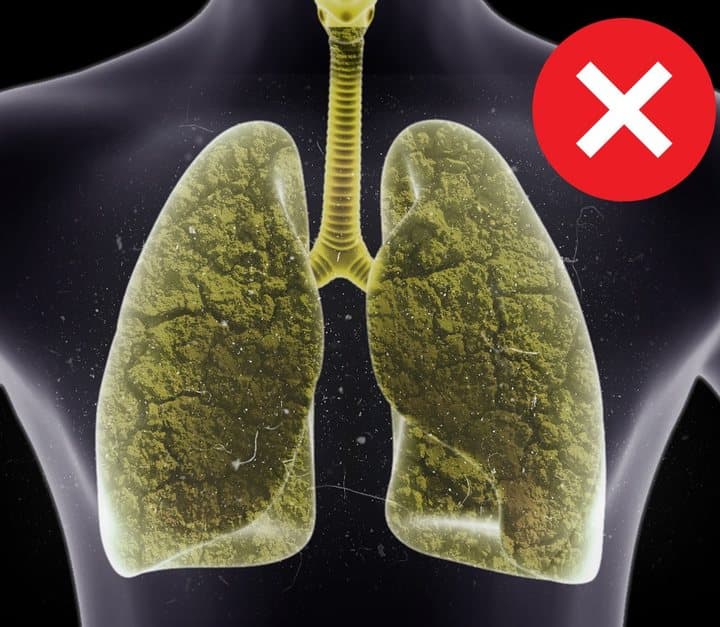
The page uses an illustration of yellow-green, tar-stained lungs with a red cross, a bottle superimposed over glowing blue lungs, and a syrup bottle crossed out next to a capsule bottle with a tick. These images imply that the supplement turns damaged lungs healthy and beats conventional medicines. Neither idea is supported. The images are marketing illustrations, not medical evidence.
Who the testimonials describe
The page shows testimonials from a smoker with asthma who says she no longer takes her preventer medicine, a smoker with COPD who uses her inhaler less, someone with lingering congestion after illnesses, and a former smoker. Several mention smoking, asthma and COPD, which are the groups most at risk if they rely on a supplement instead of proven treatment.
Why testimonials about medicines worry us
Asthma preventer inhalers reduce airway inflammation over time. When people feel well, it is tempting to stop them, but asthma can flare suddenly, and severe attacks can be life-threatening. A testimonial suggesting a supplement replaced a preventer may encourage others to do the same. Likewise, using a COPD inhaler less because you feel better can lead to flare-ups. Feeling better is a reason to see your doctor for a review, not to change treatment yourself.
- Healthy adults curious about NAC who have checked with a doctor or pharmacist
- People with occasional chesty mucus after a cold who want to try a mucus-thinning ingredient
- Buyers who accept that the page's lung-cleanse, asthma and quit-smoking claims are unsupported
Who should skip it
- Anyone with asthma or COPD hoping to cut back on prescribed inhalers or medicines
- Smokers looking for a way to undo damage or quit: proven stop-smoking support works far better
- People on blood thinners, nitrate heart medicines, immunosuppressants or diabetes medicines, or who are pregnant, without advice
- Anyone with new or worsening breathlessness, chest pain or coughing up blood: see a doctor urgently
How much does OmniBreathe cost, and what's in the bottle?
OmniBreathe costs $39.95 for one 30-day bottle on the offer page on 4 October 2026, with two for $59.93 and three for $79.90 including free shipping. Each bottle holds 60 capsules taken two a day. The page lists NAC, quercetin, bromelain, cordyceps extract and vitamins A, C and D among the ingredients, but shows no supplement facts panel, so the dose of each ingredient is unknown.
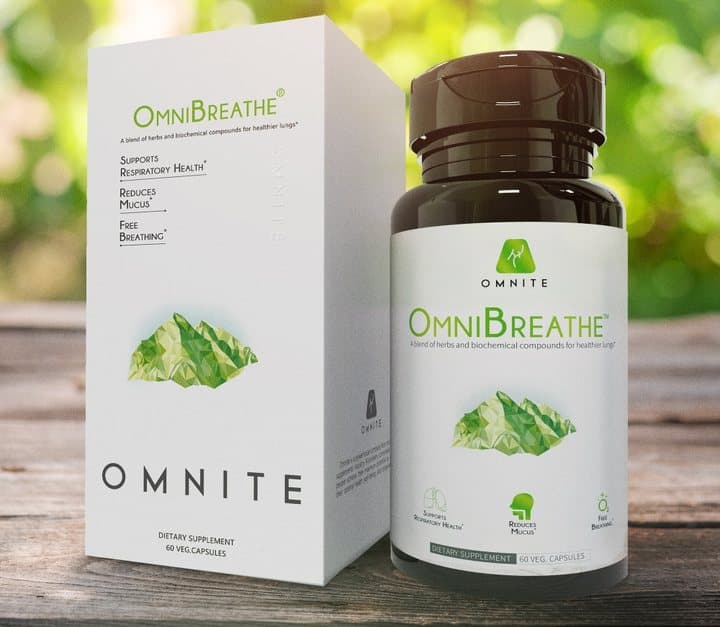
The bottle and box
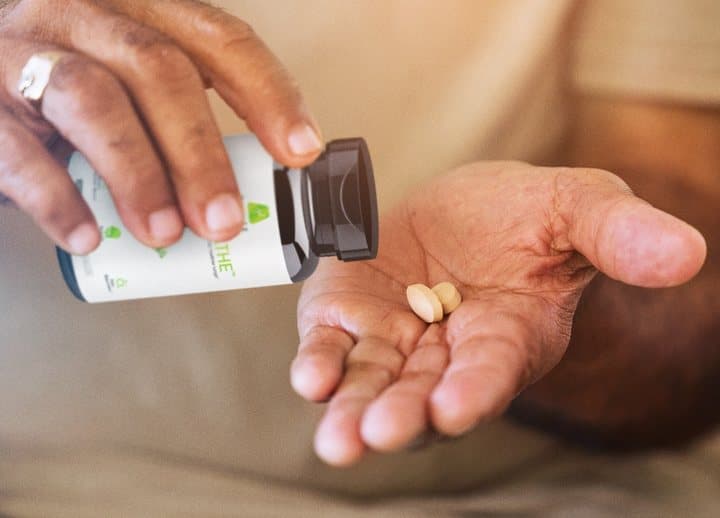
Two capsules a day
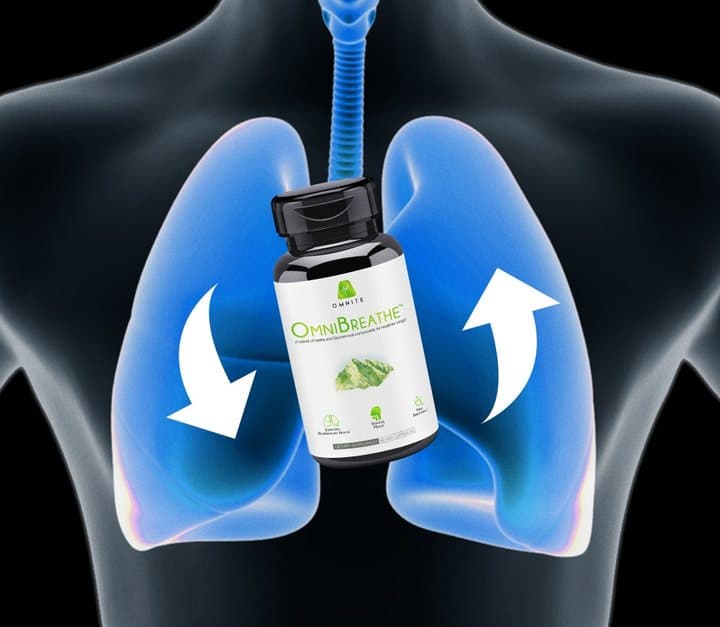
The seller's lung graphic
What is in the bottle
The bottle holds 60 capsules, a 30-day supply at two a day, according to the FAQ. The page lists vitamins A, D and C, NAC, quercetin, bromelain and cordyceps extract as "just a few" of the ingredients. It does not show a supplement facts panel, so we cannot tell you the dose of any ingredient or what else is in the capsules.
That matters. Without doses, you cannot compare the product with the studies that used NAC, and you cannot check whether vitamin A levels are safe if you take other supplements.
OmniBreathe price and bundles
On 4 October 2026 the OmniBreathe offer page (opens OmniBreathe in a new tab) listed:
| Package | Supply | Price | Per month | Shipping |
|---|---|---|---|---|
| 1 bottle | 30 days | $39.95 | $39.95 | Not stated as free |
| 2 bottles (second half price) | 60 days | $59.93 | $29.97 | Free |
| 3 bottles (buy 2, get 1 free) | 90 days | $79.90 | $26.63 | Free |
Is it good value?
NAC on its own is widely sold as a supplement, often with the dose clearly stated, for less than $39.95 a month. If you want to try NAC for mucus after checking with a pharmacist, a single-ingredient product with a clear label is cheaper and more transparent. You would be paying OmniBreathe's premium mainly for ingredients with weak evidence.
The cost over a year
At the single-bottle price, a year of OmniBreathe costs about $479; with three-bottle packs, about $320. For comparison, many stop-smoking services are free, and nicotine replacement is often subsidised or available on prescription. If your goal is healthier lungs, putting that money towards quitting support, or simply the cigarettes you no longer buy, is far better value.
Bundles and guarantees
The bundles reduce the monthly price, but they also mean buying three months of a product before you know whether it suits you. With a 90-day guarantee, check whether the seller accepts opened bottles for a refund; many supplement guarantees refund only unopened bottles or require you to return all bottles.
Where it is made
The FAQ says it is made in the USA in an FDA-registered, cGMP-certified facility in New York. Elsewhere, the page says "FDA-approved facility". The FDA does not approve supplement facilities or supplements; facilities register with the FDA and must follow good manufacturing practice rules.
Who sells it
The bottle carries the Omnite brand. The page describes founder Dasi Lin, whose grandfather had chronic lung problems, and says the formula was developed with naturopaths and respiratory specialists, who are not named. The story then says the founder saw benefits for "his own lung problems", which does not match the grandfather account. We could not verify the story or the specialists.
The "drug-based medicines" comparison
The page's comparison table ticks "100% natural", "works fast", "long-lasting" and "completely safe" for OmniBreathe and crosses them for drug-based medicines. It does not say which medicines, and the comparison is not based on any study. Proven medicines for asthma, COPD and smoking have been tested in large trials, and their side effects are known and listed. "Natural" products are not automatically safer, and their side effects are often simply less studied.
What to look for on a supplement label
A trustworthy supplement shows a supplement facts panel with every active ingredient and its amount per serving, the other ingredients (such as capsule material and fillers), allergen information, the manufacturer or distributor's name and address, and ideally a third-party testing seal from an organisation that checks contents and purity. OmniBreathe's page shows none of these details, though the physical bottle may carry them. Ask for a photo of the full label before you buy.

OmniBreatheScore 4.2/10
Best for: Healthy adults curious about NAC who have checked with a doctor or pharmacist
$39.95 at OmniBreathe · Price checked October 4, 2026
Check price at OmniBreathe (opens OmniBreathe in a new tab)We may earn a commission if you buy through our links.
Does OmniBreathe work, and what does the evidence say?
There is no published study of OmniBreathe itself. Its main ingredient, NAC, has reasonable evidence for thinning mucus and, at adequate doses, may slightly reduce flare-ups in some people with chronic bronchitis or COPD, but the page does not show its dose. Quercetin, bromelain and cordyceps have little good human evidence for lung health, and the vitamins help only if you are low in them.
NAC and mucus
There is reasonable evidence that NAC thins mucus and, in some people with chronic bronchitis or COPD, may slightly reduce flare-ups when taken regularly at adequate doses. Doctors sometimes prescribe it or similar mucolytics for that reason. It is not a substitute for inhalers, pulmonary rehabilitation or other COPD treatment.
The other ingredients
Quercetin, bromelain and cordyceps have little good human evidence for lung health. The vitamins help only if you are low in them.
No trial of OmniBreathe
We found no published study of OmniBreathe itself. The page calls its ingredients "clinically proven" but does not cite studies or doses.
Why smokers feel better in days
The NHS's quit smoking guidance describes what happens after stopping: within 48 hours carbon monoxide is gone and the lungs start clearing mucus, and within 72 hours the airways start to relax and energy rises. That closely matches the 24 to 72 hours OmniBreathe promises. If someone starts a supplement and stops or cuts down smoking at the same time, the improvement comes from quitting.
Realistic expectations
NAC might make mucus a little easier to clear. Beyond that, expect little. Do not expect tar removal, relief from asthma or COPD, or help quitting.
How long NAC takes
In studies of NAC for chronic bronchitis and COPD, benefits such as fewer flare-ups were measured over months of regular use, not days. Any effect on mucus thickness may be noticeable sooner, but the bigger benefits seen in research build slowly and are modest.
What a fair trial would look like
To show that OmniBreathe helps breathing, a study would need to compare it with a dummy capsule in people with a defined condition, measure lung function and symptoms objectively, and run long enough to see real change. It would also need to account for smoking changes. No such study is cited. Until one exists, the product's claims rest on testimonials and the general reputation of its ingredients.
The placebo effect and breathing
Breathlessness is strongly affected by anxiety and expectation. Feeling hopeful about a new remedy can make breathing feel easier for a while, which is real relief but not evidence that the lungs have changed. Objective measures, such as spirometry at a clinic, are the only reliable way to know whether lung function has improved.
What research on "lung detox" products shows
Products marketed as lung detoxes or cleanses, including herbal teas, supplements and inhalers, have not been shown in good-quality studies to remove tar, pollutants or toxins from the lungs. Lung health organisations generally advise against relying on them and point instead to quitting smoking, avoiding pollutants and staying active.
Are OmniBreathe's claims true?
Most of OmniBreathe's claims are not supported. No supplement is shown to remove tar from lungs in three days, relieving asthma and COPD is a disease claim a supplement cannot make, and there is no evidence it helps people quit smoking. "No side effects" and "safe with most medications" are too broad, and "FDA-approved facility" misleads, because the FDA registers facilities rather than approving them.
"Naturally cleanse your lungs of tar and toxins in just 3 days"
Not supported. No supplement is shown to remove tar from lungs. Lungs clear themselves gradually after quitting.
"Relieves asthma and COPD symptoms"
Not supported, and potentially harmful. Supplements cannot legally claim to treat diseases. Asthma and COPD need medical treatment.
"Quit smoking faster"
Not supported. There is no evidence OmniBreathe helps people quit. Proven methods are listed below.
"Restores crucial vitamin levels"
Possible only for people who are deficient. Most people eating a varied diet are not deficient in vitamins A and C; vitamin D deficiency is more common, especially in winter, and a simple vitamin D supplement or blood test addresses that more directly.
"Balances mucus production and soothes inflammation"
Partly plausible for NAC's effect on mucus. "Soothes inflammation" in the lungs is not established for these ingredients at unknown doses.
"Especially effective for smokers"
Not supported. There is no evidence the product protects or repairs smokers' lungs.
"Clinically proven vitamins, herbs, amino acids"
Overstated. Only NAC has meaningful evidence for mucus, and the doses are not shown.
"100% natural, completely safe, no side effects"
Not accurate. NAC can cause nausea, stomach upset and, rarely, allergic reactions. Bromelain can increase bleeding risk with blood thinners. Natural does not mean risk-free.
"Safe to take with most medications"
Too broad. NAC may interact with nitroglycerin and other nitrate heart medicines, bromelain with blood thinners, and cordyceps may affect blood sugar and immune-suppressing drugs. The FAQ itself then advises consulting your doctor, which is the right advice.
"FDA-approved facility"
Misleading. The FAQ's "FDA-registered" is more accurate; registration is not approval.
"Better than drug-based medicines"
Not supported. The page's comparison table claims OmniBreathe is more natural, faster, longer-lasting and safer than drugs, without evidence.
"50,000+ bottles sold" and "as seen on" logos
Unverifiable.
Claims scorecard
| Claim | Our view |
|---|---|
| Cleanses tar in 3 days | Not supported |
| Relieves asthma and COPD | Not supported; disease claim |
| Helps you quit smoking | Not supported |
| Clinically proven ingredients | Overstated; only NAC has evidence |
| No side effects | Not accurate |
| Safe with most medications | Too broad |
| FDA-approved facility | Misleading |
Is OmniBreathe better than quitting support or your inhaler?
No. Stopping smoking is the single most important thing a smoker can do for their lungs, and free support is available, such as Smokefree.gov and 1-800-QUIT-NOW in the US or NHS Stop Smoking Services in the UK. Combining support with nicotine replacement or prescribed medicine improves the chances further. For asthma or COPD, prescribed inhalers remain the treatment; plain NAC is cheaper if a doctor suggests it.
| Option | Cost | Evidence | Best for |
|---|---|---|---|
| Stopping smoking with support | Often free through health services | Strong | Smokers |
| Nicotine replacement therapy | Varies; often subsidised | Strong | Smokers quitting |
| Prescribed stop-smoking medicines | Varies | Strong | Smokers quitting |
| Prescribed asthma and COPD treatment | Varies | Strong | Asthma, COPD |
| Pulmonary rehabilitation | Often covered | Strong | COPD |
| NAC alone (with advice) | Lower than OmniBreathe | Moderate for mucus | Chesty mucus |
| OmniBreathe | $39.95 a month | Weak overall | Not recommended for its claims |
OmniBreathe vs quitting smoking with support
Stopping smoking is the single most important thing a smoker can do for their lungs. Free support is available: in the US, Smokefree.gov and the 1-800-QUIT-NOW line; in the UK, NHS Stop Smoking Services. Combining support with nicotine replacement or prescribed medicine greatly increases success compared with willpower alone.
Nicotine replacement comes as patches, gum, lozenges, inhalators and sprays, and using a long-acting patch with a fast-acting product works better than either alone. Prescribed medicines can reduce cravings and withdrawal. Many people also use e-cigarettes to quit; health bodies differ in their advice, so ask your local service. All of these have far stronger evidence than a lung cleanse supplement.
OmniBreathe vs your inhaler
If you have asthma or COPD, your prescribed inhalers control inflammation and open your airways. Stopping a preventer inhaler can lead to serious attacks. A supplement is not a substitute.
OmniBreathe vs a pharmacist's advice
Pharmacists can advise on chesty coughs, mucus, inhaler technique and stop-smoking products, often free of charge and without an appointment. They can also check whether any supplement is safe with your medicines. For most people considering OmniBreathe, a five-minute conversation with a pharmacist is the best first step.
OmniBreathe vs plain NAC
If your pharmacist or doctor agrees, a single-ingredient NAC product with a clearly stated dose is cheaper and lets you know exactly what you are taking.
OmniBreathe vs other supplements we have reviewed
We apply the same evidence checks to every supplement. Our reviews of Akka, Cloud9 Daily Restore, Emma Relief and Primal Sleep look at other products with bold claims. More are in our supplements category.
If you still want to buy, compare today's OmniBreathe bundles (opens OmniBreathe in a new tab) with single-ingredient NAC products and talk to a pharmacist first.
OmniBreatheScore 4.2/10
Why people buy it: Contains NAC, which has some evidence for thinning mucus and is used in medicine as a mucolytic
$39.95 at OmniBreathe · Price checked October 4, 2026
Check price at OmniBreathe (opens OmniBreathe in a new tab)We may earn a commission if you buy through our links.
Is OmniBreathe legit, and what should you check before buying?
OmniBreathe is a real supplement sold under the Omnite brand with a 90-day money-back guarantee, but it hides its doses and makes disease claims a supplement cannot make. Before buying, never stop or reduce asthma or COPD medicines, show the bottle to a pharmacist because some ingredients interact with blood thinners and nitrate heart drugs, and see a doctor about any cough lasting more than three weeks.
Never stop prescribed lung medicines
One testimonial describes stopping asthma preventer medicine, and another using an inhaler less.
What to do: do not change asthma or COPD treatment without your doctor. If your breathing improves, your doctor can review your medicines safely.
Breathing symptoms need a doctor
What to do: see a doctor for a cough lasting more than three weeks, breathlessness, wheezing, chest pain or coughing up blood. Call emergency services for severe breathlessness. These can be signs of serious conditions that a supplement could delay diagnosing.
Medicine interactions
What to do: show the bottle to a pharmacist before taking it, especially if you take blood thinners, nitrate heart medicines, diabetes medicines or immune-suppressing drugs.
Missing doses
What to do: ask the seller for the full supplement facts panel before buying. If they cannot provide it, choose a product that shows its doses.
Vitamin A and smokers
What to do: if you smoke, avoid high-dose beta-carotene supplements and ask what form of vitamin A OmniBreathe contains.
Pregnancy and children
What to do: do not take it if pregnant or breastfeeding, and do not give it to children, unless a doctor advises.
Liver and kidney conditions
Supplements are processed by the liver and kidneys, and some ingredients can affect people with existing conditions.
What to do: if you have liver or kidney disease, ask your doctor before taking any multi-ingredient supplement.
Allergies and sensitivities
Bromelain comes from pineapple, and people allergic to pineapple, latex or certain pollens may react to it. NAC can occasionally cause rashes or, rarely, more serious allergic reactions.
What to do: check the full ingredient list for anything you are allergic to, and stop taking it if you develop a rash, swelling or breathing difficulty, seeking urgent help if symptoms are severe.
Surgery
Bromelain and some other supplements can affect bleeding.
What to do: tell your surgeon or dentist about all supplements before any procedure; many advise stopping such products a week or two beforehand.
Returns
The page shows a 90-day money-back guarantee.
What to do: keep your order confirmation and bottles, and check the returns page for whether opened bottles qualify.
How to buy OmniBreathe the smart way
- Talk to your doctor or pharmacist first, then, if you still want it, use the OmniBreathe order page (opens OmniBreathe in a new tab).
- Ask for the full label with doses before ordering.
- Buy one bottle, not a bundle, to see whether it agrees with you.
- Do not change any prescribed medicines.
- Keep your confirmation and bottles for the 90-day guarantee.
What do owners say, and how did we score OmniBreathe?
OmniBreathe scores 4.2 out of 10: claim accuracy 0.3, build and quality 0.8, price competitiveness 1.1, usability 1.4 and owner satisfaction 0.6, each out of 2. We found no independent owner ratings, only press-release-style articles. The page's four testimonials are all five stars, and two describe people with asthma or COPD using less medicine, which is potentially risky behaviour.
Owner ratings
We found no independent owner ratings for OmniBreathe. Search results are mostly press-release-style articles.
The testimonials on the page
The page shows four testimonials (two repeated), all five stars. Two describe people with asthma or COPD who say they use less medicine. These are selected by the seller and are not evidence that the product works; they also describe potentially risky behaviour.
What we would want to know from owners
Useful owner feedback would say whether people had a diagnosed lung condition, what else changed when they started (especially smoking), whether their doctor measured any change, and whether they had side effects. Without that context, "I breathe better" tells other buyers very little. We will update this review if reliable independent feedback or a published study appears.
Why we still give it some points
The score is not zero because the product does contain an ingredient with real evidence for mucus, is sold at a modest price with a long guarantee, and is simple to take. Those points are outweighed by the claims, the missing label and the risks of people relying on it instead of treatment.
How we scored OmniBreathe
Scores follow the five criteria on our how we test page, each worth up to 2 points.
| Criterion | Score | Why |
|---|---|---|
| Claim accuracy | 0.3 | Tar, asthma, COPD and quitting claims are unsupported |
| Build and quality | 0.8 | cGMP facility claimed, but no supplement facts panel shown |
| Price competitiveness | 1.1 | Modest price, but plain NAC costs less |
| Usability | 1.4 | Two capsules a day |
| Owner satisfaction | 0.6 | No independent ratings; risky testimonials |
| Total | 4.2 |
What we did, and did not, do
Nobody on our team has taken OmniBreathe. We checked the offer page our link opens and published guidance on quitting smoking and supplement safety. We did not test the capsules or verify their contents.
How to use OmniBreathe safely, if you choose to
Show the bottle to a pharmacist or doctor before starting, especially if you take other medicines or have liver or kidney conditions. Follow the label, which the FAQ gives as two capsules a day with water, preferably with food. Keep taking all prescribed medicines, including inhalers, stop if you notice side effects, and keep a simple symptom diary so you can judge any change honestly.
- Check with a professional first. Show the bottle to a pharmacist or doctor.
- Follow the label. The FAQ says two capsules a day with water, preferably with food.
- Keep taking prescribed medicines. Do not reduce inhalers or other treatment.
- Watch for side effects. Stop if you have stomach upset, rash, unusual bleeding or worse breathing.
- Get proper help to quit smoking. Use a stop-smoking service, nicotine replacement or prescribed medicine.
- Review after a month. If you notice nothing, do not keep buying.
If you are quitting smoking
Expect to cough more for a few weeks as your lungs clear. That is normal and a sign of recovery. Stay active, drink water and get support from a quit service. Nicotine replacement can ease cravings.
If you have asthma
Keep using your preventer as prescribed, carry your reliever, and have a written asthma action plan so you know what to do if symptoms worsen. An annual asthma review with a nurse or doctor checks your inhaler technique, which is one of the most common reasons asthma is poorly controlled.
If you have COPD
Pulmonary rehabilitation, a programme of exercise and education, is one of the most effective treatments for COPD breathlessness. Ask your doctor about a referral. Flu and pneumonia vaccines also help prevent dangerous flare-ups.
If you have chesty mucus
Steam inhalation, staying hydrated and gentle activity can help loosen mucus. If it persists for more than three weeks, or comes with fever or breathlessness, see a doctor.
If you smoke and want to try it anyway
Do not use it as a reason to keep smoking or to delay quitting. If you decide to take it, set a quit date at the same time and get support. Any benefit you notice is far more likely to come from smoking less.
Keeping a symptom diary
If you decide to try it, note your breathing, cough and mucus each day for two weeks before starting and four weeks after, along with any changes in smoking, activity or medicines. That gives you and your doctor a fairer picture than memory alone.
OmniBreatheScore 4.2/10
Before you buy: Check the final price, shipping and return terms at checkout.
$39.95 at OmniBreathe · Price checked October 4, 2026
Check price at OmniBreathe (opens OmniBreathe in a new tab)We may earn a commission if you buy through our links.
What else do people ask about lung health?
Most questions are about detoxing and recovery. Your lungs clean themselves through tiny hairs called cilia and coughing, and no supplement is proven to detox them. According to the NHS, within days of quitting smoking your lungs start to clear mucus, and within 3 to 9 months lung function can increase by up to 10%. Avoiding pollution and staying active also help the lungs recover.
Can you detox your lungs?
Your lungs clean themselves through cilia and coughing. Stopping smoking, avoiding pollution and staying active help them recover. No supplement is proven to "detox" lungs.
How long does it take lungs to recover after quitting?
According to the NHS, within days your lungs start to clear mucus and your airways relax, and within 3 to 9 months lung function can increase by up to 10%. Some damage, such as emphysema, does not reverse.
Is NAC good for your lungs?
NAC can thin mucus and may slightly reduce flare-ups in some people with chronic bronchitis or COPD. Talk to your doctor before taking it, especially with other medicines.
Do lung cleanse supplements work?
There is no good evidence that lung cleanse supplements remove tar or improve lung function. Be wary of products making disease claims.
What is the best way to protect my lungs?
Do not smoke, avoid secondhand smoke and heavy air pollution where you can, stay active, get recommended vaccines and see a doctor about persistent symptoms.
Do breathing exercises help the lungs?
Breathing exercises, such as pursed-lip breathing and diaphragmatic breathing, can help people with COPD manage breathlessness and feel more in control. They do not repair lung damage but can make daily life easier. A physiotherapist or pulmonary rehabilitation team can teach them.
Does exercise improve lung health?
Regular physical activity strengthens the muscles used for breathing and improves fitness, so everyday activities feel less breathless. It does not reverse lung damage, but it is one of the most helpful things people with lung conditions can do, with medical guidance.
Should I take NAC every day?
Some people with chronic bronchitis or COPD take NAC daily on medical advice. For healthy people, there is no strong reason to take it long term. Discuss it with your doctor, especially if you take other medicines.
Can vitamins help my lungs?
If you are deficient in a vitamin, correcting it supports overall health. For people with normal levels, extra vitamins have not been shown to improve lung function, and some, such as high-dose beta-carotene in smokers, can be harmful.
Are lung supplements safe for older adults?
Older adults are more likely to take several medicines, which raises the chance of interactions, and more likely to have heart, kidney or liver conditions. They are also more likely to have lung conditions that need proper diagnosis.
Anyone over 65 considering a lung supplement should review it with a pharmacist or doctor first, bringing the bottle and a list of current medicines. That short review can catch interactions, duplicate ingredients across products and doses that are too high, and it gives the doctor a chance to check whether breathing symptoms need investigating first. Pharmacists can usually do this quickly, without an appointment and at no cost to you at all.
Can supplements help with a smoker's cough?
A smoker's cough is the lungs trying to clear irritants. The only reliable way to stop it is to stop smoking. It often gets worse for a few weeks after quitting as cilia recover, then improves. If it persists, changes or comes with blood or weight loss, see a doctor.
Is OmniBreathe legit?
It is a real supplement you can buy. Its health claims are not supported, and some could lead people to neglect real treatment.
Is OmniBreathe worth it?
Not for its advertised purposes. If you want to try NAC for mucus, a clearly labelled single-ingredient product chosen with a pharmacist's help is a better option.
Frequently asked questions
What is OmniBreathe?
OmniBreathe is a dietary supplement sold under the Omnite brand. Its ingredients include NAC (N-acetyl cysteine), quercetin, bromelain, cordyceps extract and vitamins A, C and D. It is marketed for lung cleansing, mucus, smoking and asthma. The page does not show the dose of each ingredient.
How much does OmniBreathe cost?
On 4 October 2026 the offer page our link opens listed one bottle (30 days) at $39.95, two for $59.93 and three for $79.90, with free shipping on the multi-packs. Plain NAC from a pharmacy usually costs less, if a doctor suggests it.
Does OmniBreathe clean tar from your lungs?
No. There is no evidence that any supplement removes tar from the lungs. After someone stops smoking, the lungs' own clearing system gradually recovers over weeks and months. Stopping smoking is the most important step, and free quit support is available.
Can OmniBreathe help asthma or COPD?
It is not a treatment for asthma or COPD, and supplements are not allowed to claim to treat diseases. NAC has some evidence as a mucolytic in COPD at prescribed doses, but never stop or reduce prescribed medicines without your doctor.
Will OmniBreathe help me quit smoking?
There is no evidence it helps people quit. Nicotine replacement, prescribed medicines and stop-smoking services are proven to improve your chances. Free support is available through Smokefree.gov and 1-800-QUIT-NOW in the US, or NHS Stop Smoking Services in the UK.
Is OmniBreathe safe?
The ingredients are generally well tolerated by healthy adults, but some can interact with medicines, including blood thinners and nitrate heart drugs. Talk to a pharmacist or doctor first. Never stop or reduce asthma or COPD medicines because of a supplement.
How quickly does it work?
The page says 24 to 72 hours. Improvements smokers notice in the first days after quitting happen because they stopped smoking, not because of a supplement. See a doctor about any cough lasting more than three weeks, or straight away if you are breathless.
Is there a guarantee?
The page shows a 90-day money-back guarantee. Keep your order confirmation and bottles. Check the refund terms before ordering a multi-pack, show the bottle to a pharmacist before you start, and stop taking it if you notice side effects.
We may earn a commission if you buy through our links.
This content is for informational purposes and is not medical advice. Talk to a qualified professional before using any product that affects your health.
Prices accurate as of October 4, 2026. Check the seller's checkout for current pricing, promotions and terms.
What we checked: No hands-on use. Claims, listed ingredients, dosage, prices, bundles, FAQ answers, guarantee, testimonials, founder story and images from the OmniBreathe offer page our link opens (getomnibreathe.io) on 2026-10-04; the page does not show a supplement facts panel with doses. Quit-smoking timeline from the NHS; supplement guidance from NCCIH. We found no independent owner ratings for the product.

About the author
Daniel Brooks, Technology & Buying Guide Editor
Daniel Brooks edits the buying guides and comparisons at Top10Gadgets, and covers the sleep, supplement and travel categories where products are hardest to tell apart. Daniel approaches every purchase like a careful shop…
- Buying guides and product comparisons
- Budget and value-for-money products
- Sleep products
- Travel gear
- Subscriptions and return terms
Writing for Top10Gadgets since 2026Full profile