Household Gadgets / Smoke alarms
SmokeSOS Review: A 10-Year Photoelectric Smoke Alarm Sold for $89, and What to Check Before You Trust It
A photoelectric smoke alarm with a sealed 10-year battery. A 10-year alarm is a great safety buy, but this one costs about three times a branded equivalent and cites no UL 217 listing.

By Alex Carter, Senior Tech Reviewer at Top10Gadgets
Updated 26 min readHow we test
Quick answer
It depends where you live and whether you can verify it. SmokeSOS is a photoelectric smoke alarm with a claimed 10-year sealed battery and European certifications, the right type of alarm for most homes.
Score 3.8/10$89.00 at G Com Pte Ltd
Check price at G Com Pte Ltd (opens G Com Pte Ltd in a new tab)We may earn a commission if you buy through our links.
- Best for
- People outside the US who want a European-standard 10-year alarm and accept the price
- Not for
- US homeowners and landlords who need UL 217 listed alarms for code compliance or insurance
$89.00 at G Com Pte Ltd
Check price at G Com Pte Ltd (opens G Com Pte Ltd in a new tab)We may earn a commission if you buy through our links.
On this page · 13 sections
- 01Our verdict
- 02The short version
- 03Pros & cons
- 04How it works
- 05Who it's for
- 06Is SmokeSOS certified, and does that matter where you live?
- 07Is the SmokeSOS photoelectric sensor and 10-year battery a good choice?
- 08How much does SmokeSOS cost compared with branded alarms?
- 09Is SmokeSOS better than a branded alarm from a hardware shop?
- 10Is SmokeSOS legit, and what should you check before buying?
- 11How did we score SmokeSOS?
- 12How to use SmokeSOS: placement, testing and replacement
- 13Frequently asked questions
Our verdict
It depends where you live and whether you can verify it. SmokeSOS is a photoelectric smoke alarm with a claimed 10-year sealed battery and European certifications, the right type of alarm for most homes. But at $89 it costs about three times a branded 10-year photoelectric alarm listed to UL 217, the page shows no certificate numbers or UL listing, and it sells a test button and mounting bracket as add-ons. For a life-safety device, that uncertainty matters. SmokeSOS scores 3.8 out of 10, held back by price, unverifiable certification and add-ons.
The short version
- What it is: a round photoelectric smoke alarm with a claimed 10-year battery and European certifications.
- Price: $89 for one on 4 October 2026, with a five-pack for $267 preselected. Delivery was listed as free.
- Best trait: a long-life photoelectric alarm, the kind fire services recommend.
- Biggest drawback: you cannot check its certifications, and US-listed alternatives cost far less.
- Our score: 3.8 out of 10.
Pros & cons
The pros are about the type of alarm, which is a good choice. The cons are about proof, price and parts.
What we like
- Photoelectric sensor, the type that responds well to slow, smouldering fires
- 10-year battery claimed, so no yearly battery changes
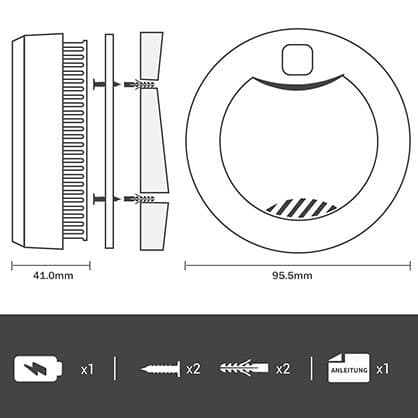
- Compact round design about 95.5 mm across, according to the bracket diagram
- Described as certified to EN 14604, the European standard for home smoke alarms
- Free delivery, and the seller names a registered company with a Singapore address
What we don't
- At $89 for one, it costs about three times a branded 10-year photoelectric alarm listed to UL 217
- No UL 217 listing shown, which US building codes and insurers usually expect
- The certification claims show no certificate numbers to check
- A test button and a mounting bracket kit are sold as add-ons, both basic parts of a smoke alarm
- Not interconnected, so an alarm in one room will not sound the others
- Refunds need a returns number first, and you pay return postage to an overseas seller
Sold by G Com Pte Ltd
SmokeSOS$89.00
How it works
Photoelectric smoke alarms contain a small chamber with a light source and a sensor set at an angle so the light normally misses it. When smoke particles drift into the chamber, they scatter the light onto the sensor, and the alarm sounds. This design responds well to the larger particles produced by slow, smouldering fires.
Mount it on the ceiling
Step 1: Fix the mounting plate to the ceiling with screws and wall plugs, ideally in the centre of a room or hallway, then twist the alarm onto it.
Light detects smoke
Step 2: Inside, a small light shines across a chamber. When smoke particles enter, they scatter the light onto a sensor, which triggers a loud alarm.
Test it monthly
Step 3: Press the test button once a month to check the alarm sounds, and replace the whole unit when it reaches the end of its rated life.
Who it's for
SmokeSOS suits someone outside the US who wants a European-standard 10-year alarm, has confirmed with support what comes in the box, and accepts paying more than for a branded alarm. In the US, most people are better served by a UL 217 listed alarm from a hardware shop.
- People outside the US who want a European-standard 10-year alarm and accept the price
- Buyers who have confirmed with support that the unit includes a working test button and mounting plate
- Anyone adding extra alarms beyond what their local code requires, where listing rules are less strict
Why SmokeSOS appeals
Fire safety is not something people want to get wrong. The page headline puts it plainly: "your house and family protection has no price". It promises a state-of-the-art photoelectric sensor, 10 years of 24/7 protection from its battery, suitability for homes, offices and warehouses, reliable protection certified by VdS, LPCB and EN 14604, and high-quality, eco-friendly, flame-retardant material.
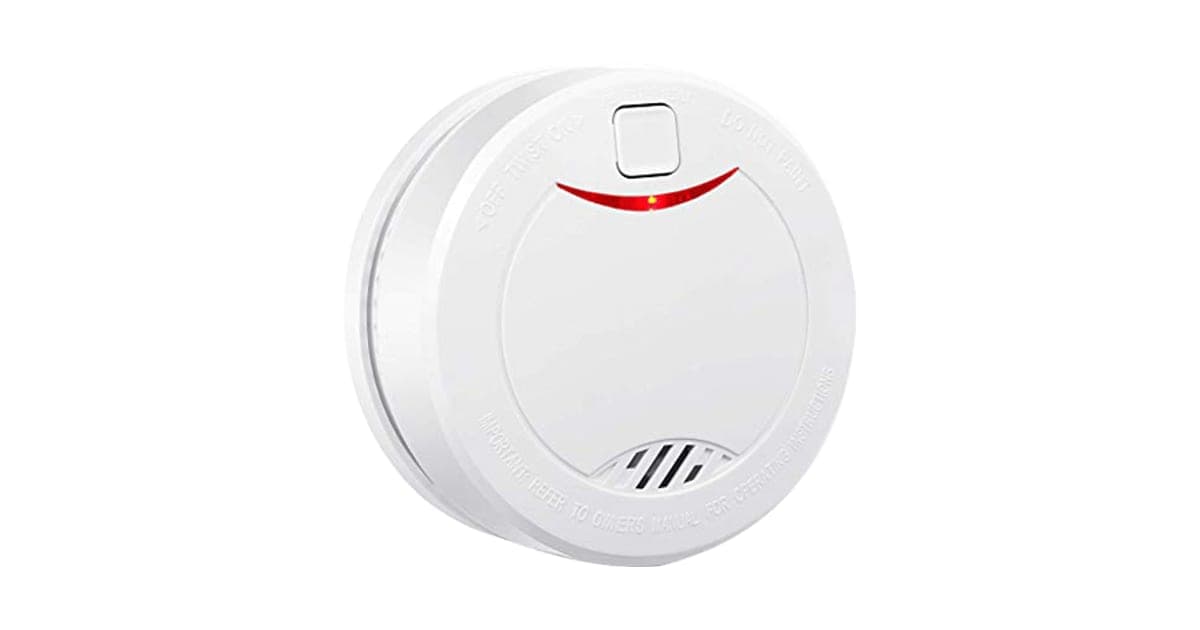
The alarm itself looks clean and modern: a white disc with a square button and a red light strip on top, and vent slots at the front.
Who gets the most value
Households that currently have no working smoke alarm gain the most from any working alarm. If someone has been putting off buying alarms and this page prompts them to act, that is a real benefit, though the same action at a hardware shop costs less.
People switching from 9-volt alarms
Older alarms with replaceable 9-volt batteries need a new battery every year and often end up disabled when the low-battery chirp starts at night. Moving to sealed 10-year alarms removes that annual job. The U.S. Fire Administration still advises yearly battery changes for alarms with replaceable 9-volt batteries.
Older homes
Many older homes have alarms well past their 10-year life, or none in bedrooms. Replacing old alarms with sealed 10-year units removes the need for yearly battery changes, which older residents may find difficult on a ladder.
Holiday homes and caravans
Second homes, holiday lets and caravans also need working smoke alarms. A sealed 10-year alarm suits places that are empty for long periods, because nobody needs to change batteries between visits. For lets, check the local rules on which standards apply.
Renters and landlords
In many places landlords must provide working smoke alarms that meet local standards. In the US, that usually means UL 217 listed alarms. A landlord fitting SmokeSOS should check it meets local requirements before relying on it.
Families with babies and young children
Children may sleep through an alarm, and young children cannot escape alone. Alarms inside and outside children's bedrooms, interconnected so they sound together, give adults the earliest warning. Practise your escape plan so older children know what to do, and plan who will collect babies and toddlers.
People living alone
For people who live alone, especially older adults, the alarm is the only thing that will wake them. Make sure there is an alarm in or right outside the bedroom, test it monthly, and consider a monitored alarm or a smart alarm that alerts a family member's phone.
Who should skip it
Skip SmokeSOS if you need UL 217 listed alarms for a US home, need interconnected alarms, or want the best value for a life-safety device.
- US homeowners and landlords who need UL 217 listed alarms for code compliance or insurance
- Homes that need interconnected alarms, so all sound together
- Price-conscious buyers, since branded 10-year photoelectric alarms cost far less
- Anyone who cannot verify the certification claims before relying on it
Is SmokeSOS certified, and does that matter where you live?
SmokeSOS claims certification by VdS, LPCB and to EN 14604, which are European approvals and standards, but gives no certificate numbers to check. In the US, home smoke alarms are normally listed by a recognised testing laboratory to UL 217, the US standard, and building codes and insurers expect that. The page does not mention UL 217. For a life-safety product, certifications you can verify matter.
What the offer page claims
The headline describes "Smoke alarm with 10-year battery life, VdS, EN14604 and CE certified smoke detector with intelligent fire alarm, photoelectric sensor". The six bullets are: your house and family protection has no price; state-of-the-art photoelectric sensor; 10 years of 24/7 protection battery life; suitable for the home, office, warehouse and more; reliable protection, certified by VdS, LPCB and EN 14604; and high quality material, eco-friendly and flame retardant.
EN 14604
EN 14604 is the European standard for home smoke alarm devices. Alarms sold in the EU and UK are generally expected to meet it, and certified alarms usually carry a mark from the certifying body and a certificate number on the product or packaging.
What an EN 14604 mark looks like
Alarms certified to EN 14604 by an independent body usually show that body's mark and a certificate number on the alarm or its box, alongside the standard number. If an alarm only shows "EN 14604" with no mark or number, you cannot easily tell who tested it. Ask the seller for the certificate before relying on the claim.
VdS and LPCB
VdS is a German certification body widely recognised for fire safety products, and LPCB is a UK certification scheme. Both publish listings of certified products. The page does not give listing numbers, so you cannot check them before buying. What to do: ask support for the certificate numbers and check them on the certifiers' websites.
What the certifiers check
Certification bodies test a sample of the alarm and inspect the factory that makes it, so that production units match the tested design. Ongoing factory checks are a key part of what a listing mark means. A one-off test of a prototype, or a claim with no certificate, does not give the same assurance that the alarm in your box performs the same way.
UL 217 for US homes
In the US, smoke alarms are tested to UL 217. UL explains in its summary of UL 217 requirements that recent editions added tests for smouldering and flaming polyurethane foam fires and a cooking nuisance test, so alarms better tell real fires from cooking smoke. An alarm made for the European market may not have been tested to these requirements.
Why verification matters for safety products
With most gadgets, an unverified claim means you might be disappointed. With a smoke alarm, it could mean an alarm that does not sound when you need it. That is why recognised listing marks and certificate numbers exist: they let anyone check that a specific model passed independent tests. A safety product should make that easy, not leave buyers to take it on trust.
Signs it was made for Europe
The mounting bracket diagram on the page shows an instruction leaflet icon labelled "Anleitung", German for instructions, and the claimed approvals are European. That suggests the alarm was designed for the European market, where EN 14604 applies, rather than for US homes.
"Suitable for office and warehouse"
Commercial buildings usually need fire detection systems designed to commercial standards and installed by professionals, not standalone home alarms. A home smoke alarm can add early warning in a small office, but it is not a substitute for a required fire alarm system.
CE marking
The headline mentions CE. CE marking is the manufacturer's declaration that a product meets EU requirements. It is not an independent certification in itself, and it is not a substitute for a certification body's approval of a smoke alarm to EN 14604.
"Flame retardant"
Flame-retardant housing is standard for smoke alarms. It means the plastic resists burning, not that the alarm survives a fire.
Is the SmokeSOS photoelectric sensor and 10-year battery a good choice?
Yes, the type of alarm is a good choice. The U.S. Fire Administration advises having both ionization and photoelectric alarms, or dual-sensor alarms, to cover different kinds of fire, and recommends replacing alarms every 10 years. A sealed 10-year photoelectric alarm avoids yearly battery changes. The issue with SmokeSOS is not the type, but the price and the lack of verifiable listing.
Photoelectric versus ionization
Photoelectric alarms respond well to smouldering fires, which produce lots of visible smoke, such as a cigarette in a sofa. Ionization alarms respond faster to fast, flaming fires with smaller particles. The U.S. Fire Administration's smoke alarm guidance recommends having both types or dual-sensor alarms in the home.
The 10-year battery
A sealed lithium battery designed to last the alarm's lifetime means you never change batteries, and nobody can borrow the battery for a remote control. When the alarm reaches the end of its life, you replace the whole unit. The page does not say whether the battery is sealed, only that it lasts 10 years.
Why 10 years
Smoke sensors gradually become less sensitive as dust, insects and age affect the chamber and electronics. Manufacturers and fire services set a 10-year replacement to keep sensitivity reliable. A sealed battery sized to match that lifespan means the alarm and battery reach the end of their life together.
End-of-life warnings
Good 10-year alarms chirp or flash to warn you when they reach the end of their life. The page does not mention an end-of-life warning. Write the installation date on the alarm so you know when to replace it.
Battery type and shipping
Sealed 10-year alarms usually use lithium cells, which have shipping rules of their own. When an alarm reaches the end of its life, many sealed models have a way to deactivate the battery before disposal. Follow the leaflet, and recycle old alarms at an electronics collection point rather than putting them in household waste.
Hush button
Many alarms have a hush or silence button to quieten a false alarm from cooking for a few minutes. The page does not mention one. The square button on top in the photo may be a test or hush button.
Sensitivity and false alarms
A smoke alarm must be sensitive enough to catch real fires early, but not so sensitive that it goes off every time someone makes toast. Standards set tests for both. Without a verifiable listing, you cannot know how SmokeSOS balances the two. If false alarms are frequent where you fit it, move it rather than disabling it.
Interconnection
Interconnected alarms sound together, so a fire in the basement wakes people upstairs. The U.S. Fire Administration recommends interconnected alarms. SmokeSOS does not mention wireless or wired interconnection, so expect it to sound only where it is.
Smoke alarms and cooking
Photoelectric alarms are generally less prone to false alarms from toast and frying than ionization alarms, though steam can still set them off. UL 217's newer cooking nuisance test aims to reduce false alarms further. Fewer false alarms matter because people often disable alarms that go off too often, which leaves them unprotected.
Heat alarms for kitchens
Smoke alarms are not recommended right next to kitchens because of cooking smoke. Heat alarms, which respond to a rapid rise in temperature, are often used in kitchens and garages instead. They complement smoke alarms rather than replacing them.
How loud is it?
Smoke alarms usually sound at around 85 decibels at a set distance, loud enough to wake most people. The page gives no volume. People who are hard of hearing may need alarms with strobe lights or bed shakers.
How much does SmokeSOS cost compared with branded alarms?
On 4 October 2026, with the United States selected, one SmokeSOS cost $89, shown as half of $178, with free delivery. The five-pack for $267 was preselected. A retailer listed a Kidde 10-year sealed-battery photoelectric alarm from about $29. The page code sells a functional test button for $14 and a mounting bracket kit for $9, both normal parts of a smoke alarm, plus a $4 car charger.
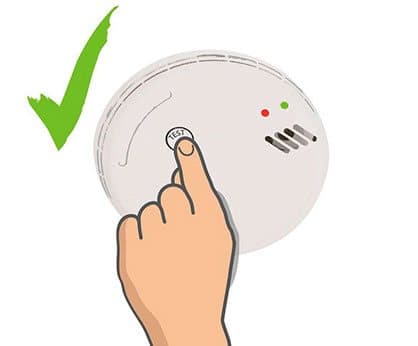
The $14 Functional Test Button add-on image, which shows a different alarm
The $4 Fast Car Charger add-on
SmokeSOS price and bundles
| Package | Total | Per alarm |
|---|---|---|
| 1 SmokeSOS | $89 | $89.00 |
| 2 SmokeSOS | $139 | $69.50 |
| Buy 2, get 1 free (3) | $177 | $59.00 |
| 4 SmokeSOS | $219 | $54.75 |
| Buy 3, get 2 free (5), preselected | $267 | $53.40 |
Most homes need several alarms: one in each bedroom, outside sleeping areas and on every level. That is one case where a multi-pack makes sense, but the per-alarm price is still higher than branded alternatives. You can check today's packages on the SmokeSOS order page (opens G Com Pte Ltd in a new tab).
What a branded alternative costs
A safety supplier listed the Kidde 10-year sealed-battery photoelectric smoke alarm from about $29, with UL 217 listing. That is roughly a third of SmokeSOS's single price.
The add-ons
- Functional Test Button: $14 (from $29). The image shows a finger pressing a test button on a different alarm. Every smoke alarm should have a test button; the photo of SmokeSOS shows a square button on top. Ask what this add-on is.
- Mounting Bracket Kit: $9 (from $19). The image is a technical drawing of the alarm and mounting plate with screws and wall plugs. Ask whether a mounting plate comes with the alarm.
- Fast Car Charger: $4 (from $9). A USB car charger, unrelated to smoke alarms.
Working out how many alarms you need
Count bedrooms, landings and hallways outside sleeping areas, and each level of the home, including basements. A typical three-bedroom, two-storey house may need five or more alarms. At $53.40 each in the five-pack, SmokeSOS would cost $267; branded 10-year photoelectric alarms for the same home cost much less.
Free alarms from fire services
Many fire departments and fire and rescue services offer free smoke alarms and home safety visits, particularly for older people, people with disabilities and low-income households. The U.S. Fire Administration notes some fire departments install alarms free. It is worth checking before you buy any alarm.
The "regular price"
The page shows $178 crossed out next to $89 with a countdown. We found no evidence of SmokeSOS selling at $178.
Who sells it
The order page and impressum name G Com Pte Ltd, at 137 Market Street in Singapore, with a company registration number, email and phone number. The footer says "G Com Pte Ltd - Hong Kong". We found no independent rating profile for the store. With the United States selected, the order page said charges would appear as perfectchoicebase.com, shown in capitals.

SmokeSOSScore 3.8/10
Best for: People outside the US who want a European-standard 10-year alarm and accept the price
$89.00 at G Com Pte Ltd · Price checked October 4, 2026
Check price at G Com Pte Ltd (opens G Com Pte Ltd in a new tab)We may earn a commission if you buy through our links.
Is SmokeSOS better than a branded alarm from a hardware shop?
No. Branded 10-year photoelectric or dual-sensor alarms listed to UL 217, or certified to EN 14604 in Europe, cost far less, are easy to verify and often offer interconnection, hush buttons and end-of-life warnings. SmokeSOS's only advantages are free delivery and one order. For a device that protects lives, verified listing and a lower price clearly win.
| Option | Sensor | Battery | Listing shown | Interconnect | Price |
|---|---|---|---|---|---|
| SmokeSOS | Photoelectric | 10-year claimed | VdS, LPCB, EN 14604 claimed; no numbers | Not stated | $89 |
| Kidde 10-year photoelectric | Photoelectric | 10-year sealed | UL 217 | Model-dependent | From about $29 |
| Dual-sensor 10-year alarm | Photoelectric and ionization | 10-year sealed | UL 217 | Model-dependent | Usually more |
| Interconnected alarm set | Varies | Varies | UL 217 or EN 14604 | Yes | Varies |
SmokeSOS vs a Kidde or First Alert 10-year alarm
Branded 10-year alarms from established makers carry clear UL 217 listing, end-of-life warnings and support. At about a third of the price, they are the obvious choice in the US. This is a clear case where a rival wins.
What to look for in any smoke alarm
Look for a recognised listing mark with a model you can check, UL 217 in the US or EN 14604 with a certification body's mark in Europe, a sealed 10-year battery or hardwired power with backup, a test and hush button, an end-of-life warning and the option to interconnect. Clear instructions in your language matter too. A good alarm makes all of this easy to confirm on the box.
SmokeSOS vs dual-sensor alarms
Dual-sensor alarms combine photoelectric and ionization sensors to detect both smouldering and fast-flaming fires, which the U.S. Fire Administration recommends as one option. They cost more than single-sensor alarms, but cover both fire types.
SmokeSOS vs a monitored alarm system
Monitored systems connect smoke detectors to a central station that calls the fire service. They cost more and usually have a monthly fee, but they summon help even when nobody is home. For people who are often away, or older relatives living alone, monitoring adds a layer that a standalone alarm cannot.
SmokeSOS vs interconnected alarms
Interconnected alarms, wired or wireless, sound together throughout the home. In larger homes and multi-storey houses, they give everyone more time to escape. Many codes require interconnection in new builds.
Smart smoke alarms
Smart alarms connect to Wi-Fi and send alerts to your phone when they sound, which is useful if you are away or if an older relative lives alone. They cost more and need setting up, but some also interconnect wirelessly. Check for UL 217 listing on any smart alarm, just as with a standard one.
Carbon monoxide alarms
Smoke alarms do not detect carbon monoxide, an invisible, odourless gas from faulty boilers, heaters and fires. Homes with fuel-burning appliances or attached garages need separate carbon monoxide alarms or combined smoke and CO alarms. SmokeSOS is smoke only.
Other fire and home safety gear we have reviewed
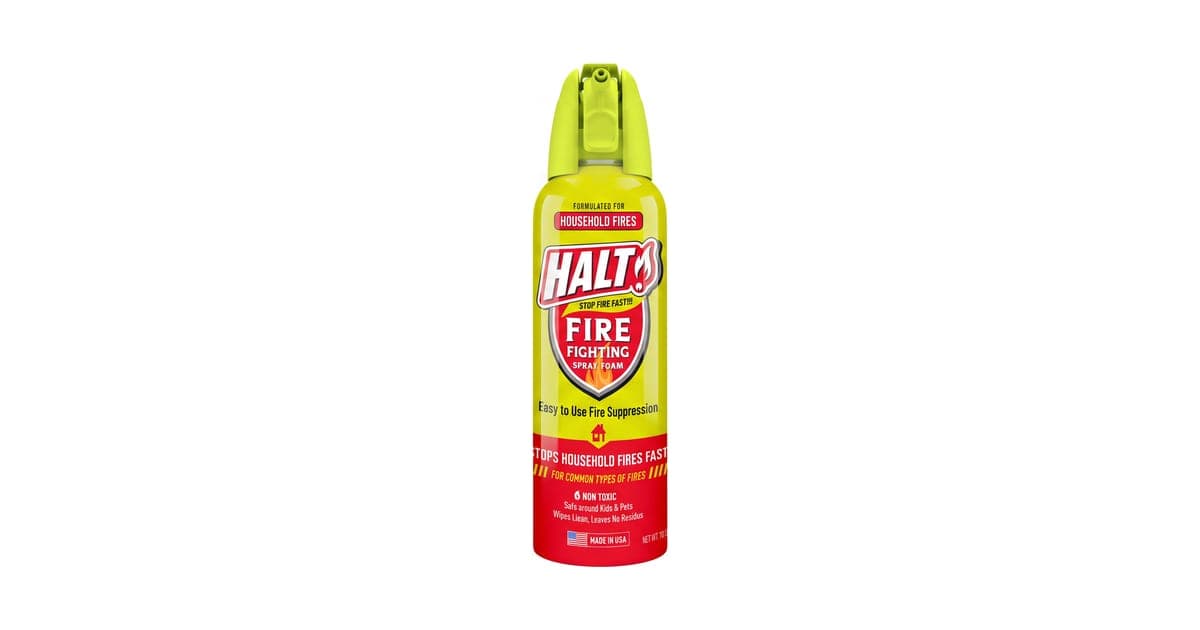
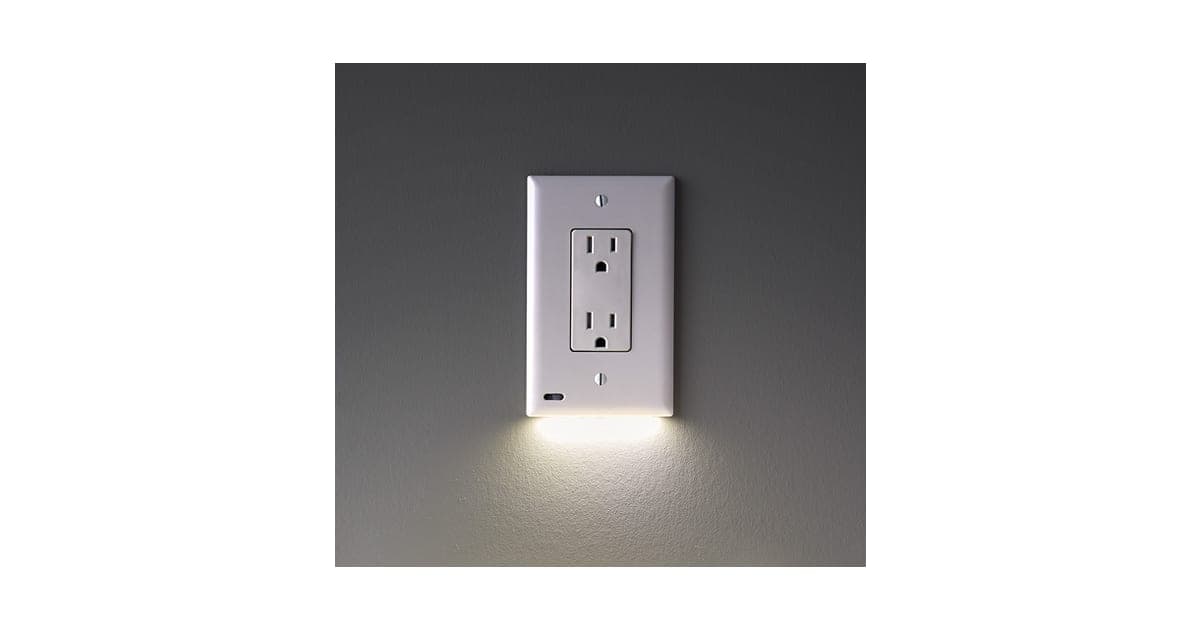
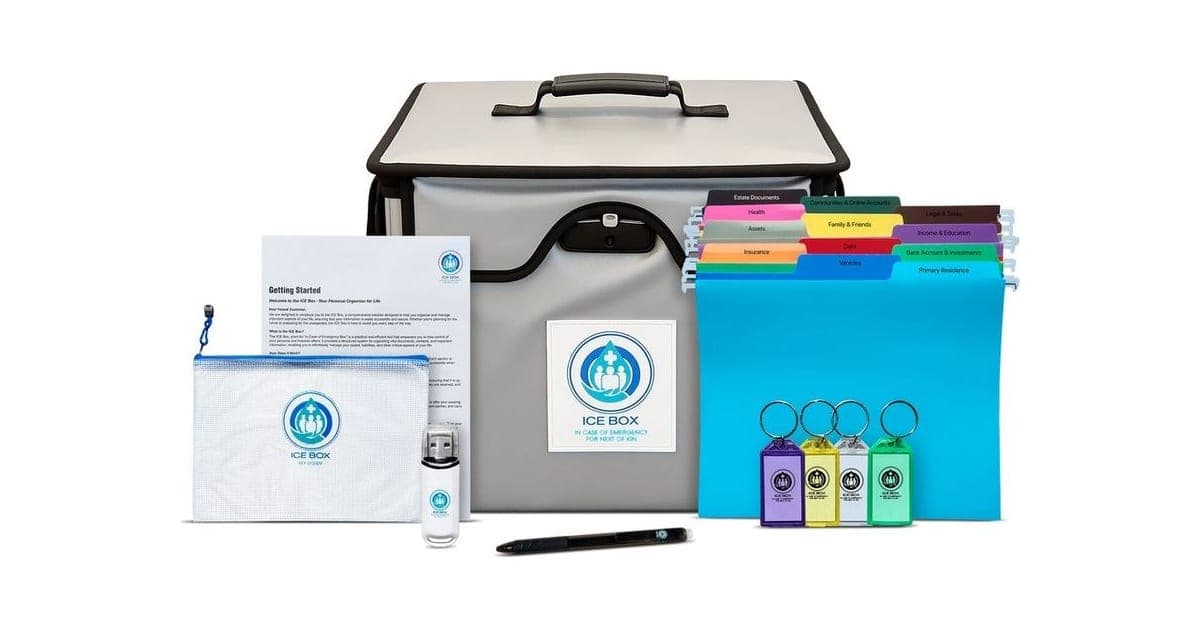
Our HALT Fire review covers a fire extinguisher spray and its limits, our GuideLight review a night light, and our ICE Box review a home organiser for important documents. Browse more household gadget reviews.
If you still want SmokeSOS, for example outside the US with verified certification, check today's packages on the SmokeSOS offer page (opens G Com Pte Ltd in a new tab).
SmokeSOSScore 3.8/10
Why people buy it: Photoelectric sensor, the type that responds well to slow, smouldering fires
$89.00 at G Com Pte Ltd · Price checked October 4, 2026
Check price at G Com Pte Ltd (opens G Com Pte Ltd in a new tab)We may earn a commission if you buy through our links.
Is SmokeSOS legit, and what should you check before buying?
SmokeSOS is a real product from a named seller, and an alarm should arrive if you order. Before buying, ask for certificate numbers and check them, confirm what comes in the box, consider whether you need UL 217 listing or interconnection, change the preselected five-pack if needed, and know that refunds need a returns number and that return postage is yours to pay.
Ask for certificate numbers
What to do: email support for the VdS, LPCB and EN 14604 certificate numbers, and check them on the certifiers' websites before relying on the alarm.
Check local requirements
What to do: in the US, check whether your local code or insurer requires UL 217 listed alarms. Landlords should check rental regulations.
Confirm what is in the box
What to do: ask whether the alarm includes a test button, mounting plate, screws and wall plugs, and whether the battery is sealed. Do not pay for add-ons that should be standard.
Check the selected bundle
The five-pack for $267 was preselected. What to do: choose the number of alarms your home needs.
Membership offers
The page code contains text for a "Gadget Discount Club" membership, free for 30 days and then "a small fee of $9 may apply". We did not see it on the order page with the United States selected. What to do: read every checkbox and post-purchase page.
Refunds and returns
The page code promises a 30-day guarantee with a full refund or replacement, less shipping and handling. The terms focus on defective or damaged products, which may be returned within two years once you have a returns number. Return postage is at your cost and is not reimbursed.
What to do: test each alarm as soon as it arrives, and contact support straight away if any fails.
Check the manufacture date
Even a new alarm has a manufacture date, and the 10-year clock starts from it. An alarm that has sat in a warehouse for a long time will reach its end of life sooner. What to do: look for the manufacture date on the back of each alarm when it arrives, and ask support if it is more than a year or two old.
Do not leave a gap in protection
What to do: keep your existing working alarms in place until new ones are fitted and tested, so your home is never without protection.
Check the dimensions and fixings
The bracket drawing shows the alarm at 41 mm deep and 95.5 mm across, with two screws and two wall plugs. What to do: check your ceiling type. Plasterboard needs suitable fixings, and some ceilings need a stud or a different plug.
Keep the instructions
What to do: keep the instructions somewhere safe. If they arrive in German only, as the "Anleitung" icon suggests, ask support for an English version so you know how to test, hush and replace the alarm.
How to buy SmokeSOS the smart way
- Ask support for certificate numbers and the box contents.
- Open the SmokeSOS order page (opens G Com Pte Ltd in a new tab) and select your country.
- Choose the number of alarms your home needs.
- Skip the test button and bracket add-ons unless support confirms they are missing from the box.
- Note the card statement name, perfectchoicebase.com, and save your order email.
- Test every alarm on the day it arrives.
How did we score SmokeSOS?
SmokeSOS scores 3.8 out of 10: claim accuracy 0.6, build durability 1.1, price competitiveness 0.4, usability 1.2 and owner satisfaction 0.5, each out of 2. The photoelectric 10-year design is sound, but certifications cannot be checked, there is no UL 217 listing for US homes, basic parts are sold as extras, and branded alarms cost about a third as much.
What owners say
We found no Trustpilot profile for the gadgetxaura.com store and no independent retailer reviews for SmokeSOS. Owners of similar compact European 10-year alarms elsewhere often like their small size and battery life, and occasionally report false alarms near kitchens or bathrooms.
How the score breaks down
We use the five criteria on our how we test page, each out of 2.
| Criterion | Score | Why |
|---|---|---|
| Claim accuracy | 0.6 / 2 | Certifications claimed without numbers; no UL 217 for US homes |
| Build durability | 1.1 / 2 | 10-year design; build quality unverified |
| Price competitiveness | 0.4 / 2 | About three times a branded 10-year photoelectric alarm; basic parts extra |
| Usability | 1.2 / 2 | Simple, no yearly battery changes |
| Owner satisfaction | 0.5 / 2 | No independent ratings for this product |
| Total | 3.8 / 10 |
What we did, and did not, do
Nobody on our team has used SmokeSOS. We read the offer page our link opens with the United States selected, its code and the seller's terms on 4 October 2026, along with the U.S. Fire Administration's smoke alarm guidance, UL's summary of UL 217, a retailer listing for a branded 10-year alarm and the top-ranking SmokeSOS pages.
How to use SmokeSOS: placement, testing and replacement
Fit alarms inside and outside bedrooms and on every level, on the ceiling away from kitchens and bathrooms, test them monthly and replace them every 10 years. Make a fire escape plan with two ways out of every room, and practise it. The U.S. Fire Administration warns you may have less than two minutes to get out once an alarm sounds.
- Plan placement. Inside each bedroom, outside sleeping areas and on every level, including the basement.
- Mount on the ceiling. Away from walls, corners and air vents, and at least a few metres from cookers.
- Avoid bathrooms and kitchens. Steam and cooking smoke cause false alarms.
- Write the date on it. Note the installation date so you know when to replace it.
- Test monthly. Press the test button until it sounds.
- Vacuum gently. Clean the vents with a soft brush attachment every few months.
- Replace at 10 years. Or sooner if it fails a test or signals end of life.
Fitting alarms safely
Use a stable stepladder, not a chair, and have someone hold it. Mark the fixing holes using the mounting plate as a template, check for hidden cables and pipes before drilling, and wear eye protection against dust. If you are unsure, many fire services and handypersons offer fitting help.
Checking alarms for older relatives
If an older relative lives alone, offer to test their alarms monthly when you visit or call. Many older people cannot safely climb a step stool to press a test button on the ceiling. Some alarms can be tested with a broom handle; others have remote test features.
Making an escape plan
Draw a plan of your home with two ways out of every room, agree a meeting point outside and practise with everyone, including children. Check windows open easily. A smoke alarm only helps if everyone knows what to do when it sounds.
If it sounds while cooking
Open a window, fan the smoke away and use the hush button if it has one. Never remove the battery or cover the alarm. If false alarms are frequent, move the alarm further from the kitchen.
People who are hard of hearing
Standard alarms may not wake people with hearing loss. Specialist alarms with strobe lights and bed or pillow shakers are available. Some fire services provide them free.
Testing with smoke
The test button checks the alarm's horn and electronics. Some people also test with a can of smoke alarm test aerosol, designed for the purpose, which checks the sensor. Never use a flame or burning material to test an alarm.
Where not to fit an alarm
Avoid fitting alarms close to cookers, toasters, bathroom doors, fireplaces, ceiling fans and air vents, which can cause false alarms or blow smoke away from the sensor. Avoid the dead air space where walls meet ceilings. Follow the leaflet's guidance on distances.
Teaching children the sound
Press the test button with children present so they know what the alarm sounds like and what to do. Children who have heard the alarm in a calm moment are more likely to respond quickly in a real emergency.
Keeping alarms clean
Dust and cobwebs in the vents can cause false alarms or slow detection. Every few months, gently vacuum around the vents with a soft brush attachment. Do not paint over an alarm or cover it with decorations.
Recording your alarms
Keep a simple list of each alarm's location, manufacture date and installation date, on paper or in your phone. Add a monthly reminder to test them and a reminder for the replacement year. It takes a few minutes and makes it far less likely that an alarm quietly stops working.
Share the list with everyone in the household, so whoever is home when an alarm chirps knows how old it is and whether it needs replacing. Put a copy near the fuse box or with your home documents, where it is easy to find.
When you move home
Check the alarms in a new home on moving day: test each one, look for the manufacture date and replace any older than 10 years. Fit alarms where there are none.
If it chirps
A regular chirp usually means a low battery or end of life. With a sealed 10-year alarm, replace the whole unit.
Other questions about smoke alarms
How many smoke alarms does a home need? The U.S. Fire Administration advises alarms inside and outside bedrooms and on every level. Larger homes need more, and interconnection helps everyone hear an alarm wherever it starts.
Do smoke alarms expire? Yes. Sensors degrade over time, which is why replacing the whole alarm every 10 years from the date of manufacture is recommended, even if it still sounds when tested.
Can I fit a smoke alarm on a wall? Ceilings are best because smoke rises, but high on a wall is acceptable following the manufacturer's guidance. Keep away from corners where air does not circulate.
Should I choose photoelectric or ionization? Each responds better to different fires. The U.S. Fire Administration suggests having both, or dual-sensor alarms. Photoelectric alarms are often chosen near kitchens because they give fewer cooking false alarms.
Are hardwired alarms better? Hardwired alarms with battery backup can be interconnected and do not rely only on a battery. They usually need an electrician to install. Sealed 10-year battery alarms are easier to fit and still very effective.
What should I do if an alarm goes off at night? Get out, stay out and call the fire service from outside. Do not stop to collect belongings or investigate. Close doors behind you to slow the fire.
SmokeSOSScore 3.8/10
Before you buy: Check the final price, shipping and return terms at checkout.
$89.00 at G Com Pte Ltd · Price checked October 4, 2026
Check price at G Com Pte Ltd (opens G Com Pte Ltd in a new tab)We may earn a commission if you buy through our links.
Frequently asked questions
Is SmokeSOS a good smoke alarm?
It may work well, but you cannot verify it from the page. It claims a photoelectric sensor, a 10-year battery and European certifications, without certificate numbers. Branded 10-year photoelectric alarms listed to UL 217, the US standard, cost about a third of the price and are easy to check.
Is SmokeSOS UL listed?
The page does not mention UL 217, the US standard for smoke alarms. It cites VdS, LPCB and EN 14604, which are European approvals and standards. In the US, building codes and many insurers expect alarms listed by a recognised testing laboratory to UL 217.
What is EN 14604?
EN 14604 is the European standard for smoke alarm devices for homes. Alarms sold in the EU and UK are expected to meet it, usually shown with a certification mark and number. The SmokeSOS page claims EN 14604 certification but gives no certificate details to check.
How much does SmokeSOS cost?
With the United States selected on 4 October 2026, the offer page listed one SmokeSOS for $89, two for $139, three for $177, four for $219 and five for $267. The five-pack was preselected. Delivery was listed as free, and a 3-year warranty add-on cost $14.
How often should I test a smoke alarm?
The U.S. Fire Administration advises testing smoke alarms monthly and replacing the whole unit every 10 years from the date of manufacture. Press and hold the test button until the alarm sounds. If it does not sound, replace it.
Where should I put smoke alarms?
The U.S. Fire Administration advises alarms inside and outside bedrooms and on every level of the home, on ceilings or high on walls, and recommends interconnected alarms so all sound together. Keep them away from kitchens and bathrooms to reduce false alarms.
Is SmokeSOS legit?
It is a real product sold by G Com Pte Ltd, which lists a Singapore address, company number, email and phone. The concerns are the high price, unverifiable certifications, no UL 217 listing for US homes, basic parts sold as add-ons and refund terms that leave return postage to you.
We may earn a commission if you buy through our links.
Prices accurate as of October 4, 2026. Check the seller's checkout for current pricing, promotions and terms.
What we checked: No hands-on use. Claims, photos, prices with the United States selected, the preselected bundle, add-ons and their images, warranty and card statement name from the SmokeSOS offer page our link opens (gadgetxaura.com) on 2026-10-04, plus the bundle and add-on data in the page's own code. Refund and cancellation terms from the same site's terms page that day. The U.S. Fire Administration's smoke alarm guidance, UL's summary of UL 217 requirements, a retailer listing for a Kidde 10-year sealed photoelectric alarm and the top-ranking SmokeSOS pages were read the same day.

About the author
Alex Carter, Senior Tech Reviewer
Alex Carter is the senior tech reviewer at Top10Gadgets, covering the everyday gadgets, home and kitchen devices, smart home products and accessories most people actually buy. Alex judges a product the way a normal buyer…
- Everyday gadgets and accessories
- Smart home devices
- Home and kitchen gadgets
- Value for money
- Long-term reliability
Writing for Top10Gadgets since 2026Full profile