Tech & Gadgets / Rechargeable batteries
Zithion-X Review: COAST's 1.5V USB-C Rechargeable Lithium AA Batteries, How They Compare With Alkaline and NiMH, and Where the Claims Stretch
USB-C rechargeable lithium AA batteries from Coast that hold a steady 1.5 volts. Good for high-drain devices, but '4.7x longer' depends on the device, and steady voltage can hide low-battery warnings.

By Ryan Mitchell, Consumer Technology Writer at Top10Gadgets
Updated 26 min readHow we test
Quick answer
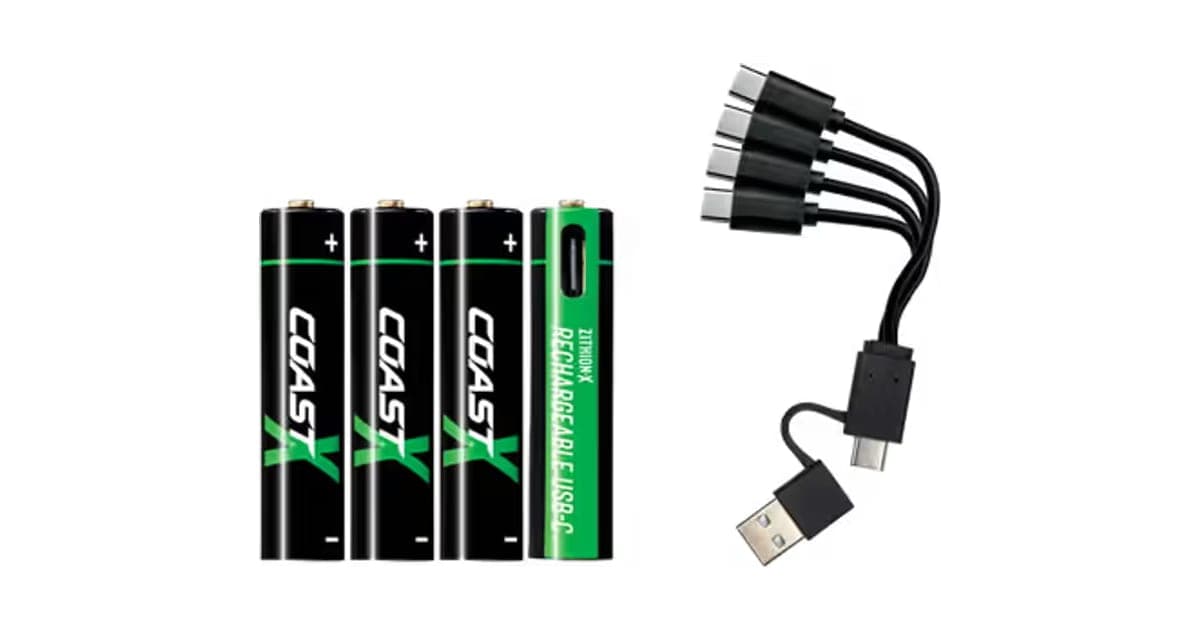
Yes, if you go through AA batteries in flashlights, game controllers, toys or tools and want to stop buying disposables. Zithion-X batteries are Coast lithium AAs that hold a steady 1.5 volts and charge by USB-C, and this offer's $29.99 for four undercuts other retailers. "4.7x longer" depends on the device, steady voltage can hide low-battery warnings, and they are not ideal for smoke alarms.
Score 6.4/10$29.99 at COAST
Check price at COAST (opens COAST in a new tab)We may earn a commission if you buy through our links.
- Best for
- Households that burn through AAs in flashlights, controllers, toys and remotes
- Not for
- Anyone using smoke alarms or medical devices that rely on low-battery warnings
$29.99 at COAST
Check price at COAST (opens COAST in a new tab)We may earn a commission if you buy through our links.
On this page · 13 sections
- 01Our verdict
- 02The short version
- 03Pros & cons
- 04How it works
- 05Who it's for
- 06Do Zithion-X batteries really last 4.7 times longer?
- 07Are Zithion-X's other claims accurate?
- 08How much do Zithion-X batteries cost, and what are the return terms?
- 09Are Zithion-X better than alkaline, NiMH or other USB-C lithium AAs?
- 10Is Zithion-X legit, and what should you check before buying?
- 11How did we score Zithion-X?
- 12How to use Zithion-X batteries for the best results
- 13Frequently asked questions
Our verdict
Yes, if you go through AA batteries in flashlights, game controllers, toys or tools and want to stop buying disposables. Zithion-X batteries are Coast lithium AAs that hold a steady 1.5 volts and charge by USB-C, and this offer's $29.99 for four undercuts other retailers. "4.7x longer" depends on the device, steady voltage can hide low-battery warnings, and they are not ideal for smoke alarms. Zithion-X scores 6.4 out of 10, held back by overstated runtime claims and device caveats.
The short version
- What it is: Coast 1.5V lithium-ion AA batteries with a USB-C port on each cell.
- Price: $29.99 for four on 4 October 2026, or about $4.50 each in the twenty-pack.
- Best trait: steady power in high-drain devices, with easy USB-C charging.
- Biggest drawback: devices may cut out without a low-battery warning.
- Our score: 6.4 out of 10.
Pros & cons
The pros come from the lithium chemistry, USB-C charging and price. The cons are about inflated comparisons, device compatibility quirks and return terms.
What we like
- Steady 1.5V output suits high-drain devices like flashlights and controllers
- Each cell charges by USB-C; a four-way cable and storage case are included
- 2,400 mAh lithium cells rated for up to 1,000 charges, per retailer listings
- $29.99 for four, below other retailers' prices for the same COAST pack
- Charge indicator light and built-in overcharge protection
What we don't
- '4.7x longer than standard batteries' depends on the device; gains are smaller in low-drain gadgets
- Steady voltage means many devices will not warn you before the battery cuts out
- Cannot be charged in ordinary NiMH chargers
- Returns counted from shipment, with shipping costs deducted
Sold by COAST
ZITHION-X Rechargeable Batteries$29.99
How it works
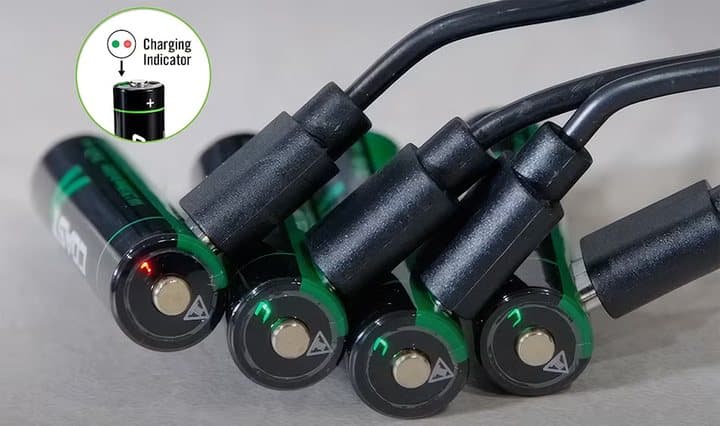
Each Zithion-X battery contains a lithium-ion cell, which naturally runs at about 3.7 volts, plus a small circuit that steps the output down to a steady 1.5 volts, the voltage AA devices expect. A USB-C port in the top of each battery charges the cell, with an indicator light showing progress. Protection circuitry guards against overcharging, short circuits and overheating, according to the page.
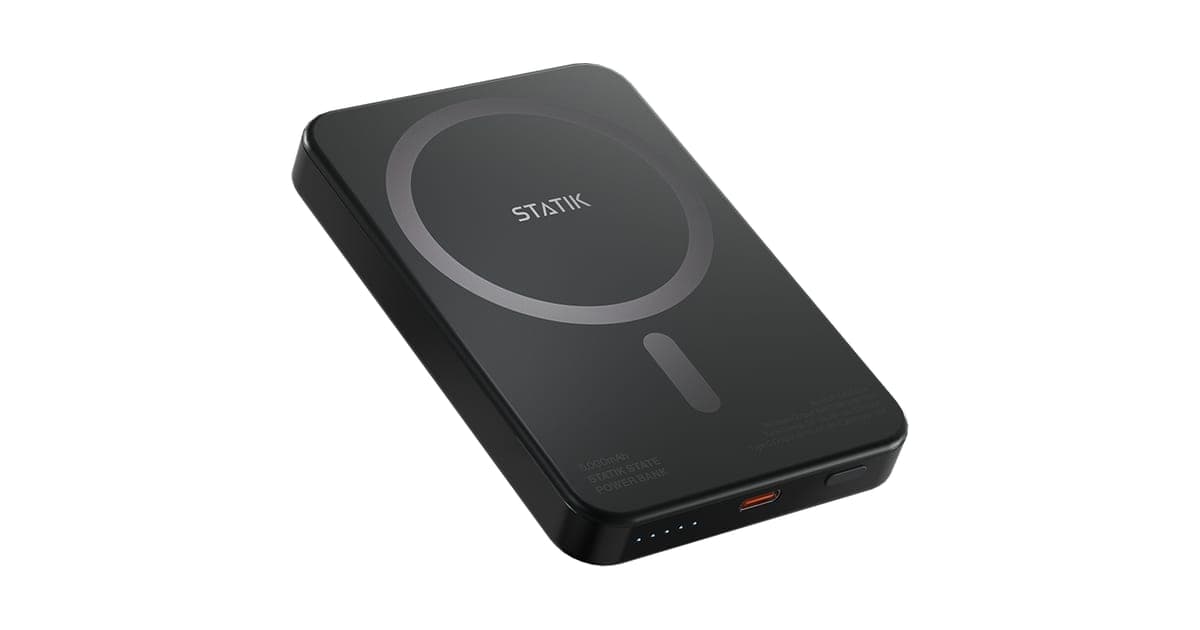
Retailer listings describe the AA version as 2,400 mAh, rated for up to 1,000 charges, with a 2.5-hour charge time. The kit includes four batteries, a four-way USB-C cable and a storage case. For portable power of a different kind, see our Statik State power bank review.
Charge them by USB-C
Step 1: Plug the included four-way USB-C cable into the batteries and a USB power source. Each cell shows a light while charging, and a full charge takes about 2.5 hours, according to the page.
Use them like normal AAs
Step 2: Put them in any AA device. A built-in circuit holds the output at a steady 1.5 volts until the cell is nearly empty.
Recharge when they stop
Step 3: When a device stops working, recharge the set. Store spares in the included case.
Lithium vs alkaline vs NiMH
Alkaline AAs start at 1.5 volts and fade steadily as they drain. NiMH rechargeables sit around 1.2 volts. Regulated lithium cells like Zithion-X hold 1.5 volts almost to the end, then stop. That steady voltage keeps flashlights bright and motors strong.
Why regulated lithium AAs exist
Ordinary lithium-ion cells run at 3.6 to 3.7 volts, far too high for AA devices. Adding a tiny voltage regulator inside the battery case lets them stand in for alkalines. That circuit also takes up space, which is why capacities are lower than raw lithium cells of the same size.
What the photos show
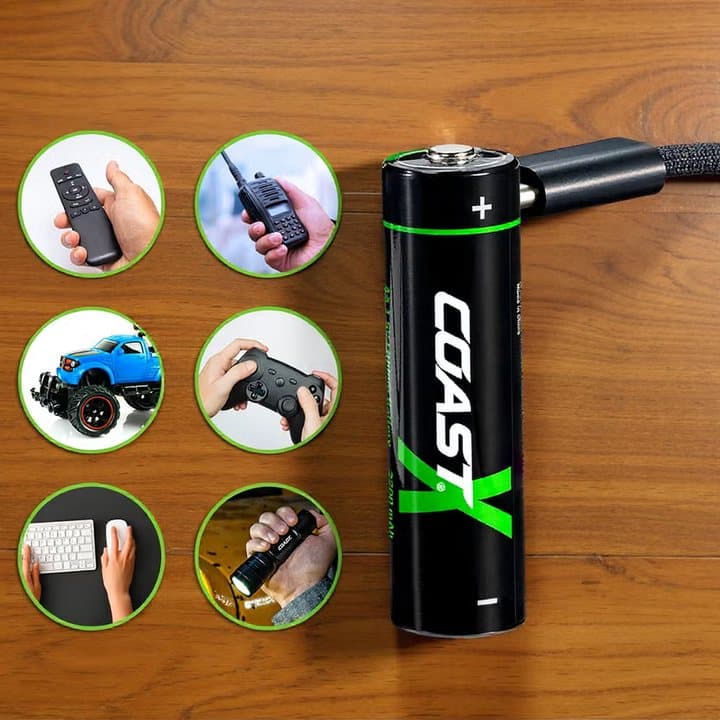
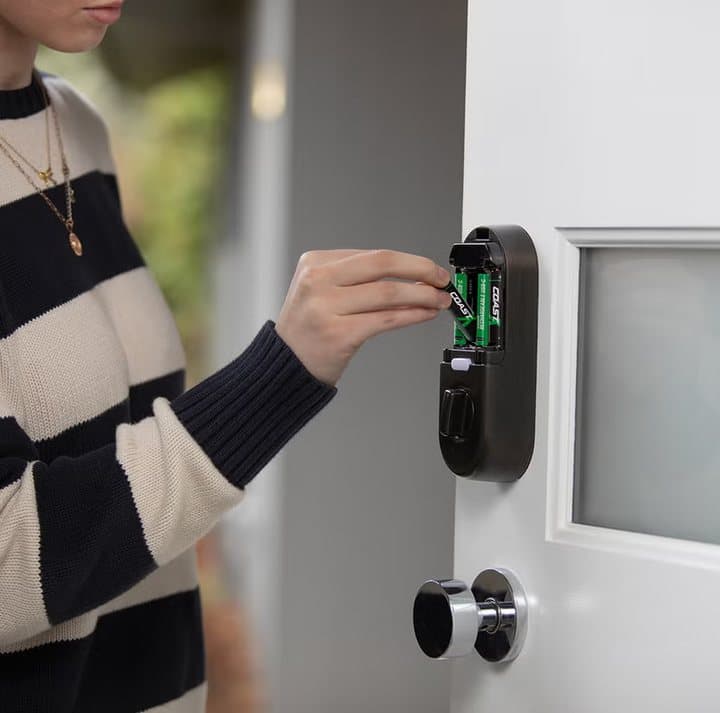
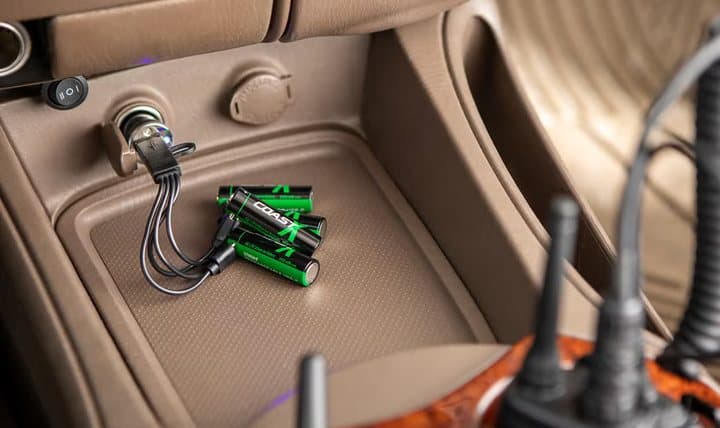
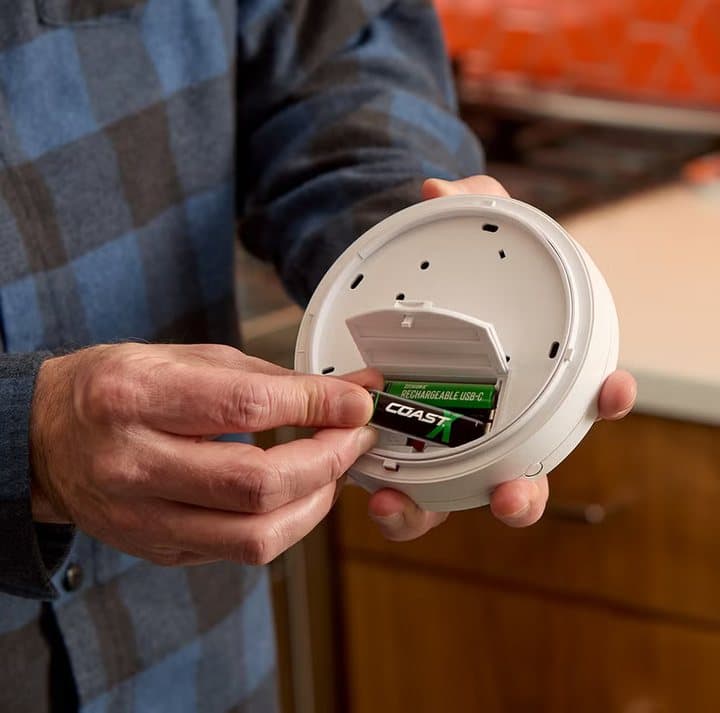
The page shows the batteries charging with the four-way cable, a battery beside device icons, people loading them into a lantern, a smart lock and a smoke alarm, and charging from a car's USB port. The product shots match the Coast branding sold elsewhere.
Why Coast makes batteries
Flashlight makers care about runtime and brightness, which depend heavily on batteries. Coast selling its own rechargeable AAs lets it promise steady output in its lights and others.
Why high-drain devices benefit most
Alkaline batteries lose a lot of their usable capacity under heavy current, such as in flashlights, camera flashes and motorised toys. Lithium cells deliver their capacity more evenly. That is where big runtime gains come from.
The four-way cable
The included cable splits from one USB plug into four USB-C plugs, so a single USB power source charges a full set. The photos show a USB-A plug with a USB-C adapter, so it works with older and newer chargers.
Charging from anywhere
Because each cell has a USB-C port, you can charge from a wall adapter, laptop, power bank or car port, as the page shows. That is handy on trips where carrying a separate charger is a nuisance.
Charging time per cell
The 2.5-hour figure is for a full charge from empty. Topping up partly used cells takes less time. Charging all four at once through the split cable takes about the same time as one, since each cell charges independently.
Protection circuitry
The page lists protection against overload, short circuit, over voltage and high temperature. Those protections are important in lithium cells and are one reason branded cells are safer than the cheapest unbranded ones.
The charge indicator
Green, yellow and red lights show charge status, according to the page. That helps you know when a set is ready without testing it in a device.
Weight
Lithium AAs are often lighter than alkalines and NiMH cells. That matters little for a remote but helps with headlamps and handheld devices used for long periods.
AA and AAA
The offer page's size selector lists AA. The FAQ talks about AA and AAA devices, and retailers list a Coast AAA version. If you need AAA, check before ordering.
Device compatibility in practice
Most AA devices accept 1.5V regulated cells happily. A few devices, such as some older digital cameras or chargers built into devices, expect alkaline or NiMH behaviour. If a device acts oddly, switch back to its recommended battery type.
Who makes them
The batteries are branded Coast, and the return policy uses a coastportland.com email address. Coast is known for flashlights and headlamps, which explains the focus on high-drain lighting. Customer quotes on the page even mention Coast flashlights.
Storage case
A case keeps spare batteries together and stops loose cells touching keys or coins in a drawer, which could short them. It is a small but useful extra.
Cycle life
Retailer listings say up to 1,000 charges. Lithium-ion cells gradually lose capacity with each cycle, so after hundreds of charges a cell holds less. Heat and full discharges speed that up.
Heat during charging
Lithium cells warm slightly while charging. Charge them in open air rather than in a pocket or bag, and stop if any cell becomes hot to the touch.
What they cannot do
They cannot be charged in standard NiMH chargers, and they do not give the gradual voltage drop that some devices use to warn of a low battery.
Who it's for
Zithion-X suits households that use lots of AAs in flashlights, game controllers, toys, remotes and tools, people who like charging by USB-C instead of a separate charger, and campers and tradespeople who rely on steady power. They are less suitable for smoke alarms and medical devices that rely on low-battery warnings, buyers who need AAA from this page, and low-drain devices like clocks.
- Households that burn through AAs in flashlights, controllers, toys and remotes
- People who prefer USB-C charging to a separate battery charger
- Campers and workers who want steady power in high-drain gear
Why Zithion-X appeals
Disposable batteries are a recurring cost and a constant hunt in kitchen drawers. A set of rechargeables that charge from any USB-C port, with no separate charger, is convenient. The steady voltage also avoids the dimming flashlights of older rechargeables.

Households cutting waste
Families who throw away dozens of alkalines a year can cut that sharply. Used batteries should still be recycled properly, and rechargeables reduce how often that is needed.
People who forget to buy batteries
Running out of AAs at the wrong moment is a common annoyance. A charged spare set in the case removes the emergency shop dash.
Wireless keyboards and mice
Wireless keyboards and mice run for months on alkalines, so savings are smaller. They also often show battery levels, which regulated cells may not report accurately.
Parents of young children
Toys eat batteries, but loose lithium cells are a swallowing hazard. Keep spares in the case on a high shelf, and use toys with screwed battery covers.
Elderly relatives
Older relatives with hearing aids use different batteries, but their remotes, clocks and torches use AAs. A charged set and a simple USB charger can save trips to the shop, if someone helps with recharging.
Electric toothbrush and shaver users
Some older electric toothbrushes and shavers take AAs. Steady voltage keeps motors at full speed, though most modern models have built-in batteries.
Wildlife camera and trail camera users
Trail cameras drain AAs quickly, especially at night with infrared lights. Steady voltage and rechargeability suit them well, though cold weather reduces runtime and some cameras show inaccurate battery levels with regulated cells.
Gamers
Wireless controllers that use AAs drain batteries quickly. Rechargeable lithium cells with steady voltage keep controllers responsive and save money over months of play.
Families with toys
Battery-hungry toys go through alkalines fast. Rechargeables save money, though very young children should never handle loose lithium batteries.
Campers and outdoor users
Lanterns, headlamps and radios benefit from steady voltage, and USB-C charging from a power bank or car keeps a set topped up on trips. Cold weather reduces any battery's capacity.
Tradespeople
A customer quoted on the page, an A/V technician, uses them in meters, testers, lasers and flashlights. Steady voltage suits measuring tools.
Smart home users
Smart locks, door sensors and remote controls are often AA-powered. The page shows a smart lock. Some smart locks warn of low battery by voltage, so a regulated cell may run until it stops without warning. Keep a spare set charged.
Photographers
External camera flashes drain AAs quickly and benefit from steady voltage. Check your flash maker's guidance, since some flashes recycle differently with lithium cells.
Emergency kits
For a torch in an emergency kit that sits unused for months, alkaline or primary lithium batteries hold their charge longer in storage. Rechargeable lithium cells slowly self-discharge and need topping up.
Musicians and hobbyists
Wireless microphones, guitar tuners and remote-control hobbies drain AAs quickly. Steady voltage helps performance, though some musicians prefer to know battery level, which regulated cells cannot show gradually.
Outdoor workers
Construction, utility and field workers use torches, radios and meters all day. A rechargeable set charged overnight in a vehicle saves buying packs of disposables every week.
Gift buyers
A rechargeable battery set is a practical gift for gamers, campers and anyone with a drawer full of dead AAs. The case and cable make it feel complete.
Who should skip it
Skip Zithion-X for smoke alarms, carbon monoxide alarms and medical devices unless the maker approves them, since you may get little warning before they stop. Skip this page if you need AAA. And skip them for clocks and remotes if you rarely change batteries, where savings are small.
- Anyone using smoke alarms or medical devices that rely on low-battery warnings
- People who need AAA batteries from this offer page, which lists AA sizes
- Users of low-drain devices like clocks, where alkalines last months anyway
Do Zithion-X batteries really last 4.7 times longer?
Only in some devices. In high-drain gear like flashlights and motorised toys, alkalines lose much of their capacity, and a 2,400 mAh lithium cell at a steady 1.5 volts can run several times longer, as customers describe. In low-drain devices like remotes and clocks, alkalines deliver most of their capacity, and a single charge of Zithion-X will last a similar time or less. The page does not say how 4.7x was measured.
Testing it yourself
Try one set in your most battery-hungry device and compare runtime with your usual alkalines. That tells you more than any headline figure.
Energy compared
A 2,400 mAh cell at 1.5 volts holds about 3.6 watt-hours, minus some loss in the regulating circuit. A good alkaline AA holds roughly 2.5 to 3 watt-hours at low drain but much less at high drain. That gap explains why results vary so much.
Voltage regulation trade-off
The regulator keeps output at 1.5 volts until the cell is nearly empty, then cuts off. Devices see full voltage the whole time, so battery meters cannot show a gradual decline. That is the main practical difference users notice.
Where the 4.7x figure may come from
The largest gap between lithium and alkaline appears at high current, such as camera flashes or bright torches. A test in that kind of device could produce a 4.7x result. Applied to every device, the figure overstates the difference.
Customer reports
One customer says lights run two to three times longer than before. Another reports about four hours in a Coast flashlight per charge. Those figures fit high-drain use rather than a universal 4.7x.
Rechargeable vs rechargeable
Coast's own listings compare Zithion-X with NiMH and other lithium rechargeables, claiming up to two times NiMH runtime and up to six times other lithium-ion rechargeables. Those are the maker's figures, not independent tests.
Self-discharge
Lithium-ion cells hold their charge well between uses, losing a little each month. The regulating circuit may draw a tiny amount too. Recharge stored spares every few months.
Real-world capacity
Rated capacity is measured in ideal conditions. Actual runtime depends on device current, temperature and age of the cells. Expect a bit less than the rating in everyday use.
Bright torches stay bright
A common complaint with alkalines in torches is gradual dimming. Steady voltage keeps the beam at full brightness until the battery is nearly flat, which customers mention.
Price per hour of use
In a torch that runs four hours per charge, as one customer reports, each charge costs a fraction of a cent in electricity plus a small share of the battery's price. Disposables cost far more per hour of light.
Remote-control cars and drones
Toy RC cars and small drones that use AAs benefit from steady voltage, which keeps motors fast until the end. When they stop, they stop, so plan to land or return before the pack runs out.
Runtime vs NiMH
Coast's listings claim up to twice the runtime of NiMH. A good NiMH AA holds around 2,000 to 2,500 mAh at 1.2 volts, so energy content is similar. The difference shows mainly in brightness and in devices that cut out at low voltage.
When alkaline still wins
For a TV remote that uses a pair of AAs a year, alkalines are cheap, last long and give gradual warning. Rechargeables shine where batteries are changed often.
Over many charges
The bigger saving comes from reuse. If each cell is recharged hundreds of times, the cost per use falls far below disposables, whatever the single-charge runtime.
What this means for you: buy them for high-drain devices you use often, and keep alkalines for alarms and rarely used gadgets.
Are Zithion-X's other claims accurate?
Many are reasonable; some need context. USB-C charging, 2.5-hour charge time, overcharge protection and leak resistance fit the product type. "Saves $200+ every year", "safer than regular batteries around kids", "works in all AA devices" and "100% carbon neutral" need caveats.
"Saves $200+ every year"
That depends entirely on how many batteries you use. A household using a few packs of AAs a year will save far less. Heavy users of controllers, toys and flashlights may approach that figure.
"Ultra-fast charging with USB-C"
About 2.5 hours for a full charge is reasonable for rechargeable AAs. Customers on the page say they charged in under an hour, which may reflect partly drained cells.
"Works in all AA-compatible devices"
Most devices work fine. Some devices read battery level from voltage and will show "full" until the battery suddenly stops. A few devices designed only for alkaline may behave unpredictably.
Battery gauges in practice
Game controllers and cameras with battery meters will usually show full until shortly before shutting off. Keep a charged spare set nearby to swap quickly.
"Saves space and de-clutters your home"
Replacing several packs of disposables with one set in a case does save drawer space. That is a modest but real benefit.
"Safer than regular batteries around kids"
Sealed lithium cells with protection circuits are unlikely to leak, which is a real advantage. All button and cylindrical batteries are dangerous if swallowed or chewed. Keep them away from young children.
"Overcharge protection"
The page says charging stops automatically at 100%, so you can leave them plugged in. Protection circuits are standard on good lithium cells, but unplugging when full is still sensible.
"Leak-proof"
Lithium-ion cells in sealed cases do not leak like alkalines, which can corrode devices. That is a genuine benefit for expensive gear stored with batteries inside.
"More powerful than single-use batteries"
Steady 1.5 volts means devices run at full strength until the end. Alkalines start at 1.5 volts but quickly sag under load. "More powerful" is fair in high-drain use.
"Corrosion resistant"
Sealed casings do not leak electrolyte the way alkalines can when left in devices. That protects expensive gear stored with batteries inside.
"No more grabbing dead batteries from the drawer"
The charge indicator helps sort charged from empty cells during charging. In a drawer, though, all cells look the same, so keep charged ones in the case and empty ones elsewhere.
Independent reviews
Trade and retail listings for the Coast Zithion-X carry their own reviews. Independent lab tests of runtime are scarce, so the maker's figures and owner reports are the main evidence.
"100% carbon neutral"
The page says the batteries are CarbonNeutral certified. We could not see a certificate on the page. Reusing a battery many times does reduce waste compared with disposables.
"Charge indicator"
Lights on the battery show charging status. They help during charging but do not show remaining charge while in a device. You will still find out a battery is flat when the device stops.
"Better performance in all your devices"
In devices that need steady current, yes. In devices that read battery level by voltage, behaviour may be odd, with full readings until a sudden stop. "All" is too broad.
"Replaces 1,000 single-use batteries"
The FAQ says each battery replaces 1,000 disposables, matching the rated cycle count. In practice, cells may not reach 1,000 full cycles before capacity drops, but even a few hundred is a big saving.
"Patent-pending integrated circuit technology"
Regulated 1.5V lithium AAs from several brands use similar circuits. Patent-pending status is not verified on the page.
How much do Zithion-X batteries cost, and what are the return terms?
On 4 October 2026, the offer page listed four AA batteries for $29.99 plus shipping, twelve for $59.98 and twenty for $89.97, with free shipping on bundles. Other retailers listed the Coast Zithion-X AA four-pack at about $43 to $61 when we searched on 5 October 2026, so this offer is cheaper. Returns are accepted within 30 days after shipment, with shipping costs deducted.
Zithion-X prices
| Bundle | Price | Batteries | Per battery | Shipping |
|---|---|---|---|---|
| 1 pack | $29.99 | 4 | About $7.50 | Extra |
| Buy 2, get 1 free | $59.98 | 12 | About $5.00 | Free |
| Buy 3, get 2 free | $89.97 | 20 | About $4.50 | Free |
Is it good value?
At $7.50 per battery in a four-pack, or less in bundles, Zithion-X costs more than NiMH cells but less than this brand at other retailers. For high-drain use, the value is good.
Compared with other retailers
Trade and tool retailers listed the same Coast four-pack at prices from about $43 on sale to $61. The offer page's $29.99 is a good price for the branded product.
Cost per charge
If a cell lasts even 300 charges, the cost per charge for a $7.50 battery is a few cents, plus electricity. Even with lower real-world cycle counts, heavy users save money compared with disposables.
Shipping
The single pack adds shipping; bundles ship free. Shipping is also deducted from refunds, so factor it in when deciding pack size.
Compared with other rechargeables
NiMH rechargeable AAs and their chargers are cheaper per cell but run at 1.2 volts. Other brands of USB-C lithium AAs exist at a range of prices. Zithion-X's advantage is a known brand with a flashlight pedigree.
The return policy
Returns are accepted in original packaging, including all inserts and parts, without signs of wear, within 30 days after shipment. Request an RMA number from store@coastportland.com and write it on the package. Shipping costs are not refunded and are deducted from any refund.
What to do: test the batteries as soon as they arrive, since the 30 days start when they ship, not when they arrive.
Bundles
The twelve- and twenty-battery bundles suit homes with many AA devices. Each bundle includes matching cables and cases, according to the FAQ. Twenty batteries is a lot for most households.
Refund deductions
Shipping costs are deducted from refunds, according to the policy. On a single four-pack with paid shipping, that reduces the refund noticeably.
Price stability
Offer pages change prices and bundles over time. The $29.99 price was recorded on 4 October 2026; check the current price before buying.
International orders
The page focuses on US orders. International buyers should check shipping costs and whether lithium batteries can be shipped to their country, since some carriers restrict them.
Delivery
The FAQ says orders ship within 24 to 48 hours and arrive in three to five business days in the US on average.
Return timing in practice
Since the 30 days start at shipment, and US delivery takes a few days, you may have about three weeks to test. Plan to try them in your main devices in the first week.
Trustpilot
Coast's Trustpilot page was unclaimed and showed 2.7 from only five reviews on 5 October 2026, too few to judge the brand. Coast products are widely sold by trade retailers.
Customer quotes
The quotes mention Coast flashlights, a four-way charger and 1,000 charges, which match Coast's own product. They read like reviews of the Coast product from other retailers, supporting that this is the genuine item.
Who sells it
Coast, through this offer page. Coast is an established flashlight and tool brand with products sold through hardware and trade retailers.

ZITHION-X Rechargeable BatteriesScore 6.4/10
Best for: Households that burn through AAs in flashlights, controllers, toys and remotes
$29.99 at COAST · Price checked October 4, 2026
Check price at COAST (opens COAST in a new tab)We may earn a commission if you buy through our links.
Are Zithion-X better than alkaline, NiMH or other USB-C lithium AAs?
For high-drain devices, yes; for alarms and low-drain gadgets, alkaline or NiMH may suit better. Alkalines are cheap and give gradual warnings. NiMH rechargeables are cheaper per cell and work with standard chargers, but run at 1.2 volts. Other USB-C lithium AAs offer similar designs; Coast's name and the offer price are the draws here.
| Zithion-X | Alkaline AA | NiMH AA | Other USB-C lithium AA | |
|---|---|---|---|---|
| Voltage | Steady 1.5V | 1.5V falling | 1.2V | Steady 1.5V |
| Rechargeable | Yes, USB-C | No | Yes, charger | Yes, USB-C |
| Low-battery warning | Little | Gradual | Gradual | Little |
| High-drain performance | Strong | Weak | Good | Strong |
| Leak risk | Low | Higher | Low | Low |
Mixing types
Never mix lithium, alkaline and NiMH batteries in the same device. Different voltages and capacities can cause one battery to over-discharge.
Zithion-X vs primary lithium AAs
Non-rechargeable lithium AAs, sold for cameras and outdoor gear, last a long time in storage and work well in cold. They cost more per use than rechargeables but suit devices you rarely touch.
Zithion-X vs alkaline
Alkalines win for smoke alarms, clocks and emergency kits where batteries sit for years. Zithion-X wins in devices you use and change often.
Zithion-X vs NiMH
NiMH cells work in most devices and charge in common chargers, with a gradual voltage drop that devices understand. Their 1.2 volts can make some flashlights dimmer. Zithion-X is brighter and charges without a separate charger.
Where Zithion-X wins
Brightness and steady performance in high-drain devices, convenience of USB-C charging, no leaks, and a good offer price for a known brand.
Where it loses
Smoke alarms and devices that rely on low-battery warnings, and cost per cell compared with NiMH for low-drain gadgets.
Zithion-X vs a USB rechargeable device
Many flashlights and headlamps now have built-in USB-C batteries. If you are buying a new torch, one with a built-in battery may be simpler. Zithion-X suits existing AA gear.
Zithion-X vs buying in bulk
Bulk packs of alkalines are cheap per battery. For households that use few batteries, bulk alkalines may cost less over several years than any rechargeable. Heavy users save more with rechargeables.
Choose Zithion-X if
You use AAs heavily in flashlights, controllers, toys or tools and want strong, steady power with easy charging. Choose NiMH for low-drain gadgets and alkalines for alarms.
Zithion-X vs a battery bank of NiMH
Some households keep a large stock of NiMH cells and a smart charger. That system is cheap per cell and works with every device, at the cost of lower voltage and a separate charger.
Zithion-X vs other USB-C lithium AAs
Many brands sell similar cells. Compare capacity in mAh, rated cycles, cable design and warranty. Coast's reputation in lighting is a point in its favour.
Other gadgets that pair well
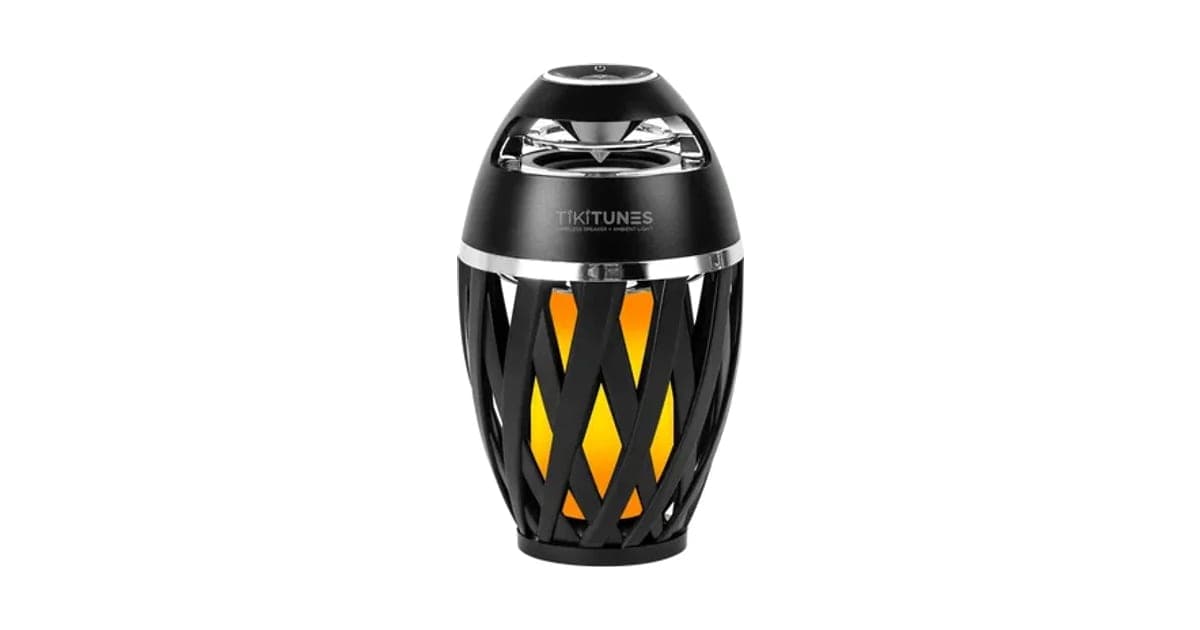
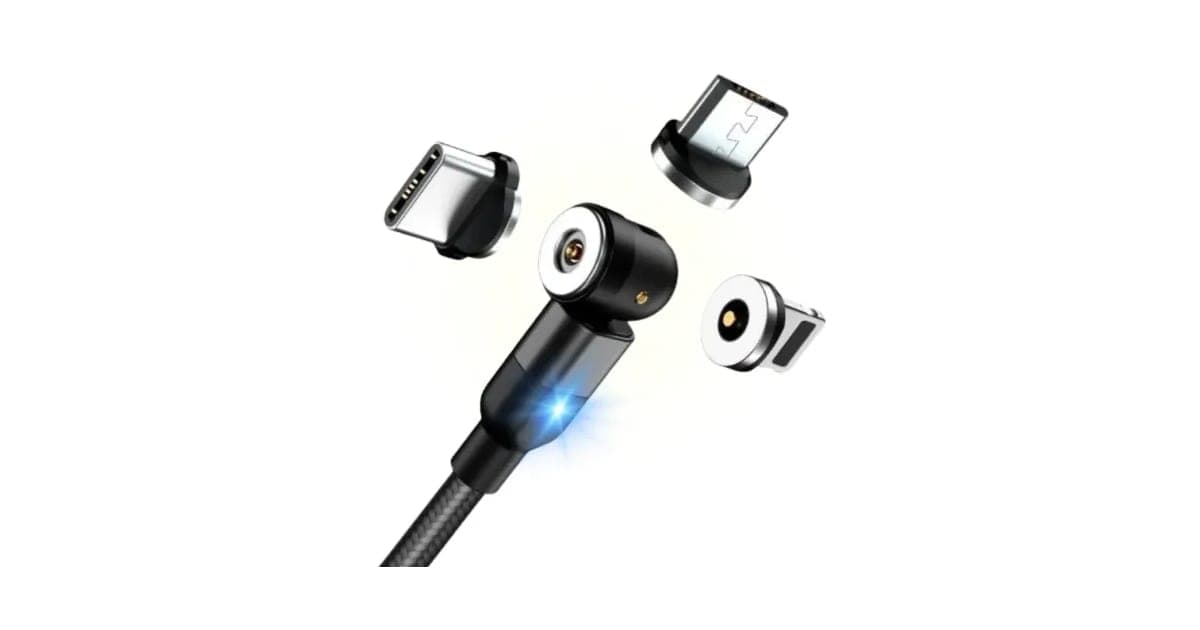
Our Tiki Tunes review covers a rechargeable outdoor speaker, and our Whippy Charge review looks at a magnetic charging cable for phones.
ZITHION-X Rechargeable BatteriesScore 6.4/10
Why people buy it: Steady 1.5V output suits high-drain devices like flashlights and controllers
$29.99 at COAST · Price checked October 4, 2026
Check price at COAST (opens COAST in a new tab)We may earn a commission if you buy through our links.
Is Zithion-X legit, and what should you check before buying?
Yes. Zithion-X batteries are a genuine Coast product, and this offer is cheaper than other retailers we found. Before buying, check which devices you will use them in, avoid relying on them in safety alarms unless approved, and test them quickly since returns run from shipment.
Check your devices
What to do: list the devices you want to power. Prioritise high-drain ones like flashlights, controllers and toys.
Safety alarms
Follow the smoke and carbon monoxide alarm maker's battery guidance. Many specify non-rechargeable batteries for reliable low-battery warnings.
Charging safety
Charge on a hard surface with a reputable USB power source. Do not charge damaged batteries.
How to buy Zithion-X the smart way
- List your AA devices, then open the Zithion-X order page (opens COAST in a new tab).
- Pick a pack size to cover devices you use often.
- Check shipping on a single pack.
- Test the batteries as soon as they arrive.
- Keep the packaging for the 30 days from shipment.
How did we score Zithion-X?
Zithion-X scores 6.4 out of 10: claim accuracy 1.0, build durability 1.4, price competitiveness 1.5, usability 1.5 and owner satisfaction 1.0, each out of 2. It earns points for a known brand, a solid lithium design with USB-C charging and an offer price below other retailers. Points come off for a universal-sounding 4.7x claim, "saves $200+" and "safer around kids" framing, missing low-battery warnings in some devices, and returns counted from shipment.
How the score breaks down
We use the five criteria on our how we test page, each out of 2.
| Criterion | Score | Why |
|---|---|---|
| Claim accuracy | 1.0 / 2 | Real features; runtime and savings claims depend on use |
| Build durability | 1.4 / 2 | Up to 1,000 charges; sealed lithium cells |
| Price competitiveness | 1.5 / 2 | Cheaper than other retailers |
| Usability | 1.5 / 2 | USB-C charging; no low-battery warning |
| Owner satisfaction | 1.0 / 2 | Positive quotes; few independent reviews |
| Total | 6.4 / 10 |
What we did, and did not, do
Nobody on our team has used Zithion-X batteries. We read the offer page, FAQ and return policy on 4 October 2026, and retailer listings and Trustpilot on 5 October 2026. Our tech gadgets hub lists other gadgets we have reviewed, including the Snap-N-Charge review.
How to use Zithion-X batteries for the best results
Charge the set fully before first use, use them in high-drain devices, recharge the whole set together, and store spares partly charged in the case. Keep alkalines in alarms, check devices that may cut out without warning, and keep batteries away from young children.
- Charge fully before first use.
- Use in high-drain devices for the biggest benefit.
- Recharge as a set to keep cells matched.
- Watch for sudden cut-off in devices with battery gauges.
- Store partly charged in the case.
- Keep spares charged for emergencies.
- Recycle worn cells at a battery collection point.
Travelling with lithium batteries
Airlines usually allow spare lithium batteries in carry-on bags, not checked luggage. Keep them in the storage case so the terminals cannot touch metal objects, and check your airline's rules before flying.
Keep the cable with the batteries
Because these cells charge only through USB-C, store the split cable in the case with them. Losing the cable is not a disaster, since any USB-C cable works one cell at a time, but the split cable is much quicker for a full set.
Avoid full discharge
Lithium cells last longer if not run completely flat often. Recharge when the device first stops, and do not leave dead batteries in a drawer for months.
Swap sets
Keep two sets for heavy-use devices like controllers: one in use, one charging. Swap when the device stops, and you will never wait for batteries to charge.
Use the right cable
The included split cable charges four at once. Any USB-C cable charges a single cell. Avoid damaged cables and unbranded high-power chargers.
Device manuals
Check your device manuals for battery advice. Some cameras, medical devices and alarms specify particular battery types, and following that guidance avoids problems.
Recycling
When cells no longer hold a useful charge, recycle them at a battery collection point. Do not put lithium batteries in household rubbish, where damaged cells can cause fires.
Label sets
If you have several sets, label each one and charge and use them together. Mixing cells of different ages in one device can shorten their life.
Charge at room temperature
Charge lithium-ion cells indoors at normal room temperature. Charging very cold batteries can damage them.
Cold weather
Lithium-ion cells lose some capacity in the cold. Keep spare batteries warm in a pocket on winter trips.
Long-term storage
If storing devices for months, remove the batteries, since even protected cells slowly self-discharge.
Other questions about USB-C AAs
Can I mix them with alkalines? No; do not mix battery types in one device.
Do they come in AAA? Coast makes AAA versions; this page lists AA sizes.
Can I charge them from a laptop? Yes, from a USB port, though charging may be slower.
ZITHION-X Rechargeable BatteriesScore 6.4/10
Before you buy: Check the final price, shipping and return terms at checkout.
$29.99 at COAST · Price checked October 4, 2026
Check price at COAST (opens COAST in a new tab)We may earn a commission if you buy through our links.
Frequently asked questions
Are Zithion-X batteries made by COAST?
Yes. The batteries are branded COAST, and returns go to a coastportland.com email. COAST is a flashlight and tool maker based in Portland, Oregon.
Do Zithion-X batteries really last 4.7 times longer?
The figure depends on the device. Alkaline batteries lose much of their capacity in high-drain devices, where a 2,400 mAh lithium cell can last several times longer. In low-drain devices like remotes, the advantage is much smaller.
How much do Zithion-X batteries cost?
On 4 October 2026, the offer page listed four AA batteries for $29.99 plus shipping, twelve for $59.98 and twenty for $89.97 with free shipping. Other retailers listed the same COAST four-pack at about $43 to $61 when we searched on 5 October 2026.
How long do they take to charge?
About 2.5 hours for a full charge, according to the page, using the included four-way USB-C cable or any USB-C cable.
Can I use them in a smoke alarm?
Check the alarm maker's instructions. Many alarm makers specify alkaline or lithium primary batteries. Regulated 1.5V rechargeable cells give no gradual voltage drop, so low-battery chirps may come late or not at all.
What is the return policy?
Returns are accepted within 30 days after shipment in original packaging without wear, by emailing store@coastportland.com for an RMA number. Shipping costs are not refunded.
Can I charge them in my old battery charger?
No. They charge through their own USB-C ports. Standard NiMH chargers are designed for different chemistry and should not be used.
We may earn a commission if you buy through our links.
Prices accurate as of October 4, 2026. Check the seller's checkout for current pricing, promotions and terms.
What we checked: No hands-on use. Claims, photos, prices, FAQ answers and the return policy from the Zithion-X offer page our link opens on 2026-10-04. Retailer listings of the COAST ZITHION-X four-pack and specifications, and Trustpilot, were checked on 2026-10-05.

About the author
Ryan Mitchell, Consumer Technology Writer
Ryan Mitchell covers new and innovative gadgets for Top10Gadgets: AI devices, wearables, smart accessories, digital services and the beauty tech sold through viral adverts. Ryan likes to find a gadget before it goes main…
- New and innovative gadgets
- AI devices and wearables
- Smart accessories
- Beauty tech
- App and subscription terms
Writing for Top10Gadgets since 2026Full profile