Comparison
Akusoli vs Liftly Insoles: Magnetic Acupressure or Cushioned Arch Support? (2026)
Akusoli vs Liftly insoles: magnets and acupressure against soft foam and a heel cup. Compared on comfort, heel pain, sizes, price, warranty and returns.

By James Wilson, Consumer Tech Writer at Top10Gadgets
Updated 6 min readHow we test
01Which one is for you
Choose the Akusoli Insoles if
- You like a firm, bumpy, massage-like feel underfoot
- You want a brand with thousands of independent owner reviews
- You want a longer window to decide, and can test before trimming
Choose the Liftly Insoles if
- You want soft cushioning with no magnets or knobbly texture
- Your heel aches and you want a deep heel cup
- You wear a pacemaker or insulin pump and want to avoid magnets
02Round by round
Rounds are not weighted. Our scores (Akusoli 5.8, Liftly 5.4) come from the five criteria on our how we test page.
03Specs side by side
| Spec | Akusoli Insoles | Liftly Insoles |
|---|---|---|
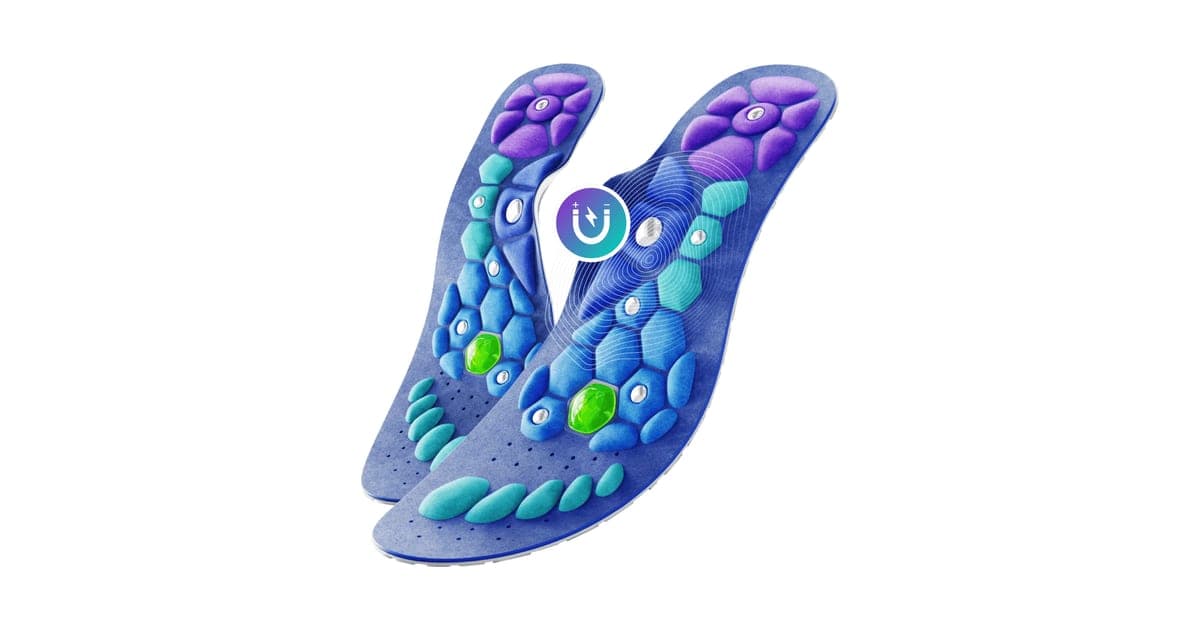
| Top layer | Raised acupressure nodules, some with small magnets | Soft "4D Cloud" foam with raised massage nodes |
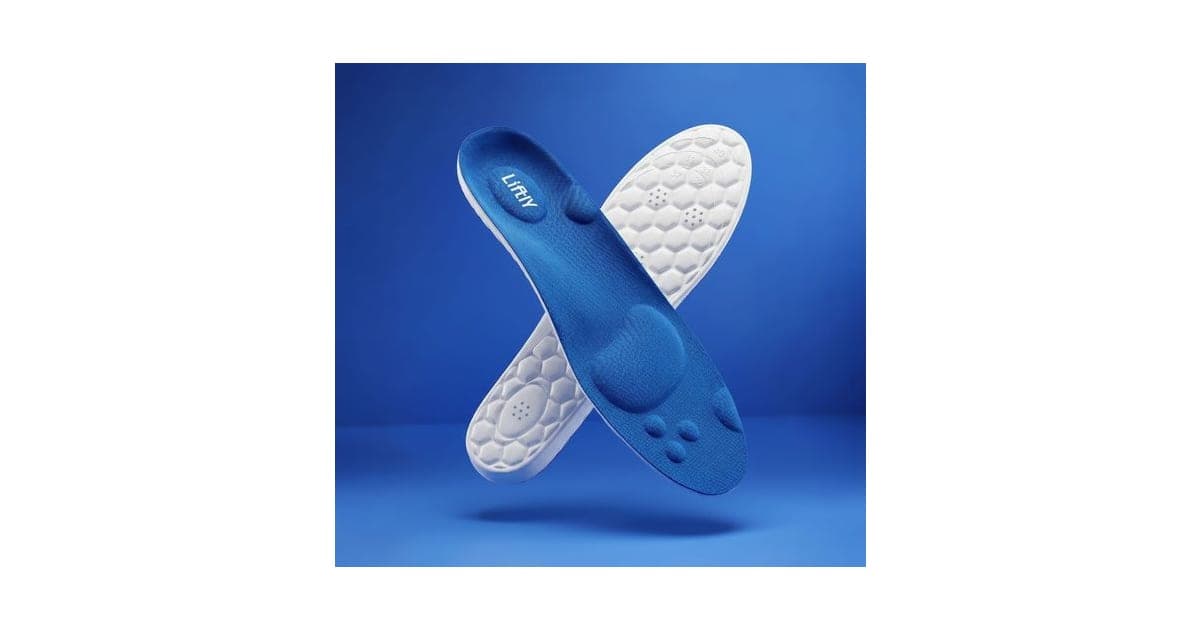
| Support | Contoured foam with a modest raised arch | Arch support and a deep heel cup |
| Underside | Silver-coated, sold as limiting odour | Vented, breathable fabric, per the page |
| Sizes | S-M (US W5 to 10), L-XL (US W10.5 to 13, M8.5 to 13) | Standard (EU 37 to 41), Large (EU 42 to 47) |
| Fit | Trim to pre-marked lines | Trim the toe end |
| One pair | $29.99 plus shipping | $29.99 |
| Bundles | $47.98 for 2, $68.97 for 3, $83.96 for 4 | $59.98 for 3, $89.97 for 6 |
| Returns | 60 days; unworn, in original packaging | 30-day money-back guarantee, 1-year warranty |
| Owner ratings | 3.9 / 5 from 27,000+ Trustpilot reviews | No independent reviews found |
| Our score | 5.8 / 10 | 5.4 / 10 |
| Our score | 5.8 / 10 | 5.4 / 10 |
Both insoles cost $29.99 a pair, both trim to fit, and both are sold as relief for aching feet. The difference is in what they add on top of the foam. Akusoli covers its top layer in acupressure bumps with small embedded magnets and prints a reflexology map linking foot points to organs. Liftly sticks to soft foam, an arch, a deep heel cup and gentler massage nodes, but its page promises you will walk "100% pain-free".
Strip the claims away and you have two cushioned, arch-supporting insoles with different textures. The scorecard above sums up the rounds. Below is how each one was decided, based on our full reviews, the sellers' pages, owner reports and published research on insoles. Nobody on our team has worn either pair.
Which one is more comfortable?
Call it a tie, because the comfort comes from the same place. Replacing a thin, flat factory liner with a thicker, contoured insole spreads pressure across more of the sole and softens each step. Both insoles do that, and that is what most happy owners of each describe.
The feel underfoot is different. Akusoli's raised nodules give a firm, massage-like texture that some people enjoy and others find uncomfortable. Liftly's foam is softer and squishier, with smaller nodes, and owners say there is no break-in period. If you have never worn a bumpy insole, Liftly is the safer bet. People with diabetes or reduced feeling in their feet should be cautious with any firm, knobbly insole.
Which one helps heel pain more?
Liftly, narrowly. Its deep heel cup keeps the heel's natural fat pad under the bone, and its soft foam absorbs impact, a combination often suggested for sore heels. The American Academy of Orthopaedic Surgeons lists shoe inserts among the first non-surgical treatments for plantar fasciitis, and research finds off-the-shelf insoles help about as much as custom orthotics for many people.
That evidence applies to cushioned insoles with arch support in general, so Akusoli can help too. What it adds on top does not. A Mayo Clinic trial of magnetic insoles for plantar heel pain found the same improvement with identical non-magnetic insoles. The reflexology map has no basis in anatomy. And neither insole can treat Morton's neuroma, metatarsalgia and overpronation all at once, as Liftly's page implies. Pair either one with calf and plantar fascia stretches, and see a doctor or podiatrist if heel pain lasts more than a few weeks.
One safety note: the US National Center for Complementary and Integrative Health says magnets on the skin are generally safe but may interfere with pacemakers and insulin pumps. If you use either device, Liftly avoids the question.
What does each pair cost?
Both start at $29.99, and both inflate their discounts.
| What you buy | Price | Per pair |
|---|---|---|
| Akusoli, 1 pair | $29.99 | $29.99, plus shipping |
| Akusoli, 2 pairs | $47.98 | $23.99 |
| Akusoli, 4 pairs | $83.96 | $20.99 |
| Liftly, 1 pair | $29.99 | $29.99 |
| Liftly, 3 pairs | $59.98 | $19.99 |
| Liftly, 6 pairs | $89.97 | $14.99 |
Akusoli shows its "70% off" against a $69.99 list price, but the discount is permanent, so the list price is not a real reference. Liftly's "Save 75%" banner sits next to a single-pair saving of 50% against a reference price. Drugstore comfort insoles cost about the same, and similar "4D cloud" insoles sell cheaply online. Owners also complain about repeated add-on offers at Akusoli's checkout, so read each screen before you pay.
Foam compresses with daily wear. Liftly's FAQ claims 12 months or more; Akusoli gives no lifespan. Replace either when the heel looks flat or the arch stops holding its shape.
What happens if they do not help?
Liftly's terms are clearer. It offers a 30-day money-back guarantee plus a 1-year warranty, so foam that flattens or splits within a year may be covered. Ask whether trimmed insoles can be returned before you cut them.
Akusoli gives a longer 60 days and accepts change-of-mind returns, but non-defective items must come back in the manufacturer's condition and original packaging, and shipping is not refunded. In practice, trimmed or worn insoles may be refused. If your shoes allow it, try them untrimmed for a day indoors first.
Whose claims hold up better?
Akusoli, because there is independent evidence about the product itself. It has more than 27,000 Trustpilot reviews averaging 3.9 out of 5, most of them four or five stars, and the company behind it, UAB Mindra of Vilnius, has a written return policy. Its magnet and organ-map claims are the weak part.
Liftly's comfort claims are plausible, but we found no independent reviews at all; most coverage is paid advertorials and press releases. Its "95% positive user rating" is unverified, and one step image on its page carries another product's name, a sign of a reused template.
Which one should you buy?
Buy Akusoli if you like a firm, textured feel and want a product thousands of owners have rated. Judge it on comfort alone and ignore the magnets.
Buy Liftly if your heels ache, if you prefer soft cushioning, or if you use a pacemaker or insulin pump. It has the better guarantee, but less proof that it lasts. For other foot products we have reviewed, see My Happy Feet Socks; for at-home pain relief, see the Paingone Plus TENS pen. Everything else is in our health gadgets section.
Our verdict
Akusoli edges it, 5.8 against 5.4, on the strength of a large body of independent owner reviews that Liftly cannot match. Liftly wins on heel pain and on guarantee terms, and it is the better choice for sore heels or anyone avoiding magnets. Both are ordinary cushioned insoles with arch support sold with claims they cannot back up, and both cost about what a drugstore pair does. Read the full Akusoli review or Liftly review for every drawback before you choose.
Our pick
Akusoli Insoles
For you if you like a firm, bumpy, massage-like feel underfoot
$29.99 one pair, plus shipping at Akusoli
The alternative
Liftly Insoles
For you if you want soft cushioning with no magnets or knobbly texture
$29.99 one pair, offer page at Liftly
Frequently asked questions
Are Akusoli or Liftly insoles better?
Akusoli scores slightly higher, 5.8 against 5.4, mainly because thousands of independent owners rate it and most are happy. Liftly is the better pick for sore heels or for anyone who wants soft cushioning without magnets. Both help for the same reason: foam and an arch in place of a thin factory liner.
Do magnetic insoles like Akusoli work better?
No. A Mayo Clinic trial published in JAMA in 2003 compared magnetic insoles with identical non-magnetic ones for heel pain and found the same improvement in both groups. If Akusoli feels better, the cushioning, arch and texture are the reasons, not the magnets.
Which insole is better for plantar fasciitis?
Liftly's deep heel cup and soft foam are the better match, though both can help in the short term. Research finds off-the-shelf insoles help about as much as custom orthotics for many people, and they work best with calf and plantar fascia stretches. See a doctor if heel pain lasts more than a few weeks.
Can I return Akusoli or Liftly insoles after wearing them?
Be careful with both. Akusoli's 60-day policy requires non-defective items in their original condition and packaging, so worn or trimmed insoles may be refused. Liftly offers a 30-day money-back guarantee and a 1-year warranty; ask whether trimmed pairs qualify before you cut them.
Are there cheaper insoles than Akusoli and Liftly?
Yes. Drugstore comfort insoles with an arch cost about the same, and similar-looking "4D cloud" insoles are widely sold online, often for less. What matters is cushioning, a supportive arch and a heel cup that fit your shoe, not magnets or brand names.
More on Akusoli vs Liftly

About the author
James Wilson, Consumer Tech Writer
James Wilson covers health and wellness technology for Top10Gadgets: breathing devices, massagers, hearing aids, dental and weight-loss products, and the other gadgets sold with a promise to make life easier. James write…
- Health and wellness gadgets
- Over-the-counter hearing aids
- Breathing and massage devices
- FDA clearance and registration
- Tech for beginners
Writing for Top10Gadgets since 2026Full profile