Health Gadgets / Insoles
Akusoli Insoles Review: Cushioned Comfort, Magnet Claims and How to Buy Them Well
Trimmable acupressure insoles with small magnets and a reflexology map. The cushioning and arch shape can make shoes more comfortable; the magnets and organ map have no evidence behind them.

By James Wilson, Consumer Tech Writer at Top10Gadgets
Updated 30 min readHow we test
Quick answer
Yes, if you want a cheap, cushioned, textured insole for shoes with thin factory liners, and you judge it on comfort alone. Akusoli insoles add padding, a raised arch and a massage-like feel for about $21 to $30 a pair, and most of more than 27,000 Trustpilot reviewers are happy.
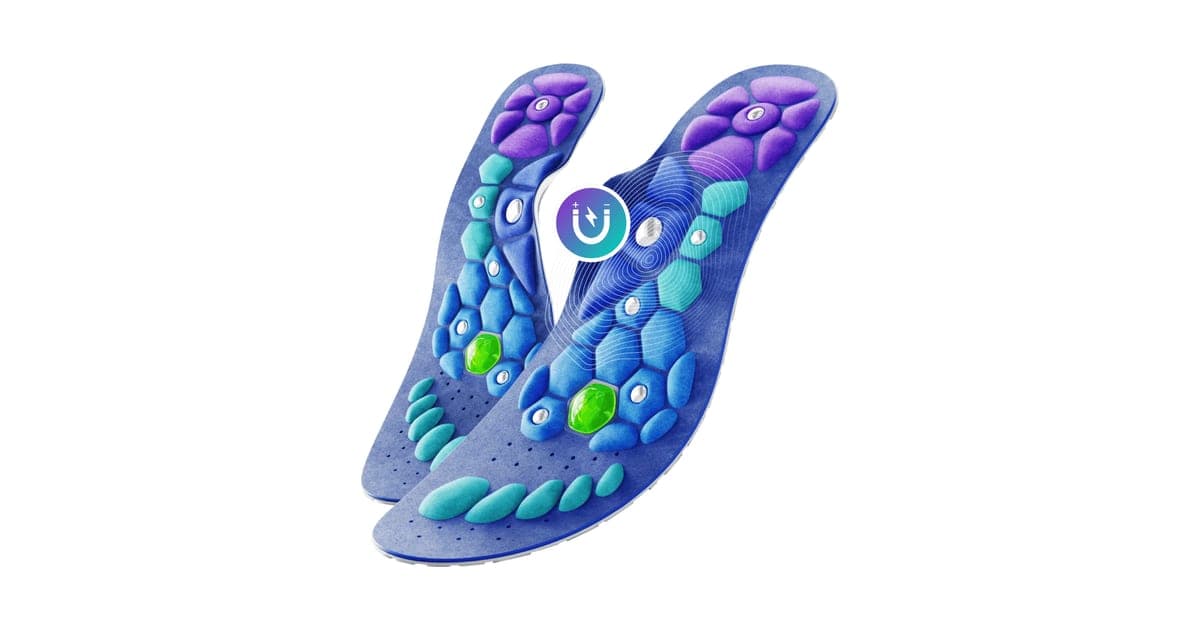
Score 5.8/10$29.99 at Akusoli
Check price at Akusoli (opens Akusoli in a new tab)We may earn a commission if you buy through our links.
- Best for
- People on their feet all day in shoes with thin, flat factory insoles who want more cushioning and some arch shape
- Not for
- People with diabetes, neuropathy or poor circulation in the feet, unless a podiatrist approves; firm bumps can cause pressure sores you may not feel
$29.99 at Akusoli
Check price at Akusoli (opens Akusoli in a new tab)We may earn a commission if you buy through our links.
On this page · 14 sections
- 01Our verdict
- 02The short version
- 03Pros & cons
- 04How it works
- 05Who it's for
- 06What do you get with Akusoli insoles, and what do they cost?
- 07Are Akusoli's claims true?
- 08Who gets the most from Akusoli insoles?
- 09Are Akusoli insoles better than drugstore arch supports or custom orthotics?
- 10Is Akusoli legit, and what should you check before buying?
- 11What do owners say, and how did we score Akusoli?
- 12How to use Akusoli insoles for the best results
- 13What else do people ask about magnetic and acupressure insoles?
- 14Frequently asked questions
Our verdict
Yes, if you want a cheap, cushioned, textured insole for shoes with thin factory liners, and you judge it on comfort alone. Akusoli insoles add padding, a raised arch and a massage-like feel for about $21 to $30 a pair, and most of more than 27,000 Trustpilot reviewers are happy. The magnets and reflexology map are not why they help: a controlled trial found magnetic insoles no better than identical non-magnetic ones. They score 5.8 out of 10, held back by those claims, a permanent "70% off" price and returns that need unworn insoles.
The short version
- Trimmable foam insoles with raised acupressure bumps, small magnets in some bumps, a raised arch and a silver-coated underside.
- Two sizes (S-M and L-XL) cover roughly US women's 5 to men's 13, cut to fit with scissors.
- On 3 October 2026: $29.99 for one pair, $47.98 for two, $68.97 for three, $83.96 for four, plus shipping, always shown as 57% to 70% off.
- Best trait: an inexpensive way to add cushioning and arch shape to shoes that have neither.
- Biggest drawback: marketing built on magnet therapy and reflexology, which have no good evidence for foot pain.
- Our score: 5.8 out of 10, with the lowest mark for claim accuracy.
Pros & cons
Akusoli insoles are a reasonable comfort product sold with unreasonable explanations. The parts that can help, padding and an arch shape, are the same parts every decent drugstore insole has. The parts the sales page leans on, magnets and organ points, are the parts with no evidence.
What we like
- Cushioned, contoured insole with a raised arch that can make flat factory insoles feel more supportive
- Two sizes cover US women's 5 to men's 13, and each trims to fit with scissors
- Silver-coated underside meant to limit odour-causing bacteria
- About $21 to $30 a pair, in line with drugstore comfort insoles
- 3.9 out of 5 from more than 27,000 Trustpilot reviews, most of them four or five stars
What we don't
- Magnet therapy has no evidence for foot pain; a Mayo Clinic trial of magnetic insoles found no benefit over identical non-magnetic ones
- The reflexology map linking foot points to organs is not supported by anatomy or research
- The 70% discount is permanent, so the $69.99 list price is not a real reference
- Returns need unworn items in original packaging, so trimmed or worn insoles may not qualify
- Owners complain about repeated add-on offers at checkout
Sold by Akusoli
Akusoli Insoles$29.99
How it works
There are really three things going on in an Akusoli insole: ordinary cushioning and arch support, a textured surface that massages the sole, and small magnets. Only the first has decent research behind it.
Cushioning and an arch shape spread the load
Step 1: The insole replaces your shoe's flat factory liner with a thicker, contoured layer and a raised arch, which spreads pressure across more of the sole; this is the part of the design with the most research behind it.
Raised bumps press on the sole
Step 2: Rounded nodules across the top surface press into the sole as you walk, which some people find feels like a light massage; the brand places them on reflexology points it links to organs.
Small magnets sit in the bumps
Step 3: Small static magnets are set into several nodules, presented as Japanese-inspired magnet therapy for relaxation, circulation and pain relief; controlled trials of magnetic insoles found no added benefit.
When owners say the insoles helped, the cushioning, the arch and the novelty of the texture are the likely reasons. A controlled trial is the only way to separate those from the magnets, and the one that did found the magnets added nothing.
Who it's for
Akusoli insoles suit people who spend long hours standing or walking in shoes with thin, flat factory liners: work shoes, fashion trainers, older boots. Swapping in a thicker, contoured insole can make those shoes feel noticeably better. They also suit anyone who likes the feel of a bumpy, massage-style insole and wants one at a low price.
They are not the right buy if you have a medical foot problem that needs assessment, reduced feeling in your feet, or an implanted device that magnets could affect. And they are not a good fit if you want to wear them for a few weeks before deciding, because worn and trimmed insoles may not be returnable.
- People on their feet all day in shoes with thin, flat factory insoles who want more cushioning and some arch shape
- Anyone who enjoys the feel of a textured, massage-style insole and wants an inexpensive one
- Buyers happy to judge them on comfort alone, not on magnet or reflexology claims
Who should skip it
- People with diabetes, neuropathy or poor circulation in the feet, unless a podiatrist approves; firm bumps can cause pressure sores you may not feel
- Anyone with a pacemaker, defibrillator or insulin pump who has not checked with their doctor about magnets
- People with persistent heel pain, numbness or tingling who have not had it assessed
- Shoppers who want to try them for weeks and still be sure of a refund
What do you get with Akusoli insoles, and what do they cost?
An order contains your chosen number of pairs of Akusoli insoles. Each insole has a blue top layer covered in raised nodules, some with small embedded magnets, a raised arch and a grey hexagon-patterned underside described as silver coated. The brand calls the material non-slip, soft, flexible and breathable.
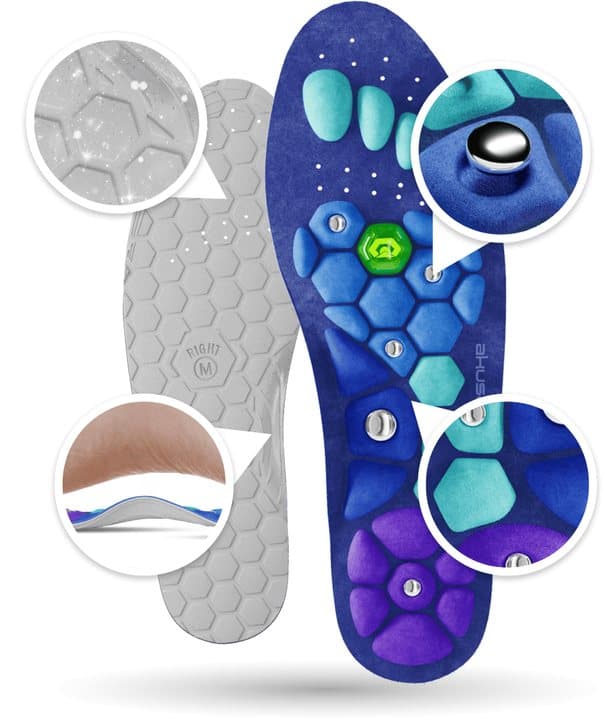
Top, underside and the main features, as the brand presents them
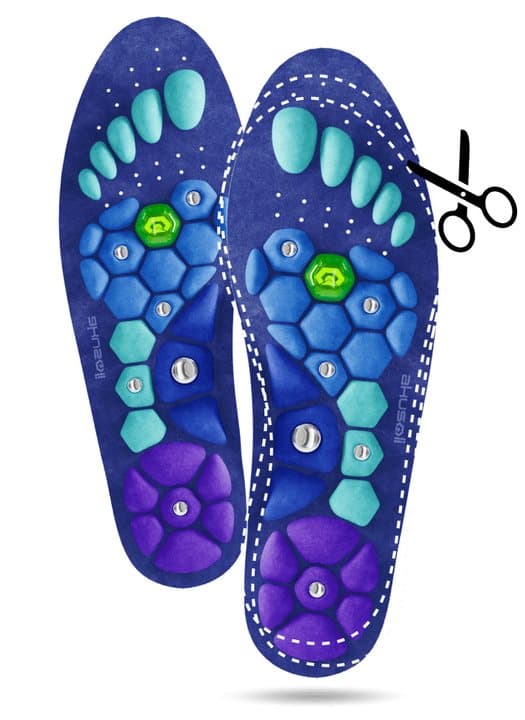
Trimming along the pre-marked size lines
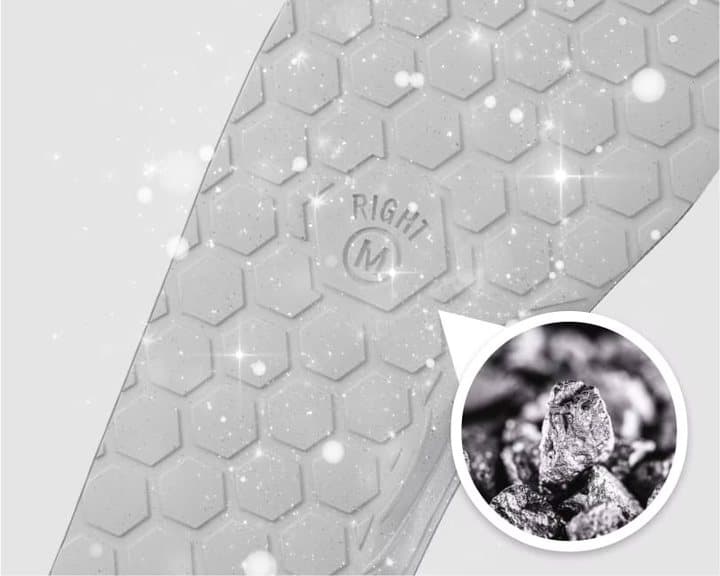
The silver-coated underside
The features, one by one
| Feature | What the brand says | What it really means |
|---|---|---|
| Cushioned, contoured foam | Comfort and shock absorption | Thicker than most factory liners; this is the main source of comfort |
| Raised arch | Better alignment and weight distribution | A modest, non-custom arch, similar to drugstore insoles |
| Acupressure nodules | Target pressure points to relieve fatigue | A textured surface that some people find pleasant and others find uncomfortable |
| Magnets | Constant gentle massage, relief and relaxation | Small static magnets; trials found no benefit for foot pain |
| Silver coating | Fights bacteria and odour | Silver does slow bacteria on surfaces; how long the coating lasts is not stated |
| Trimmable | Fits any shoe | Pre-marked size lines; cut with scissors |
Sizes and fit
There are two sizes. S-M covers EU 36 to 41.5, UK 3 to 7.5 and US women's 5 to 10 (men's 5.5 to 8). L-XL covers EU 42 to 47, UK 8 to 12 and US women's 10.5 to 13 (men's 8.5 to 13). The S-M insole is about 272 mm (10.7 in) long before trimming, and the L-XL about 305 mm (12 in).
If you sit at the top of a size, you may not need to trim at all. If you are between the two, order the larger size and trim it, since you cannot add length.
Akusoli price and bundles
The order page showed us prices in Indian rupees because of our location. The page's own pricing data showed a US dollar base, with a list price of $69.99 per pair, and the rupee totals matched these dollar prices:
| Package | Total | Per pair | Shown as |
|---|---|---|---|
| 1 pair | $29.99 | $29.99 | 57% off |
| 2 pairs | $47.98 | $23.99 | 66% off |
| 3 pairs | $68.97 | $22.99 | 67% off |
| 4 pairs (marked most popular) | $83.96 | $20.99 | 70% off |
Shipping is calculated at checkout; from India it showed a standard rate equivalent to about $4.95. The shipping policy estimates 8 to 12 business days to the US and UK.
The "70% off" is the normal price
The page calls the discount a limited-time promo, but these are the prices it shows every day, and the $69.99 list price is not a price we saw anyone pay. Judge the insoles at $21 to $30 a pair, which is roughly what branded comfort insoles cost at a pharmacy.
The add-ons
Akusoli's support site lists a range of extras: gel packs, separate arch supports, heel supports, a shoe deodoriser, a bunion wrap and a bundle aimed at smelly shoes. The user guide explains how to stick arch and heel supports to the underside of the insole with Velcro. Many Trustpilot complaints are about being offered five or six of these during checkout.
Is $30 a pair good value?
For a cushioned, contoured insole, $21 to $30 a pair is fair. You can pay less for basic foam insoles and much more for podiatrist-made orthotics. What you should not pay for is the magnets, because they are not what makes the insole comfortable.
Cost per day
Comfort insoles are cheap per day of use. At $29.99 for one pair, worn every workday and replaced after six months, Akusoli costs well under 25 cents a day; the four-pack brings that lower still if you use all four pairs. The cost that matters more is a pair you cannot return because you trimmed it before deciding, which is why the order you do things in matters (see "How to buy Akusoli the smart way").
What the order page does not tell you
The order page does not state the thickness of the insole, the foam type, the strength of the magnets, the number of magnets or how long the silver coating lasts. It also does not say whether the arch and heel supports in the user guide are included or sold separately. If any of those matter to you, ask customer support before ordering, and keep their reply.

Akusoli InsolesScore 5.8/10
Best for: People on their feet all day in shoes with thin, flat factory insoles who want more cushioning and some arch shape
$29.99 at Akusoli · Price checked October 3, 2026
Check price at Akusoli (opens Akusoli in a new tab)We may earn a commission if you buy through our links.
Are Akusoli's claims true?
Akusoli's comfort claims are fair: a thicker, contoured insole with a raised arch spreads pressure and softens each step, which is what most owners describe. Its wellness claims are not supported. A Mayo Clinic trial found magnetic insoles no better than identical non-magnetic ones for foot pain, the reflexology map linking foot points to organs has no basis in anatomy, and claims about detox and circulation lack evidence.
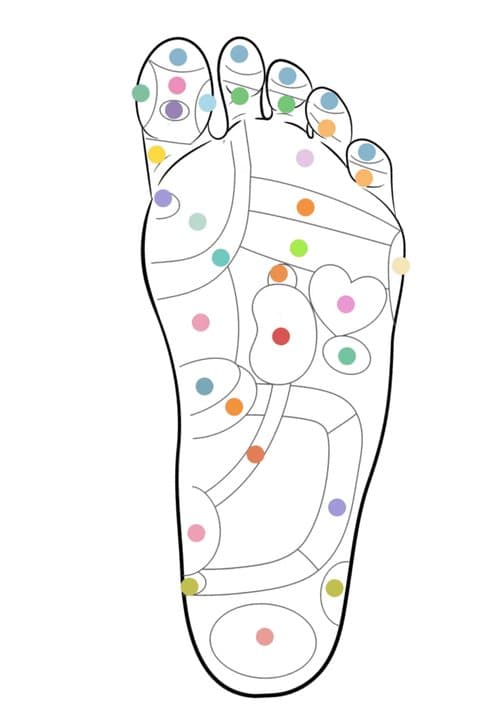
The sales page mixes three kinds of claim: ordinary comfort claims, medical-sounding claims about pain and conditions, and wellness claims about magnets and reflexology. They deserve different levels of trust.
Cushioning, arch support and comfort
This is the solid part. Replacing a thin, flat insole with a thicker, contoured one spreads pressure across more of the sole and softens each step. Many people find that more comfortable during long days on their feet, and owners' reviews mostly describe exactly that.
Plantar fasciitis and heel pain
The FAQ says the insoles are designed to provide extra care for conditions such as plantar fasciitis. Clinical guidelines for heel pain list off-the-shelf or custom insoles as one short-term option, alongside calf and plantar fascia stretches, taping and footwear changes. Prefabricated insoles often help about as much as custom ones for this.
So a cushioned insole with an arch can reasonably help some people with heel pain. But that is the insole, not the magnets, and heel pain that lasts more than a few weeks deserves an assessment.
Magnet therapy
The sales page describes "Japanese-inspired magnet therapy" that provides a constant gentle massage, relief and relaxation. Static magnets do not massage anything; they exert no force on skin or muscle that you could feel. Any massage sensation comes from the bumps.
Some people are surprised that a magnet in a shoe does nothing measurable to blood flow. The magnets used in therapy products are weak static magnets, similar to fridge magnets. Blood is not attracted to them, because the iron in haemoglobin is not magnetic in the way a nail is.
The best evidence is a randomised, double-blind trial from the Mayo Clinic published in JAMA in 2003. It gave 101 adults with heel pain either magnetic insoles or identical insoles without active magnets for eight weeks. Both groups improved by the same amount: about a third in each said their pain was all or mostly better. The US National Center for Complementary and Integrative Health's guidance on magnets for pain reaches the same conclusion: the evidence does not support them.
Reflexology and the organ map
The page shows a foot map with points it links to the sinuses, eyes, heart, kidneys, pancreas and more, and says magnets are placed on points that correspond to parts of the body. Reflexology foot maps are not based on any known nerve or blood connection between parts of the sole and internal organs, and different reflexology schools draw the maps differently. Pressing on your foot can feel relaxing, but there is no evidence it affects your organs.
Circulation and detoxification
The page says foot acupressure has been used to improve circulation and aid detoxification. Walking itself moves blood in the legs, through the calf muscles, and an insole does not add to that in any measurable way that we know of. "Detoxification" through the feet has no scientific basis.
Posture, knees and back
The page says aligning your feet can reduce knee pain and improve posture, and that poor footwear triggers sciatica, hip and lower back pain. Footwear can affect comfort in the knees and back for some people, and insoles are sometimes used as part of treatment. But back pain and sciatica have many causes, and there is no evidence that these insoles in particular treat them.
Antimicrobial silver
Silver does reduce bacterial growth on surfaces, and silver-treated fabrics and foams are common in sports products. This is a plausible claim. How much it helps depends on how long the coating lasts, which the brand does not say, and on airing and washing your shoes.
Claims scorecard
| Claim | What the evidence shows | Our view |
|---|---|---|
| Cushioning and comfort | Thicker, contoured insoles spread pressure | Supported |
| Help with plantar fasciitis | Insoles are one accepted short-term option; magnets add nothing | Partly supported |
| Magnet therapy relieves pain | Controlled trial found no difference from sham | Not supported |
| Reflexology points affect organs | No anatomical or clinical basis | Not supported |
| Improves circulation, aids detox | No evidence for insoles | Not supported |
| Fixes posture, back pain, sciatica | No product-specific evidence | Not supported |
| Silver reduces odour bacteria | Plausible; durability unknown | Plausible |
Who gets the most from Akusoli insoles?
Akusoli suits people who stand or walk all day, such as nurses and retail staff, whose shoes have thin factory liners, and anyone who likes a textured, massage-style feel underfoot. At about $21 to $30 a pair, it is an easy experiment. People with diabetes or neuropathy should check with a doctor or podiatrist first, because raised nodules can cause pressure sores they may not feel.
Strip away the magnet and organ claims and what is left is a cushioned, textured, trimmable insole at a fair price. That suits more people than you might expect from the claims.
Why Akusoli appeals
The appeal is simple: tired feet are common, insoles are cheap, and these look different from the plain foam ones at the pharmacy. The bright design, the trimmable fit and the idea that each step does a little extra good are attractive. The price, at about $21 to $30 a pair, makes it an easy experiment.
Nurses, retail staff and others on their feet all day
People who stand or walk for whole shifts are the most likely to notice the difference a thicker, contoured insole makes. If your work shoes have thin liners, Akusoli insoles add cushioning and some arch shape. Keep in mind that supportive, well-fitting shoes matter more than any insole.
People who like a massage-style feel
Some people enjoy the feeling of nodules under the foot and find it relaxing. If you are one of them, that is a perfectly good reason to buy these, as long as you know the feeling comes from the bumps, not the magnets.
Older adults
Older adults often have thinner fat pads under the heel and ball of the foot, so extra cushioning can feel welcome. Many also have reduced feeling in their feet, diabetes or poor circulation, which makes a firm, bumpy surface a risk. If you are buying for an older parent, check with their doctor or podiatrist first.
People with diabetes or neuropathy
People with diabetes or peripheral neuropathy should be cautious with any insole that has raised bumps, because pressure points can cause blisters or sores that go unnoticed. Diabetic foot care usually calls for smooth, pressure-relieving insoles, often fitted by a podiatrist. Ask yours before trying Akusoli.
Pregnancy
Feet often swell and ache during pregnancy, and many pregnant women look for more comfortable shoes and insoles. Cushioned insoles are a reasonable comfort measure. Some reflexology traditions claim certain foot points affect the womb, which has no evidence either way; the bigger practical issue is that swollen feet may need roomier shoes rather than an extra layer inside them. Mention sudden or severe swelling to your midwife or doctor.
Runners and athletes
Akusoli insoles are not designed as sports insoles. Running shoes already have cushioned liners shaped for the shoe, and swapping in a bumpy insole can change the fit and cause rubbing. If you want insoles for running, look at products designed for sport or ask a running shop.
Are Akusoli insoles better than drugstore arch supports or custom orthotics?
Firm arch-support insoles with a deep heel cup are the usual first try for heel and arch pain, do the same supportive job without the bumps and magnets, and can often be tried on in a shop. Custom orthotics cost far more and suit specific foot problems a podiatrist has assessed. Basic foam insoles under $15 add cushioning only. Better-fitting, supportive shoes often matter more than any insole.
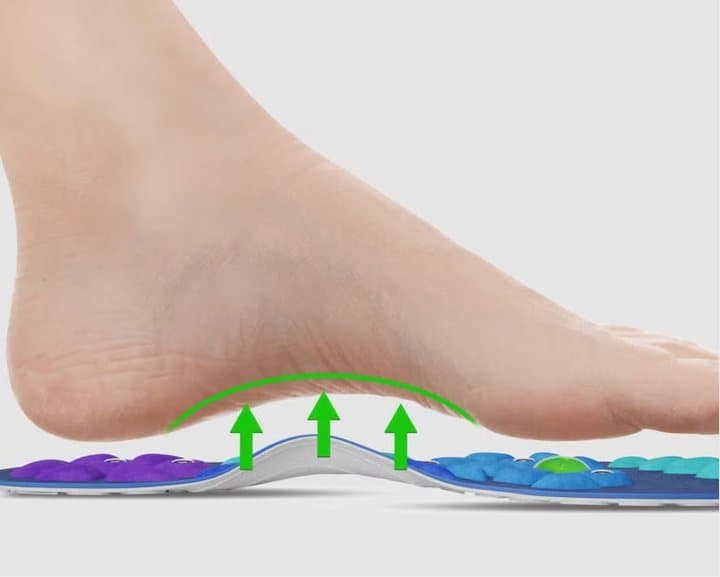
The raised arch under the foot
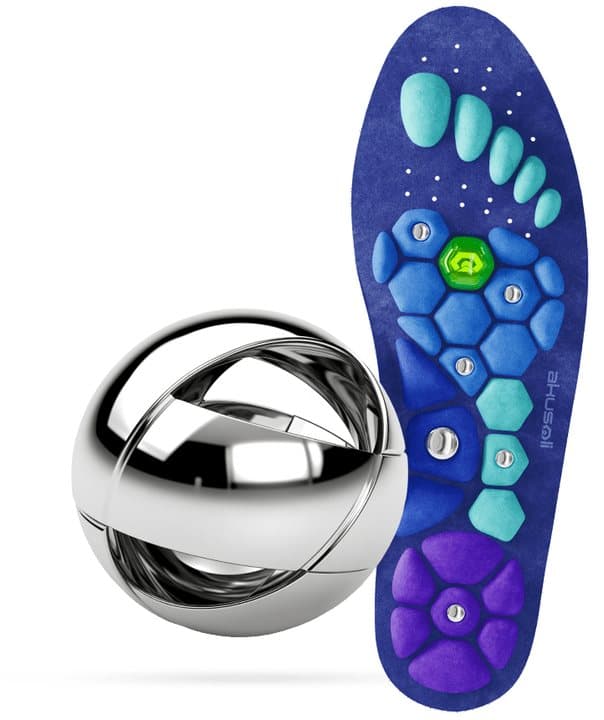
The magnets set into the nodules
Akusoli is one of hundreds of comfort insoles. Here is how it sits against the most common alternatives.
| Option | Typical cost | What you get | Evidence | Best for |
|---|---|---|---|---|
| Akusoli | $21 to $30 a pair | Cushioning, arch, nodules, magnets, silver coating | Insole comfort yes; magnets no | People who like a textured feel |
| Basic foam insoles | Under $15 | Cushioning only | Comfort | Light everyday use |
| Drugstore arch-support insoles | $20 to $50 | Firmer arch, heel cup | Short-term help for some heel pain | Heel and arch discomfort |
| Sports insoles | $30 to $60 | Shock absorption, shaped for sport shoes | Comfort in sport | Runners and gym users |
| Custom orthotics | Hundreds | Made to your feet by a podiatrist | Similar to prefabricated for many conditions | Complex foot problems |
Akusoli vs drugstore arch-support insoles
Firm arch-support insoles with a deep heel cup are the usual first try for heel and arch pain. They do the same supportive job as Akusoli without the bumps and magnets, and you can often try them on in a shop. If heel pain is your main reason for buying, they are a more direct choice.
Akusoli vs custom orthotics
Custom orthotics cost far more and need a podiatrist appointment. For common problems like plantar heel pain, research often finds prefabricated insoles work about as well. Custom orthotics make most sense for complex foot shapes or conditions, which also need a professional assessment.
Akusoli vs other magnetic insoles
Many brands sell nearly identical blue acupressure insoles with magnets. They share the same evidence problem, and the main differences are price, sizing and return policy. If you want this style, compare the return terms carefully, since that is where brands differ most.
Akusoli vs better shoes
Before buying any insole, look at the shoes. A shoe with a firm heel counter, enough room for the toes, some cushioning and a sole that bends at the ball of the foot often does more for tired feet than an insole in a worn-out or poorly fitting shoe. If your shoes are old, flat and compressed, replacing them may be the better first step, and an insole can come after.
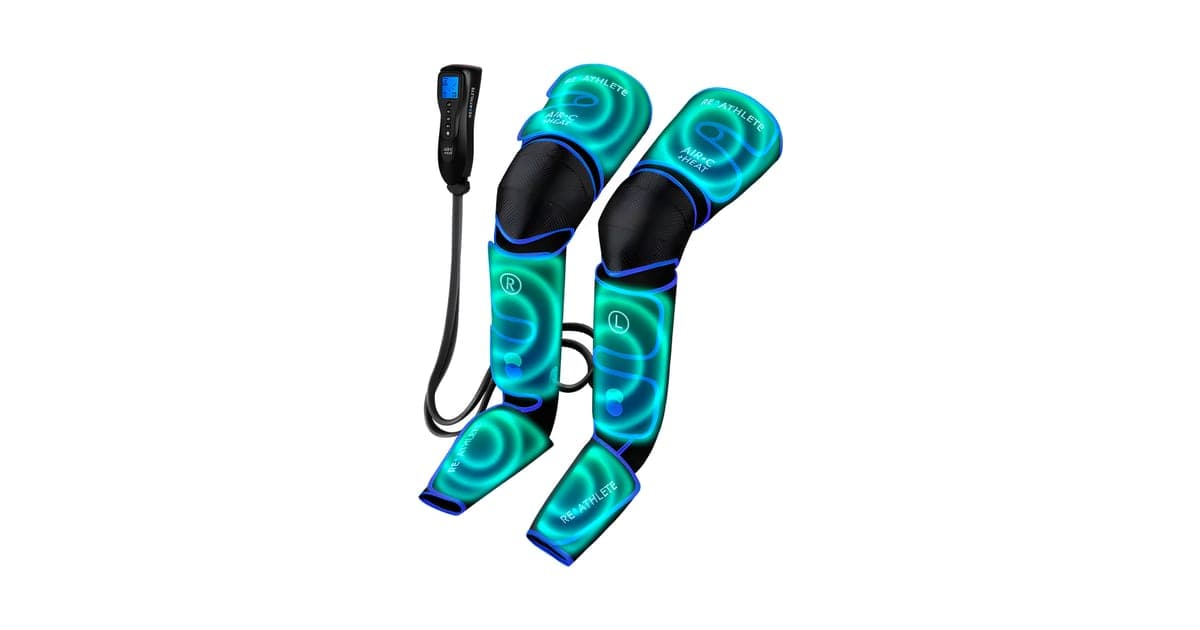
If you have decided a cushioned, textured insole suits you, the Akusoli order page (opens Akusoli in a new tab) lists the four pack sizes and both sizes. Our health gadgets section reviews other products sold with health claims, including the Air-C compression massager, another recovery product for tired legs.
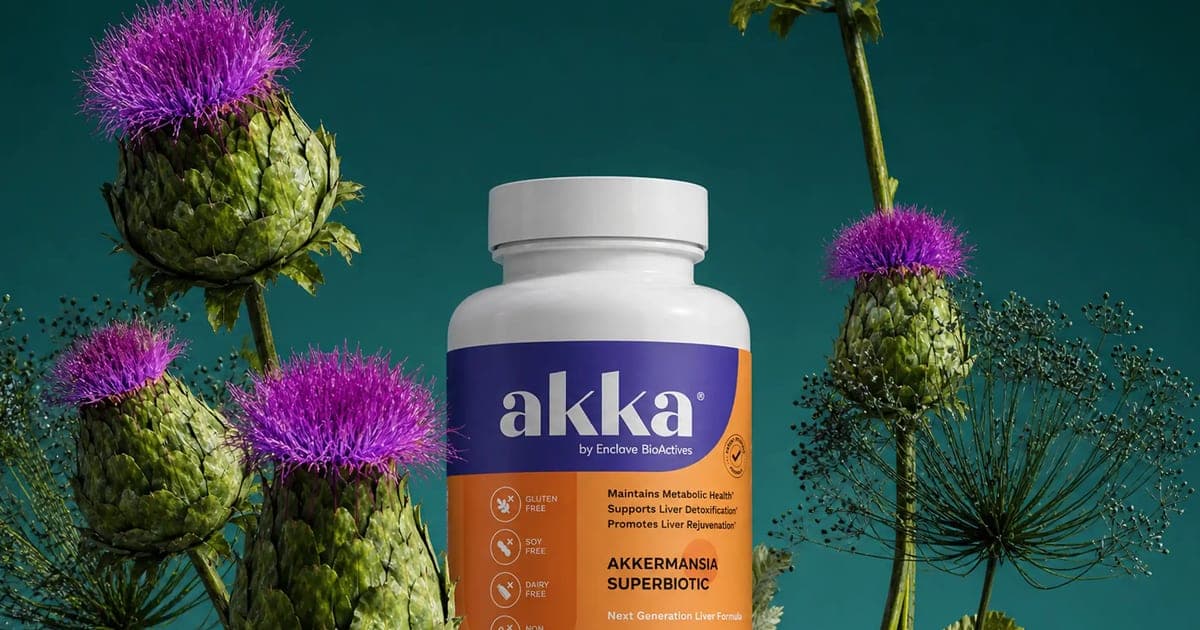
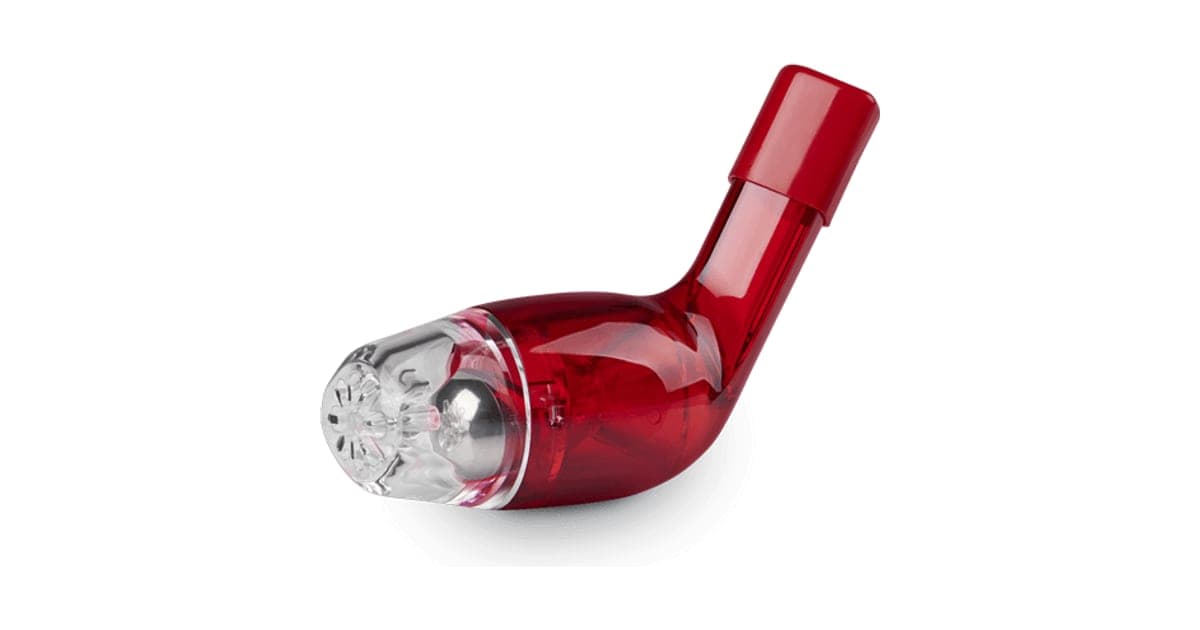
The pattern of a useful basic product wrapped in bigger claims shows up across our health and wellness reviews. The AirPhysio breathing device is a sound mucus-clearing tool sold with wider promises, Better Breathing Sport is the same idea marketed to athletes, and the Akka liver supplement pairs a clearly labelled formula with claims its ingredients cannot support.
If you are also looking at softer foam insoles, our Akusoli vs Liftly comparison compares the two on comfort, heel pain, guarantees and owner evidence.
Akusoli InsolesScore 5.8/10
Why people buy it: Cushioned, contoured insole with a raised arch that can make flat factory insoles feel more supportive
$29.99 at Akusoli · Price checked October 3, 2026
Check price at Akusoli (opens Akusoli in a new tab)We may earn a commission if you buy through our links.
Is Akusoli legit, and what should you check before buying?
Akusoli is a real brand with more than 27,000 Trustpilot reviews and a 3.9 score, but its "70% off" price is permanent, and returns within 60 days need unworn, untrimmed insoles in their original packaging, with return shipping at your cost. Before buying, test them untrimmed indoors first, decline checkout add-ons you do not want, and see a podiatrist if foot pain persists.
The main risks with Akusoli are buying for the wrong reason, getting stuck with insoles you cannot return, and paying for extras you did not want. Here is what to check, and what to do about each.
The return policy and the trimming problem
Akusoli offers returns within 60 days of receiving your order, including if you change your mind. But items that are not defective must be returned in the manufacturer's condition, in their original undamaged packaging. Shipping costs are not refunded, you pay to send the return with tracking, and you must request a return form (RMA) first.
What to do: before trimming, put the insoles in your shoes untrimmed for a short indoor test if they fit. Keep the packaging. If they are clearly uncomfortable, return them before cutting or wearing them outside.
Steps to return
- Fill in the contact form within 60 days of delivery with your name, email, order number and reason.
- Wait for the return form, RMA number and return address, which support says takes up to 3 business days.
- Pack the insoles in their original packaging with the RMA form attached and send them with tracking.
- Add the tracking number to the RMA form.
- Expect the refund within 14 days of the warehouse receiving the parcel, plus 3 to 5 business days for your bank.
Who you are buying from
Akusoli is a brand of UAB Mindra, a direct-to-consumer company registered in Vilnius, Lithuania (company number 306042105). It sells in many countries and languages and lists customer service numbers in the US, UK, Germany, France, Poland and Sweden. A European seller means returns may go to an overseas warehouse, which can cost more to post.
Checkout add-ons
Trustpilot reviewers repeatedly mention being offered five or six extras during checkout, such as gel packs, arch supports, heel supports and a shoe deodoriser. They are optional.
What to do: decline anything you did not plan to buy, and check the order summary and total before paying.
Magnets and medical devices
NCCIH notes that magnets may interfere with pacemakers and insulin pumps. Magnets in insoles are small and far from the chest, but insulin pumps and continuous glucose monitors can be worn anywhere.
What to do: if you have a pacemaker, implanted defibrillator, insulin pump or other implanted or worn medical device, check with your doctor before using magnetic products.
Diabetes, neuropathy and foot sores
Firm nodules press harder on small areas of the sole. In people with reduced feeling, that can cause blisters or sores that are not noticed until they are infected.
What to do: if you have diabetes or neuropathy, ask your podiatrist first, and if you do use them, check your feet every day for red marks, blisters or broken skin.
Foot pain that needs a professional
The sales page links foot pain to plantar fasciitis, sciatica and back pain. Some foot symptoms need a proper assessment rather than an insole: numbness, tingling or burning, pain that wakes you at night, swelling, a change in foot shape, or heel pain lasting more than a few weeks.
What to do: see a doctor or podiatrist for any of those, especially if you have diabetes.
How to buy Akusoli the smart way
- Measure your current insole or check your shoe size against the size chart, then open the Akusoli offer page (opens Akusoli in a new tab).
- Pick the size: S-M up to US women's 10 or men's 8, L-XL above that. If you are between, choose the larger and trim.
- Start with one or two pairs. The four-pack is cheapest per pair, but only worth it if you already know you like this style.
- Decline checkout add-ons you did not plan to buy, and check that the total includes only what you chose plus shipping.
- Keep the packaging and your order confirmation. The 60-day window starts at delivery.
- Try them untrimmed indoors first if your shoes allow, before cutting or wearing them outside.
What do owners say, and how did we score Akusoli?
Akusoli scores 5.8 out of 10: claim accuracy 0.6, build durability 1.1, price competitiveness 1.2, usability 1.4 and owner satisfaction 1.5, each out of 2. Its Trustpilot profile showed 3.9 from 27,578 reviews on 3 October 2026, with 47% five-star and 14% one-star. Owners praise comfortable feet after long days and fast shipping; complaints focus on checkout upsells and no improvement in pain.
Akusoli has an unusually large owner record for a direct-to-consumer insole, which makes it more useful than the testimonials on the sales page.
Trustpilot
On 3 October 2026 the Trustpilot profile for akusoli.com showed a TrustScore of 3.9 out of 5 from 27,578 reviews. The split was 47% five-star, 27% four-star, 8% three-star, 4% two-star and 14% one-star. The company claimed the profile in May 2024.
Positive reviews praise fast shipping, easy ordering and more comfortable feet after long days, including from nurses and other people who stand for work. Negative reviews focus on aggressive checkout upsells, no improvement in pain, and in one case a pair bought elsewhere that felt different from the original. Many reviews are about the buying process rather than the insoles after months of use.
Reading the testimonials
The sales page testimonials describe nurses lasting whole shifts without pain, parents in their eighties loving them and plantar fasciitis pain decreasing. Those are plausible for a cushioned insole. One reviewer credits "the reflexology benefits", which is the kind of explanation the evidence does not support; the comfort is real, the reason is probably the padding.
What owners say about the bumps
From reviews and the product design, the nodules are the biggest point of disagreement. Some people like the massage feel from the first day; others find them uncomfortable or too firm for long wear. Expect a few days to get used to them, and stop if you get sore spots.
Third-party reviews in search
Most pages ranking for "Akusoli review" are paid press releases and sponsored posts on local news sites, written in review style with links to the order page. They repeat the magnet and circulation claims without the evidence. Treat them as advertising.
How these reviews compare with the sales page
The sales page claims more than 30,000 satisfied customers worldwide, and the Trustpilot count suggests a large customer base. Trustpilot's split, with three in four reviews at four or five stars, fits a product that many people find comfortable. The one-star reviews, at 14%, are a reminder that the bumps, the fit or the buying process do not suit everyone.
How we scored Akusoli
Every score on the site follows the five criteria on our how we test page.
| Criterion | Score | Why |
|---|---|---|
| Claim accuracy | 0.6 / 2 | Comfort claims fair; magnet, reflexology, circulation and detox claims unsupported |
| Build durability | 1.1 / 2 | Trimmable foam with removable add-ons; no stated lifespan; a few quality inconsistency reports |
| Price competitiveness | 1.2 / 2 | $21 to $30 a pair is fair for comfort insoles; the $69.99 list price is not real |
| Usability | 1.4 / 2 | Easy to trim and fit; bumps take adjusting; checkout upsells |
| Owner satisfaction | 1.5 / 2 | 3.9 from 27,578 Trustpilot reviews; 74% four or five stars |
| Total | 5.8 / 10 |
The score would rise if the brand dropped the magnet and organ claims, showed its everyday price honestly and allowed returns of lightly worn insoles.
What we did, and did not, do
Nobody on our team has worn Akusoli insoles, and this review does not claim otherwise. We read the Akusoli page our link opens, its order page and pricing data, the return, shipping, terms, disclaimer, about and user guide pages, the Trustpilot profile, the 2003 JAMA trial of magnetic insoles and NCCIH's guidance on magnets, all on 3 October 2026. We also looked at the pages that rank for Akusoli to see what they cover and miss.
How to use Akusoli insoles for the best results
Take out your shoe's existing insole and lay the Akusoli insole underneath, aligned at the heel. Use a pre-marked size line or trace around your old insole, but try the insole untrimmed indoors first so you can still return it. Trim a little at a time, then start with short wear around the house and build up to a full workday over a few days.
- Take out your shoe's existing insole and lay the Akusoli insole underneath it, aligned at the heel and the inner edge.
- If your size matches a pre-marked line, use it; otherwise trace around your old insole with a marker.
- Before cutting, try the insole untrimmed indoors if it fits, so you can still return it if you dislike the bumps.
- Cut along the line with sharp scissors, a little outside it at first; you can always trim more.
- Put the insole in with the left and right sides correct (the underside is marked), and check there is no bunching at the toes.
- Wear them for an hour or two on the first days, then build up to full days as your feet get used to the nodules.
- Stop and check your feet if you notice sore spots, blisters or numbness, and see a professional if pain persists.
Breaking them in
Textured insoles feel strange at first. Start with short wear around the house or on errands, then move to a full workday after a few days. If they still feel uncomfortable after a week, they are probably not for you.
Adding the arch and heel supports
The user guide shows how to stick separate arch and heel supports to the underside of the insole with Velcro. Turn the insole over, line the arch support up with the inner felted area, press it on, then add the heel support behind it. Check that the shoe still fits comfortably with the extra height.
Which shoes they work in
They fit best in shoes with removable insoles and enough depth: trainers, work shoes, boots. In slim dress shoes or flats, an extra layer can make the fit too tight, and in sandals there is nowhere to put them. If your shoe has a glued-in liner, the insole sits on top, which raises your foot and may cause heel slip.
Cleaning and odour
Take the insoles out regularly to air, especially after long days. Wipe them with a damp cloth and mild soap and let them air dry fully away from direct heat; do not put them in a washing machine or dryer, which can warp foam. Rotating between two pairs of shoes gives each pair time to dry.
If your feet sweat a lot
Foam insoles hold moisture. If your feet sweat heavily, take the insoles out every evening to dry, wear moisture-wicking socks, and rotate shoes so each pair has a day to dry out. The silver coating may slow odour, but it cannot keep a damp insole fresh on its own.
When to replace them
Replace them when the cushioning feels flat, the surface cracks or peels, the arch no longer holds its shape, or the smell will not go away. For daily wear, foam insoles commonly need replacing every few months to a year.
Moving insoles between shoes
Trimmed insoles fit the shoe you trimmed them for. If you move them between shoes of different shapes, they may bunch or slide. It is better to buy a pair per pair of shoes you wear often, which is when the multi-packs make sense.
Akusoli InsolesScore 5.8/10
Before you buy: Check the final price, shipping and return terms at checkout.
$29.99 at Akusoli · Price checked October 3, 2026
Check price at Akusoli (opens Akusoli in a new tab)We may earn a commission if you buy through our links.
What else do people ask about magnetic and acupressure insoles?
Most questions are about whether magnets and acupressure work. Controlled trials have not shown that magnets in insoles relieve foot pain; any benefit comes from cushioning and shape. Many people still feel better because new insoles add padding straight away and foot pain often improves on its own over weeks. Acupressure insoles are not designed for children, whose feet are still developing.
Do magnetic insoles actually work?
Controlled trials have not shown that magnets in insoles relieve foot pain. In the best-known trial, people wearing magnetic insoles improved exactly as much as people wearing identical non-magnetic insoles. Any benefit comes from the insole's cushioning and shape.
Why do so many people say magnetic insoles work?
Several things make an insole seem to work even if the magnets do nothing. New insoles add cushioning, which feels better straight away. Foot pain often improves on its own over weeks, as the people in both groups of the Mayo Clinic trial did. And when you have paid for something and expect it to help, you notice the good days more. None of that makes the comfort less real; it just means the magnets are not the reason.
Are acupressure insoles safe for children?
They are not designed for children, and children's feet are still developing. Most children with healthy feet need well-fitting shoes, not insoles. If your child has foot pain, flat feet that cause discomfort or an unusual walk, see a doctor or podiatrist.
Is reflexology real?
Reflexology, pressing on parts of the feet, can be relaxing, and some people enjoy it as a form of massage. The idea that areas of the sole are linked to specific organs has no basis in anatomy, and studies have not shown reflexology treats any disease.
Are acupressure insoles good for plantar fasciitis?
The arch support and cushioning may ease heel pain a little in the short term. Stretching the calf and the sole, supportive shoes and reducing time on hard floors usually help more. Hard nodules under a sore heel may feel worse for some people. See a professional if pain lasts more than a few weeks.
Can insoles fix posture or back pain?
Insoles can change how pressure moves through your feet, and some people with back pain find certain shoes more comfortable. Evidence that insoles prevent or treat back pain in general is weak. Back pain that persists needs a proper assessment.
Do you need different insoles for each shoe?
It helps. Insoles trimmed for one shoe often do not fit another well. If you wear two or three pairs of shoes most days, a pair of insoles for each is more comfortable than moving one pair around.
Why do insoles with bumps hurt at first?
The nodules press harder on small spots of your sole than a flat insole. Most people adapt within a few days, but if you have thin fat pads, a sensitive foot or reduced feeling, the pressure can cause soreness or skin damage. Build up wear gradually.
Are cheap insoles as good as expensive ones?
For general comfort, often yes. Many people do as well with a well-made off-the-shelf insole as with an expensive one. Price matters less than fit, the right firmness for you and how well the insole suits your shoe.
Frequently asked questions
Do Akusoli insoles really work?
As cushioned insoles with an arch shape, they can make shoes with thin factory liners more comfortable, and many owners say so. The magnets and reflexology points are a different matter: a controlled trial of magnetic insoles for heel pain found no difference from identical non-magnetic insoles, and there is no evidence that foot points connect to organs.
Are Akusoli insoles legit?
Akusoli is a real brand run by UAB Mindra, a direct-to-consumer company registered in Vilnius, Lithuania. It has more than 27,000 Trustpilot reviews averaging 3.9 out of 5. Orders arrive and the company has a written 60-day return policy. The sales claims about magnets and organs are what to treat with caution.
How much do Akusoli insoles cost?
On 3 October 2026 the order page priced one pair at $29.99, two at $47.98, three at $68.97 and four at $83.96, shown as 57% to 70% off a $69.99 list price. Shipping is added at checkout. We saw these prices converted to rupees from India; the page's own data showed the US dollar base.
Can Akusoli insoles help plantar fasciitis?
Cushioned insoles with arch support can ease heel pain for some people in the short term, and clinical guidelines include them as one option alongside stretching. Magnets add nothing: the Mayo Clinic trial of magnetic insoles in plantar heel pain found the same improvement with sham magnets. See a doctor or podiatrist if heel pain lasts more than a few weeks.
Are magnetic insoles safe?
For most people, yes. The US National Center for Complementary and Integrative Health says magnets applied to the skin are generally safe but may interfere with pacemakers and insulin pumps. People with diabetes or reduced feeling in their feet should be careful with any firm, bumpy insole.
What sizes do Akusoli insoles come in?
Two sizes: S-M covers EU 36 to 41.5 (US women's 5 to 10), and L-XL covers EU 42 to 47 (US women's 10.5 to 13, men's 8.5 to 13). Each has pre-marked lines and can be trimmed with scissors to match your old insole.
Can I return Akusoli insoles after trying them?
The policy allows returns within 60 days of delivery, including change of mind, but items that are not defective must come back in the manufacturer's condition and original packaging. Shipping costs are not refunded. Trimmed or worn insoles may be refused, so try them untrimmed first if your shoes allow.
How long do Akusoli insoles last?
The brand does not give a lifespan. Most foam comfort insoles flatten after several months of daily wear, sooner with heavy use. Replace them when the cushioning feels flat, the surface cracks or the arch no longer holds its shape.
We may earn a commission if you buy through our links.
This content is for informational purposes and is not medical advice. Talk to a qualified professional before using any product that affects your health.
Prices accurate as of October 3, 2026. Check the seller's checkout for current pricing, promotions and terms.
What we checked: No hands-on use. Claims, features, sizes, FAQ and product images from the Akusoli page our link opens (get-akusoli.com) on 2026-10-03. Prices from the order page the same day, which displayed Indian rupees from our location; the page's pricing data showed a US dollar base of $69.99 list per pair, matching $29.99 to $83.96 for one to four pairs. Return, shipping, terms, disclaimer and about pages read the same day. Trustpilot profile for akusoli.com, the 2003 JAMA trial of magnetic insoles and NCCIH's guidance on magnets were read the same day.
Compare Akusoli Insoles

About the author
James Wilson, Consumer Tech Writer
James Wilson covers health and wellness technology for Top10Gadgets: breathing devices, massagers, hearing aids, dental and weight-loss products, and the other gadgets sold with a promise to make life easier. James write…
- Health and wellness gadgets
- Over-the-counter hearing aids
- Breathing and massage devices
- FDA clearance and registration
- Tech for beginners
Writing for Top10Gadgets since 2026Full profile