Health Gadgets / Breathing devices
Better Breathing Sport Review: Can a Breathing Device Really Improve Athletic Performance?
A pocket oscillating breathing device with two resistance settings, sold to athletes for oxygen, recovery and stamina. It works like an airway clearance tool; the performance claims lack evidence for this kind of device.

By James Wilson, Consumer Tech Writer at Top10Gadgets
Updated 29 min readHow we test
Quick answer
Only if you want a simple tool to clear mucus from your chest, not if you want to perform better. Better Breathing Sport is an oscillating breathing device with two resistance balls, the same principle as airway clearance devices, sold to athletes with claims about oxygen delivery, lactic acid, recovery and sleep.
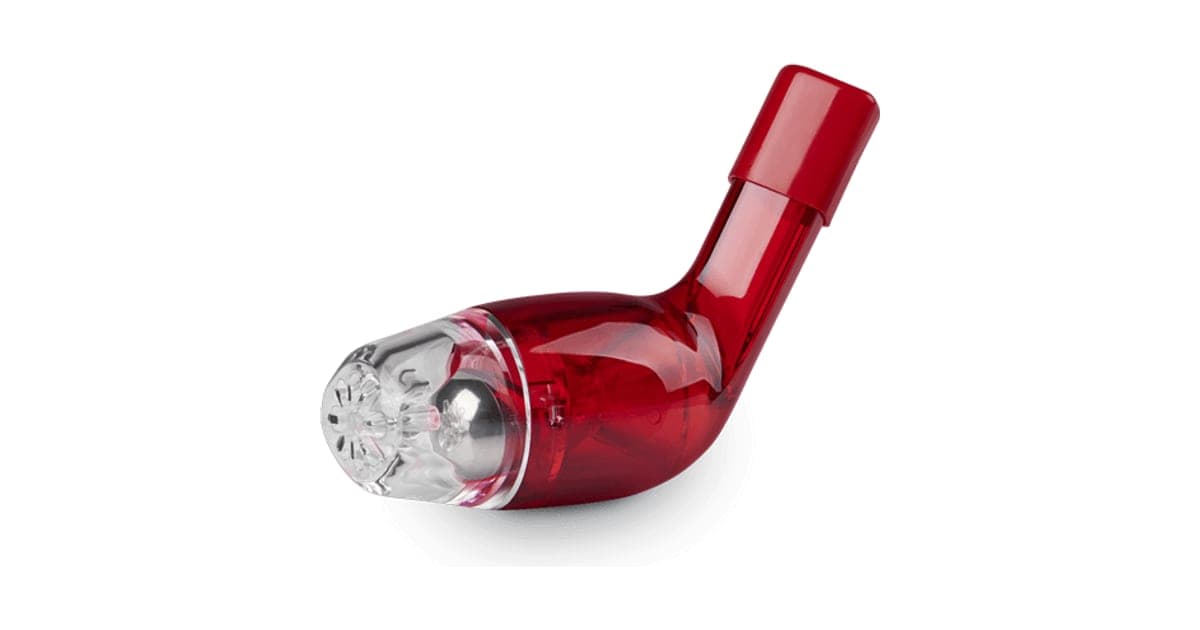
Score 5.7/10$64.99 at Better Breathing Sport
Check price at Better Breathing Sport (opens Better Breathing Sport in a new tab)We may earn a commission if you buy through our links.
- Best for
- Athletes who often get mucus on the chest after colds or long, hard sessions and want a simple way to clear it
- Not for
- Anyone buying it mainly to run, ride or swim faster; inspiratory muscle trainers have better evidence
$64.99 at Better Breathing Sport
Check price at Better Breathing Sport (opens Better Breathing Sport in a new tab)We may earn a commission if you buy through our links.
On this page · 14 sections
- 01Our verdict
- 02The short version
- 03Pros & cons
- 04How it works
- 05Who it's for
- 06What do you get with Better Breathing Sport, and what does it cost?
- 07Does Better Breathing Sport improve performance, as claimed?
- 08Who gets the most from Better Breathing Sport?
- 09Is Better Breathing Sport better than AirPhysio or an inspiratory muscle trainer?
- 10Is Better Breathing Sport safe and legit, and what should you check before buying?
- 11What do owners say, and how did we score Better Breathing Sport?
- 12How to use Better Breathing Sport for the best results
- 13What else do athletes ask about breathing devices?
- 14Frequently asked questions
Our verdict
Only if you want a simple tool to clear mucus from your chest, not if you want to perform better. Better Breathing Sport is an oscillating breathing device with two resistance balls, the same principle as airway clearance devices, sold to athletes with claims about oxygen delivery, lactic acid, recovery and sleep. At $64.99 with a 30-day guarantee, the price is reasonable for what it is. It scores 5.7 out of 10, held back by performance claims that the research on breathing devices does not support for this kind of device, and by a thin independent owner record.
The short version
- A handheld oscillating positive expiratory pressure (OPEP) device: you breathe out through it, a steel ball bounces, and the vibration and resistance act on your airways.
- Comes with two steel balls, medium and large, to set the resistance, according to retail listings.
- $64.99 for one, $149.98 for three and $224.97 for five on the offer page our link opens, on 3 October 2026, with a 30-day guarantee.
- Best trait: a drug-free, battery-free way to help clear mucus after colds or heavy training.
- Biggest drawback: performance claims that do not match what breathing-device research shows.
- Our score: 5.7 out of 10, with the lowest mark for claim accuracy.
Pros & cons
Better Breathing Sport is a reasonable airway clearance device dressed in sports branding. If you buy it to help clear a chesty cough after a cold or a hard block of training, it does what it says. If you buy it to run faster or recover quicker, the evidence is not there for this design.
What we like
- Two interchangeable steel balls give a medium and a higher breathing resistance, per retail listings
- Mechanical, with no batteries or refills; small enough for a kit bag
- Uses the same oscillating PEP principle as established airway clearance devices
- Can help athletes who get mucus on the chest after colds or heavy training to clear it
- 30-day money-back guarantee and free shipping on multi-packs
What we don't
- Performance claims about oxygen delivery, lactic acid, recovery and sleep are not supported for this type of device
- Breathing-muscle research with athletes mostly used inspiratory trainers, which work differently
- Endorsements from a sports star are paid marketing, not evidence
- Not safe for everyone: a collapsed lung, ear problems and some heart conditions rule it out
- No independent rating for the product; one Australian retailer lists it as discontinued
Sold by Better Breathing Sport
Better Breathing Sport$64.99
How it works
The device is an oscillating PEP device: you breathe out against a vibrating resistance. The sales page frames that as performance training.
You breathe out against a steel ball
Step 1: A stainless steel ball sits in a cone inside the device; breathing out through the mouthpiece lifts the ball, which creates resistance, and swapping to the larger ball makes the breath out harder.
The ball bounces and the airways vibrate
Step 2: The ball rises and falls many times during each breath, so the pressure in your airways rises and falls rapidly; that oscillation vibrates the airway walls, the same effect airway clearance devices use to loosen mucus.
Your breathing muscles work harder
Step 3: Breathing out against resistance makes the muscles you use to exhale work harder for a few breaths; the sales page presents this as training, though the device is used for only seconds before exercise.
Who it's for
Better Breathing Sport suits athletes who regularly end up with mucus on the chest, after colds, in winter or after long, hard sessions, and want a quick, drug-free way to clear it. It also suits people who enjoy a short breathing routine before training and like having a tool to focus it. It is not the right buy if your goal is measurable performance; for that, the better-studied tool is an inspiratory muscle trainer, used daily over weeks.
In short, match the tool to the goal: mucus, this kind of device; relaxation, slow breathing; performance, a structured inspiratory training plan alongside your normal training.
- Athletes who often get mucus on the chest after colds or long, hard sessions and want a simple way to clear it
- People who like a short pre-workout breathing routine and want something to focus it on
- Anyone already using an oscillating PEP device who wants a second, sport-branded one for the kit bag
Who should skip it
- Anyone buying it mainly to run, ride or swim faster; inspiratory muscle trainers have better evidence
- People with a collapsed lung, tuberculosis, recent oesophageal surgery, right-sided heart failure or a perforated eardrum
- Athletes with asthma who would use it in place of their inhaler or warm-up plan
- Anyone who wants an easy, independent owner rating to judge it by
What do you get with Better Breathing Sport, and what does it cost?
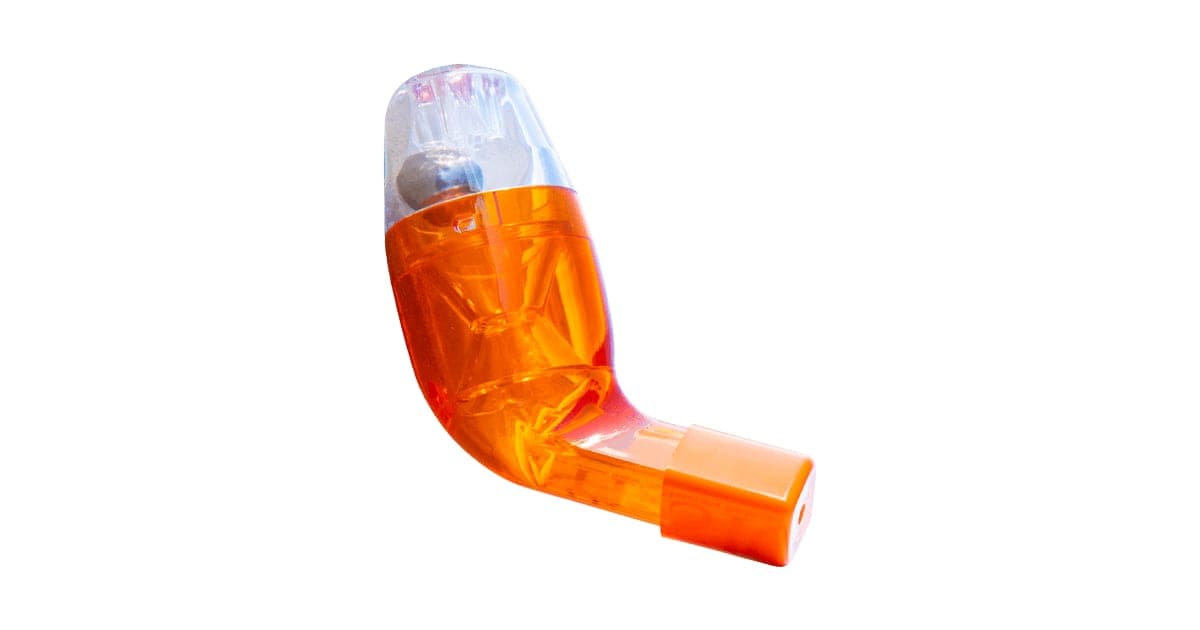
The device is a moulded plastic body with a mouthpiece, a clear cap and a steel ball inside a cone. Retail listings describe a kit with two balls of different sizes, so you can change the resistance, and a child-resistant cap. The images below are from the offer page our link opens.
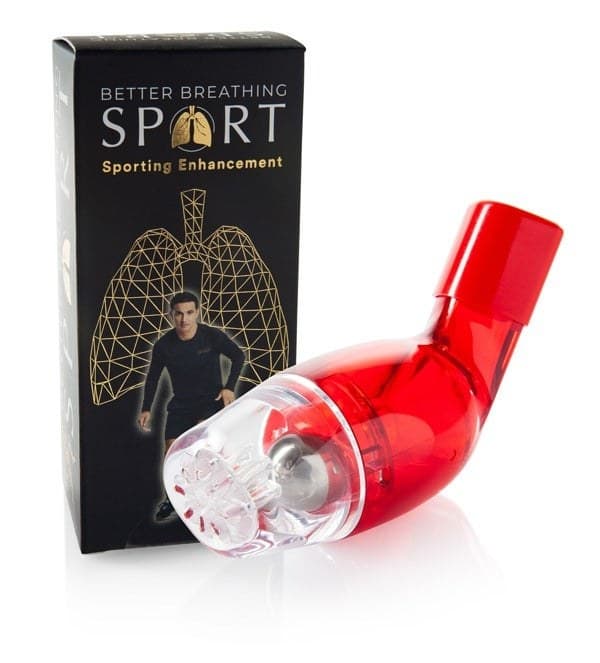
| Spec | Better Breathing Sport, as sold on 3 October 2026 |
|---|---|
| Type | Oscillating positive expiratory pressure (OPEP) device |
| Resistance | Two stainless steel balls, medium and large, per retail listings |
| Contents | Body, mouthpiece cap, child-resistant cap, dual cone, two balls, per a retail listing |
| Power | None; mechanical |
| Use, per the sales page | Breathe out 3 to 5 seconds, 5 to 10 times, before a workout |
| Lifespan claim | "Lasts up to 2 years", per the sales page |
| Made in | Australia, per the sales page |
| Regulatory status | Not marketed as a medical device for performance |
| Guarantee | 30-day money-back |
The offer page our link opens listed three bundles:
| Bundle | Each | Total | "Retail" shown |
|---|---|---|---|
| 1 device | $64.99 | $64.99 | $74.99 |
| 3 devices (buy 2, get 1 free) | $49.99 | $149.98 | $224.97 |
| 5 devices (buy 3, get 2 free) | $44.99 | $224.97 | $374.95 |
Shipping is free on the multi-packs; check the total for a single device at checkout. The "retail" prices are reference figures. One device is enough for one athlete, and each person should have their own, because it is used by mouth. An Australian retailer we checked listed the product as discontinued, so availability may vary by country.
One device, two balls: which to start with
Start with the medium ball. It is easier to lift, so you can learn to breathe out steadily and keep the ball bouncing without straining. Once that feels easy and controlled, try the large ball for a few breaths. If you go red in the face, feel pressure in your ears or head, or cannot keep the vibration going, go back to the medium ball. Harder is not better if it makes the technique fall apart.
Is $64.99 good value?
It depends entirely on what you want it for. As an airway clearance tool, $64.99 is in line with similar oscillating devices, and you get two resistance settings. As a performance tool, the same money buys an inspiratory muscle trainer, the type of device the research on athletes has actually studied. The multi-packs bring the price per device under $50, which helps only if a whole team or household wants one each.
How to buy Better Breathing Sport the smart way
- Decide what you want it for. If it is clearing mucus, it fits. If it is performance, read the evidence section first. Then open the Better Breathing Sport order page (opens Better Breathing Sport in a new tab).
- Choose a single device. The multi-packs are for teams or households, and devices should not be shared.
- Check the total at checkout, including shipping for a single device.
- Save the order confirmation and note the date; the guarantee is 30 days.
- When it arrives, check both balls are in the box, the caps fit snugly and the body has no cracks.
- Use it as directed for two to three weeks, and decide well inside the 30 days.

Better Breathing SportScore 5.7/10
Best for: Athletes who often get mucus on the chest after colds or long, hard sessions and want a simple way to clear it
$64.99 at Better Breathing Sport · Price checked October 3, 2026
Check price at Better Breathing Sport (opens Better Breathing Sport in a new tab)We may earn a commission if you buy through our links.
Does Better Breathing Sport improve performance, as claimed?
No published evidence shows it does. Better Breathing Sport is an oscillating PEP device with two resistance balls, so breathing out against it vibrates the airways and can help loosen mucus. Its claims about oxygen delivery, lactic acid, training times, recovery and sleep are not supported for this kind of device. Research on athletes' breathing muscles mostly used inspiratory trainers, which work when you breathe in.
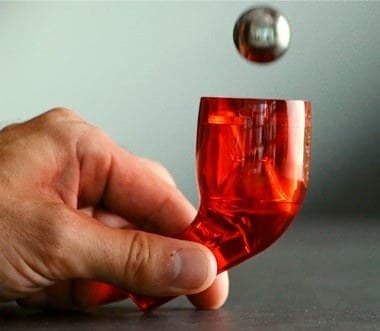
The steel ball that sets the resistance
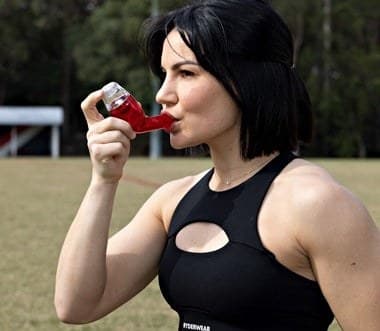
In use before training, from the sales page
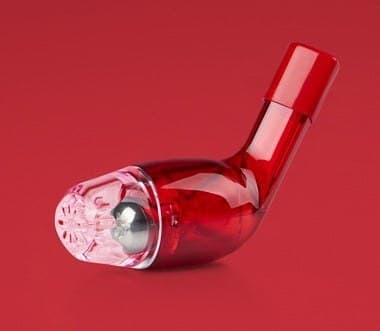
The device, side view
Two resistance settings
The device comes with two balls. The larger, heavier ball needs more effort to lift, so breathing out against it is harder; the medium ball is easier. Retail listings suggest swapping to the medium ball if you cannot keep a steady vibration. That gives you a basic way to match the device to your breathing strength, which is more adjustability than some single-ball devices offer.
It is still coarse. Breathing-muscle trainers used in research often let you set the resistance in small steps and increase it as you get stronger, which is how training works for any muscle. Two fixed settings are a start and finish, not a progression.
"Improves oxygen delivery" and "reduces lactic acid"
The sales page says the device helps "optimize your oxygen delivery system", "reduce lactic acid buildup in the muscles" and get more oxygen to the muscles "faster". There is no published evidence for any of this with this kind of device.
In healthy athletes, oxygen delivery is limited mainly by the heart and the blood, not by mucus in the airways or by how hard you can breathe out. Lactate builds up during hard effort because of how muscles produce energy, and it is cleared after effort, faster with an easy cool-down. Ten breaths through a resistance device before a workout cannot change either of those meaningfully.
"Improves training and workout times" and "recovery times"
Breathing-muscle training does have some research behind it. A 2022 meta-analysis of inspiratory muscle training with a commercial trainer found significant increases in maximal inspiratory pressure and improvements in sports performance across soccer, swimming and basketball studies. The training in those studies was typically two sets of 30 breaths a day for four to six weeks, against an inspiratory resistance.
A 2025 meta-analysis of respiratory muscle training in athletes, covering 25 studies and 522 athletes, also found benefits on time trials and endurance tests, mostly from inspiratory training, with less fit people gaining more. A handful of studies suggested combining inspiratory and expiratory training may help further.
Better Breathing Sport is different on every count: it loads breathing out, not breathing in; it adds vibration; and the suggested use is a few breaths before exercise, not a daily training block. None of the research above tested this device. It is possible that using it daily for weeks would train the expiratory muscles a little, but that is a guess, not a finding.
"Improves shallow breathing", "sleep" and "energy"
The page also lists improved shallow breathing, sleep and energy. Slow, deep breathing can feel calming, and a short, focused breathing routine may help some people settle before a session. That is a benefit of breathing slowly, which you can do without a device. There is no evidence the device itself improves sleep or energy.
Vibration vs resistance: what each part does
The device does two things at once. The resistance, from having to lift the ball, creates positive pressure in the airways while you breathe out, which helps hold small airways open. The vibration, from the ball bouncing, shakes the airway walls, which helps loosen mucus. Both are useful for airway clearance. For athletic performance, neither is the kind of stimulus training studies have used: those load the breathing muscles steadily over weeks, usually while breathing in, and increase the load as the muscles adapt.
"Clears lungs" and "less mucus"
This is the claim that fits the design. Oscillating PEP devices are used in medicine to help loosen and clear mucus, and AirPhysio, which uses the same principle, holds an FDA clearance for that job. Several testimonials on the sales page describe exactly this effect: shifting phlegm after colds or heavy training. If that is your problem, the device is likely to help in the way those owners describe. It is the one claim on the page that matches what the hardware does, and it is the honest reason to buy it.
Tim Cahill and "trusted by top athletes"
The page presents former Australian football star Tim Cahill as its spokesperson, and press coverage has linked him and cricketer Brett Lee with AirPhysio. Testimonials come from a swimmer, a cricketer and others. Endorsements show who promotes a product; they are paid marketing and are not evidence that it improves performance. Many elite athletes use breathing tools as part of a wider programme that their coaches design, alongside the training, nutrition and recovery work that does most of the heavy lifting. A device in an athlete's hand in a photo tells you about the marketing budget, not the training plan.
The numbers on the sales page
The page cites more than $22 million in sales, 3,900 five-star reviews and 250,000 people who love the product. The same $22 million and 3,900 figures appear on the AirPhysio for Children sales page. We could not verify them, and there is no independent review profile for Better Breathing Sport that we could find.
Child-resistant cap and small parts
Retail listings say the kit includes a child-resistant cap, which matters because the device has small parts, including two steel balls, that come out when you take it apart. Keep it out of reach of young children at home, and keep the spare ball in a sealed bag rather than loose in a kit bag where it can roll away. Losing a ball leaves you with one setting until support sends a replacement.
Who gets the most from Better Breathing Sport?
It suits athletes who get chesty after colds or winter training and want a simple tool to help clear mucus, and people who like a short, structured breathing routine before a session. If you want to train breathing muscles for performance, an inspiratory muscle trainer used daily for four to six weeks is the better-studied option. Anyone with fever, chest pain or blood in their cough should see a doctor.
If you get chesty after colds or in winter training
Runners, cyclists and team-sport players who train through winter often end up with mucus on the chest after a cold. An oscillating PEP device can help clear it, and some athletes find that makes training more comfortable while they recover. If you have a fever, chest pain or are coughing blood, rest and see a doctor rather than training through it.
If you want a pre-workout breathing routine
Some athletes like a short breathing routine to settle before a session. Ten slow, deep breaths with a long, controlled exhale can help you focus and relax, with or without a device. If having a tool in your hand makes you more likely to do it, the device can serve that purpose; just do not expect it to change your times.
If you want to train your breathing muscles
If you want to train breathing muscles for performance, the better-studied option is an inspiratory muscle trainer, used daily for four to six weeks with gradually increasing resistance. That is where the research on athletes is strongest. Some athletes add expiratory training, but the evidence there is thinner.
If you have exercise-induced asthma
Breathlessness, wheeze or coughing during or after exercise can be exercise-induced bronchoconstriction, which a doctor can test for and treat, usually with a reliever before exercise and a proper warm-up. A resistance device is not a treatment, and breathing out against resistance during a flare-up is harder. Keep to your asthma plan.
If you are a parent of a young athlete
The sales page says the device suits everyone from children to seniors. Children with breathing problems during sport should see a doctor first. The brand's children's device is covered in our AirPhysio for Children review; for a healthy child, play and sport are the training.
If you are an older or masters athlete
Breathing muscles weaken somewhat with age, and the research suggests less fit people gain more from breathing-muscle training than elite athletes. If you are an older athlete curious about breathing training, an inspiratory trainer with a gradual programme is the better-studied option. Any new breathlessness, chest tightness or dizziness during exercise needs a doctor's check before you train through it.
If you are recovering from a chest infection
After a chest infection, mucus can linger for a couple of weeks. A few sessions with an oscillating device, followed by huffs and a cough, may make clearing it easier. Go back to training gradually, and see a doctor if you have a fever, chest pain, worsening breathlessness or a cough that lasts more than three weeks.
If you coach a team
The multi-packs are aimed at teams. If you are considering one, think about hygiene first: each player needs their own device, labelled and cleaned, never shared or left in a communal bag. Some players will have asthma or other conditions that need medical advice before using any breathing device. And be honest with players about what it does: a short pre-session breathing routine can help them settle and focus, but the research does not show this device improves performance.
Is Better Breathing Sport better than AirPhysio or an inspiratory muscle trainer?
Better Breathing Sport and AirPhysio look and work almost the same, a steel ball in a cone; AirPhysio is sold for mucus clearance with an FDA clearance, while this device is sold for performance. For clearing mucus, pick the one whose resistance suits you. For performance, an inspiratory muscle trainer is the tool research has actually tested, and consistent training matters more than any gadget.
| Tool | What it does | Evidence for performance | Typical cost |
|---|---|---|---|
| Better Breathing Sport | Oscillating expiratory resistance, two settings | None published for this device | $64.99 |
| AirPhysio | Oscillating expiratory resistance, for mucus | Cleared for mucus clearance, not performance | Similar |
| Inspiratory muscle trainer | Adjustable resistance when breathing in | Modest gains in meta-analyses of athletes | About $40 to $100 |
| Altitude-style training masks | Restrict airflow | Little evidence of altitude-like effects | About $30 to $80 |
| Breathing practice, no device | Slow nasal breathing, long exhales | Helps relaxation; free | Free |
If clearing mucus is what you need, Better Breathing Sport and AirPhysio do the same job; our AirPhysio review covers that device and its FDA clearance. If performance is the goal, an inspiratory muscle trainer is the tool the research has actually tested. If relaxation before a session is the goal, slow breathing costs nothing.
Where it sits next to AirPhysio
Better Breathing Sport and AirPhysio look and work almost the same: a steel ball in a cone, an angled mouthpiece, Australian-made branding and the same kind of offer page.
The differences are the audience and the claims. AirPhysio is sold for mucus clearance, the job its FDA clearance covers, and comes in versions for different lung capacities and for children. Better Breathing Sport is sold for performance and comes with two balls for different resistance. If you are choosing between them to clear mucus, pick the one whose resistance suits you; if you are choosing for performance, neither is the tool the research supports.
How an inspiratory muscle trainer is used
Inspiratory muscle trainers are small handheld devices with a spring-loaded valve that resists your breath in. In the studies on athletes, a typical programme was 30 breaths, twice a day, at a resistance set around half of your maximum, for four to six weeks, with the resistance increased as you got stronger. That is a training plan with a dose and a progression, which is why it can produce measurable changes in breathing-muscle strength. If that is what you want, it is a better match than an expiratory oscillating device used for a few breaths before exercise.
What actually improves endurance
Breathing devices sit at the edge of what improves performance. The big levers are well known and cost little: a consistent aerobic base, structured harder sessions, enough sleep, enough food and fluid, and gradual increases in training. Breathing-muscle training may add a little on top for some people. No breathing device makes up for missing the basics.
Altitude masks and nasal strips
Two other breathing products are popular with athletes. Altitude-style training masks restrict airflow, which makes breathing harder but does not lower the oxygen in the air the way real altitude does, so they do not reproduce altitude training. Nasal strips hold the nostrils open and can make nasal breathing more comfortable for some people, with little evidence of performance gains. Neither is a substitute for training, and neither is designed to clear mucus.
If you have decided an oscillating device suits you, buying through the Better Breathing Sport offer page (opens Better Breathing Sport in a new tab) gets you the two-ball kit with a 30-day guarantee. Our health gadgets section covers more devices sold with health claims, including the Air-C leg massager, another recovery product whose evidence is modest.
For the full side-by-side on evidence, adjustability, owner ratings and guarantees, see our AirPhysio vs Better Breathing Sport comparison.
Better Breathing SportScore 5.7/10
Why people buy it: Two interchangeable steel balls give a medium and a higher breathing resistance, per retail listings
$64.99 at Better Breathing Sport · Price checked October 3, 2026
Check price at Better Breathing Sport (opens Better Breathing Sport in a new tab)We may earn a commission if you buy through our links.
Is Better Breathing Sport safe and legit, and what should you check before buying?
Better Breathing Sport is a real device with a 30-day guarantee, but we found no independent owner rating, and one Australian retailer lists it as discontinued. Some people should not use it, including those with an untreated collapsed lung, tuberculosis, recent oesophageal surgery, right-sided heart failure or a ruptured eardrum. Check with a doctor if you have asthma or a heart or lung condition, and treat the performance claims as marketing.
None of these rule the device out. Each one changes how you should buy and use it.
Some people should not use it. A retailer's listing for the product warns against use with an untreated collapsed lung, tuberculosis, oesophageal surgery, right-sided heart failure and middle ear problems such as a ruptured eardrum. General guidance for positive expiratory pressure devices adds coughing blood and recent face, sinus or skull surgery. If any apply, or you have a heart or lung condition, ask a doctor.
The performance claims are marketing. Oxygen delivery, lactic acid, recovery, sleep and energy claims have no published support for this device. Buy it for what it can do.
It is not an asthma treatment. Athletes with asthma should keep to their inhaler and warm-up plan. Do not use the device during wheeze or breathlessness.
Stop if you feel dizzy. Repeated deep breaths and forceful exhales can make you light-headed. Stop, breathe normally and sit down.
Availability varies. One Australian retailer listed it as discontinued. Buy from the offer page or a retailer that has it in stock, and keep your order confirmation.
Know the return terms. The offer page promises a 30-day money-back guarantee and hassle-free returns. A device used by mouth cannot be resold, so check the written terms at checkout: whether it must be unused, who pays postage and how the refund is made. Keep the box, both balls and the order confirmation.
Breathlessness that needs a doctor
Getting out of breath during hard exercise is normal. Some patterns are not, and should be checked before you buy any breathing gadget:
- Breathlessness that is new, or much worse than your usual for the same effort.
- Wheeze, chest tightness or coughing during or after exercise, which can be exercise-induced asthma.
- Chest pain, palpitations, fainting or near-fainting during exercise.
- Breathlessness that comes with ankle swelling or when lying flat.
These need a medical assessment, not a device.
Keep it personal and clean. It is used by mouth, so each person needs their own, cleaned regularly and dried fully.
What do owners say, and how did we score Better Breathing Sport?
Better Breathing Sport scores 5.7 out of 10: claim accuracy 0.7, build durability 1.3, price competitiveness 1.0, usability 1.5 and owner satisfaction 1.2, each out of 2. We found no independent review profile. The sales page testimonials, including a sprint swimmer and an athlete who uses it to loosen phlegm after colds, are personal impressions without control groups.
What owners say
There is no independent review profile for Better Breathing Sport that we could find. The testimonials on the sales page come from a sprint swimmer who says their lung capacity improved and they take fewer breaths per 50 metres, an athlete who says it loosens phlegm after colds or heavy training, a cricketer who used it before bowling, and a reviewer who says it clears their lungs. The mucus-clearing reports fit what the device does. The performance reports are personal impressions; there is no way to tell from them whether training, recovery or the device made the difference.
Why personal impressions can mislead
Athletes are good at noticing how they feel, and less good at telling why. Fitness changes week to week with training, sleep, the season and simple variation, and anyone who starts a new routine and expects it to help tends to notice improvements. Researchers handle this with control groups and blinded measurements; testimonials cannot. That is why the meta-analyses, not the testimonials, are the better guide to what breathing training can do.
What to look for in reviews of breathing devices
When you read reviews of any breathing gadget, separate three kinds of claim. Reports that it helped clear mucus are the most believable for an oscillating device, because that is what the design does. Reports that it felt calming fit what slow breathing does, device or not. Reports of faster times or bigger lungs are the least reliable, because training, season and expectation all change how athletes perform. A review that says "I coughed up more after a cold" tells you more than one that says "it changed my life".
AirPhysio, which uses the same principle and similar branding, has a large Trustpilot profile with a mixed score, where the common complaints are cracking plastic, thin instructions and delivery delays. Those are worth bearing in mind for any device of this kind.
How we researched this review
Nobody on our team has used Better Breathing Sport, and this review does not claim otherwise. Every score on the site follows the five criteria on our how we test page. For this review we read the offer page our link opens on 3 October 2026, an Australian retailer's product listing, two meta-analyses of breathing-muscle training in athletes, news coverage of the brand's endorsers, and AirPhysio's FDA filing for the same oscillating principle. The pages ranking for "Better Breathing Sport review" were press releases and advertorials; none tested the device.
How the score breaks down
| Criterion | Score | Why |
|---|---|---|
| Claim accuracy | 0.7 / 2 | Mucus-clearing claims fit; oxygen, lactic acid, recovery and sleep claims do not |
| Build durability | 1.3 / 2 | Simple mechanical device; similar devices report cracked plastic |
| Price competitiveness | 1.0 / 2 | $64.99 is close to an inspiratory trainer that has better evidence |
| Usability | 1.5 / 2 | Quick to use; two settings; technique takes a little practice |
| Owner satisfaction | 1.2 / 2 | Only seller testimonials; no independent rating found |
| Total | 5.7 / 10 |
How to use Better Breathing Sport for the best results
Check with a doctor first if you have asthma or a heart or lung problem. Start with the medium ball, sitting or standing upright with relaxed shoulders. Breathe in slowly through your nose, seal your lips around the mouthpiece and breathe out steadily so the ball vibrates. To clear mucus, follow a few breaths with two huffs, breathing out quickly through an open mouth, then a cough.
- Check with a doctor first if you have any condition in "Who should skip it", asthma, or a heart or lung problem.
- Start with the medium ball. Sit or stand upright with relaxed shoulders.
- Breathe in slowly and deeply through your nose, then seal your lips around the mouthpiece.
- Breathe out steadily for three to five seconds so the ball bounces; tilt the device slightly until you feel vibration in your chest.
- Repeat five to ten times, with a normal breath or two in between, as the sales page suggests.
- If you have mucus, finish with two "huffs", breathing out hard with an open mouth, and a cough to clear it.
- Stop if you feel dizzy or light-headed, and never use it during a wheeze or asthma symptoms.
Huff coughing, step by step
If you are using the device to clear mucus, the huff matters as much as the device. After a few breaths through it, take a medium breath in, then breathe out quickly and steadily through an open mouth, as if fogging up a mirror, keeping your throat open. Do two huffs, then a single cough to clear what has moved up. A harsh, repeated cough wastes energy and can irritate the airways; a huff moves mucus more gently.
Using it in cold weather
Cold, dry air is a common trigger for chest tightness and coughing in athletes, especially those with asthma or exercise-induced symptoms. If you train in winter, a longer warm-up indoors and a scarf or buff over your mouth in the first minutes do more for comfort than a breathing device. If cold air regularly makes you wheeze or cough, see a doctor.
Using it as part of a warm-up
If you use it before training, keep it short and treat it as part of your warm-up, not instead of one. A few minutes of easy movement, mobility and gradually faster efforts prepare your body far more than breathing exercises alone. If you want to train breathing muscles seriously, set aside a separate daily session with an inspiratory trainer rather than relying on a few breaths before exercise.
A fair one-month trial
If you want to judge it fairly within the guarantee, pick something you can measure, such as your time on a familiar route or how you feel in the first ten minutes of a run, and note it before you start.
Use the device as directed before every session for three weeks without changing anything else. Compare at the end, on a day with similar weather and sleep. If you cannot tell the difference, or the only change is that clearing mucus is easier, decide whether that alone is worth $64.99 to you, and return it inside the 30 days if not.
Cleaning and care
Clean the device regularly, and after every use when you have a cold. Take it apart, wash the body, caps and balls in warm water with mild detergent, rinse, and let everything dry fully before reassembling. Keep both balls together in a small bag so you do not lose one, and check the plastic for cracks every week.
Fixing common problems
No vibration. Change the angle a little, breathe out slightly faster, and make sure your lips seal around the mouthpiece. If you still cannot get the ball bouncing, swap to the medium ball.
Dizziness. You are breathing too fast or too deeply. Slow down, take normal breaths between efforts and do fewer repetitions.
You lost a ball. The device needs a ball to work. Contact support for a replacement rather than substituting something else.
Better Breathing SportScore 5.7/10
Before you buy: Check the final price, shipping and return terms at checkout.
$64.99 at Better Breathing Sport · Price checked October 3, 2026
Check price at Better Breathing Sport (opens Better Breathing Sport in a new tab)We may earn a commission if you buy through our links.
What else do athletes ask about breathing devices?
Most questions are about what breathing devices can do. Better Breathing Sport is not an inspiratory muscle trainer: it adds resistance when you breathe out, while most research on athletes studied resistance when breathing in. No device has been shown to make healthy lungs bigger, so lung capacity claims are marketing. Breathing through a resistance device does not mimic altitude or prepare you for it.
Is Better Breathing Sport an inspiratory muscle trainer?
No. Inspiratory muscle trainers add resistance when you breathe in, which trains the diaphragm and other inspiratory muscles, and that is what most research on athletes has studied. Better Breathing Sport adds resistance and vibration when you breathe out. They are different tools for different purposes.
Can it increase lung capacity?
In healthy adults, lung size is largely fixed by your body. Training can strengthen breathing muscles and improve how efficiently you breathe, but no device has been shown to make healthy lungs bigger. Claims about restoring or increasing lung capacity should be read as marketing.
Does it help with altitude?
There is no evidence that breathing through a resistance device mimics altitude or prepares you for it. Real altitude acclimatisation comes from spending time at altitude. Training masks and breathing devices do not reduce the oxygen in the air you breathe in the same way.
Can swimmers use it?
Swimmers sometimes use breathing tools as part of dryland training, and one testimonial on the sales page comes from a sprint swimmer. As with other athletes, the research supports inspiratory training more than expiratory oscillation. It is not designed to be used in the water.
How long does it last?
The sales page says up to two years. It has no electronics, so with gentle care it can last a long time; the parts that wear are the plastic joints. Replace it if it cracks or the ball no longer moves freely.
Can I use it after a workout instead of before?
You can, and if your main reason is clearing mucus, after training or in the evening may suit you better, since exercise itself helps move mucus. The sales page suggests using it before a workout. There is no evidence that timing changes its effect on performance, because there is no evidence it affects performance either way.
Is it allowed in competition?
Breathing devices like this are not drugs, and we know of no anti-doping rule that bans using one in training. Rules about equipment during competition vary by sport and event, so check with your federation or race organiser before using any device at the start line.
Is it safe for teenagers?
The sales page says it suits all ages. A healthy teenager using it as directed is unlikely to come to harm, but there is no evidence it improves performance in young athletes either. Teenagers with asthma or breathing symptoms during sport should see a doctor rather than use a gadget, and every young athlete should have their own device if they use one.
Does nasal breathing training help?
Some athletes practise breathing through the nose during easy training to slow their breathing and stay relaxed. It can make easy sessions feel calmer and is free. Evidence that it improves performance is limited, and during hard efforts most people need to breathe through the mouth. It is a separate practice from using a resistance device.
Frequently asked questions
Does Better Breathing Sport improve athletic performance?
There is no published evidence that this device improves performance. Research on breathing-muscle training in athletes mostly uses inspiratory trainers over four to six weeks of daily sessions, and shows modest gains. Better Breathing Sport is an expiratory oscillating device used for seconds before exercise, which is a different thing.
Is Better Breathing Sport the same as AirPhysio?
It works the same way, with a steel ball that vibrates as you breathe out, and is sold through the same kind of offer page with similar Australian-made branding. It is marketed to athletes and comes with two balls for different resistance. AirPhysio is marketed for mucus clearance and holds an FDA clearance for that use.
Does Better Breathing Sport reduce lactic acid?
No device you breathe through before exercise has been shown to reduce lactic acid in your muscles. Lactate builds up during hard effort and is cleared by your body after it, faster with an easy cool-down. The sales page's claims about oxygen delivery and lactic acid are not supported.
How do you use Better Breathing Sport?
The sales page says to breathe out through the device for three to five seconds, about five to ten times, before your workout. Sit or stand upright, take a deep breath in, seal your lips and breathe out steadily so the ball bounces. Start with the medium ball and stop if you feel dizzy.
Who should not use Better Breathing Sport?
Retail warnings list an untreated collapsed lung, tuberculosis, oesophageal surgery, right-sided heart failure and middle ear problems such as a ruptured eardrum. Anyone coughing blood or who has had recent face, sinus or skull surgery should also avoid positive expiratory pressure devices. Ask a doctor if you have any lung or heart condition.
How much does Better Breathing Sport cost?
On 3 October 2026 the offer page showed $64.99 for one, $149.98 for three and $224.97 for five, with free shipping on the multi-packs and a 30-day money-back guarantee. One device is enough for one athlete, and it should not be shared.
Is Tim Cahill really behind Better Breathing Sport?
The former Australian football star is presented as the brand's spokesperson on its sales page and in press releases, and has also been linked to AirPhysio in news coverage. Celebrity endorsements are paid marketing. They tell you who promotes a product, not whether it improves performance.
Is a breathing trainer worth it for runners?
An inspiratory muscle trainer, used daily for several weeks, has modest evidence of improving endurance, especially in less trained people. Better Breathing Sport is not that kind of device. For most runners, structured training, good sleep and a proper warm-up do more than any breathing gadget.
We may earn a commission if you buy through our links.
This content is for informational purposes and is not medical advice. Talk to a qualified professional before using any product that affects your health.
Prices accurate as of October 3, 2026. Check the seller's checkout for current pricing, promotions and terms.
What we checked: No hands-on use. Claims, directions, bundles, guarantee and product images from the Better Breathing Sport offer page our link opens (getbetterbreathingsport.io) on 2026-10-03. Contents, the two ball sizes and the warnings from an Australian retailer's product listing the same day. A 2022 meta-analysis of inspiratory muscle training in athletes, a 2025 meta-analysis of respiratory muscle training in athletes, news coverage of the brand's endorsers, and AirPhysio's FDA 510(k) summary were read the same day.
Compare Better Breathing Sport

About the author
James Wilson, Consumer Tech Writer
James Wilson covers health and wellness technology for Top10Gadgets: breathing devices, massagers, hearing aids, dental and weight-loss products, and the other gadgets sold with a promise to make life easier. James write…
- Health and wellness gadgets
- Over-the-counter hearing aids
- Breathing and massage devices
- FDA clearance and registration
- Tech for beginners
Writing for Top10Gadgets since 2026Full profile