Health Gadgets / Breathing devices
Moonbird Review: How the Handheld Breathing Device Works, What the Science Says and Whether It Is Worth $199.99
A pebble-shaped device that expands and contracts in your hand so you can breathe along without a screen. Owners rate it highly and a small study backs it, but it is expensive.

By James Wilson, Consumer Tech Writer at Top10Gadgets
Updated 30 min readHow we test
Quick answer
Yes, if you want to use slow breathing to calm down or wind down at night but find apps and counting hard, and you are happy to pay for a well-made, screen-free guide. Moonbird gently expands and contracts in your hand, pairs with an optional HRV app, comes from a real Belgian company with a small peer-reviewed study, and owners rate it very highly.
Score 6.6/10$199.99 at Moonbird
Check price at Moonbird (opens Moonbird in a new tab)We may earn a commission if you buy through our links.
- Best for
- People who want to use slow breathing for stress but struggle to concentrate on apps or counting
- Not for
- Budget-conscious buyers who are happy with free breathing apps or simple techniques
$199.99 at Moonbird
Check price at Moonbird (opens Moonbird in a new tab)We may earn a commission if you buy through our links.
On this page · 14 sections
- 01Our verdict
- 02The short version
- 03Pros & cons
- 04How it works
- 05Who it's for
- 06How much does Moonbird cost, and what's in the box?
- 07Does Moonbird work, and what does the science say?
- 08Are Moonbird's claims true?
- 09Is Moonbird better than free breathing apps or Dodow?
- 10Is Moonbird legit, and what should you check before buying?
- 11What do owners say, and how did we score Moonbird?
- 12How to use Moonbird for the best results
- 13What else do people ask about breathing devices?
- 14Frequently asked questions
Our verdict
Yes, if you want to use slow breathing to calm down or wind down at night but find apps and counting hard, and you are happy to pay for a well-made, screen-free guide. Moonbird gently expands and contracts in your hand, pairs with an optional HRV app, comes from a real Belgian company with a small peer-reviewed study, and owners rate it very highly. But $199.99 is steep, "guaranteed" calm overstates things, and free techniques work for many people. Moonbird scores 6.6 out of 10, held back mainly by price.
The short version
- A handheld device that expands and contracts to guide slow breathing.
- Screen-free; optional free app shows heart rate and HRV from a thumb sensor.
- Sessions of 2 to 5 minutes for quick calm or 10 to 20 minutes for deeper relaxation.
- $199.99 on 4 October 2026; two for $299.99, three for $399.98, free shipping.
- Moonbird's European store listed it at €179.
- A 2025 peer-reviewed study of 36 stressed adults found short-term changes during use.
- Trustpilot: 4.7 from more than 900 reviews.
- 30-day money-back guarantee.
- Best trait: makes slow breathing effortless to follow.
- Biggest drawback: a high price for something free techniques can also teach.
- Our score: 6.6 out of 10.
Pros & cons
Moonbird is one of the more credible wellness gadgets: a real company, a real mechanism and strong owner reviews. The main cons are price and marketing language.
What we like
- Screen-free breathing guidance: the device expands and contracts in your hand, so you breathe along without counting
- Slow, paced breathing has good evidence for calming the body and is widely used for stress and sleep
- Real company from Antwerp, Belgium, with a peer-reviewed 2025 study of its device
- Optional app shows heart rate and HRV from a thumb sensor, and lets you adjust breathing patterns
- Highly rated: Trustpilot 4.7 from more than 900 reviews; 30-day money-back guarantee
What we don't
- $199.99 is a lot for a breathing guide when free apps and techniques exist
- "Guaranteed to work" and "calm in under 5 minutes" overstate what any breathing tool can promise everyone
- The EEG study involved 36 people and was linked to the company; it shows short-term changes, not treatment of anxiety
- Proprietary charging cable, which several owners dislike
- Not a treatment for anxiety disorders, panic disorder or insomnia
Sold by Moonbird
Moonbird$199.99
How it works
When you are stressed, breathing tends to become fast and shallow. Slowing your breathing, especially with longer exhales, is one of the most reliable ways to calm the body. It activates the parasympathetic "rest and digest" system through the vagus nerve, slows the heart and lowers arousal.
Shake to start and hold it
Step 1: Give Moonbird a gentle shake to wake it and hold it in your palm with your thumb on the sensor. It begins to expand and contract slowly.
Breathe along with it
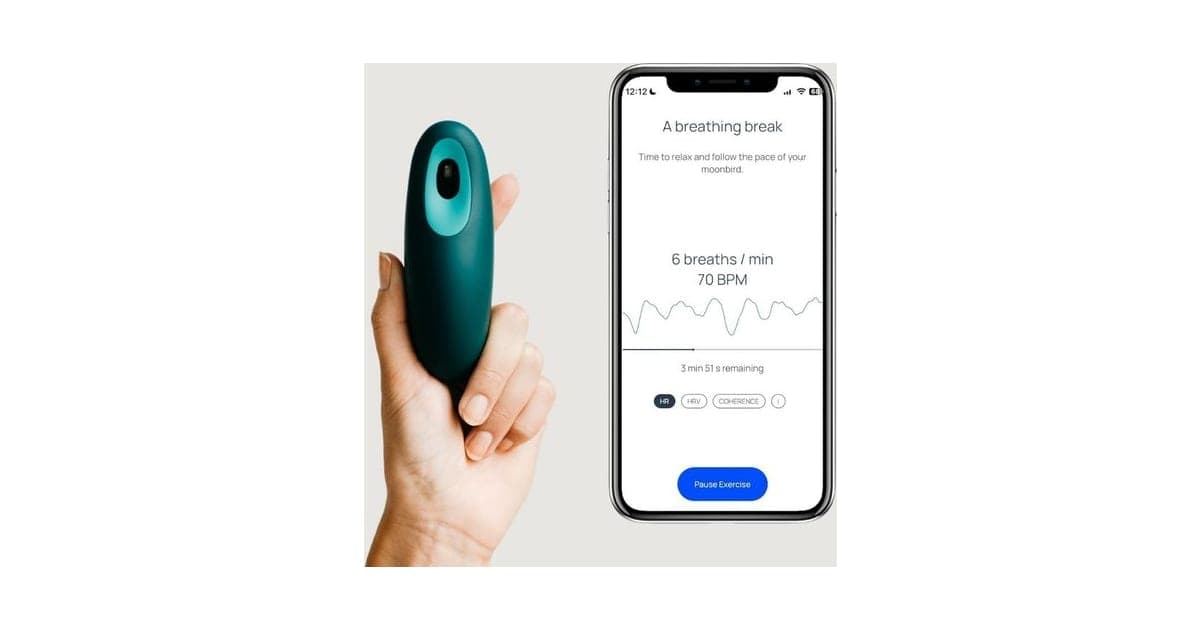
Step 2: Breathe in as it expands and out as it contracts. The default pattern slows your breathing to around six breaths a minute with a longer exhale, which tends to calm the body.
Optional app for feedback
Step 3: If you use the free app, you can see your heart rate and heart rate variability during sessions, choose different breathing patterns and track how sessions affect you over time.
Tactile guidance
Most breathing aids use sound or visuals: a voice, an animation, a bell. Moonbird uses touch. As the device swells and shrinks, you follow it with your breath. The company argues touch is easier to follow when your mind is racing, because you do not have to concentrate on a screen or count.
The breathing rhythm
The default pattern slows breathing to around six breaths a minute with a longer exhale, as the app screenshot on the page shows. That pace is often called resonance or coherent breathing and is linked with higher heart rate variability.
Heart rate and HRV
A sensor where your thumb rests measures your pulse. The app shows heart rate and HRV, a measure of the variation between heartbeats that tends to rise when you are relaxed. Seeing these change during a session is motivating for many people.
Charging
Moonbird is rechargeable. Several Trustpilot reviewers mention that it uses a proprietary charging cable, so keep it safe.
Why breathing affects the nervous system
Your breathing and heart rate are linked. When you breathe in, heart rate rises slightly; when you breathe out, it falls. This natural rhythm, called respiratory sinus arrhythmia, becomes more pronounced with slow breathing. Longer exhales give more time to the slowing phase, which is one reason breathing techniques emphasise the out-breath. Over a few minutes, the body shifts towards a calmer state.
Nose breathing
Breathing through the nose is generally slower and more controlled than mouth breathing, and many breathing coaches recommend it. If your nose is blocked, breathe gently through the mouth instead; the pace matters more than the route.
Why six breaths a minute
Research on resonance breathing suggests many adults reach the largest swings in heart rate, and the highest HRV, at around five to seven breaths a minute, roughly a ten-second cycle. Moonbird's default pattern sits in that range. The app lets you adjust the pace, which matters because some people find six breaths a minute too slow at first.
Touch as a guide
The idea behind Moonbird is that following something you feel is easier than following something you see or count. When you are anxious, attention jumps around; a gentle physical rhythm in your hand can anchor it. There is less research on tactile guidance specifically than on slow breathing generally, but the 2025 study found participants preferred Moonbird's handling and guidance over another tactile device.
Who it's for
Moonbird suits people who know breathing exercises help but struggle to do them: their mind wanders, they lose count, or they do not want to look at a phone before bed. It suits people who like a physical object and a small daily ritual, and data-minded people who enjoy seeing HRV improve.
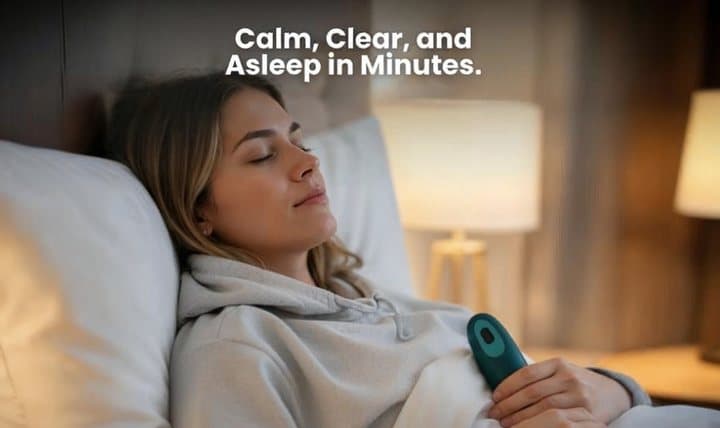
Moonbird marketed for falling asleep
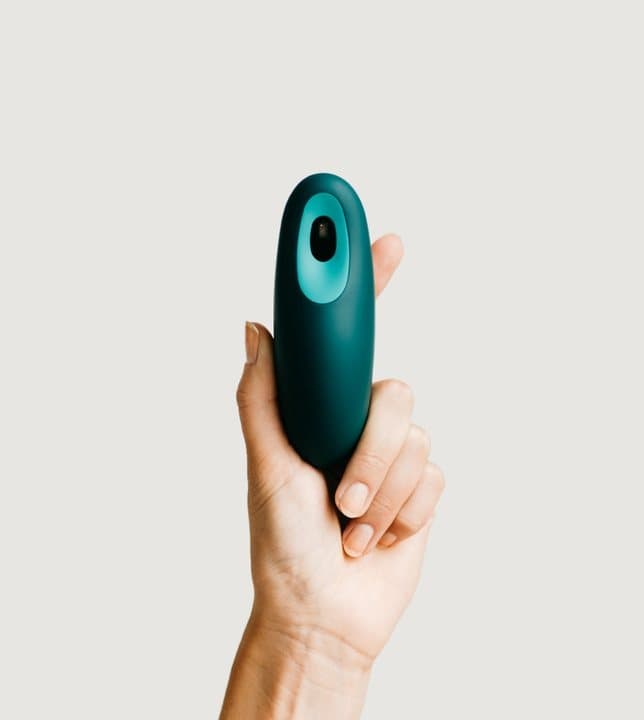
Moonbird's size in the hand
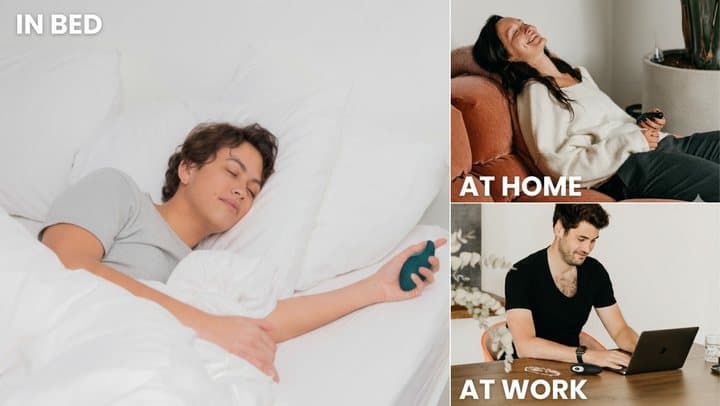
Using Moonbird in bed, at home and at work
It suits people less well if they are happy with free apps, or if they need treatment for anxiety, panic or insomnia.
Why Moonbird appeals
Stress and poor sleep are everywhere, and most solutions involve screens. A soft, quiet, pocket-sized device that breathes with you is a pleasant alternative. The design is calming in itself, it comes in four colours, and the company's founder is a pharmaceutical scientist. Testimonials from a healthcare practitioner, a frequent traveller and someone facing surgery add credibility.
The appeal of something to hold
Holding an object can be calming in itself, much like a worry stone or stress ball. Moonbird combines that with a guided rhythm. For people who fidget when anxious, having something in their hand gives restless energy somewhere to go.
Why people pay for what they could do free
Breathing exercises are free, but many people never stick with them. Paying for a device, keeping it by the bed and having a physical reminder can make the habit happen. That behavioural nudge, rather than any magic in the device, is often what people are buying.
A typical evening
You get into bed, switch off the light and shake Moonbird awake. It starts expanding and contracting slowly in your hand. You breathe along, in as it grows and out as it shrinks, letting the exhale take longer. After ten minutes, your breathing has slowed and you feel drowsy. You put it on the bedside table and fall asleep. That is the routine many owners describe.
A typical workday
Mid-afternoon, after a tense meeting, you take Moonbird out of your desk drawer, hold it below the desk and follow three minutes of slow breathing. Your shoulders drop and your heart rate settles. Later, on the commute home, you leave it in your bag and try matching the rhythm without it. Short, regular sessions like these are how many users build the habit.
A stressful moment
Before a hospital appointment, a job interview or a difficult phone call, a few minutes with Moonbird can take the edge off nerves. One owner on the page used it before and after surgery. It does not remove the stressor, but it can help you approach it calmer.
Who gets the most value
People who use it daily, for short breaks during stressful days and at bedtime, get the most value. One owner on the page took it to hospital before and after surgery.
Who gets the least
People who try it once or twice and leave it in a drawer get the least. So do people who already practise breathing or meditation comfortably without help.
What it will not do
It will not cure anxiety disorders, panic disorder, depression or insomnia, replace therapy or medication, or diagnose any condition.
People with ADHD or busy minds
Some people with racing thoughts or attention difficulties find screen-based meditation especially hard. A tactile guide that requires no concentration can be easier to follow. Trustpilot reviews mention benefits for neurodivergent children with Moonbuddy; adults with similar needs may find Moonbird's approach suits them too.
As a gift
Moonbird is a thoughtful gift for stressed friends and family, especially those who dislike apps. Because of the price, it suits people who have shown interest in breathing techniques.
Students and exam stress
Exam anxiety and late-night study are common reasons to try breathing tools. A short session before an exam or before bed during revision can help. For students on a budget, free techniques may be enough.
Shift workers and travellers
People who sleep at irregular times, or across time zones, often struggle to switch off. A screen-free wind-down tool fits into hotel rooms and break rooms. One owner on the page describes using Moonbird to keep a breathing routine while travelling.
People in recovery from illness or surgery
One testimonial describes using Moonbird before and after surgery on a therapist's advice. Slow breathing can help with pre-procedure nerves. Always follow medical staff instructions in hospital.
Parents and families
Moonbird's sister product, Moonbuddy, is designed for children. Some families use both at bedtime, making breathing a shared routine.
- People who want to use slow breathing for stress but struggle to concentrate on apps or counting
- Anyone who wants a screen-free wind-down routine at bedtime
- People who like gadgets and data, and will use HRV feedback to build a daily habit
Who should skip it
- Budget-conscious buyers who are happy with free breathing apps or simple techniques
- Anyone with an anxiety disorder, panic attacks or insomnia who needs treatment; see a clinician first
- People with breathing conditions such as COPD or severe asthma, without medical advice
- Anyone expecting a guaranteed fix for stress
How much does Moonbird cost, and what's in the box?
Moonbird costs $199.99 on the offer page on 4 October 2026, with two for $299.99 and three for $399.98, all with free shipping, while Moonbird's own European store listed it at €179. The box contains the device, a charging cable, a quick start guide and leaflets. The free app is optional and adds heart rate and HRV feedback. The page shows a 30-day money-back guarantee.
The page shows the Moonbird in a white box with a charging cable, quick start guide and leaflets. Colours on the offer page are Blue Green, Sky Blue, Soft White and Black Grey.
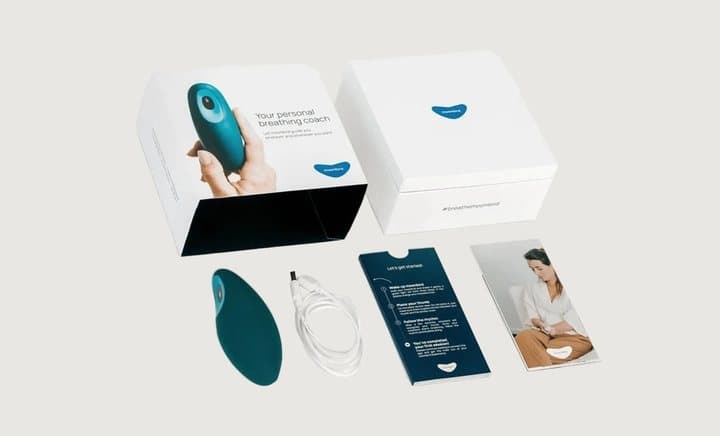
What comes in the box
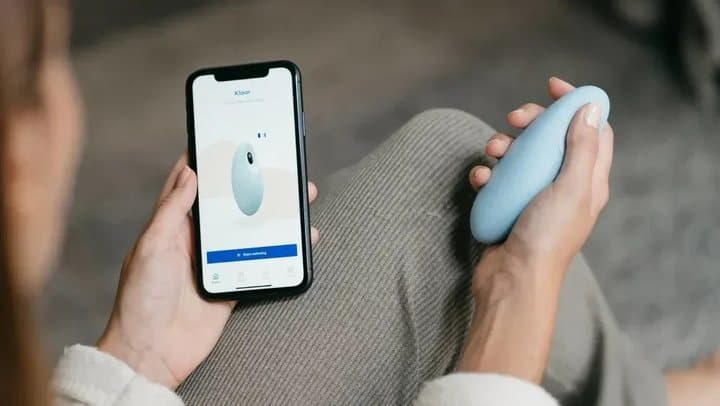
Using the optional app
Specifications
| Item | Detail |
|---|---|
| Type | Handheld tactile breathing guide |
| Guidance | Expands and contracts to pace breathing |
| Sensor | Thumb sensor for heart rate and HRV (via app) |
| App | Free, optional; breathing patterns and tracking |
| Sessions | 2 to 5 minutes or 10 to 20 minutes |
| Material | Medical-grade silicone, according to the page |
| Power | Rechargeable, proprietary cable |
| Colours | Blue Green, Sky Blue, Soft White, Black Grey |
| Guarantee | 30-day money-back |
| Company | Moonbird, Antwerp, Belgium |
Moonbird price and bundles
On 4 October 2026 the Moonbird offer page (opens Moonbird in a new tab) listed:
| Bundle | Price | Per device | Retail shown |
|---|---|---|---|
| 1 Moonbird | $199.99 | $199.99 | $229.99 |
| Buy 1, get 1 50% off (2) | $299.99 | $150.00 | $459.98 |
| Buy 2, get 1 free (3) | $399.98 | $133.33 | $689.97 |
All showed free shipping. The two-pack is preselected.
Moonbird's own store
Moonbird's own store data, priced in euros from Antwerp, listed the Moonbird at €179, plus starter and sleep packs, a charging stand bundle, a breathwork course, an optional premium app subscription and the Moonbuddy children's device at €79.
What this means for you: prices are in a similar range, and currency and shipping affect the comparison. US buyers should compare the total delivered price.
Is it good value?
$199.99 buys a well-made device and a pleasant routine. Free apps and simple techniques like box breathing or a 4-6 count can deliver the same physiological effect. Moonbird's value is ease and habit-building: if it gets you to actually do slow breathing every day, it may be worth it.
Cost per use
If you use Moonbird twice a day for a year, that is more than 700 sessions, so about 28 cents a session at $199.99. If it ends up in a drawer after two weeks, it is an expensive experiment. The 30-day guarantee gives you a fair window to find out which you are.
Optional extras
Moonbird's store also lists an optional premium app subscription, a charging stand bundle and a breathwork course. None is needed to use the device. Decide whether you would use them before paying more.
Who makes it
Moonbird was founded by Stefanie Broes, described on the page as a pharmaceutical scientist, and is based in Antwerp, Belgium. Its research partner Steven Laureys is a professor of neurology known for consciousness research.
The company behind it
Moonbird is a European company selling direct and through partners, including a collaboration with the cosmetics brand Rituals listed in its store. It offers the adult Moonbird, the Moonbuddy children's device, accessories, a breathwork course and a premium app tier. That range, plus the published study, suggests a company building a long-term business rather than a one-off product.

MoonbirdScore 6.6/10
Best for: People who want to use slow breathing for stress but struggle to concentrate on apps or counting
$199.99 at Moonbird · Price checked October 4, 2026
Check price at Moonbird (opens Moonbird in a new tab)We may earn a commission if you buy through our links.
Does Moonbird work, and what does the science say?
Slow, paced breathing, usually around five to seven breaths per minute, is well studied and reduces heart rate and arousal in the short term for most people. Moonbird is a tactile way to follow that rhythm. A 2025 peer-reviewed study of 36 highly stressed participants, linked to the company, reported short-term changes in brain activity and breathing. It does not prove long-term benefits or treat anxiety disorders.
Nobody on our team has used Moonbird, so this section is based on research on slow breathing, the Moonbird study and owner reports.
Slow breathing in general
Many studies show that slow, paced breathing, usually around five to seven breaths per minute, reduces physiological arousal, lowers heart rate and increases HRV in the short term. Reviews suggest it can reduce self-reported stress and anxiety. It is a core part of many relaxation therapies.
The Moonbird study
A 2025 study in the International Journal of Clinical and Health Psychology compared Moonbird with another tactile breathing device in 36 highly stressed participants, using EEG, ECG and a breathing belt. It reported changes in brain activity, slower breathing during and after Moonbird use, and that participants preferred Moonbird. The research was linked to the company's collaboration with Steven Laureys.
What the study does and does not show
It shows that using Moonbird changes breathing and some brain and heart measures in the short term, as expected from slow breathing. It does not show that Moonbird treats anxiety disorders, works better than free breathing methods over months, or works for everyone.
Sleep
Slow breathing before bed can help people wind down. For chronic insomnia, cognitive behavioural therapy for insomnia (CBT-I) has the strongest evidence.
HRV as a measure
HRV naturally varies with age, fitness, sleep, alcohol and illness. Comparing your own trends over time is useful; comparing your number with someone else's is not. The app's real-time HRV during sessions shows the immediate effect of slow breathing, which many people find reassuring.
Breathing and anxiety disorders
For people with generalised anxiety or panic disorder, breathing techniques are often taught as one part of cognitive behavioural therapy. On their own, they can help in the moment but rarely resolve the condition. Some people with panic disorder find focusing on breathing makes symptoms worse at first; a therapist can guide this.
Who responds best
People who are generally anxious, stressed at work or struggling to wind down tend to notice the clearest benefits from slow breathing. People who are already calm, or whose sleep problems stem from pain, sleep apnoea or other medical causes, may notice less.
Short-term vs long-term effects
Most research measures what happens during and just after a breathing session. Evidence for long-term benefits from daily practice exists, but is weaker and varies with how consistently people practise. Moonbird's real value may be in making daily practice more likely.
What owners say about using it
The page shows more than 80,000 users, a 4.7-star rating and four testimonials: a healthcare practitioner who recommends it to clients, a traveller who built a daily routine, someone who used it around surgery on a therapist's recommendation, and a sceptic who now feels less anxious. On Trustpilot, owners praise stress and sleep benefits, help for neurodivergent children (with the Moonbuddy version) and responsive support. Complaints mention the proprietary charger, price and occasional app crashes.
Reading the testimonials
The testimonials come from a range of people: a healthcare practitioner who uses it with clients, a leadership trainer, a patient facing surgery and a self-described sceptic. They are detailed and credible, and one even notes the price, "comes with a price but... worth every penny". Like all seller testimonials, they are selected, but they align with the strong Trustpilot score.
Who is less satisfied
The small number of unhappy owners mostly mention practical issues: the proprietary charger, price, returns or the app. Very few say the device simply did nothing for them, though some people naturally get less from breathing techniques than others.
Are Moonbird's claims true?
Moonbird's core idea is sound, and calming down within five minutes is plausible for many people because slow breathing works quickly. Some claims go further than the evidence. "Scientifically proven" rests on a small, company-linked study of short-term effects, and "guaranteed to work" refers to the money-back guarantee, not a guaranteed effect. Owner ratings, including 4.7 on Trustpilot, are genuinely strong.
"Calms your racing mind in under 5 minutes"
Plausible for many people; slow breathing works quickly. Not guaranteed for everyone.
"Scientifically proven results, validated through EEG brain scans"
A small peer-reviewed study supports short-term effects. "Proven" overstates it.
"Guaranteed to work, or your money back"
The money-back guarantee is real; the effect is not guaranteed.
"Trains your body to calm down naturally"
Plausible: practising slow breathing can make it easier to do without help.
"Designed by PhD scientists, medical-grade silicone"
According to the page.
"Actually helps you sleep better"
Plausible for winding down; not a treatment for insomnia.
"Trusted by over 80,000 people, 4.7 stars"
Trustpilot's 4.7 from 916 reviews is consistent with high satisfaction.
Claims scorecard
| Claim | Our view |
|---|---|
| Calm in under 5 minutes | Plausible for many |
| Scientifically proven | Small study; overstated |
| Guaranteed to work | Money-back is guaranteed, not results |
| Trains natural calm | Plausible |
| Helps sleep | Plausible for winding down |
| 4.7 stars | Consistent with Trustpilot |
| No phone required | True |
Is Moonbird better than free breathing apps or Dodow?
Moonbird's advantage is screen-free, tactile guidance: you feel the rhythm in your hand instead of watching a phone. Free breathing apps teach the same techniques at no cost but bring notifications and light. Smartwatch breathing apps suit people who already own a watch. Dodow projects a pulsing light on the ceiling, costs less and suits bedtime, while Moonbird also works during the day.
| Option | Cost | Screen-free | Feedback | Best for |
|---|---|---|---|---|
| Moonbird | $199.99 | Yes | HRV via app | Tactile guidance |
| Free breathing apps | Free | No | Some | Budget |
| Smartwatch breathing apps | With watch | Mostly | Heart rate | Watch owners |
| Simple techniques (box, 4-6) | Free | Yes | None | Anyone |
| Light-guided sleep devices | Lower | Yes | None | Bedtime |
| Therapy (CBT, CBT-I) | Varies | Yes | Clinical | Anxiety, insomnia |
Moonbird vs free apps
Free apps guide breathing with visuals and sound and cost nothing. The downside is the phone: notifications, light and temptation. Moonbird removes the screen.
Moonbird vs light-guided sleep aids
Our Dodow review covers a device that projects a slowly pulsing light on the ceiling to slow your breathing at bedtime. It is cheaper and suits sleep, while Moonbird suits daytime use too.
Moonbird vs breathing trainers
Our AirPhysio review and Hale breathing review cover devices aimed at the airways and nasal breathing rather than relaxation pacing.
Moonbird vs meditation apps
Meditation apps offer guided meditations, sleep stories and breathing exercises, often by subscription. They are richer in content but rely on a screen and headphones. Moonbird does one thing, paced breathing, without a screen.
Moonbird vs a smartwatch
Many smartwatches include breathing reminders and HRV tracking. If you already own one, try its breathing feature first. Moonbird's advantage is the physical guidance and the fact that it is not a notification device.
Moonbird vs therapy
For anxiety disorders or insomnia, talking therapies and CBT-I are evidence-based treatments. Moonbird can support relaxation alongside them.
Moonbird vs simple techniques
Box breathing (in for four, hold for four, out for four, hold for four) and 4-6 breathing (in for four, out for six) can be done anywhere, for free. Their only drawback is remembering to do them and staying focused. If you can build the habit on your own, you do not need a device.
Other health products we have reviewed
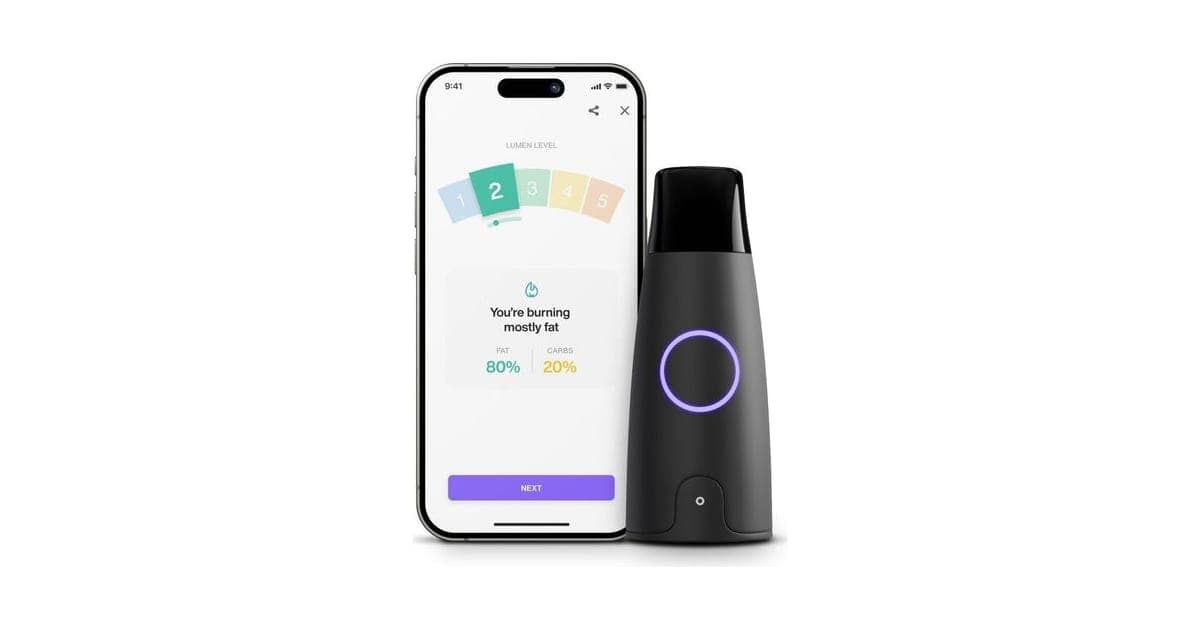
Our Lumen review covers a breath-based metabolism tracker. Browse more in our health gadgets category.
If you are also considering a vagus nerve stimulator, our Pulsetto vs Moonbird comparison weighs the two on evidence, safety, owner ratings and total cost.
MoonbirdScore 6.6/10
Why people buy it: Screen-free breathing guidance: the device expands and contracts in your hand, so you breathe along without counting
$199.99 at Moonbird · Price checked October 4, 2026
Check price at Moonbird (opens Moonbird in a new tab)We may earn a commission if you buy through our links.
Is Moonbird legit, and what should you check before buying?
Moonbird comes from a real Belgian company, with a small peer-reviewed study and a Trustpilot score of 4.7 from 916 reviews. Before buying, weigh the $199.99 price against free apps and techniques that work for many people, note that it uses a proprietary charging cable, and remember it is a relaxation aid, not a treatment. If anxiety, panic or low mood affect daily life, speak to a GP.
Mental health
Breathing tools help relaxation; they are not treatment.
What to do: if anxiety, panic or low mood affect daily life, speak to a GP or mental health professional.
Breathing conditions
Paced breathing may feel uncomfortable with lung conditions.
What to do: ask your doctor before using breathing devices if you have COPD, severe asthma or heart conditions.
Price and currency
The offer page charges in dollars; Moonbird's own store prices in euros.
What to do: compare the total delivered cost.
Charging
The cable is proprietary.
What to do: keep the cable safe, and ask about replacements.
Expectations in the first week
Some people feel calmer from the first session; others find the slow pace awkward or even slightly uncomfortable at first.
What to do: start with short sessions and a faster pattern if needed, then slow down as you get used to it.
Children and pets
The device is small and silicone-covered.
What to do: store it out of reach of young children and pets, who might chew it; Moonbird makes a separate children's device.
Returns
One Trustpilot reviewer found return instructions unclear.
What to do: keep your order confirmation and packaging, and contact support early within the 30 days if you want to return it.
How to buy Moonbird the smart way
- Try a free breathing technique for a week to see whether slow breathing helps you, then consider the Moonbird order page (opens Moonbird in a new tab).
- Buy one unless you are buying for family; the two-pack is preselected.
- Choose your colour.
- Use it daily for the 30-day guarantee period before deciding.
- Keep the box and cable in case you return it.
What do owners say, and how did we score Moonbird?
Moonbird scores 6.6 out of 10: claim accuracy 1.0, build durability 1.4, price competitiveness 1.0, usability 1.6 and owner satisfaction 1.6, each out of 2. On Trustpilot it shows 4.7 from 916 reviews, with 84% five-star and just 2% one-star. Owners praise stress relief, better sleep and helpful support; complaints focus on the charger, the price and returns.
Reviews on the page
The page shows four testimonials from a healthcare practitioner, a traveller, a surgery patient and a former sceptic, all very positive.
Trustpilot
On 4 October 2026 the Trustpilot profile for moonbird.life showed a TrustScore of 4.7 from 916 reviews: 84% five-star and 2% one-star. Praise focuses on stress relief, sleep and support. Complaints focus on the charger, price, returns and occasional app issues.
What we would test with Moonbird
If we test it ourselves, we will compare HRV and self-rated stress during Moonbird sessions with app-guided and unguided slow breathing, and track sleep onset over several weeks. We will update this review with the results.
How we scored Moonbird
Every score on the site follows the five criteria on our how we test page.
| Criterion | Score | Why |
|---|---|---|
| Claim accuracy | 1.0 / 2 | Mechanism sound; "guaranteed" and "proven" overreach |
| Build durability | 1.4 / 2 | Well made; proprietary charger |
| Price competitiveness | 1.0 / 2 | Expensive versus free alternatives |
| Usability | 1.6 / 2 | Effortless to follow, screen-free |
| Owner satisfaction | 1.6 / 2 | Trustpilot 4.7 from 900+ reviews |
| Total | 6.6 / 10 |
The score would rise with a lower price, a standard charging port and claims that match the evidence.
What we did, and did not, do
We read the offer page and FAQ, Moonbird's store data, coverage of the 2025 study, research on slow breathing and the Trustpilot profile, all on 4 October 2026. Nobody on our team has used Moonbird, and no figures here come from our own testing.
How to use Moonbird for the best results
Charge Moonbird fully, then sit or lie comfortably with your thumb on the sensor. Shake it to start, breathe in as it expands and out as it contracts, through your nose if comfortable, letting your belly rise. Start with 5-minute sessions and build to 10 to 20 minutes at bedtime. A longer exhale suits relaxation and sleep, while an equal pattern suits focus.
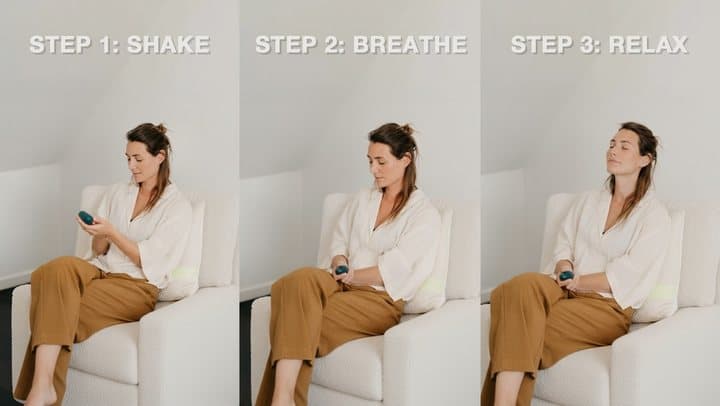
- Charge it fully before first use.
- Sit or lie comfortably, with your thumb on the sensor.
- Shake to start and breathe in as it expands, out as it contracts.
- Breathe through your nose if comfortable, letting the belly rise.
- Start with 5 minutes, then build to 10 to 20 at bedtime.
- Use it at the same times each day to build a habit.
- Use the app occasionally to see your HRV trends.
Choosing a breathing pattern
The app offers patterns beyond the default. A balanced pattern (equal in and out) suits focus; a longer exhale suits relaxation and sleep. Start with what feels comfortable and adjust over a few weeks.
For stressful moments
Take it to work or keep it in a bag. A two-minute session before a meeting or after a difficult call can help reset.
For sleep
Use it in bed with the lights off. Many owners fall asleep before the session ends.
Learning to do it without the device
After a few weeks, try matching the rhythm without the device, counting four in and six out. Moonbird can then be your backup on harder days.
What to expect over a month
In the first week, the main change is often noticing how fast you usually breathe. By the second and third weeks, many people find it easier to slow down, and some notice falling asleep faster. By the end of a month, you should know whether it is worth keeping, within the 30-day guarantee.
Building a habit
Link sessions to existing routines: after brushing your teeth at night, before your first coffee, or when you sit down at your desk. Habits stick better when they follow something you already do.
Tracking progress
The app's HRV trends can show changes over weeks. Look for gradual improvements in resting HRV and how quickly you settle in sessions, rather than single readings, which vary with sleep, alcohol, illness and stress.
Using it during the day vs at night
During the day, shorter sessions with a slightly faster rhythm can calm you without making you sleepy. At night, longer sessions with a slower rhythm and longer exhale help you wind down. The app lets you set different patterns for each.
Taking it on holiday
Moonbird is small enough for hand luggage. Pack the proprietary cable, since a standard charger will not fit, and charge it before you travel. A few minutes of slow breathing can help with flight nerves and adjusting to a new time zone at bedtime. On planes, it is quiet enough not to disturb neighbours, and touch guidance works even when cabin noise drowns out audio. Pack the charging cable in your hand luggage, since it is proprietary and hard to replace abroad if you forget it. A fully charged device should cover a short trip without a top-up.
When you feel worse, not better
Occasionally, focusing on breathing makes anxious people more aware of physical sensations and feel worse. If that happens, try a shorter session, a faster rhythm, or using Moonbird with eyes open while doing something gentle, like listening to music. If it keeps happening, talk to a professional about other approaches.
Caring for the device
Keep it out of direct sunlight and away from heat, charge it with the supplied cable, and store it in a drawer or bag rather than loose in a pocket with keys, which could scratch it. Silicone is durable but can pick up lint; a quick wipe keeps it clean.
Using it with a therapist's plan
If you work with a therapist on anxiety, tell them you use Moonbird. They can fit it into exercises, such as practising slow breathing before facing a feared situation, so it supports rather than replaces the skills you are learning.
Combining with other wind-down habits
Moonbird works best alongside other sleep-friendly habits: dimming lights, avoiding screens in the last hour, keeping the bedroom cool and quiet, and limiting caffeine after lunch.
Troubleshooting
| Problem | Likely cause | What to try |
|---|---|---|
| Rhythm feels too slow | Default pace | Choose a faster pattern in the app |
| Feeling light-headed | Breathing too deeply | Breathe more gently |
| No heart rate reading | Thumb off sensor | Rest thumb firmly on sensor |
| Will not turn on | Battery flat | Charge with the supplied cable |
| App will not connect | Bluetooth | Restart app and Bluetooth |
| No effect | Expectations or condition | Try regular use; seek advice if anxious |
MoonbirdScore 6.6/10
Before you buy: Check the final price, shipping and return terms at checkout.
$199.99 at Moonbird · Price checked October 4, 2026
Check price at Moonbird (opens Moonbird in a new tab)We may earn a commission if you buy through our links.
What else do people ask about breathing devices?
Most questions are about whether slow breathing works and who it suits. It reduces stress in the short term for most people and is one of the most studied relaxation techniques. Heart rate variability, which Moonbird's app tracks, is the variation in time between heartbeats, and higher HRV is generally linked with relaxation. For panic disorder, therapy remains the recommended treatment.
Does slow breathing really reduce stress?
Yes, in the short term, for most people. It is one of the most studied relaxation techniques.
What is HRV?
Heart rate variability is the variation in time between heartbeats. Higher HRV is generally linked with relaxation and good recovery.
Is Moonbird good for panic attacks?
Some people find slow breathing helps during panic. For panic disorder, therapy is the recommended treatment.
Can children use Moonbird?
Moonbird sells a separate children's device, Moonbuddy.
How long does the battery last?
The page does not give a figure. Owners mention charging with a proprietary cable.
How is Moonbird different from Moonbuddy?
Moonbuddy is Moonbird's children's device, shaped like an animal character, designed to help children relax and fall asleep with breathing and stories. Moonbird is for adults and has the HRV sensor and app.
Can I use Moonbird at work?
Yes. It is silent apart from a gentle vibration and small enough for a desk drawer. A few minutes between meetings can help reset.
Is Moonbird noisy?
The page says it is silent apart from a gentle vibration.
What if slow breathing makes me dizzy?
Breathing too deeply or forcefully can cause light-headedness. Breathe gently, let the device set the pace without forcing big breaths, and stop if you feel unwell.
Does Moonbird record any data?
The device measures heart rate through the thumb sensor and shares it with the app if you use it. Read the app's privacy policy if you are concerned.
Can I use Moonbird with meditation?
Yes. Many people pair it with meditation or a body scan.
Is Moonbird worth it?
If you will use it every day and value a screen-free, physical guide, it is a well-made, well-reviewed device. If you are happy with free breathing techniques or apps, you can get similar benefits without spending $199.99.
Does Moonbird need Wi-Fi?
No. The device works on its own. The app connects to it by Bluetooth for feedback.
Can I share Moonbird with my partner?
Yes. The device can be shared; each person can use the app with their own profile if they want their own data. Wipe the silicone between users.
Does Moonbird work in a noisy place?
Yes. Because it guides you by touch, it works on trains, in waiting rooms and in open-plan offices where audio guidance would be hard to hear.
Does Moonbird come with a warranty?
The page highlights the 30-day money-back guarantee. Moonbird's own store sells a lifetime warranty add-on, so ask what standard warranty applies to offer-page purchases.
Will Moonbird help with focus?
Some users take a few minutes of slow breathing before focused work. A calmer body can make concentration easier, though evidence for lasting focus benefits is limited.
Can I use Moonbird lying down?
Yes. Many owners use it lying in bed. Rest it on your chest or hold it at your side with your thumb on the sensor.
What happens if I fall asleep during a session?
The session simply ends. There is no harm in falling asleep with it in your hand.
Is Moonbird a medical device?
It is sold as a wellness device for relaxation and breathing, not as a treatment for medical conditions.
Can Moonbird lower blood pressure?
Slow breathing can lower blood pressure temporarily, and some research explores regular breathing practice for hypertension. Do not replace prescribed treatment; talk to your doctor.
How do I clean it?
Wipe the silicone with a slightly damp cloth. Avoid soaking it or using harsh cleaners.
How long should I use it each day?
Even 5 to 10 minutes a day can help. Many people use a short session during the day and a longer one at bedtime.
Frequently asked questions
What is Moonbird?
Moonbird is a handheld breathing device from a Belgian company. It expands and contracts in your hand to guide slow breathing without a screen. An optional app uses a thumb sensor to show heart rate and heart rate variability.
How much does Moonbird cost?
On 4 October 2026 the offer page listed one Moonbird at $199.99, two for $299.99 and three for $399.98, with free shipping. Moonbird's own European store listed it at €179. Bundles bring the per-device price down for couples or gifts.
Does Moonbird work?
Slow, paced breathing is well supported for calming the body, and a 2025 peer-reviewed study of 36 stressed adults found changes in brain activity and breathing during Moonbird use. Results vary between people, and it is not a treatment for anxiety disorders.
Do I need the app?
No. Moonbird works on its own. The free app adds heart rate and HRV feedback, different breathing exercises and progress tracking. The device paces your breathing by expanding and contracting in your hand, so you can use it without a phone nearby.
Can Moonbird help me sleep?
Many people use slow breathing to wind down at night, and owners report better sleep. For chronic insomnia, cognitive behavioural therapy for insomnia is the recommended treatment. The page suggests 10 to 20-minute sessions for deeper relaxation, which suits winding down at bedtime.
How long are sessions?
The page says 2 to 5 minutes for quick relief and 10 to 20 minutes for deeper relaxation. Start with about 5 minutes and build up over a few weeks. Many people use a short session before a meeting and a longer one at bedtime.
Will I become dependent on it?
The FAQ describes it as training wheels: many users learn the rhythm and can breathe slowly without it over time. Practising the same slow rhythm without it for a few minutes a day helps build that skill, so you can calm down anywhere.
What is the guarantee?
The page shows a 30-day money-back guarantee. The guarantee covers your money, not a guaranteed effect. Try it daily for a couple of weeks, keep the box and order confirmation, and contact support before sending it back. Some Trustpilot reviewers mention return difficulties, so start early.
We may earn a commission if you buy through our links.
This content is for informational purposes and is not medical advice. Talk to a qualified professional before using any product that affects your health.
Prices accurate as of October 4, 2026. Check the seller's checkout for current pricing, promotions and terms.
What we checked: No hands-on use. Claims, features, sessions, prices, bundles, colours, FAQ answers, guarantee, testimonials and images from the Moonbird offer page our link opens (getmoonbird.io) on 2026-10-04. Store prices from Moonbird's own European store data the same day. Study details from coverage of a 2025 paper in the International Journal of Clinical and Health Psychology; slow-breathing evidence from published reviews; owner sentiment from the Trustpilot profile for moonbird.life (4.7 from 916 reviews on 2026-10-04).
Compare Moonbird
See how Moonbird compares in The Best Health Gadgets of 2026

About the author
James Wilson, Consumer Tech Writer
James Wilson covers health and wellness technology for Top10Gadgets: breathing devices, massagers, hearing aids, dental and weight-loss products, and the other gadgets sold with a promise to make life easier. James write…
- Health and wellness gadgets
- Over-the-counter hearing aids
- Breathing and massage devices
- FDA clearance and registration
- Tech for beginners
Writing for Top10Gadgets since 2026Full profile