Health Gadgets / Nasal dilators
Hale Breathing Review: How the Internal Nasal Dilator Works, What the Johns Hopkins Study Found and the Refill Costs
A soft internal nasal dilator designed by a facial plastic surgeon. A Johns Hopkins study found an early version improved airflow about as much as a Breathe Right strip, and refills cost $19.99 a month.

By James Wilson, Consumer Tech Writer at Top10Gadgets
Updated 30 min readHow we test
Quick answer
Only if your nostrils narrow when you breathe in, external nasal strips help you, and you would prefer something discreet inside the nose. Hale is a soft internal nasal dilator from a respected facial plastic surgeon, but the evidence we found shows airflow gains similar to a Breathe Right strip, not better, and certainly not "95% as effective as surgery".
Score 5.6/10$29.99 at Hale
Check price at Hale (opens Hale in a new tab)We may earn a commission if you buy through our links.
- Best for
- People whose nostrils narrow or collapse when they breathe in, who find nasal strips help
- Not for
- Anyone with long-term blocked nose, nosebleeds, pain or one-sided blockage who has not seen a doctor
$29.99 at Hale
Check price at Hale (opens Hale in a new tab)We may earn a commission if you buy through our links.
On this page · 14 sections
- 01Our verdict
- 02The short version
- 03Pros & cons
- 04How it works
- 05Who it's for
- 06How much does Hale cost, including refills?
- 07Does Hale work, and what does the evidence say?
- 08Are Hale's claims true?
- 09Is Hale better than Breathe Right strips or other dilators?
- 10Is Hale legit, and what should you check before buying?
- 11What do owners say, and how did we score Hale?
- 12How to use Hale for the best results
- 13What else do people ask about nasal dilators?
- 14Frequently asked questions
Our verdict
Only if your nostrils narrow when you breathe in, external nasal strips help you, and you would prefer something discreet inside the nose. Hale is a soft internal nasal dilator from a respected facial plastic surgeon, but the evidence we found shows airflow gains similar to a Breathe Right strip, not better, and certainly not "95% as effective as surgery". The offer page also omits that Hale sells refills at $19.99 a month. It scores 5.6 out of 10, held back by overstated claims, ongoing costs and comfort issues.
The short version
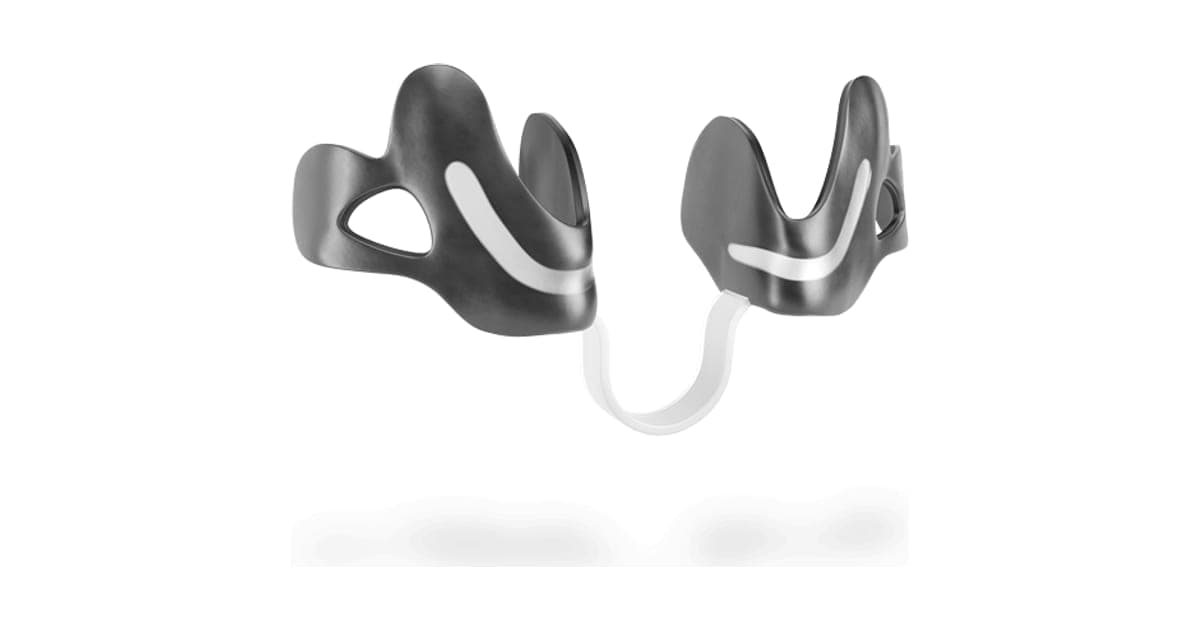
- A soft internal nasal dilator that sits just inside the nostrils, joined by a clear band; three sizes in the kit.
- Designed by Dr. Patrick Byrne, a facial plastic surgeon.
- $29.99 for one kit on 3 October 2026; $56.99 for two, $75.98 for three.
- Hale's store sells refills at $19.99, monthly plans and a $239.88 one-year supply.
- A Johns Hopkins study found an early version improved airflow about as much as a Breathe Right strip.
- Best trait: discreet, drug-free help for narrow nostrils.
- Biggest drawback: claims well beyond the evidence, and refill costs not shown on the page.
- Our score: 5.6 out of 10.
Pros & cons
Hale is a real medical-designed product addressing a real problem. Its weaknesses are the size of its marketing claims and the ongoing cost.
What we like
- Designed by Dr. Patrick Byrne, a facial plastic surgeon with Johns Hopkins and Cleveland Clinic roles
- Discreet: sits inside the nostrils with a small clear band, unlike an external strip
- Three sizes in the kit, plus a case and optional insertion tools
- Drug-free, so no rebound congestion like decongestant sprays
- Reusable for a period, according to the brand's refill plans
What we don't
- A Johns Hopkins study of an early version found airflow gains similar to a Breathe Right strip, not better, and participants preferred the strip
- "95% as effective as reconstructive surgery" and "100% safe" are not supported by published data we found
- Hale's own store sells refills at $19.99 a month, an ongoing cost the offer page does not mention
- Some people find any internal device uncomfortable; Trustpilot reviewers report fit problems
- "FDA registered" is not FDA approval or clearance
- Will not help snoring that comes from the throat or soft palate, or obstruction deeper in the nose
Sold by Hale
Hale Breathing Aid$29.99
How it works
Air enters the nose through the nostrils and passes the nasal valve, the narrowest point of the airway just inside. In some people, the nostril walls are weak or narrow and collapse inward when they breathe in hard. Nasal dilators hold them open.
Choose your size
Step 1: The kit includes small, medium and large sizes. You try them to find the one that sits comfortably and opens your nostrils without pressing too hard.
Insert it into both nostrils
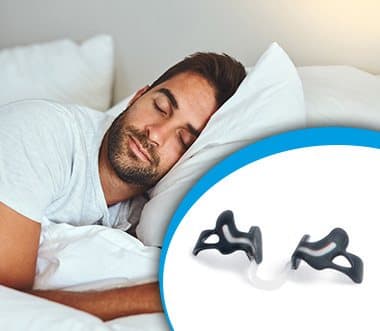
Step 2: The two soft pieces sit just inside each nostril, joined by a small clear band across the bottom of the nose. Optional tools help with insertion and removal.
Breathe through your nose
Step 3: The dilator gently holds the nostril walls outward, widening the narrowest part of the nasal airway, the nasal valve, so air flows in more easily.
External strips, like Breathe Right, pull the nostril walls outward from the skin. Internal dilators, like Hale, push them outward from inside. Both target the same narrow region. Neither does anything for obstruction deeper in the nose, such as a severely deviated septum further back, large turbinates, polyps or congestion from allergies or colds.
Common causes of a blocked nose
| Cause | Typical signs | Does a dilator help? |
|---|---|---|
| Nasal valve narrowing or collapse | Nostrils pull in when breathing in; strips help | Often |
| Deviated septum | One side more blocked, often constant | Sometimes, if near the nostril |
| Swollen turbinates | Blockage that changes, often with allergies | Little |
| Allergies or colds | Runny or stuffy nose, sneezing | Little; treat the cause |
| Nasal polyps | Gradual blockage, reduced smell | No; see a doctor |
| Enlarged adenoids (children) | Mouth breathing, snoring | No; see a doctor |
This table is a general guide. A doctor can examine the nose and find the actual cause.
Who it's for
Hale suits people whose nose feels blocked mainly at the nostrils, especially if pressing the cheek beside the nose outward, or wearing a nasal strip, makes breathing easier. It suits people who want a discreet option for sleep, exercise or daytime, and people who dislike strips on their skin.

It is not a substitute for medical assessment of long-term nasal blockage, nosebleeds or loud snoring with pauses in breathing.
Why Hale appeals
Breathing through a blocked nose is tiring, disturbs sleep and makes exercise harder. Sprays can cause rebound congestion with overuse, surgery is costly and invasive, and nasal strips are visible and can irritate the skin. Hale promises a discreet, drug-free fix designed by a surgeon, "like a contact lens for your nose".
Interest in nose breathing has grown, with books, podcasts and athletes promoting it for sleep and performance. One owner on the page bought Hale after hearing a podcast about nasal breathing. That wider trend makes a discreet dilator an appealing, easy step.
Who gets the most value
People with nasal valve narrowing, who already know strips help them, may get the most from Hale. Owners on the page describe easier nose breathing during workouts, better sleep and clearer breathing than with sprays, pills or other devices. Larger people may need the large size, as one tall owner describes, while others find the medium fits best. One mentions it feels like having something in the nose, which you get used to.
What it will not do
It will not fix a deviated septum, shrink swollen turbinates, clear allergies, cure snoring from the throat, or treat sleep apnoea.
Who will notice the least difference
People whose blockage comes from allergies, colds, polyps or deeper structural problems, and people who already breathe comfortably through their nose, are unlikely to notice much. Anyone who strongly dislikes the feeling of something in the nose may never get comfortable with it.
As a gift
A nasal dilator is a personal item and depends on fit, so it is better bought by the person who will use it. If you are buying for a partner who snores, a medical check is a more useful first step.
A simple self-check
A common clinical screen for nasal valve narrowing is the Cottle manoeuvre: gently pull the cheek beside one nostril outward and breathe in. If breathing becomes noticeably easier, a nasal dilator may help. If not, the blockage may be elsewhere, and a dilator is less likely to work. This is a rough guide, not a diagnosis.
A typical night with Hale
Before bed, you choose your size, insert the dilator with the clear band under your nose and take a few slow breaths through your nose to check it feels open and comfortable. Some people notice the pieces at first; owners say they stop noticing after a few nights. In the morning you remove it, rinse it, let it dry and put it back in the case. Every few weeks you start a fresh one from a refill pack.
- People whose nostrils narrow or collapse when they breathe in, who find nasal strips help
- Anyone who wants a discreet alternative to external strips for sleep or exercise
- People who want to try a drug-free aid before discussing surgery with a specialist
Who should skip it
- Anyone with long-term blocked nose, nosebleeds, pain or one-sided blockage who has not seen a doctor
- People with suspected sleep apnoea, whose snoring needs a medical assessment
- Anyone sensitive to having something inside the nose
- Buyers who do not want ongoing refill costs
How much does Hale cost, including refills?
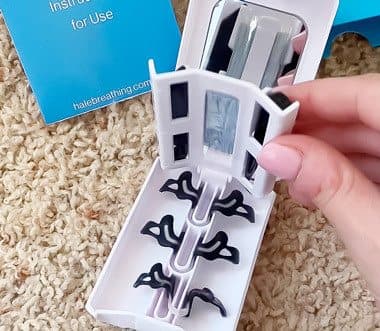
Hale cost $29.99 for one kit on the offer page on 3 October 2026, with two for $56.99 and three for $75.98. The kit has small, medium and large internal nasal dilators, a compact case and optional insertion and removal tools. The offer page omits that Hale's own store sells refills at $19.99, suggesting monthly replacement, so a first year costs about $250 to $270.
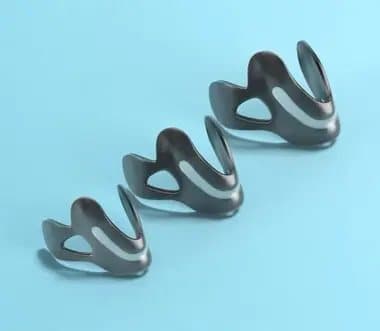
The offer page describes a kit with three sizes, a compact case and optional insertion and removal tools. The images show soft, dark grey nostril pieces joined by a clear band.
The kit with three sizes
Three sizes

The carry case
Specifications
| Spec | Hale (brand figures) |
|---|---|
| Type | Internal nasal dilator |
| Sizes | Small, medium, large in the kit |
| Materials | Flexible, "ergonomic" materials |
| Use | Day or night, "round-the-clock" |
| Extras | Carry case; optional insertion and removal tools |
| Inventor | Dr. Patrick Byrne, MD |
| Company | Hale, Inc., Boston |
| Guarantee | 30 days (offer page) |
Hale price and bundles
On 3 October 2026 the offer page our link opens showed:
| Package | Total | Per kit |
|---|---|---|
| 1 Hale Breathing kit | $29.99 | $29.99 |
| Buy 1, get 1 50% off (2) | $56.99 | $28.50 |
| Buy 2, get 1 free (3) | $75.98 | $25.33 |
Hale's own store and refills
Hale's store, run by Hale, Inc. in Boston, listed:
| Item | Price |
|---|---|
| Trial kit | $24.99 |
| Trial kit and accessories | $35.99 |
| Hale refill (one size) | $19.99 |
| Refill subscription, every 30 or 45 days | $19.99 per shipment, 5% off with subscription |
| One-year refill supply | $239.88 |
What this means for you: the store's refill plans indicate each dilator is meant to be replaced roughly monthly. The first kit costs $29.99 here; ongoing use could cost about $20 a month, or $240 a year.
The real cost over a year
| Approach | Approximate first-year cost |
|---|---|
| Hale kit plus monthly refills | About $250 to $270 |
| Breathe Right strips nightly | Often $100 to $200 a year, depending on brand and pack size |
| Reusable internal dilators from other brands | Varies widely |
Strip prices vary a lot; the point is that both strips and Hale are ongoing costs.
How to make the cost worthwhile
Try a cheap pack of external nasal strips first. If they clearly help, the nasal valve is likely part of your problem, and an internal dilator like Hale may suit you. If strips make no difference, Hale is unlikely to either, and a doctor's assessment is the better next step.
Who makes it
Hale, Inc. is based in Boston, according to its store data. The page credits the design to Dr. Patrick Byrne, describing him as chair of Cleveland Clinic's Head and Neck Institute and former director of facial plastic and reconstructive surgery at Johns Hopkins. Hale also sells sleep tape and a sleep mask.

Hale Breathing AidScore 5.6/10
Best for: People whose nostrils narrow or collapse when they breathe in, who find nasal strips help
$29.99 at Hale · Price checked October 3, 2026
Check price at Hale (opens Hale in a new tab)We may earn a commission if you buy through our links.
Does Hale work, and what does the evidence say?
Hale appears to work about as well as a nasal strip, not better. A Johns Hopkins study of 36 people tested what appears to be an early version against five commercial dilators: airflow improved by an average of 29 litres per minute, against 28 for Breathe Right strips. Participants ranked it below Mute, Nozovent and Breathe Right for preference. The study did not test sleep, snoring or long-term comfort.
Nobody on our team has used Hale. This section looks at the study that appears to involve its early design, wider evidence on nasal dilators, and owner feedback.
About the inventor
Dr. Patrick Byrne is a well-known facial plastic and reconstructive surgeon. The page describes him as chair of Cleveland Clinic's Head and Neck Institute and former director of facial plastic surgery at Johns Hopkins. Search results for his work also describe him designing a discreet silicone nasal dilator based on surveys of otolaryngologists and patients. His expertise makes Hale more credible than most offer-page health gadgets, though expertise is not a substitute for published results on the finished product.
The Johns Hopkins feasibility study
A Johns Hopkins study registered on ClinicalTrials.gov, A New Treatment for Mechanical Nasal Obstruction (NCT03456115), tested five commercial nasal dilators and the study team's own investigational dilator, nicknamed the "Schnozzle", in 36 participants. Given the institution and timing, this appears to be an early version of the Hale design, though the record does not name Hale.
Peak nasal inspiratory airflow improved by an average of 29 litres per minute with the investigational device, compared with 28 for Breathe Right strips, 27 for Mute, 25 for Nozovent, 24 for Max Air and 13 for Sleep Right. The variation was wide. When participants ranked the devices, the investigational dilator averaged 3.8 on a 1-to-5 scale (1 being most preferred), behind Mute at 2.7, Nozovent at 2.8 and Breathe Right at 2.9.
In short, the early design worked about as well as a nasal strip in this small, short study, and was not the participants' favourite.
How to read those numbers
Peak nasal inspiratory flow measures how fast you can breathe in through your nose in one sharp sniff. A change of 25 to 30 litres per minute is a meaningful improvement for many people. But the study measured it once, during fitting, over a few minutes. It did not measure sleep, snoring, exercise performance or comfort over weeks. The variation between people was also large, which means some benefited much more than others.
What the study did not test
The feasibility study did not compare Hale with surgery, did not follow people over weeks of use, and did not measure snoring, sleep quality or exercise. It also tested an investigational version, which may differ from the product sold today. Those are normal limits for an early study, but they mean the page's stronger claims rest on unpublished or unnamed data.
The wider evidence on nasal dilators
A 2016 systematic review of over-the-counter mechanical nasal dilators in JAMA Facial Plastic Surgery, summarised by UC Irvine Health, found the most supporting studies for external nasal strips and nasal clips, and only one supporting study for nasal stents. It concluded that strips and clips can relieve internal nasal valve obstruction and may be an alternative to surgery for some patients.
Studies in athletes with nasal valve problems have found internal dilators reduced perceived fatigue and were well accepted.
Research on nasal dilators also shows that benefits depend heavily on the cause. For snoring, for example, studies suggest nasal dilators help people whose snoring originates in the nose, but not those whose snoring comes from the soft palate or throat.
"95% as effective as reconstructive surgery"
The page cites "preliminary results from independent clinical trials" without naming them. We found no published study showing this. Surgery for nasal valve collapse aims at permanent structural change; a removable dilator only works while worn.
What owners report
Owners on the page describe clearer nose breathing, easier workouts and better sleep, and say it is unnoticeable to others. On Trustpilot, the small number of reviewers were split, with complaints about comfort, fit, slow customer service and difficult returns.
Are Hale's claims true?
Hale's basic claim is fair for people whose nostrils narrow when they breathe in: dilators can improve airflow immediately while worn. Several claims are not supported. "More effective than nasal strips" conflicts with the Johns Hopkins study, which found similar airflow. "95% as effective as full reconstructive surgery" has no published study behind it, and "FDA registered" is not FDA approval or clearance.
"Breathe better through your nose instantly"
For people with nasal valve narrowing, dilators can improve airflow immediately while worn. For other causes of blockage, they may not help.
"More effective than nasal strips"
The Johns Hopkins study found similar airflow improvement to Breathe Right strips. We found no published study showing Hale is more effective.
"95% as effective as full reconstructive surgery"
Not supported by any published study we found.
"100% safe"
Nasal dilators are generally low-risk, but no product is 100% safe. Internal devices can irritate or abrade the nostril lining, and should be kept clean and replaced as directed.
"FDA registered and compliant"
Many low-risk devices must be registered and listed with the FDA. Registration is not FDA approval or clearance and does not mean the FDA has evaluated how well it works.
"Relieves deviated septum, airway obstruction, nasal inflammation"
A dilator can ease symptoms if the narrowing is at the nostril. It does not straighten a septum or reduce inflammation.
"Award-winning, MIT and Johns Hopkins"
The page cites awards linked to MIT and Johns Hopkins without details. The inventor's medical background is genuine.
"Stop snoring, improve athletic performance, enhance your mood"
May help nasal snoring and comfort during exercise. Mood benefits are speculative.
"Contact lens for your nose"
A memorable comparison, but contact lenses are regulated medical devices fitted by professionals. The point the page is making is discretion: Hale sits inside the nose where others are unlikely to see it.
"Designed for round-the-clock use"
The page says Hale can be worn day and night. Many people use dilators only at night or during exercise. Giving the nose breaks, keeping the device clean and watching for irritation are sensible precautions with any internal device.
Claims scorecard
| Claim | Our read |
|---|---|
| Opens nostrils, discreet, drug-free | Accurate |
| Designed by a facial plastic surgeon | Accurate |
| More effective than strips | Study found similar effect |
| 95% as effective as surgery | Not supported |
| 100% safe | Overstated |
| FDA registered | Not approval or clearance |
| Treats deviated septum, inflammation | Symptom relief at best |
| Stops snoring | Only nasal snoring, possibly |
Is Hale better than Breathe Right strips or other dilators?
Not clearly. Breathe Right strips are easy to try, widely available and have the most supporting studies, but they are visible and stick to the skin. Hale is discreet but sits inside the nose, and in the Johns Hopkins study airflow improvement was similar. Other internal dilators and clips also exist, so compare comfort, sizes, replacement frequency and return policies before committing to refills.
| Option | Typical cost | Evidence | Best for |
|---|---|---|---|
| Hale internal dilator | $30, then about $20 a month | Small study similar to strips | Discreet nostril support |
| External nasal strips | Ongoing, per strip | Several supporting studies | Nightly use, easy to try |
| Other internal dilators and clips | Varies | Some supporting studies | Discreet alternatives |
| Saline rinses | Low | Good for congestion | Allergies, colds, dryness |
| Steroid nasal sprays (with medical advice) | Low to moderate | Good for allergic inflammation | Allergic rhinitis |
| Surgery | High | Effective for selected patients | Structural problems |
Hale vs Breathe Right strips
Strips are easy to try, widely available and have the most supporting studies. They are visible and stick to the skin, which some people find irritating. Hale is discreet but sits inside the nose. In the Johns Hopkins study, airflow improvement was similar.
Hale vs other internal dilators and clips
Several brands sell internal nasal dilators, cones and clips. The 2016 review found evidence for nasal clips. If you want an internal device, compare comfort, sizes, replacement frequency and return policies.
Hale vs mouth tape
Some people use mouth tape at night to encourage nose breathing, and Hale's store sells sleep tape. Mouth tape does nothing if the nose is blocked, and it is not safe for people who cannot breathe well through the nose or who may have sleep apnoea. A dilator addresses the nose itself; tape only closes the mouth.
Hale vs sprays and rinses
If your blockage comes from congestion rather than narrow nostrils, saline rinses or medical treatment of allergies may help more. Decongestant sprays should not be used for more than a few days because of rebound congestion.
Hale vs allergy treatment
If your blocked nose comes and goes with seasons, pets or dust, allergic rhinitis may be the cause. A pharmacist or doctor can advise on antihistamines, steroid sprays and allergen avoidance, which treat the swelling a dilator cannot touch.
Hale vs positional changes for snoring
Some people snore mainly on their backs. Sleeping on your side, raising the head of the bed slightly, avoiding alcohol before bed and keeping a healthy weight all reduce snoring for many people, and cost little.
Hale vs seeing a specialist
An ear, nose and throat specialist can identify the cause of long-term blockage, whether nasal valve, septum, turbinates or polyps, and recommend the right treatment. That is the best first step for persistent symptoms.
Other health products we have reviewed
Our health gadgets section and health and wellness hub cover more products sold through offer pages, including CoolCura, the Great Gums toothbrush and the Sleep Connection anti-snore wristband. Hale is also one of three snoring aids in our SleepZee vs Sleep Connection vs Hale comparison.
If you have checked that nostril narrowing is your problem and want a discreet option, the Hale offer page (opens Hale in a new tab) lists the kit and bundles.
Hale Breathing AidScore 5.6/10
Why people buy it: Designed by Dr. Patrick Byrne, a facial plastic surgeon with Johns Hopkins and Cleveland Clinic roles
$29.99 at Hale · Price checked October 3, 2026
Check price at Hale (opens Hale in a new tab)We may earn a commission if you buy through our links.
Is Hale legit, and what should you check before buying?
Hale is a real Boston company whose design is credited to a respected facial plastic surgeon, with a 30-day money-back guarantee on the offer page. Before buying, see a doctor if your nose has been blocked for weeks or one side is always blocked, and get loud snoring with gasping checked for sleep apnoea. Budget for refills, and note reviewers say returns require unopened items.
See a doctor for persistent blockage
Long-term blocked nose can have many causes.
What to do: see a doctor or ear, nose and throat specialist if your nose has been blocked for weeks, if one side is always blocked, or if you have nosebleeds, pain, loss of smell or facial swelling.
Snoring and sleep apnoea
Loud snoring with gasping, pauses in breathing or daytime sleepiness can signal sleep apnoea.
What to do: get a medical assessment rather than relying on a nasal device.
Refill costs
Hale's store sells refills at $19.99 and monthly plans.
What to do: budget for refills if you plan to use Hale long term, and check the instructions for how often to replace it.
Subscriptions
Hale's store offers refill subscriptions every 30 or 45 days.
What to do: if you subscribe, note how to cancel and set a reminder to review it. Only subscribe once you know Hale suits you.
Comfort and fit
Some people cannot get used to anything inside the nose.
What to do: try all three sizes, start with short periods during the day, and stop if you get pain, sores or bleeding.
Nasal piercings, recent surgery and nose injuries
Anything inside the nostril can rub on piercings, healing tissue or injuries.
What to do: if you have had nasal surgery recently, have a nostril piercing, or have broken your nose, ask your surgeon or doctor before using an internal dilator.
Blood thinners and nosebleeds
People who bruise or bleed easily may be more prone to irritation inside the nose.
What to do: if you take blood thinners or get frequent nosebleeds, check with your doctor first, and stop if you notice any bleeding.
Hygiene
Internal devices touch the nasal lining.
What to do: clean it as directed, store it in the case, do not share it, and replace it on schedule.
Returns
The offer page shows a 30-day money-back guarantee. Trustpilot reviewers say Hale's own store requires unopened items for returns.
What to do: read the offer page's return policy before opening, and request any return in writing promptly.
Health savings accounts
Some health spending accounts cover breathing aids.
What to do: if you have a flexible spending or health savings account, check whether your plan covers nasal dilators and keep your receipt.
Travel
The kit comes in a small case.
What to do: pack the case and a spare in your hand luggage on long flights, where dry cabin air can make breathing through the nose harder.
How to buy Hale the smart way
- Try the cheek-pull self-check and, ideally, a nasal strip first, then open the Hale offer page (opens Hale in a new tab).
- Buy one kit; bundles only make sense if you know it suits you.
- Check shipping and the total before paying.
- Decline add-ons or subscriptions you did not plan to buy.
- Keep your order confirmation and read the return terms.
- Try each size over a few days.
- Budget for refills if you continue.
What do owners say, and how did we score Hale?
Hale scores 5.6 out of 10: claim accuracy 0.6, build durability 1.1, price competitiveness 1.1, usability 1.4 and owner satisfaction 1.4, each out of 2. Page testimonials describe easier breathing during workouts and better sleep. Trustpilot showed 3.1 from only nine reviews: four positive about better breathing and less snoring, five negative about discomfort, poor fit, support and returns.
Reviews on the page
The page's testimonials describe easier nose breathing during workouts, the clearest breathing a lifelong sufferer has had, comfort with the medium size, and better sleep for a larger man using the large size. One notes it feels like something is in your nose, because it is, but that you get used to it.
Trustpilot
On 3 October 2026 the Trustpilot profile for halebreathing.com showed a TrustScore of 3.1 from only nine reviews: four positive, describing better breathing, less snoring and avoiding surgery, and five negative, describing discomfort, poor fit, slow customer service and refunds not received. Nine reviews is too few to judge, but the complaints are worth noting.
Company responses
The Trustpilot summary noted that Hale had not been inviting reviews, so the small sample is unprompted. Several negative reviews mention difficulty reaching support and return requirements for unopened items, which matters for a product you cannot judge without trying.
What the reviews agree on
People whose nasal valve is the problem tend to find Hale helpful; people with different causes, or who cannot tolerate internal devices, do not.
Reading nasal dilator reviews
Reviews of nasal dilators vary widely because noses vary widely. Someone with nasal valve collapse may describe life-changing relief; someone with allergies or a deviated septum may feel nothing but a foreign object. Reviews that mention the reviewer's diagnosis or what else they tried are the most useful.
What we would test with Hale in hand
If we test it ourselves, we will measure nasal airflow with and without Hale and nasal strips, record comfort over several nights, check how long each dilator lasts, and go through the return process. We will update this review with the results.
How we scored Hale
Every score on the site follows the five criteria on our how we test page.
| Criterion | Score | Why |
|---|---|---|
| Claim accuracy | 0.6 / 2 | "More effective than strips", "95% as effective as surgery", "100% safe" unsupported |
| Build durability | 1.1 / 2 | Soft dilator; replaced roughly monthly |
| Price competitiveness | 1.1 / 2 | Reasonable kit price; refills add about $20 a month |
| Usability | 1.4 / 2 | Three sizes and tools; some cannot tolerate it |
| Owner satisfaction | 1.4 / 2 | Positive on-page reviews; small, split Trustpilot sample |
| Total | 5.6 / 10 |
The score would rise with published, peer-reviewed results for the finished product, refill costs shown on the offer page, and claims matching the study results.
What we did, and did not, do
We read the offer page, Hale's store data, the Johns Hopkins study results on ClinicalTrials.gov, the 2016 systematic review summary and the Trustpilot profile, all on 3 October 2026. Nobody on our team has used Hale, and no figures here come from our own testing.
How to use Hale for the best results
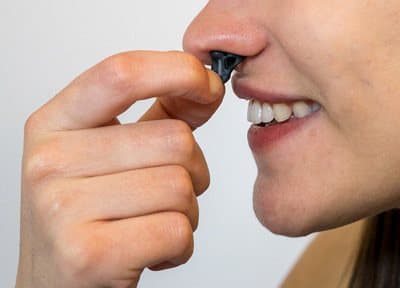
Wash your hands and blow your nose gently, then start with the medium size and the insertion tool if you need it. Insert each side gently just inside the nostril, with the clear band across the bottom of the nose, and check airflow feels easier without pressure. Try each size in the day before wearing it at night, and compare with a nasal strip over two weeks.
- Wash your hands and blow your nose gently.
- Start with the medium size and the insertion tool if you need it.
- Insert each side gently just inside the nostril, with the clear band across the bottom of the nose.
- Breathe in through your nose and check that airflow feels easier without pressure or pain.
- Try other sizes if it feels loose, tight or sore.
- Wear it for short periods at first, then overnight once comfortable.
- Clean it after use, store it in the case, and replace it as directed.
A two-week trial plan
| Days | What to do |
|---|---|
| 1 to 2 | Try each size for an hour in the day; note comfort and airflow |
| 3 to 5 | Wear your best size for the first few hours of sleep |
| 6 to 10 | Wear it all night; ask a partner about snoring |
| 11 to 14 | Compare with a night using a nasal strip; decide before the 30-day window closes |
Keeping simple notes helps you judge honestly whether Hale is worth continuing, and whether refills are worth the cost.
For sleep
Insert it before bed and combine with good sleep habits. A cool, dark bedroom, a regular bedtime and avoiding alcohol in the evening all reduce snoring and make nasal breathing easier. If you share a bed, ask your partner to note whether snoring changes over the first week. If your partner says you still snore loudly, the snoring may come from the throat, and a doctor can check for sleep apnoea.
For exercise
Try it during easy sessions first. A steady walk or gentle jog is a good test, since you can notice whether nose breathing feels easier without the distraction of a hard effort. Keep a spare in your gym bag in case one is lost. Nose breathing during exercise feels different and takes practice; at high intensity, most people need to breathe through the mouth too.
Owners and athletes in studies report that dilators make nose breathing feel easier during steady exercise. For sprints, heavy lifting or hard intervals, your body needs more air than the nose alone can supply, so expect to switch to mouth breathing.
If your nose is congested
A dilator does not clear congestion. Saline rinses before inserting it can help on days when you have a cold or allergies.
When to stop
Stop and see a doctor if you develop pain, persistent redness, sores, bleeding or signs of infection inside the nose.
Cleaning
Rinse the dilator with warm water and mild soap after each use, rinse well, and let it air dry before putting it back in the case. A damp case encourages bacteria, so leave the lid open until everything is dry. Do not boil it or use harsh chemicals unless the instructions allow it.
Getting used to it
Most people notice an internal dilator for the first few nights. Wearing it for an hour or two during the day, while reading or watching television, helps you get used to the feeling before trying it overnight.
Troubleshooting
| Problem | Likely cause | What to try |
|---|---|---|
| Falls out at night | Size too small | Try the next size up |
| Pressure or soreness | Size too large or inserted too deep | Try a smaller size; insert less deeply |
| No improvement in breathing | Blockage is not at the nostrils | Try strips; see a doctor |
| Nostril irritation | Friction or dirty device | Clean it, give your nose a night off, replace it |
Hale Breathing AidScore 5.6/10
Before you buy: Check the final price, shipping and return terms at checkout.
$29.99 at Hale · Price checked October 3, 2026
Check price at Hale (opens Hale in a new tab)We may earn a commission if you buy through our links.
What else do people ask about nasal dilators?
Most questions are about whether dilators work. For people whose nostrils narrow or collapse when they breathe in, they often do, and a 2016 systematic review found the most evidence for external strips and nasal clips. That narrowing, called nasal valve collapse, can follow surgery, injury or ageing. Internal dilators are more discreet, external strips have more studies, and comfort often decides.
Do nasal dilators really work?
For people whose nostrils narrow or collapse when they breathe in, yes, often. A 2016 systematic review found the most evidence for external strips and nasal clips.
What is nasal valve collapse?
It is when the side walls of the nose, near the nostrils, are weak or narrow and pull inward when you inhale, restricting airflow. It can follow surgery, injury or ageing.
Are internal or external nasal dilators better?
Both target the same area. External strips have more published studies; internal dilators are more discreet. Comfort and personal preference often decide.
Can a nasal dilator fix a deviated septum?
No. It may ease symptoms if the narrowing is at the nostril, but a significantly deviated septum may need assessment by a specialist.
What is the Cottle test?
It is a simple check doctors use for nasal valve problems: gently pulling the cheek beside the nose outward to open the valve. If breathing improves, the valve may be part of the problem. A doctor can do this properly as part of an examination.
Are nasal dilators reusable?
Many are reusable for a period and then replaced. Hale's store sells refills on monthly plans, which suggests replacing it about monthly. Strips are single-use.
Why does my nose block more when I lie down?
Lying down increases blood flow to the nasal lining, which can make it swell. That is why many people notice blockage at night. Raising your head slightly and treating allergies can help.
Is mouth breathing at night bad?
Habitual mouth breathing can cause dry mouth and may worsen snoring. If you cannot breathe through your nose at night, see a doctor to find out why.
What size Hale should I choose?
Start with the medium, which one owner found comfortable, and adjust. Fit can differ slightly between nostrils. If it slips out, try large; if it presses or hurts, try small. The kit includes all three so you can compare.
Do nasal dilators help with exercise?
They may help people with narrow nostrils breathe more comfortably through the nose during moderate exercise. Studies in athletes with nasal valve problems found less perceived fatigue with an internal dilator. Most healthy athletes without nasal obstruction see little performance change.
Can children use nasal dilators?
Hale is marketed to adults. Children with persistent nasal blockage or snoring should see a doctor, as enlarged adenoids and tonsils are a common cause.
Can I use Hale with a cold?
You can, but a dilator does not clear mucus or swelling inside the nose. During a cold, saline rinses and rest help more, and you may prefer to give your nose a break from the device.
Does Hale affect my sense of smell?
It sits at the nostril opening and should not block smell. If anything, better airflow can help odours reach the smell receptors.
Can I wear Hale with glasses or a face mask?
Yes; it sits inside the nose, so it does not interfere with glasses. Under a face mask it is not visible at all.
How long does it take to work?
The effect on airflow is immediate while it is in place, according to how nasal dilators work. Getting used to wearing it may take a few nights.
Can I wear Hale with a CPAP mask?
People using CPAP for sleep apnoea should ask their sleep specialist before adding any nasal device, as it may affect mask fit and pressure.
Is Hale worth it?
If nasal strips help you and you want something discreet, Hale may be worth trying with the 30-day guarantee, accepting that refills add up. If strips do not help, or you have other symptoms, a medical assessment is a better use of money.
Frequently asked questions
What is Hale?
Hale is a soft internal nasal dilator: two small pieces that sit just inside the nostrils, joined by a clear band, to hold the nasal passages open. It was designed by facial plastic surgeon Dr. Patrick Byrne and comes in three sizes.
Does Hale work?
Nasal dilators can improve airflow for people whose nostrils narrow when they breathe in. In a 36-person Johns Hopkins study, an investigational dilator that appears to be an early Hale design improved peak nasal airflow by a similar amount to a Breathe Right strip. There is no published evidence it matches surgery.
How much does Hale cost?
On 3 October 2026 the offer page showed $29.99 for one kit, $56.99 for two and $75.98 for three. Hale's own store sells a trial kit at $24.99 and refills at $19.99, including a monthly subscription and a $239.88 one-year supply.
How often do you replace Hale?
Hale's store sells refills on 30 or 45-day plans and a one-year supply, which suggests replacing the dilator roughly monthly. Check the instructions in the kit. That adds about $20 a month, or roughly $240 a year, to the $29.99 kit price.
Can Hale stop snoring?
It may help snoring caused by narrow nostrils or nasal valve collapse. It does not help snoring from the throat or soft palate, and loud snoring with pauses in breathing can signal sleep apnoea, which needs medical assessment. Get loud snoring checked by a doctor.
Is Hale FDA approved?
The page says FDA registered and compliant. Registration means the company and device are listed with the FDA; it is not the same as FDA approval or clearance. Registration does not mean the FDA has evaluated how well it works.
Can I wear Hale while exercising?
The page markets it for workouts and one owner uses it while training. Internal dilators have been studied in athletes with nasal valve problems, with some improvement in comfort. Test it on an easy session first. Stop if it causes discomfort.
What if Hale is uncomfortable?
Try another size, use the insertion tool, and give yourself a few days to adjust. If it causes pain, sores or bleeding, stop. The offer page shows a 30-day money-back guarantee; Trustpilot reviewers report strict return terms, so read them first.
We may earn a commission if you buy through our links.
This content is for informational purposes and is not medical advice. Talk to a qualified professional before using any product that affects your health.
Prices accurate as of October 3, 2026. Check the seller's checkout for current pricing, promotions and terms.
What we checked: No hands-on use. Claims, prices, inventor details, sizes, guarantee and testimonials from the Hale offer page our link opens (gethalebreathing.io) on 2026-10-03. Store prices, refill and subscription plans and company location from Hale's own store data the same day. Results of the Johns Hopkins feasibility study NCT03456115 from ClinicalTrials.gov, a 2016 systematic review of mechanical nasal dilators as reported by UC Irvine, and the Trustpilot profile for halebreathing.com were read the same day.
Compare Hale Breathing Aid

About the author
James Wilson, Consumer Tech Writer
James Wilson covers health and wellness technology for Top10Gadgets: breathing devices, massagers, hearing aids, dental and weight-loss products, and the other gadgets sold with a promise to make life easier. James write…
- Health and wellness gadgets
- Over-the-counter hearing aids
- Breathing and massage devices
- FDA clearance and registration
- Tech for beginners
Writing for Top10Gadgets since 2026Full profile