Sleep / Children's sleep aids
Moonbuddy Review: Does the Kids' Breathing Buddy Really Calm Children and Help Them Sleep?
A palm-sized bear or bird whose belly swells and shrinks so a child can breathe along at bedtime. Parents rate it highly, but the offer page overstates things and costs more than Moonbird's store.

By Daniel Brooks, Technology & Buying Guide Editor at Top10Gadgets
Updated 29 min readHow we test
Quick answer
Yes, if your child is roughly 6 to 12, finds bedtime or big feelings hard, and you want a screen-free way to teach slow breathing that they can use on their own. Moonbuddy is simple, cuddly and made by a real company with strong owner reviews.
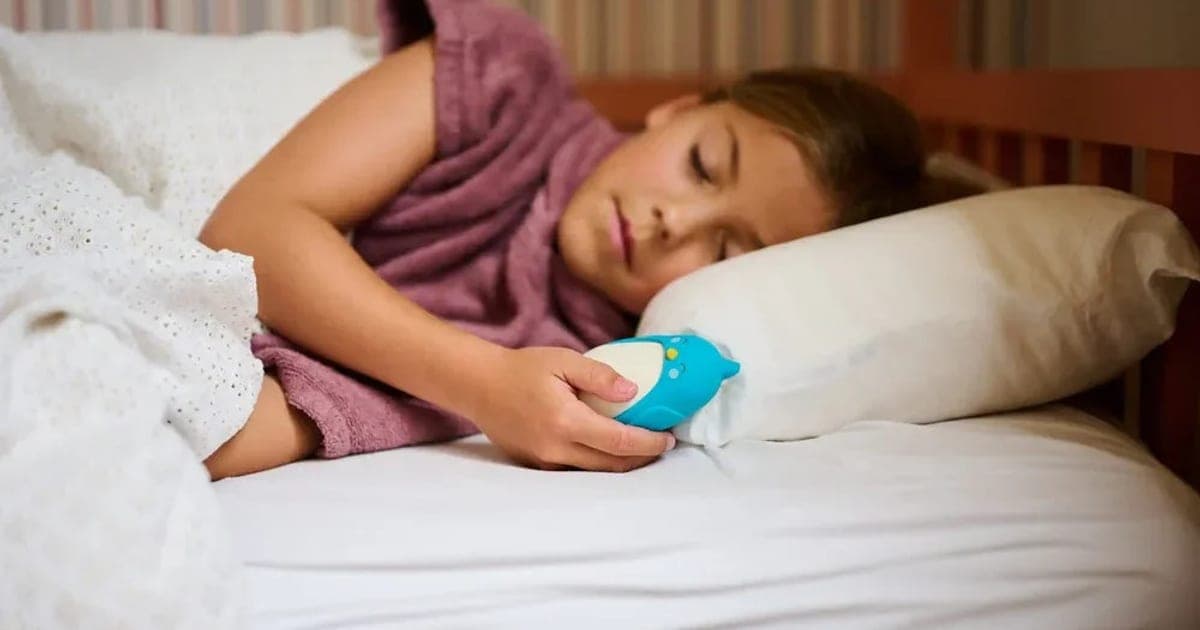
Score 7.0/10$89.99 at Moonbird
Check price at Moonbird (opens Moonbird in a new tab)We may earn a commission if you buy through our links.
- Best for
- Children aged about 6 to 12 who struggle to settle at bedtime or wind down after a busy day
- Not for
- Families on a tight budget: free breathing games and techniques teach the same skill
$89.99 at Moonbird
Check price at Moonbird (opens Moonbird in a new tab)We may earn a commission if you buy through our links.
On this page · 14 sections
- 01Our verdict
- 02The short version
- 03Pros & cons
- 04How it works
- 05Who it's for
- 06How much does Moonbuddy cost, and what's in the box?
- 07Does Moonbuddy work, and what does the evidence say?
- 08Are Moonbuddy's claims true?
- 09Is Moonbuddy better than free breathing techniques or apps?
- 10Is Moonbuddy legit, and what should you check before buying?
- 11What do parents say, and how did we score Moonbuddy?
- 12How to use Moonbuddy for the best results
- 13What else do parents ask about kids and sleep?
- 14Frequently asked questions
Our verdict
Yes, if your child is roughly 6 to 12, finds bedtime or big feelings hard, and you want a screen-free way to teach slow breathing that they can use on their own. Moonbuddy is simple, cuddly and made by a real company with strong owner reviews. But "help ANY child" and "Backed by Mayo Clinic Science" overstate the evidence, the seller's pages disagree on session length, and the offer price beats Moonbird's own store only on bundles. Moonbuddy scores 7.0 out of 10, held back by marketing claims and price.
The short version
- A palm-sized bear or bird whose belly swells and shrinks so a child can breathe along.
- One button, four breathing rhythms, no screen, no app and no Bluetooth.
- Designed for ages 6 to 12, according to Moonbird.
- $89.99 plus shipping on 4 October 2026; two for $149.99, three for $199.98, free shipping on bundles.
- Moonbird's own European store listed it at €79.
- Sessions stop automatically: 4 minutes per the offer page, 6 minutes per the store specs.
- No published trial of Moonbuddy itself; slow breathing in general is well supported.
- Trustpilot: 4.7 from more than 900 reviews across Moonbird's products.
- 30-day money-back guarantee and a two-year warranty, according to the seller.
- Best trait: a child can use it alone, in the dark, with no screen.
- Biggest drawback: overstated claims and a price you can beat.
- Our score: 7.0 out of 10.
Pros & cons
Moonbuddy is one of the more sensible children's wellness gadgets: a real mechanism, a real company and parents who mostly like it. The cons are about how it is sold more than what it is.
What we like
- Screen-free and app-free: one button, no Bluetooth, no account, so a child can use it alone
- Teaches slow breathing, a calming skill recommended for children by health bodies, in a way young kids can follow
- Cuddly bear or bird sleeve makes it feel like a companion rather than a gadget
- Four breathing rhythms for different ages and moods; switches itself off after each session
- Made by an established Belgian company with a strong Trustpilot record (4.7 from more than 900 reviews across its products)
- 30-day money-back guarantee and a two-year warranty against defects, according to the seller
What we don't
- $89.99 plus shipping on the offer page, while Moonbird's own store listed it at €79
- "Help ANY child", "in just 4 minutes" and "Backed by Mayo Clinic Science" overstate the evidence
- The seller's pages disagree on session length: 4 minutes on the offer page, 6 minutes in the store specs
- No independent trial of Moonbuddy itself; the evidence is for slow breathing in general
- Some children lose interest or simply prefer other ways to calm down
Sold by Moonbird
Moonbuddy$89.99
How it works
Moonbuddy is a breathing guide shaped like a small animal. Inside the silicone sleeve is a core that slowly expands and contracts. Your child holds it, usually in both hands or against the chest, and breathes in as it grows and out as it shrinks.
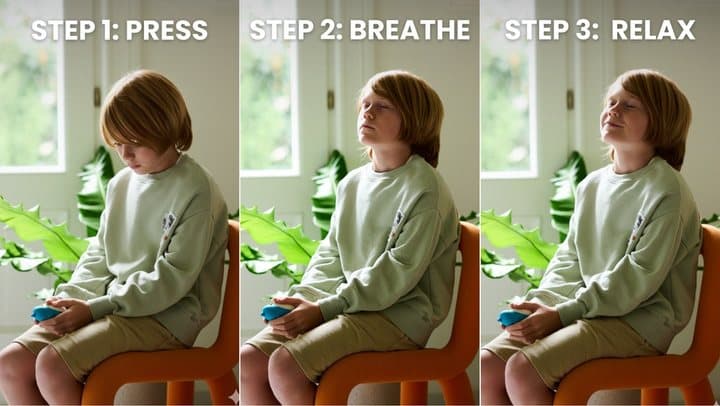
Press the button
Step 1: Your child presses the single button to start. The same button cycles through the four breathing rhythms, each shown by a different coloured light.
Breathe with the belly
Step 2: Holding Moonbuddy in both hands, the child breathes in as its belly gently swells and out as it shrinks. There is nothing to read or count.
Relax as it stops
Step 3: After a set session the device switches itself off, so it can be used in bed without a parent coming back to turn it off.
The breathing rhythms
According to Moonbird's own product page, Moonbuddy has four preset rhythms, each shown with a coloured light:
| Light | Breaths per minute | Breath in | Breath out |
|---|---|---|---|
| Green | 10 | 2.8 seconds | 2.8 seconds |
| Blue | 8.5 | 3.5 seconds | 3.5 seconds |
| Red | 10 (listed) | 2.5 seconds | 3.2 seconds |
| Yellow | 6 | 5 seconds | 5 seconds |
Two small things are worth knowing. First, 2.5 seconds in and 3.2 seconds out works out at about 10.5 breaths a minute, not exactly 10; the difference does not matter in practice. Second, the red rhythm is the only one with a longer out-breath, which is the pattern most often linked with relaxation.
Younger children usually find faster rhythms easier, because their natural breathing rate is higher than an adult's. Older children can often manage the slow yellow rhythm, which matches the six breaths a minute used in many adult breathing programmes. A hands-on review by a parent on Motherly made the same point about younger children preferring quicker rhythms.
Why slow breathing calms children
When a child is upset or wound up, their breathing tends to be fast and shallow. Slowing it down, especially the out-breath, nudges the nervous system towards its "rest and digest" mode. Heart rate settles and muscles loosen. Health bodies including the NHS recommend simple breathing exercises for stress, and paediatric advice often suggests teaching them to children.
The hard part for children is not knowing what to do but doing it when they are upset or tired. "Breathe slowly" is abstract. A toy that breathes in their hands is concrete. That is Moonbuddy's real idea, and it is a good one.
Why it is touch, not light or sound
Most breathing aids use a light (like Dodow), a voice or an app. Moonbuddy uses touch. That has three advantages for children: it works in a dark bedroom, it does not need a screen, and holding something soft is soothing in itself. It also means a child can use it under the duvet or in a classroom without anyone else noticing.
What it does not do
Moonbuddy does not track sleep, measure heart rate, play sounds or connect to a phone. It does not record anything about your child. For many parents that is a relief: there is no data to worry about and nothing to update. If you want feedback such as heart rate variability, the adult Moonbird and its app offer that, but most children do not need it.
How it feels in the hand
Moonbird describes the body as soft silicone over a firmer core, and the Motherly reviewer described it as smooth and slightly squishy with a very quiet motor. At 88 grams and about 9 cm tall, it is roughly the size of a large egg, small enough for a six-year-old to hold in two hands and for an older child to hold in one.
Who it's for
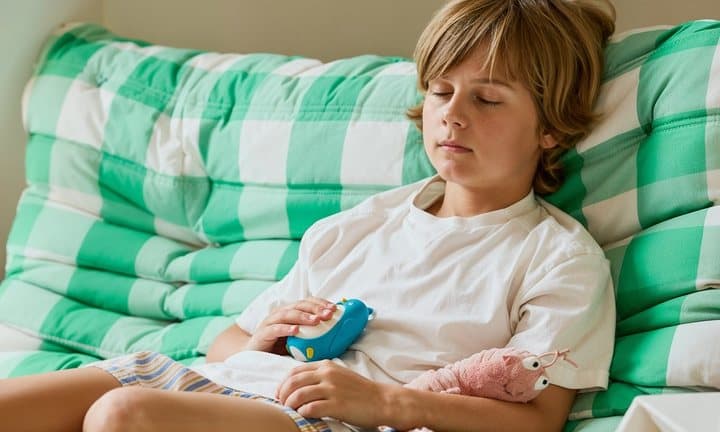
Moonbuddy suits children who find it hard to switch off at bedtime, children who get overwhelmed after school, and children who have big feelings and need a way to come back down. It also suits parents who want to avoid screens in the bedroom and want a tool their child can reach for without asking.
It is not a fix for every sleep problem. If your child is kept awake by pain, snoring, nightmares, a noisy room, or a diagnosed condition, a breathing toy will not solve that on its own.
Why Moonbuddy appeals
The appeal is simplicity. There is one button. There is no app to download, no account to make and no Bluetooth to pair. A child of six can work it alone. The bear and bird sleeves make it feel like a friend rather than a device, which matters: children are far more likely to use something they like.
It is also independent. Many bedtime routines depend on a parent staying in the room, reading, singing or rubbing a back. Moonbuddy gives the child something to do on their own, which some parents find makes bedtime shorter and calmer for everyone. The offer page pitches it as stopping you being the "bad guy" at bedtime; that is marketing, but it reflects a real wish many parents have.
A typical bedtime
After the bath, story and lights out, your child presses the button and holds Moonbuddy on their chest. Its belly swells slowly; they breathe in. It shrinks; they breathe out. After a few minutes the breathing has slowed, the wriggling has stopped and the device switches itself off. Some children are asleep by then. Others are at least calmer and lying still, which is often half the battle.
That is the routine parents describe in the testimonials on the offer page and on Trustpilot. It will not happen like that every night, and it rarely happens like that on the first night.
Big feelings during the day
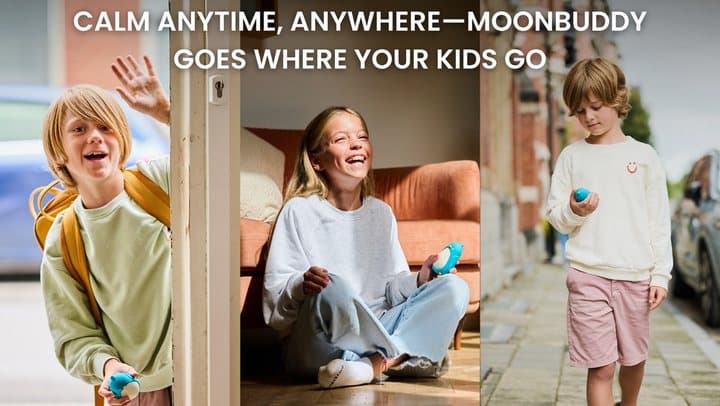
Moonbuddy is not only for bedtime. Parents describe children using it after a meltdown, before a test, after a fight with a sibling or when overstimulated after school. One testimonial on the offer page comes from a student who used it during exams and an anxiety attack; another from a parent whose 12-year-old uses it when upset as well as at night.
In classrooms
One testimonial is from a kindergarten teacher who uses it with several students who need a break or have got upset. Teachers and school counsellors are a natural audience: it is quiet, needs no screen and can be passed between children (with a wipe between uses). The same teacher noted that a student broke one, and that customer service responded quickly.
Children with ADHD, anxiety or sensory needs
Parents of neurodivergent children feature strongly among Moonbuddy's fans. The Motherly reviewer has a son with ADHD who began reaching for it himself when frustrated. Trustpilot reviewers describe it working as a sensory fidget as well as a breathing guide. That said, every child is different: some sensory-seeking children want movement, not stillness, and may prefer jumping or squeezing a ball.
As a gift
Moonbuddy makes a thoughtful gift for a child who struggles to settle, or for parents, grandparents or teachers who have mentioned bedtime battles. Buy from a seller with clear returns in case the child does not take to it.
When it is less likely to help
Moonbuddy is least likely to help when the cause of poor sleep is physical (pain, eczema, a blocked nose, snoring), environmental (a bright or noisy room, a late screen) or a matter of timing (a bedtime that is simply too early for that child). In those cases, fix the cause first. It is also less likely to help a child who is not interested in sitting still, at least until they are a little older.
- Children aged about 6 to 12 who struggle to settle at bedtime or wind down after a busy day
- Parents who want a screen-free, app-free calming tool their child can use without help
- Families who already practise breathing exercises and want a physical guide to make them stick
- Teachers and therapists looking for a quiet, tactile calm-down tool
Who should skip it
- Families on a tight budget: free breathing games and techniques teach the same skill
- Children whose sleep or anxiety problems are severe or persistent; talk to your paediatrician first
- Children under about 6, or any child who chews toys, without close supervision
- Parents expecting a guaranteed four-minute fix
How much does Moonbuddy cost, and what's in the box?
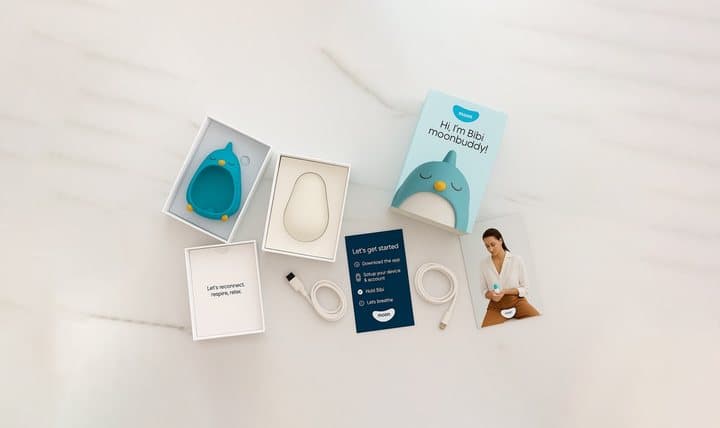
Moonbuddy costs $89.99 plus shipping for one on the offer page on 4 October 2026, with two for $149.99 and three for $199.98 including free shipping, while Moonbird's own European store listed it at €79. The box contains the device, a bear or bird sleeve, a USB-C magnetic charging cable and a printed manual. The offer page shows a 30-day money-back guarantee, and the seller's FAQ mentions a two-year warranty.
What comes in the box
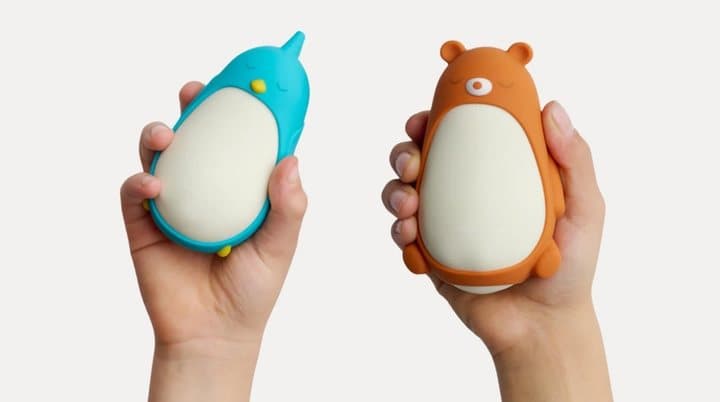
Bibi the Bird and Barry the Bear sleeves
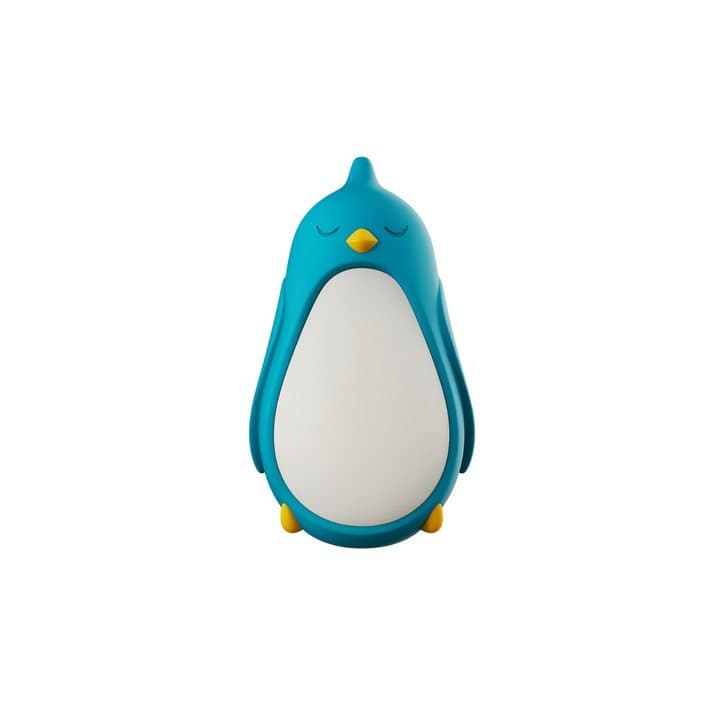
Bibi the Bird
In the box
According to Moonbird's store, the box contains one Moonbuddy device, one sleeve (bear or bird), a USB-C magnetic charging cable and a printed instruction manual. There is no wall plug; any USB charger will do.
Specifications
| Spec | Moonbuddy |
|---|---|
| Age range | 6 to 12, according to Moonbird |
| Rhythms | Four, from about 6 to 10 breaths a minute |
| Controls | One button for power and rhythm |
| Session | Stops automatically (4 minutes per offer page; 6 minutes per store specs) |
| Battery | 120 minutes, about 20 six-minute sessions, per the store |
| Charging | USB-C magnetic cable |
| Weight | 88 g |
| Size | 93 x 51 x 45 mm |
| Materials | ABS, silicone and TPU, described as child-safe |
| Connectivity | None: no app, Wi-Fi or Bluetooth |
| Sleeves | Barry the Bear (orange) or Bibi the Bird (blue) |
Moonbuddy price and bundles
On 4 October 2026 the Moonbuddy offer page (opens Moonbird in a new tab) listed:
| Package | Price | Shipping | Per Moonbuddy |
|---|---|---|---|
| 1 Moonbuddy | $89.99 (shown against $99.99) | Extra | $89.99 plus shipping |
| 2 Moonbuddies (second half price) | $149.99 | Free | $75.00 |
| 3 Moonbuddies (third free) | $199.98 | Free | $66.66 |
Moonbird's own European store listed Moonbuddy at €79, with similar "second at half price" and "buy two, get one free" bundle offers. Prices and promotions change often, so check both before you buy. The checkout button on the offer page we saw was set to the two-pack, so make sure you pick the package you actually want.
Is it good value?
At $89.99 plus shipping, Moonbuddy is not cheap for something that teaches a free skill. But you are paying for a well-made, rechargeable device from a company that also makes the adult Moonbird breathing coach, with a warranty and a known support team. For families where screen-based apps are off the table and children will not count breaths on their own, that can be worth it.
The two-pack is the better deal if you have two children, or want one for home and one for school or a grandparent's house. Three is only worth it if you genuinely need three.
The real cost over time
There is no subscription, no app fee and no replaceable battery. The only running cost is electricity for charging, which is negligible. A replacement sleeve or cable may cost extra if lost; check the seller's accessories before you need one. Spread over a couple of years of nightly use, the cost works out at pennies a night, which is how many parents justify it.
Who makes it
Moonbuddy is made by Moonbird BV of Antwerp, Belgium, which also makes the adult Moonbird. The store says Moonbuddy was co-developed with LicaLab, a research lab at Thomas More University of Applied Sciences. Moonbird has been selling since around 2021, publishes a support centre and replies to reviews on Trustpilot.

MoonbuddyScore 7.0/10
Best for: Children aged about 6 to 12 who struggle to settle at bedtime or wind down after a busy day
$89.99 at Moonbird · Price checked October 4, 2026
Check price at Moonbird (opens Moonbird in a new tab)We may earn a commission if you buy through our links.
Does Moonbuddy work, and what does the evidence say?
Moonbuddy teaches slow, paced breathing, one of the best-researched relaxation techniques, by expanding and shrinking in a child's hands. Studies in adults show slow breathing lowers heart rate and stress in the short term, and smaller studies in children point the same way. There is no independent published trial of Moonbuddy itself, though parents in a company study reported children falling asleep faster and feeling calmer.
Slow breathing has good support
Slow, paced breathing is one of the best-researched relaxation techniques. Studies in adults show it can lower heart rate, raise heart rate variability and reduce feelings of stress in the short term. Research in children is smaller but points the same way, and breathing exercises are a standard part of many school mindfulness programmes and children's anxiety treatments.
There is no independent trial of Moonbuddy itself
The adult Moonbird device has a small peer-reviewed study. For Moonbuddy, Moonbird describes a real-world study in which parents reported their children fell asleep faster and felt calmer, and says parents rated 79% of sessions as clearly effective after a month. We could not find that study published in a peer-reviewed journal, and parent ratings of a product they have bought are prone to bias. One online overview described a children's pilot study as still under review. So treat the figure as company-reported.
What research on children and breathing shows
Studies of breathing and mindfulness programmes in schools have generally found small to moderate improvements in children's stress and attention, with the biggest effects when practice is regular. Breathing is also a standard skill taught in cognitive behavioural therapy for children with anxiety. None of this tests Moonbuddy directly, but it supports the idea that a tool which makes regular practice easier is worth trying.
Why it may help even without a trial
The mechanism is sound. If a child actually breathes along, their breathing slows. Add a predictable bedtime routine and a comforting object, and you have three things known to help children settle. The open question is not whether slow breathing calms children but whether a particular child will use the device.
What a hands-on reviewer found
The Motherly reviewer, a parent of two, found that her initially doubtful son with ADHD started reaching for Moonbuddy on his own when frustrated after school. She was clear that it was not a cure-all and that some children may prefer other ways to calm down. That matches what we would expect.
Realistic expectations
Expect a helpful tool, not a switch. In the first week, many children treat it as a toy. With routine, many come to use it to calm down. Some children fall asleep faster; some simply lie still and calm. A minority lose interest. The 30-day guarantee covers that last case if you buy from a seller that honours it.
Are Moonbuddy's claims true?
Moonbuddy's core idea is sound, but several marketing lines overstate it. "Help ANY child calm down and fall asleep in just 4 minutes" is not realistic, and 4 minutes is the session length, which Moonbird's own store lists as 6. "Backed by Mayo Clinic Science" is misleading: the Mayo Clinic recommends breathing exercises in general, and we found no Mayo Clinic research on Moonbuddy.
"Help ANY child calm down and fall asleep in just 4 minutes"
Overstated. No calming tool works for every child, and "4 minutes" is the session length, not a measured time to sleep. Moonbird's own store lists 6-minute sessions, which suggests the offer page is out of date or describes a different setting.
"Backed by Mayo Clinic Science"
Misleading. The Mayo Clinic, NHS, American Academy of Pediatrics and Harvard recommend breathing exercises in general, and Moonbird's own store words it that way. We found no Mayo Clinic research on Moonbuddy. "Backed by" implies an endorsement that does not exist.
"Scientifically proven" and "expert-designed breathing patterns"
Partly true. The patterns are based on established breathing research and were developed with a university research lab, according to Moonbird. But Moonbuddy itself has not been tested in a published independent trial.
"No WiFi or Bluetooth signals that suppress melatonin"
Half true. Moonbuddy has no screen, Wi-Fi or Bluetooth, which is genuinely useful. But it is screens and bright light, not Wi-Fi or Bluetooth signals, that are linked with reduced melatonin. The useful point is simply that there is no screen.
"Teaches self-regulation skills that last a lifetime"
Plausible but unproven. Children can learn to slow their breathing and use it without a device, and that is the goal of most breathing programmes. Whether a particular child carries it into adulthood is up to practice, not the device.
"Builds healthy sleep habits"
Reasonable. Using the same calming tool at the same point every night is exactly the kind of routine sleep advice recommends. The habit, though, comes from the routine, so a parent's consistency matters as much as the device.
"Perfect for the classroom"
Plausible. It is silent, small and screen-free, and a kindergarten teacher's testimonial supports it. Schools may have their own rules about devices and sharing, so ask first.
"Trusted by 80,000+" and "over 100,000 families"
The same offer page gives both figures. Neither can be checked, and the mismatch shows how loose the numbers are. The Trustpilot score is a more useful signal.
"Rated 4.7 stars"
Matches the Trustpilot profile for moonbird.life, which covered 916 reviews on 4 October 2026. Note that it covers all Moonbird products, not only Moonbuddy.
Claims scorecard
| Claim | Our view |
|---|---|
| Calms any child in 4 minutes | Overstated |
| Backed by Mayo Clinic science | Misleading |
| Expert-designed patterns | Plausible; developed with a research lab |
| Scientifically proven | Technique yes; device not independently tested |
| No screens or signals | True; melatonin link applies to screens, not Wi-Fi |
| Lifelong self-regulation | Plausible, unproven |
| 4.7 stars | Matches Trustpilot (all products) |
Is Moonbuddy better than free breathing techniques or apps?
Free techniques like "smell the flower, blow out the candle" teach the same skill at no cost, and some children pick them up quickly, so try one for a week first. Breathing apps and videos are cheap but need a screen at bedtime and a parent to set them up. Moonbuddy's advantage is that a child can use it alone, screen-free, especially when upset or tired.
| Option | Cost | Screen-free | Child can use alone | Notes |
|---|---|---|---|---|
| Moonbuddy | $89.99 + shipping | Yes | Yes | Tactile, cuddly, one button |
| Breathing by counting | Free | Yes | Older children | Hard when upset |
| Breathing apps and videos | Free to paid | No | Sometimes | Screens at bedtime |
| Breathing light (e.g. Dodow) | About $59 | Yes | Yes | Light on ceiling; made for adults |
| Adult Moonbird | $199.99 | Yes | Older teens | Optional app and HRV |
| Weighted toy or blanket | Varies | Yes | Yes | Comfort, not breathing |
Moonbuddy vs teaching breathing without a device
Free techniques like "smell the flower, blow out the candle" or "bubble breathing" teach the same skill. Some children pick them up quickly. Others need something concrete, especially when upset or tired. Try a free technique for a week first; if it does not stick, Moonbuddy is a reasonable next step.
Moonbuddy vs breathing apps and videos
Apps and videos are cheap or free and often well made, but they need a screen, which most sleep advice says to avoid at bedtime. They also need a parent to set them up. Moonbuddy wins on independence and screen-free use.
Moonbuddy vs a weighted blanket or comfort toy
A weighted blanket or soft toy provides comfort and pressure but does not teach a skill. Moonbuddy combines a comfort object with a breathing guide. Some families use both: a cuddly toy for comfort and Moonbuddy for the minutes it takes to settle. Weighted blankets also come with weight guidance for children, so check the label if you go that route.
Moonbuddy vs Dodow
Dodow projects a slowly swelling light on the ceiling. It is cheaper and Dodow says it suits ages 6 and up, but it is designed for adults and requires lying still and watching. Moonbuddy is made for children, uses touch and doubles as a comfort object.
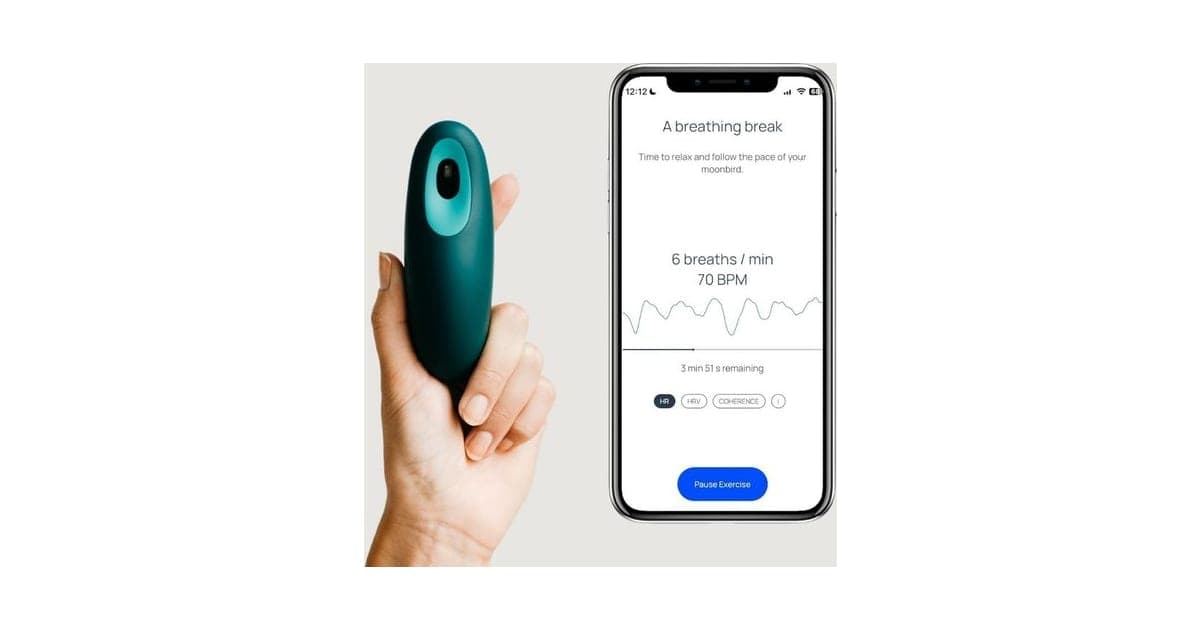
Moonbuddy vs the adult Moonbird
The Moonbird is larger, costs more and adds an optional app with heart rate and HRV. For teenagers who like data, it may suit better. For younger children, Moonbuddy's simplicity and character sleeves win.
Moonbuddy vs other sleep aids we have reviewed
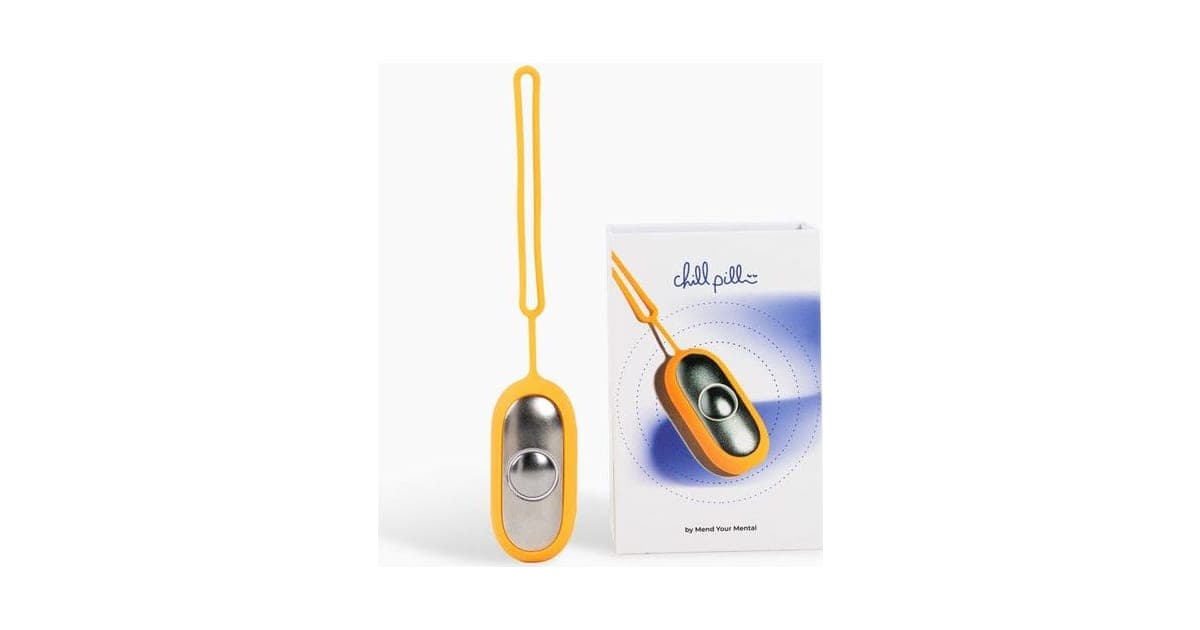
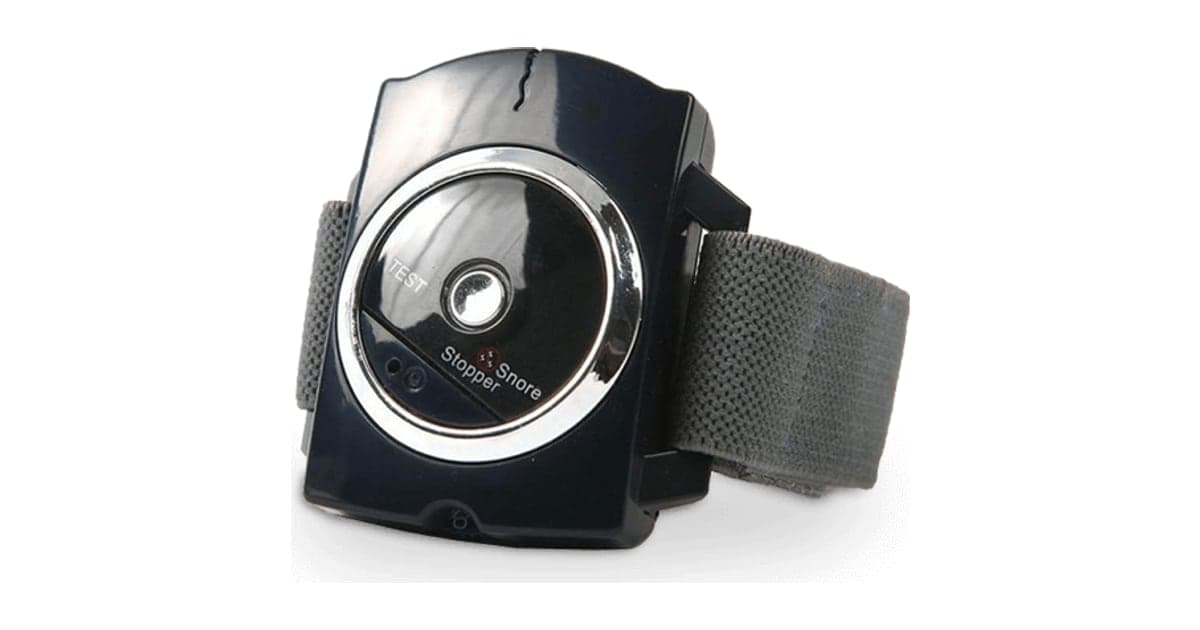
Most sleep products we review are for adults: The Chill Pill uses gentle electrical pulses, and the Sleep Connection wristband targets snoring. For a child who struggles to settle, a breathing guide is a gentler, more sensible place to start. Our best sleep products guide and sleep category compare more options.
If you are comparing prices across sellers, start with today's Moonbuddy bundles (opens Moonbird in a new tab) and check Moonbird's own store before you buy.
MoonbuddyScore 7.0/10
Why people buy it: Screen-free and app-free: one button, no Bluetooth, no account, so a child can use it alone
$89.99 at Moonbird · Price checked October 4, 2026
Check price at Moonbird (opens Moonbird in a new tab)We may earn a commission if you buy through our links.
Is Moonbuddy legit, and what should you check before buying?
Moonbuddy is made by Moonbird, a real company whose Trustpilot profile shows 4.7 from 916 reviews across its products. Before buying, compare the offer page with Moonbird's own store, which listed one unit for less, remember it is a calming aid rather than a treatment for anxiety, ADHD or sleep disorders, and talk to your paediatrician if your child's sleep or worries are severe.
It is a calming aid, not a treatment
Moonbuddy can help a child calm down and settle. It does not treat anxiety disorders, ADHD, sleep disorders or any medical condition.
What to do: if your child's sleep problems, worries or meltdowns are severe, frequent or affecting school and family life, talk to your paediatrician or GP. Use Moonbuddy alongside professional advice, not instead of it.
Breathing comfort
Slow breathing is safe for most children. A few may feel lightheaded if they breathe too deeply.
What to do: encourage gentle breathing through the nose. If your child feels dizzy, switch to a faster rhythm or stop. If your child has asthma or another breathing condition, check with their doctor.
Age and small parts
Moonbuddy is designed for ages 6 to 12. It has a removable sleeve and a magnetic charging cable.
What to do: supervise younger children, keep the cable out of reach when not charging, and do not leave it with a child who chews toys. Check it regularly for tears in the silicone.
Durability
One testimonial mentions a student breaking a bear in a classroom; a Trustpilot reviewer mentions a puppy damaging one. In both cases, support reportedly helped.
What to do: treat it as a gadget, not a toy for throwing. Register your order details so you can claim on the warranty if something fails.
Charging
Moonbuddy uses a magnetic USB-C cable. Some Trustpilot reviewers dislike Moonbird's proprietary charging cables.
What to do: keep the cable in one place, and charge it during the day so it is ready at bedtime.
Price and where to buy
The offer page charged $89.99 plus shipping for one; Moonbird's own store listed €79.
What to do: compare totals including shipping. The two-pack is the best value per unit if you need two.
Returns
The offer page shows a 30-day money-back guarantee. Moonbird's store says its own 30-day guarantee applies to purchases made on moonbird.life.
What to do: before you buy, check who processes the order and where returns go. Keep your confirmation email and packaging, and contact support within 30 days if it does not work for your child.
How to buy Moonbuddy the smart way
- Try a free breathing exercise with your child for a week. If they like the idea but struggle to keep going, consider the Moonbuddy order page (opens Moonbird in a new tab).
- Pick the package you need. The checkout we saw was set to the two-pack; switch to one if that is all you want.
- Choose the sleeve your child prefers: Barry the Bear or Bibi the Bird.
- Check the total with shipping and compare with Moonbird's own store price.
- Keep your confirmation and packaging for the 30-day guarantee.
- Give it three to four weeks of nightly use before deciding.
What do parents say, and how did we score Moonbuddy?
Moonbuddy scores 7.0 out of 10: claim accuracy 1.0, build and durability 1.5, price competitiveness 1.1, usability 1.8 and owner satisfaction 1.6, each out of 2. Moonbird's Trustpilot profile shows 4.7 from 916 reviews across all its products. Parents describe children calming down before bed and during big feelings; complaints mention the proprietary charging cable, children not getting it at first and occasional damage.
Trustpilot
On 4 October 2026, Moonbird's Trustpilot profile showed 4.7 out of 5 from 916 reviews, with 84% five-star and about 2% one-star. These cover all Moonbird products, including Moonbuddy and the adult device. The company replies to negative reviews.
What parents praise
Parents describe children calming down before bed and during emotional moments, children physically relaxing as they breathe along, and the device working well as a sensory fidget. Several like that it is portable for sleepovers and travel and needs no phone.
Common complaints
Complaints mention the proprietary charging cable, some children not "getting it" at first, and occasional damage. Very few say it simply did nothing, though children who lose interest are less likely to leave a review.
The testimonials on the page
The offer page shows four testimonials: a student who used it for exams and an anxiety attack, a parent of a 12-year-old, a parent of a 9-year-old with anxiety, and a kindergarten teacher. They are selected by the seller, but they are specific and broadly match the Trustpilot picture.
How we scored Moonbuddy
Scores follow the five criteria on our how we test page, each worth up to 2 points.
| Criterion | Score | Why |
|---|---|---|
| Claim accuracy | 1.0 | Sound mechanism, but "ANY child", "Mayo Clinic" and the session-length mismatch overstate |
| Build and durability | 1.5 | Solid company and warranty; some reports of breakage |
| Price competitiveness | 1.1 | Fair for the quality, but higher than Moonbird's own store for one unit |
| Usability | 1.8 | One button, no app, child can use it alone |
| Owner satisfaction | 1.6 | Strong Trustpilot score, though shared across products |
| Total | 7.0 |
What we did, and did not, do
Nobody on our team has used Moonbuddy. We checked the offer page our link opens, Moonbird's own store and specs, a hands-on parent review, the Trustpilot profile and published guidance on breathing for children. We have not measured the rhythms, battery life or build quality ourselves.
How to use Moonbuddy for the best results
Charge Moonbuddy fully before the first night, and introduce it in the daytime when your child is calm, letting them explore and name it. For the first few nights, breathe along with them, in through the nose as it swells and slowly out as it shrinks, with the tummy rather than the chest moving. Then let them use it alone as part of a regular bedtime routine.
- Charge it first. Charge fully before the first night so it does not stop mid-session.
- Introduce it in the daytime. Let your child explore Moonbuddy when calm, not mid-meltdown. Name it together if they like.
- Breathe with them. For the first few nights, hold your hand over theirs and breathe along. Children copy adults.
- Find the right rhythm. Start with a faster rhythm for younger children and move to slower ones as they get the hang of it.
- Make it part of the routine. Use it at the same point every night, after the story and before lights out.
- Use it for big feelings too. Keep it somewhere your child can reach when upset, and practise when calm so it works when they need it.
- Give it time. Most habits take a few weeks. Judge it after three to four weeks, within the guarantee.
Getting the breathing right
Encourage breathing in through the nose as the belly swells and out slowly through the mouth or nose as it shrinks. Shoulders should stay relaxed; the tummy, not the chest, should move. If your child breathes too hard or fast, show them a gentle "sniff" and a slow "sigh".
When your child refuses
Some children reject anything a parent suggests. Leave Moonbuddy on their bed or shelf and use it yourself in front of them. Curiosity often does the rest.
If it becomes just a toy
That is fine for the first week. Gently bring it back to breathing at bedtime. If after a few weeks it is only a toy, it may not suit your child, and the guarantee is there for that.
Pairing it with good sleep habits
Moonbuddy works best with a consistent bedtime, a dark and cool bedroom, no screens in the last hour, and a predictable wind-down routine. Breathing helps a child settle; routine helps their body expect sleep.
Using it at school
Talk to your child's teacher first. Many teachers welcome quiet calm-down tools, but they need to know what it is and how your child will use it. Agree where it lives during lessons, whether other children may borrow it, and what happens if it is lost or broken at school or on the bus.
Cleaning
Remove the sleeve and wipe it with a damp cloth and mild soap. Do not soak the device or put it in the washing machine. Dry the sleeve fully before replacing it.
Travelling
Moonbuddy is small enough for a backpack and works on planes, in cars and at grandparents' houses. Bring the cable and charge it the day before.
If it stops working
If Moonbuddy will not turn on, charge it for an hour and check the magnetic cable is seated properly. If it still fails, contact support with your order number; the seller's FAQ mentions a two-year warranty against defects.
When to stop using it
Many children eventually breathe slowly without Moonbuddy, which is the point. If your child no longer reaches for it, that may be a sign the skill has stuck. Keep it for stressful times, such as a new school, exams or travel, when they may want it again.
MoonbuddyScore 7.0/10
Before you buy: Check the final price, shipping and return terms at checkout.
$89.99 at Moonbird · Price checked October 4, 2026
Check price at Moonbird (opens Moonbird in a new tab)We may earn a commission if you buy through our links.
What else do parents ask about kids and sleep?
Most questions are about how long children should take to fall asleep and how much sleep they need. Most children fall asleep within 15 to 30 minutes of lights out, and children aged 6 to 12 generally need 9 to 12 hours a night, according to American Academy of Sleep Medicine guidance. Gentle breathing exercises are safe for most children; check with a doctor if your child has a breathing condition.
How long should it take a child to fall asleep?
Most children fall asleep within 15 to 30 minutes of lights out. Regularly taking much longer, or lying awake worried, is worth discussing with your doctor.
How much sleep do children need?
Children aged 6 to 12 generally need 9 to 12 hours a night, according to widely used guidance from the American Academy of Sleep Medicine.
Are breathing exercises safe for kids?
Gentle breathing exercises are safe for most children. Avoid very deep or forced breathing, and check with a doctor if your child has a breathing condition.
What breathing exercises work for children?
Simple ones such as "smell the flower, blow out the candle", "bubble breathing" or tracing a hand (breathe in up each finger, out down) are popular. The common thread is a slow, longer out-breath.
Should a child sleep with a device?
Moonbuddy is designed to switch itself off and has no screen or wireless signals; the only light is a small coloured indicator for the rhythm. Many children keep it in bed; remove it if your child tends to chew it or roll on it uncomfortably.
Can Moonbuddy help with nightmares?
It may help a child calm down after waking from a bad dream, but it does not prevent nightmares. Frequent nightmares are worth mentioning to your doctor.
Can teenagers use Moonbuddy?
They can, but the character design is aimed at younger children. Many teenagers would prefer the plainer adult Moonbird or a free breathing app.
Can I use Moonbuddy myself?
Yes. Adults sometimes borrow it, and doing it together can help a child copy you. If you want one for yourself, the adult Moonbird is larger and adds an app.
Is Moonbuddy worth it compared with a free app?
If your child will use a free technique or app happily, you do not need it. If screens are off-limits or your child will not stick with counting, its tactile, independent design is worth paying for.
Is Moonbuddy legit?
Yes. It is made by a real Belgian company with a long Trustpilot record, a published support centre and a warranty. The marketing is overstated, but the product is real.
Frequently asked questions
What is Moonbuddy?
Moonbuddy is a handheld breathing device for children made by Moonbird, a company based in Antwerp, Belgium. A bear or bird-shaped sleeve covers a core that slowly expands and contracts, and the child breathes along with it. It has one button and no app.
How much does Moonbuddy cost?
On 4 October 2026 the offer page our link opens listed one Moonbuddy at $89.99 plus shipping, two for $149.99 and three for $199.98 with free shipping. Moonbird's own European store listed it at €79. Bundles bring the price down for siblings.
What age is Moonbuddy for?
Moonbird says it is designed for children aged 6 to 12. Its four rhythms range from about 10 breaths a minute, which younger children often find easier, to 6 breaths a minute for older children. Start with whichever rhythm your child finds comfortable.
Does Moonbuddy really work in 4 minutes?
Slow breathing can calm the body within minutes, and many parents report quicker, calmer bedtimes. But no device can calm every child in a fixed time, and Moonbird's own store lists 6-minute sessions rather than 4. Results vary from child to child.
Is Moonbuddy backed by the Mayo Clinic?
Not directly. The Mayo Clinic, NHS and American Academy of Pediatrics recommend breathing exercises in general. We found no study of Moonbuddy by the Mayo Clinic. Moonbird's own store words it that way, while the offer page says "Backed by Mayo Clinic Science".
Does Moonbuddy need an app or Bluetooth?
No. It works on its own with a single button. That is one of its main strengths for children. A single button turns it on and changes the rhythm, so a child can use it alone at bedtime without a screen, which most sleep advice recommends avoiding.
Can Moonbuddy help a child with ADHD or anxiety?
Some parents of children with ADHD or anxiety report that it helps them calm down. It is a self-regulation aid, not a treatment; talk to your child's doctor about diagnosed conditions. Use it alongside professional advice, not instead of it.
What is the guarantee?
The offer page shows a 30-day money-back guarantee, and the seller's FAQ mentions a two-year warranty against defects. Keep your order confirmation and packaging. Moonbird's own store listed a single unit for less, so compare the totals before ordering.
We may earn a commission if you buy through our links.
This content is for informational purposes and is not medical advice. Talk to a qualified professional before using any product that affects your health.
Prices accurate as of October 4, 2026. Check the seller's checkout for current pricing, promotions and terms.
What we checked: No hands-on use. Claims, prices, bundles, sleeves, FAQ answers, guarantee, testimonials and images from the Moonbuddy offer page our link opens (getmoonbuddy.io) on 2026-10-04. Specs (rhythms, battery, dimensions, materials, box contents) and the €79 price from Moonbird's own store the same day. One hands-on parent review from Motherly; owner sentiment from the Trustpilot profile for moonbird.life (4.7 from 916 reviews, covering all Moonbird products, on 2026-10-04).
See how Moonbuddy compares in The Best Sleep Products of 2026

About the author
Daniel Brooks, Technology & Buying Guide Editor
Daniel Brooks edits the buying guides and comparisons at Top10Gadgets, and covers the sleep, supplement and travel categories where products are hardest to tell apart. Daniel approaches every purchase like a careful shop…
- Buying guides and product comparisons
- Budget and value-for-money products
- Sleep products
- Travel gear
- Subscriptions and return terms
Writing for Top10Gadgets since 2026Full profile