Sleep / Sleep devices
Chill Pill Review: How the Handheld Microcurrent Sleep Device Works, What the Evidence Says and Who It Suits
A palm-sized device that pulses gentle current into an acupressure point in your hand to help you sleep. Some find it soothing, but there is no published trial, and better-proven options exist.

By Daniel Brooks, Technology & Buying Guide Editor at Top10Gadgets
Updated 29 min readHow we test
Quick answer
Only if you want a drug-free bedtime ritual to try alongside good sleep habits, and you accept it may not do much. The Chill Pill is a palm-sized device that sends a gentle electrical tingle into an acupressure point in your hand.
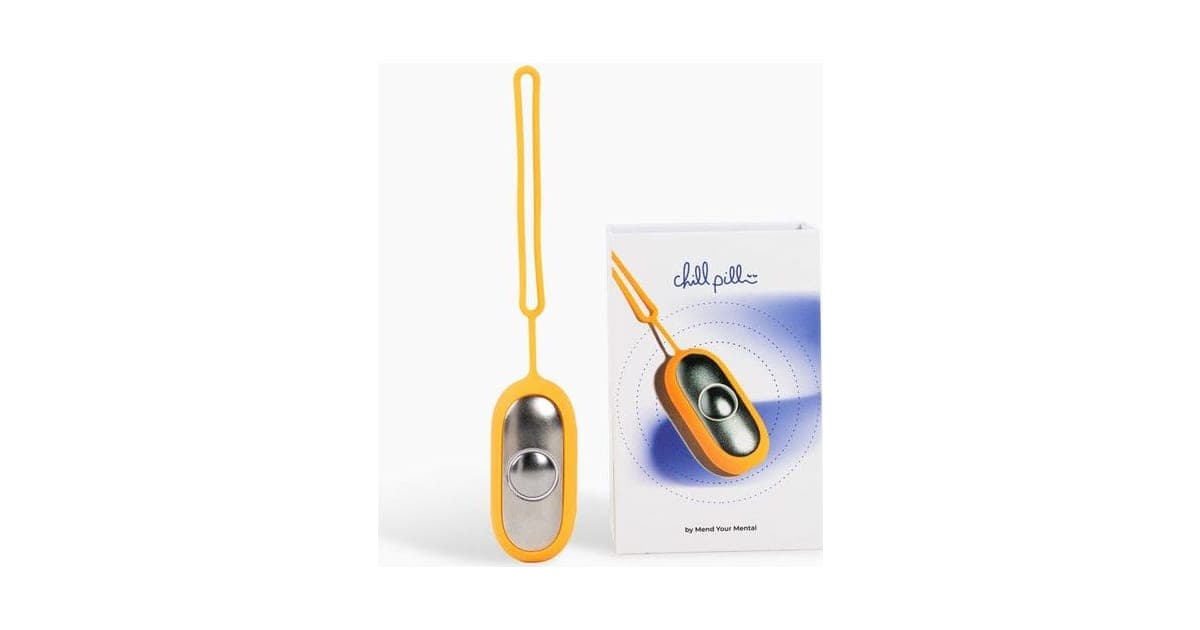
Score 5.6/10$49.50 at Mend Your Mental
Check price at Mend Your Mental (opens Mend Your Mental in a new tab)We may earn a commission if you buy through our links.
- Best for
- People who struggle to switch off at bedtime and like the idea of a calming, hands-on ritual
- Not for
- Anyone with a pacemaker, implanted defibrillator, shunt, nerve damage or a serious heart condition, as the brand itself warns
$49.50 at Mend Your Mental
Check price at Mend Your Mental (opens Mend Your Mental in a new tab)We may earn a commission if you buy through our links.
On this page · 14 sections
- 01Our verdict
- 02The short version
- 03Pros & cons
- 04How it works
- 05Who it's for
- 06How much does the Chill Pill cost, and what do you get?
- 07Does the Chill Pill work, and what does the evidence say?
- 08Are the Chill Pill's claims true?
- 09Is the Chill Pill better than breathing exercises or CBT for insomnia?
- 10Is the Chill Pill safe, and what should you check before buying?
- 11What do owners say, and how did we score the Chill Pill?
- 12How to use the Chill Pill for the best results
- 13What else do people ask about sleep gadgets?
- 14Frequently asked questions
Our verdict
Only if you want a drug-free bedtime ritual to try alongside good sleep habits, and you accept it may not do much. The Chill Pill is a palm-sized device that sends a gentle electrical tingle into an acupressure point in your hand. Some owners say it helps them switch off, but there is no published trial of the device, and research on acupressure for sleep is weak. It scores 5.6 out of 10, held back by overstated "tested and safe for all ages" claims, missing safety warnings and a thin independent owner record, at $49.50.
The short version
- A handheld microcurrent device you hold in your palm; it pulses gently at an acupressure point the brand calls PC8.
- Adjustable pulse and intensity, wrist strap, auto-off timer, USB rechargeable with about 20 hours per charge.
- $49.50 for one on 3 October 2026, $89.99 for two and $128.56 for three, with a 60-day money-back guarantee.
- Best trait: a calm, drug-free routine you can use in bed or on the go.
- Biggest drawback: no direct evidence it improves sleep, and the offer page leaves out the brand's own safety warnings.
- Our score: 5.6 out of 10, with the lowest marks for claim accuracy and owner record.
Pros & cons
The Chill Pill is pleasant, harmless for most people and easy to use. The problem is the gap between what it is, a gentle stimulation gadget with no trial behind it, and what the sales page implies: a proven, all-ages answer to sleep and stress.
What we like
- Drug-free and non-habit-forming, with a gentle, adjustable tingling pulse
- Small, rechargeable, with a wrist strap and an auto-off timer so it can be used in bed
- Low and high pulse modes for winding down or focus, according to the brand
- A simple bedtime ritual that some owners say helps them switch off
- 60-day money-back guarantee on the offer page
What we don't
- No published clinical trial of the Chill Pill; evidence for acupressure and electrical acupoint stimulation in insomnia is limited
- 'Tested and safe for all ages' leaves out the brand's own warnings for pacemakers, nerve damage, shunts and serious heart conditions
- Some people barely feel the pulse; the brand sells a $30 'conductive activator' to help
- Very small independent owner record: 3 Trustpilot reviews, all one-star about support and refunds
- Not a treatment for insomnia, anxiety disorders or panic attacks
Sold by Mend Your Mental
The Chill Pill$49.50
How it works
The Chill Pill is a small microcurrent stimulator, similar in principle to a TENS unit but designed to be held in the hand. Its metal contact sits on the centre of the palm.
Hold it against the centre of your palm
Step 1: You hold the device so its metal contact rests on the centre of your palm, an acupressure point traditionally called Pericardium 8 (PC8).
Choose a pulse and intensity
Step 2: Buttons set the pulse mode, low frequency for winding down and sleep, high for focus according to the brand, and the strength of a light tingling sensation.
Relax while it pulses
Step 3: The rhythmic pulse gives your mind something calm to focus on as you breathe and settle; the brand says the stimulation signals your nervous system to relax, and the device switches itself off after a set time.
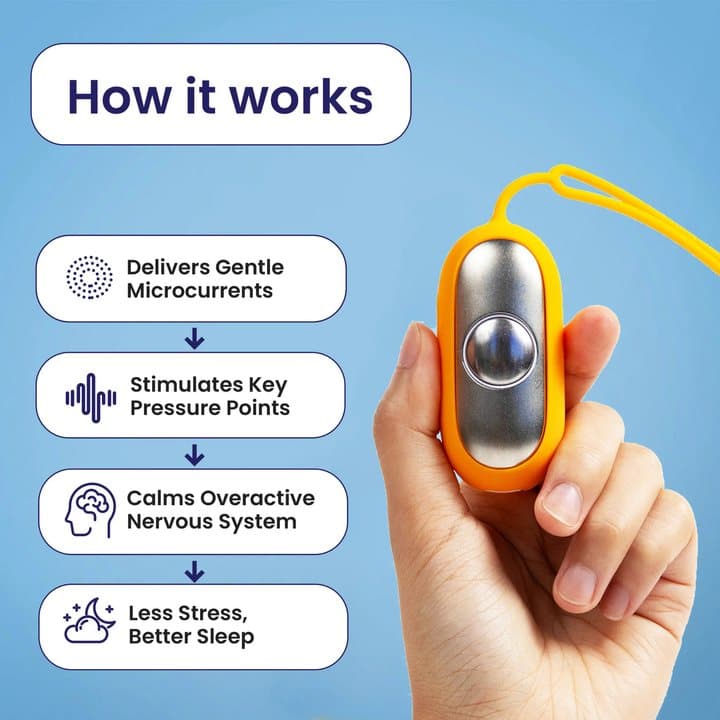
The brand's explanation of how it works
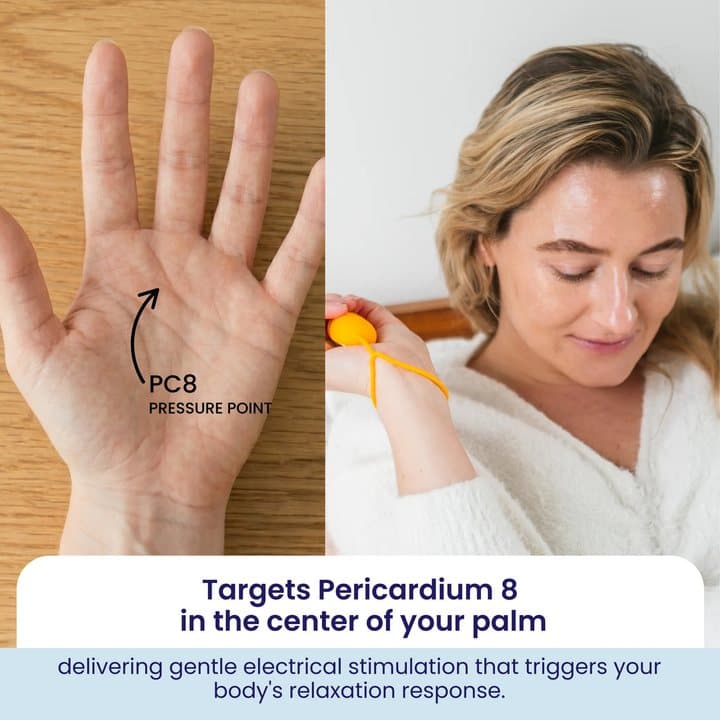
The PC8 point the device targets, as the brand presents it
The brand's explanation draws on acupressure: the centre of the palm is a point called Pericardium 8, or Laogong, in traditional Chinese medicine, associated with calming. Modern research has not established a specific nerve pathway from that point to sleep. A simpler explanation for why some people find it relaxing is that a steady, rhythmic sensation gives the mind something to focus on, like a slow breathing exercise or a ticking clock.
Who it's for
The Chill Pill suits people who lie awake with a busy mind and like the idea of a hands-on, drug-free ritual to signal bedtime. It suits people who have tried apps and breathing exercises and want something physical to hold. It also suits shift workers and travellers who need to wind down at odd hours, since it is small, silent and rechargeable.
It is not a treatment for chronic insomnia, anxiety disorders, panic disorder or depression. If you have struggled with sleep for months, the most effective first step is usually cognitive behavioural therapy for insomnia, and a doctor can check for problems like sleep apnoea or restless legs.
Why the Chill Pill appeals
Poor sleep is common, and many people are wary of sleeping pills: the grogginess, the worry about dependence, the side effects. A small device you simply hold, with no drugs and nothing to swallow, is an attractive alternative. The Chill Pill's soft, rounded design and wrist strap make it feel more like a comfort object than a medical gadget, which suits a bedtime routine.
It also appeals to people who find it hard to switch off their thoughts. Meditation apps and breathing exercises ask you to focus, which can feel like another task. A gentle physical sensation gives the mind an anchor without effort.
Who gets the most value
People with mild, occasional trouble falling asleep, usually because of a busy mind, are most likely to find it worthwhile. People with long-standing insomnia, sleep apnoea, chronic pain or depression are less likely to be helped by a relaxation gadget alone.
- People who struggle to switch off at bedtime and like the idea of a calming, hands-on ritual
- Anyone who wants to try a drug-free relaxation aid alongside good sleep habits
- Night-shift workers and travellers who want something portable to help them wind down
Who should skip it
- Anyone with a pacemaker, implanted defibrillator, shunt, nerve damage or a serious heart condition, as the brand itself warns
- People with chronic insomnia who have not tried CBT for insomnia or seen a doctor
- Anyone with panic disorder, severe anxiety or depression looking for a treatment
- People who want proof it works before buying; there is no published trial of the device
How much does the Chill Pill cost, and what do you get?
The Chill Pill cost $49.50 on the offer page on 3 October 2026, with bundle prices working out at about $43 to $56 a device. You get a palm-sized device with a soft silicone shell, a metal contact that rests on the centre of your palm, a wrist strap and a USB charging cable. It has low-frequency modes for sleep and a high-frequency mode for focus, with adjustable intensity.
The Chill Pill is an oval, palm-sized device with a soft orange silicone shell, a metal contact on one face and a silicone loop that wraps around your wrist. According to the brand's store, the box contains the device and a USB charging cable.
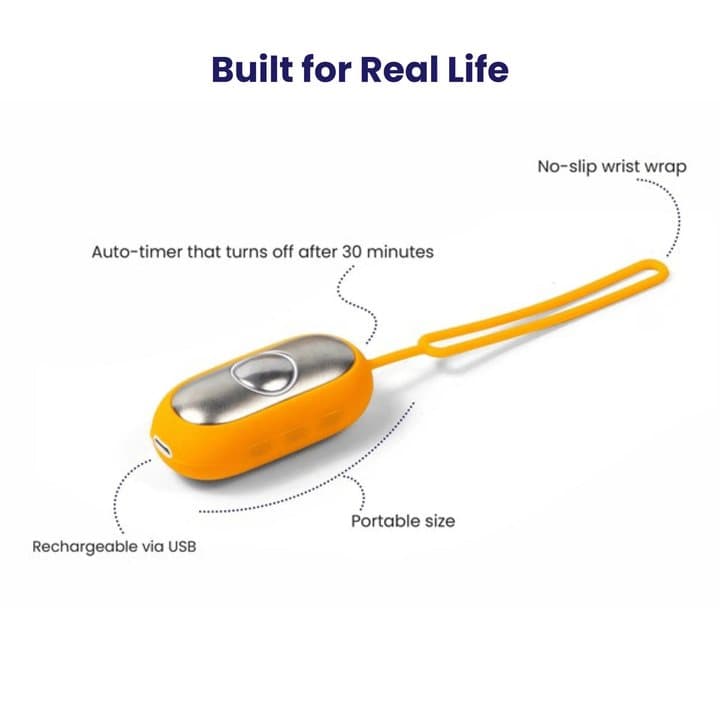
Features as labelled by the brand
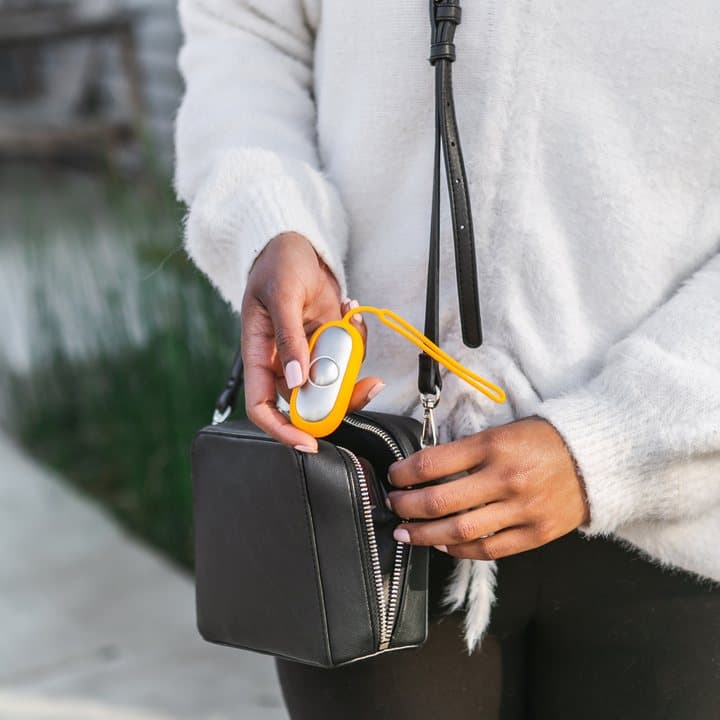
Carried in a bag for the day
Specifications
| Spec | The Chill Pill |
|---|---|
| Type | Handheld microcurrent stimulator |
| Contact | Metal disc held against the centre of the palm |
| Modes | Low frequency (sleep, overthinking) and high frequency (focus), per the brand |
| Intensity | Adjustable with buttons |
| Battery | USB rechargeable; about 20 hours per charge |
| Charging time | About 1 hour (offer page) or 1.5 hours (store) |
| Auto-off | 30 minutes (store) or 20 minutes (older listing) |
| Shell | Soft silicone with wrist wrap |
| Regulatory status | Sold as a general wellness device; not FDA evaluated |
Chill Pill price and bundles
On 3 October 2026 the offer page our link opens showed:
| Package | Total | Per device | Shown as |
|---|---|---|---|
| 1 Chill Pill | $49.50 | $49.50 | Retail $64.28 |
| Buy 1, get 1 60% off (2) | $89.99 | $45.00 | Retail $128.56, free shipping |
| Buy 2, get 1 free (3) | $128.56 | $42.85 | Retail $192.84 |
The brand's own store, chillpillshop.com, listed the Chill Pill at $55.99, a Chill Pill Plus with five modes and heat at $80, replacement sleeves at $14, a "Liquid Chill" conductive activator at $30, a $9.99 lifetime warranty add-on, and sleep bundles with an eye mask and supplements.
Is $50 good value?
For a well-made rechargeable gadget, $50 is fair. Basic TENS units, which also deliver electrical stimulation, cost less, though they use sticky pads rather than a hand-held design. Compared with sleep apps, which are often free or cheap, and with cognitive behavioural therapy for insomnia programmes, it is not obviously better value. Its worth depends on whether it helps you, which the 60-day guarantee lets you test.
The add-ons
The store sells a conductive "activator" liquid, extra silicone sleeves, a lifetime warranty add-on and supplement bundles. None are needed to try the device. If you cannot feel the pulse, a little water on your palm improves contact in the same way gel does.
Chill Pill vs Chill Pill Plus
The brand's store also sells a Chill Pill Plus at $80, with five modes and a heating function, in a stainless steel body with a silicone shell. Warmth in the hand can feel comforting, which some people may prefer at bedtime. There is no published evidence that either version works better; start with the cheaper one if you are unsure.
Who makes it
The Chill Pill is made by Mend Your Mental, a US-based business that sells it through its own store, Amazon and offer pages like the one our link opens. Its store also sells sleep masks, supplement bundles and a "24-hour calm protocol" guide. Its store says more than 1.5 million people use "microcurrent calm technology", a broad figure that is not specific to this device and that we could not verify.

The Chill PillScore 5.6/10
Best for: People who struggle to switch off at bedtime and like the idea of a calming, hands-on ritual
$49.50 at Mend Your Mental · Price checked October 3, 2026
Check price at Mend Your Mental (opens Mend Your Mental in a new tab)We may earn a commission if you buy through our links.
Does the Chill Pill work, and what does the evidence say?
We found no published clinical study of the Chill Pill itself; the offer page calls it a general wellness device not evaluated by the FDA. Acupressure and electrical stimulation of acupuncture points have been studied for insomnia, with some positive results, but the studies are generally small, short and at high risk of bias. Expectation and a calming bedtime ritual may explain much of what owners feel.
The offer page says the Chill Pill is tested, safe and backed by real user stories. Here is what we could find.
No published trial of the device
We found no randomised controlled trial, or any published clinical study, of the Chill Pill itself. The offer page describes itself as a general wellness device and says the product has not been evaluated by the FDA and is not intended to treat any medical condition. Its evidence is customer stories.
Acupressure and acupoint stimulation for sleep
Acupressure, and electrical stimulation of acupuncture points (sometimes called TEAS, transcutaneous electrical acupoint stimulation), have been studied for insomnia. Systematic reviews of acupressure for sleep have found some positive results, but the studies are generally small, short and at high risk of bias, so firm conclusions cannot be drawn. Most did not use the palm point the Chill Pill targets, and few compared against a convincing sham. In short, the idea is plausible but unproven.
Cranial electrotherapy is a different thing
Some regulated devices for anxiety and insomnia, called cranial electrotherapy stimulators, clip to the earlobes and pass a tiny current across the head. Even for those, independent reviews have judged the evidence low quality. The Chill Pill does not stimulate the head, so research on those devices does not apply directly.
Expectation and ritual
Sleep is highly sensitive to expectation and routine. A calming bedtime ritual, whatever it involves, can help people wind down, and believing a device will help can reduce anxiety about sleep, which itself keeps many people awake. That does not mean the Chill Pill is "just placebo"; it means some of its benefit may come from the ritual rather than the electrical pulse, and that is fine if it helps you.
What has strong evidence for sleep
- Cognitive behavioural therapy for insomnia (CBT-I). Recommended as first-line treatment for chronic insomnia in adults by major medical bodies, including the American College of Physicians, and available through therapists, apps and online programmes.
- Consistent sleep and wake times, a dark, cool bedroom, and limiting caffeine, alcohol and late screens.
- Relaxation techniques such as slow breathing, progressive muscle relaxation and body scans, which have reasonable evidence for reducing pre-sleep arousal.
The Chill Pill can sit alongside these as a relaxation tool. It should not replace them.
Why a placebo-controlled trial matters
With sleep and stress, expectation has a strong effect. In many trials of sleep aids, people given an inactive treatment report sleeping noticeably better. That is why the only way to know whether the electrical pulse itself adds anything is to compare the real device with an identical one that does not pulse. Until such a trial is published, the honest position is that the Chill Pill may help, and that some of the help may come from the ritual.
How the microcurrent compares with TENS
TENS (transcutaneous electrical nerve stimulation) units, widely used for pain relief, pass a small current through the skin via pads. The Chill Pill works on a similar principle at low intensity through a single hand contact. TENS has some evidence for certain types of pain; its effects on sleep have not been well established.
Are the Chill Pill's claims true?
The Chill Pill's claims are mostly unproven. Relieving stress and helping you fall asleep faster is plausible for some people, but no trial shows it shortens the time to fall asleep. Its "breakthrough signal pattern" has no published evidence of being better than any other. "Tested and safe for all ages" omits the brand's own warnings for pacemakers, nerve damage, shunts and severe heart conditions.
"Simply by holding it in your hand, it relieves stress and helps you fall asleep faster"
Plausible for some people, unproven in general. There is no trial showing it shortens the time to fall asleep.
"Breakthrough signal pattern"
Electrical stimulation of the skin is decades old. Acupressure is centuries old. The brand's pulse pattern is its own, but nothing published shows it is better than any other pattern.
"Tested and safe for all ages"
The offer page does not say what testing was done. The brand's own store FAQ says it is not recommended for pacemaker wearers or people with nerve damage, shunts or severe cardiac conditions, and that it is safe for most children aged six and over. "All ages" leaves those warnings out.
"Improves sleep quality"
No objective sleep data, from sleep studies or trackers, has been published for the device. Owner reports describe falling asleep more easily, which is a real benefit to them but not proof of better sleep quality.
"Non-addictive, all-natural" and "the last pill you'll ever need"
It is non-addictive, which is a genuine advantage over some sleeping pills. "All-natural" is odd for a battery-powered electrical device. And it is not a replacement for prescribed medicine; anyone taking medication for sleep, anxiety or depression should not stop without their doctor.
"Over $1.5 million in total sales"
We could not verify sales figures. The device is sold on Amazon and the brand's store as well as the offer page, so it is clearly a real, established product.
Claims scorecard
| Claim | What we found | Our view |
|---|---|---|
| Drug-free, non-addictive | True | Supported |
| Gentle adjustable pulse, portable, rechargeable | True per specifications | Supported |
| Helps you fall asleep faster | Owner reports; no trial | Unverified |
| Improves sleep quality | No objective data | Unverified |
| Tested and safe for all ages | Brand's own contraindications omitted | Misleading |
| Breakthrough technology | Established techniques | Overstated |
| Replaces pills | Not a substitute for prescribed treatment | Misleading |
Using the Chill Pill in real life
At bedtime
Make it part of a wind-down routine: lights low, phone away, the Chill Pill in your palm on the low setting, and slow breathing. Let the auto-off timer end the session. If you wake at night, the brand suggests using it again; keep it on your bedside table so you do not need to switch on a light.
During the day
The high-frequency mode is marketed for focus and stress. A few minutes holding it at your desk or before a stressful meeting can work like a short mindfulness break. It is silent and discreet, so nobody needs to know.
Before stressful events
Some owners use it before appointments, flights or presentations. A few minutes of rhythmic sensation and slow breathing can help some people feel steadier. If anxiety before events is severe or stopping you from doing things, a doctor or therapist can help with approaches that address the cause.
What it feels like
Owners describe a light, rhythmic tingle in the palm. Start at the lowest intensity and increase slowly; it should feel pleasant, never painful. Many people find a lower setting more relaxing at night and a slightly higher one during the day, when they want something more noticeable. If you cannot feel it, moisten your palm slightly, since dry skin conducts poorly.
How long before you know
Give it two to three weeks of nightly use, alongside consistent sleep habits, before judging. Keep a simple sleep diary: when you went to bed, roughly how long it took to fall asleep, how many times you woke and how rested you felt. That turns a vague impression into something you can compare.
For a fair test, keep everything else the same: the same bedtime, the same evening caffeine and alcohol, the same screen habits. If you change several things at once, you will not know what helped. A week of diary entries before you start using the device gives you a baseline to compare against.
For shift workers
Sleeping during the day is hard because light and noise fight your body clock. Blackout curtains, an eye mask, earplugs and a consistent pre-sleep routine matter most. The Chill Pill can be part of that routine, as one testimonial from a night worker describes.
For travellers
It is small, silent and charges by USB, so it travels well. It has a lithium battery, so keep it in your carry-on when flying.
For older adults
Older adults often sleep more lightly and wake more often, and many take medicines that affect sleep. A drug-free relaxation aid can be appealing. Check with a doctor first if they have a pacemaker or heart condition, and make sure the buttons and strap are easy for them to use.
Sharing with a partner
If you share a bed, the Chill Pill is silent and has no light to disturb a partner, which is an advantage over sound machines and apps. Each person who wants to use one should have their own, since the contact rests on your skin.
For people with chronic pain
Pain often disrupts sleep. Some people find a gentle tingling sensation distracting in a helpful way. The Chill Pill is not a pain treatment, though; persistent pain that disturbs sleep deserves a medical review.
Is the Chill Pill better than breathing exercises or CBT for insomnia?
CBT for insomnia, available through programmes, apps and therapists, has strong evidence and is the first-line treatment for chronic insomnia. Slow breathing with a long exhale has reasonable evidence for calming the nervous system, costs nothing and works anywhere. The Chill Pill's advantage is giving you something physical to focus on in bed, and you can combine it with breathing and better sleep habits.
| Option | Typical cost | Evidence for sleep | Best for |
|---|---|---|---|
| The Chill Pill | $43 to $56 | No direct trials; weak evidence for acupressure | People who want a tactile bedtime ritual |
| CBT for insomnia (programmes, apps, therapists) | Free to moderate | Strong; first-line treatment | Chronic insomnia |
| Breathing and relaxation exercises | Free | Moderate for reducing arousal | Racing mind at bedtime |
| White noise or sleep sounds | Free to $50 | Mixed; helps some | Noisy environments |
| Weighted blanket | $50 to $200 | Small studies, mixed | People who like deep pressure |
| Melatonin (where available) | Low | Modest for sleep timing | Jet lag, shift work, delayed sleep phase |
| Prescription sleep medicine | Varies | Effective short term; side effects | Severe insomnia under medical care |
Chill Pill vs breathing exercises
Slow breathing with a long exhale has reasonable evidence for calming the nervous system, costs nothing and works anywhere. Some people find it hard to stick with; the Chill Pill gives them something physical to focus on. You can combine both.
Chill Pill vs a weighted blanket
Weighted blankets use deep pressure across the body, which many people find calming. Studies are small and mixed, though some people with anxiety report better sleep. Both are comfort-based tools; a blanket costs more but works without any electrical stimulation.
Chill Pill vs sleep tracking wearables
Rings and watches that track sleep do not help you fall asleep, but can show patterns and encourage regular habits. Some people find tracking makes them anxious about sleep, which can make insomnia worse.
Chill Pill vs a TENS unit
TENS units deliver similar electrical stimulation through sticky pads and are mainly used for pain. They are cheaper but less convenient for bedtime. Neither has strong evidence for sleep.
Chill Pill vs CBT for insomnia
CBT-I teaches you to change the habits and thoughts that keep insomnia going, and its benefits last after treatment ends. It takes more effort than holding a device, but it has much stronger evidence. If sleep has been a problem for three months or more, CBT-I is the place to start.
Chill Pill vs sleep supplements
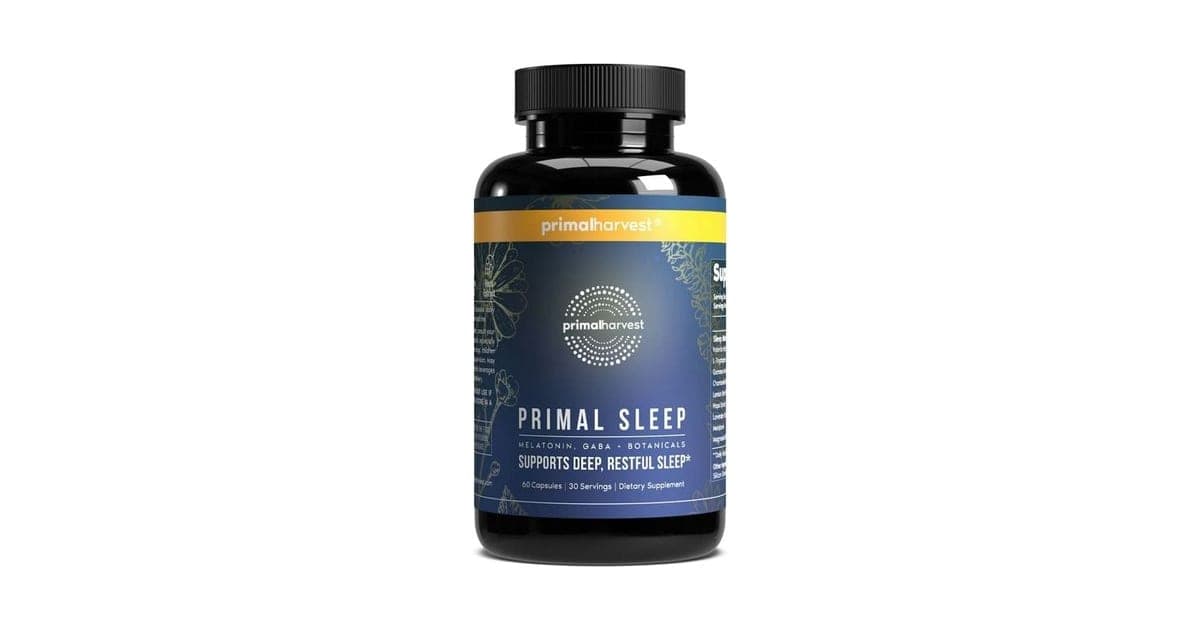
Supplements like melatonin, magnesium and herbal blends are widely used, with mixed evidence; our Primal Sleep review looks at one in detail. The Chill Pill avoids taking anything by mouth, which some people prefer.
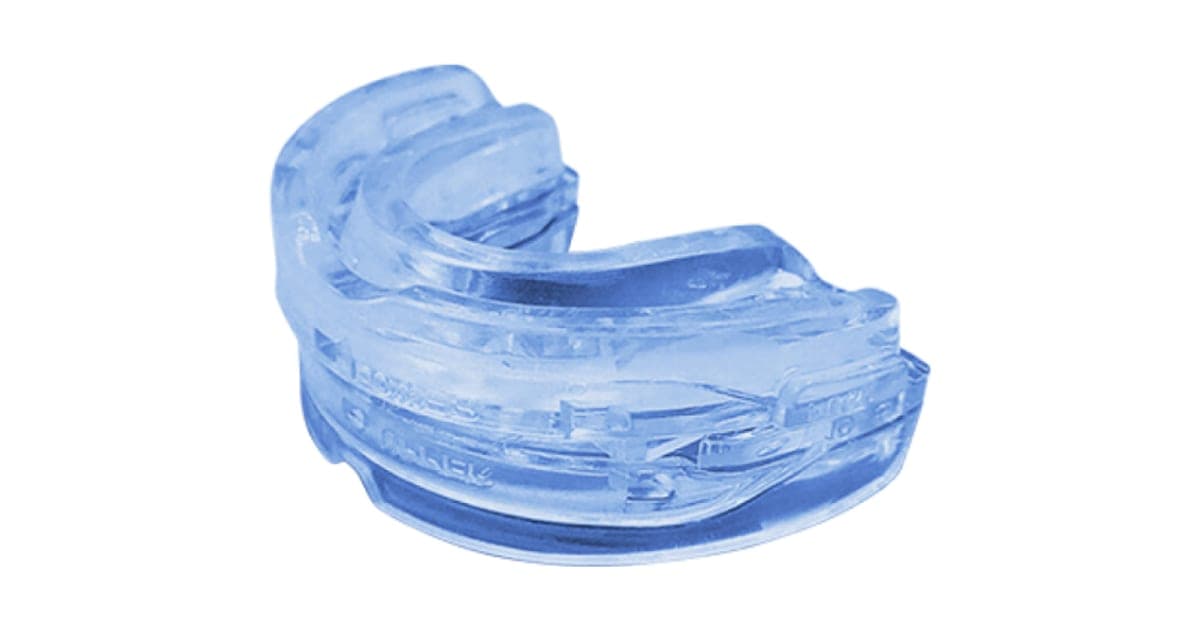
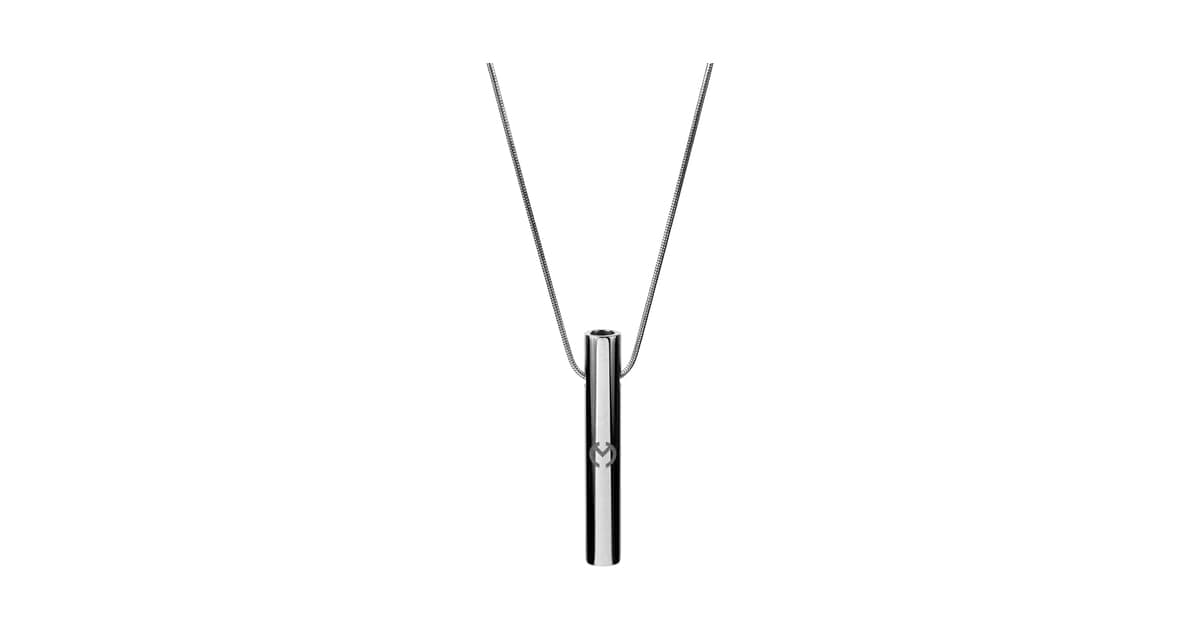
If you have decided a drug-free relaxation gadget is worth trying, the Chill Pill order page (opens Mend Your Mental in a new tab) lists the single and multi-pack offers. Our sleep section and health and wellness reviews cover more sleep aids, including the SleepZee mouthpiece and the Moksha Beam breathing necklace. If you are weighing gadgets for winding down, our Pulsetto vs Moonbird comparison compares a nerve stimulator with a breathing guide.
Chill Pill vs sleep apps
Free and paid sleep apps offer guided relaxation, sleep stories, breathing exercises and CBT-I programmes. They are cheaper and some have stronger evidence, but they require looking at a screen near bedtime, which some people find counterproductive. The Chill Pill works with your eyes closed.
The Chill PillScore 5.6/10
Why people buy it: Drug-free and non-habit-forming, with a gentle, adjustable tingling pulse
$49.50 at Mend Your Mental · Price checked October 3, 2026
Check price at Mend Your Mental (opens Mend Your Mental in a new tab)We may earn a commission if you buy through our links.
Is the Chill Pill safe, and what should you check before buying?
The Chill Pill is a low-level microcurrent device that is low risk for most healthy adults, but the brand's own FAQ says not to use it with a pacemaker, implanted defibrillator, shunt, nerve damage or a serious heart condition. Ask a doctor first if you are pregnant or have epilepsy. Do not stop prescribed medicine, and see a doctor if poor sleep lasts weeks or affects daily life.
Check the safety warnings
The brand's own FAQ, not the offer page, lists the people who should not use it.
What to do: do not use it if you have a pacemaker, implanted defibrillator, shunt, nerve damage or a serious heart condition. If you are pregnant, have epilepsy, any implanted electronic device or broken skin on your palm, ask a doctor first.
Insomnia that needs a doctor
Occasional poor sleep is normal. Some patterns need assessment.
What to do: see a doctor if poor sleep lasts more than three months, if you snore loudly or stop breathing at night, if you have restless legs, if you are very sleepy during the day, or if low mood or anxiety are part of the picture.
Mental health support
The page markets the device for mental health and panic. Gadgets can be a comfort; they are not care.
What to do: if anxiety, panic or low mood are affecting your life, speak to a doctor or mental health professional. If you ever feel unsafe, contact emergency services or a crisis line straight away.
Do not stop prescribed medicine
The page contrasts the Chill Pill with pills and their side effects.
What to do: keep taking any medication as prescribed, and talk to your doctor before changing it.
Children
The brand says it is safe for most children aged six and over.
What to do: for a child with sleep problems, talk to their doctor first; consistent routines and limiting screens at night usually matter most. Supervise use and keep the device and charger out of reach of younger children.
Returns and support
The offer page promises a 60-day money-back guarantee. The few Trustpilot reviews for the brand's store describe unanswered requests for refunds and orders that did not arrive.
What to do: keep your order confirmation and packaging, try it within the first few weeks, and request any refund well before day 60, in writing.
Electrical stimulation and skin
Skin under the contact can become irritated with long or repeated use, especially if broken or very dry.
What to do: avoid using it on cuts, rashes or broken skin, and stop if you notice redness or discomfort that does not settle.
Using it while drowsy
The device is designed for bedtime and switches off automatically.
What to do: do not use it while driving or operating machinery, and keep the strap loose enough not to restrict circulation if you fall asleep holding it.
How to buy the Chill Pill the smart way
- Check the safety warnings above; if any apply, ask your doctor first. Then open the Chill Pill offer page (opens Mend Your Mental in a new tab).
- Buy one device unless someone else in your home wants one too.
- Compare the offer page price ($49.50) with the brand's store ($55.99) and other retailers.
- Decline add-ons like the conductive liquid until you know whether you need them.
- Save your order confirmation; the 60-day guarantee starts from your order.
- Use it nightly for two to three weeks with a sleep diary, and decide well before day 60.
What do owners say, and how did we score the Chill Pill?
The Chill Pill scores 5.6 out of 10: claim accuracy 0.7, build durability 1.3, price competitiveness 1.2, usability 1.5 and owner satisfaction 0.9, each out of 2. The offer page shows five-star reviews, including a night-shift worker who falls asleep quickly. Independent feedback is tiny: three Trustpilot reviews, all one-star. Reviews of relaxation gadgets are especially shaped by expectation.
The testimonials on the page
The offer page shows several five-star reviews: a night-shift worker who falls asleep quickly, a user who relies on it every night and on stressful days, someone who used to take hours to fall asleep, and a user who says it stops them panicking at beauty appointments. The brand's store quotes similar comments, including "helps prevent full anxiety attacks".
Reading the reviews
Reviews of relaxation gadgets are especially subjective, because the outcome, feeling calmer or falling asleep sooner, is hard to measure and strongly influenced by expectation. Reviews that describe a specific change ("I used to lie awake for two hours; now it is twenty minutes") are more useful than general praise. Reviews that say they could not feel the pulse are worth noting, since that seems to be the most common practical problem.
What we would test with a device in hand
If we test the Chill Pill ourselves, we will compare two weeks with the device and two weeks without, using a sleep diary and a sleep tracker, check how strong the pulse feels at each setting, measure battery life and check the auto-off timer. We will update this review with the results.
Independent ratings
The Trustpilot profile for chillpillshop.com had only three reviews on 3 October 2026, all one-star, about unanswered refund requests and an order that never arrived. Three reviews is far too few to represent the product, but they are worth knowing if you need support. The device is also sold on Amazon, where third-party reviews summarised in search results describe a mixed picture: many find it relaxing, some cannot feel the pulse, and some had difficulty with refunds.
How we scored the Chill Pill
Every score on the site follows the five criteria on our how we test page.
| Criterion | Score | Why |
|---|---|---|
| Claim accuracy | 0.7 / 2 | Drug-free and portable as claimed; sleep and safety claims overstated; contraindications missing on offer page |
| Build durability | 1.3 / 2 | Simple rechargeable device with silicone shell; long battery life |
| Price competitiveness | 1.2 / 2 | Fair for a gadget; free alternatives have better evidence |
| Usability | 1.5 / 2 | Easy to use in bed; some cannot feel the pulse |
| Owner satisfaction | 0.9 / 2 | Positive testimonials; tiny, negative Trustpilot record; mixed retail reviews |
| Total | 5.6 / 10 |
The score would rise with a published trial and an offer page that shows the brand's own safety warnings.
What we did, and did not, do
Nobody on our team has used the Chill Pill, and this review does not claim otherwise. We read the offer page our link opens, the brand's own store and FAQ, search summaries of retail listings and third-party reviews, and the Trustpilot profile, all on 3 October 2026. We found no published clinical trial of the device. Nothing here is medical advice.
How to use the Chill Pill for the best results
Charge the Chill Pill fully, then loop the strap around your wrist and rest the metal contact on the centre of your palm. Choose the low-frequency mode for sleep and start at the lowest intensity, increasing slowly until you feel a gentle, comfortable tingle. Breathe slowly while you use it, and make it part of a consistent wind-down routine 30 to 60 minutes before bed.
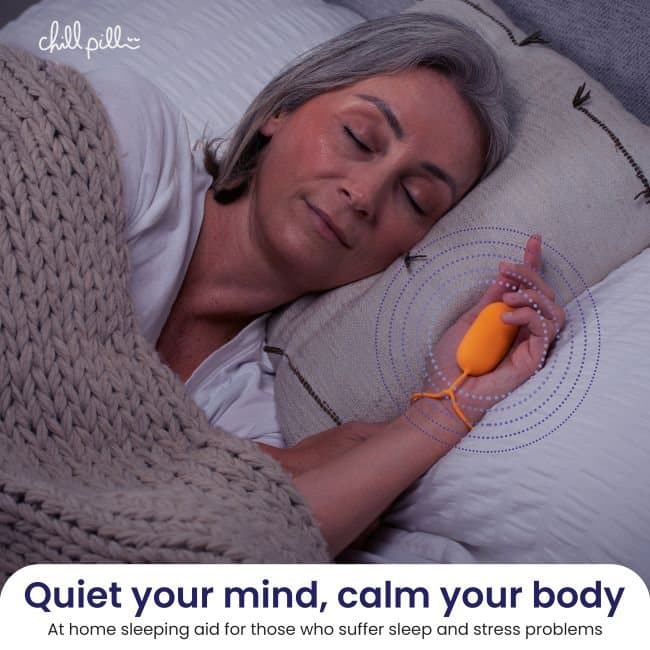
- Charge it fully before first use.
- Loop the strap around your wrist and rest the metal contact on the centre of your palm.
- Turn it on and choose the low-frequency mode for sleep.
- Start at the lowest intensity and increase slowly until you feel a gentle, comfortable tingle.
- Breathe slowly, in through your nose and out for longer, as you focus on the rhythm.
- Let the auto-off timer end the session; use it again if you wake in the night.
- Keep a sleep diary for two to three weeks to judge whether it helps.
Building a wind-down routine
Start the routine 30 to 60 minutes before bed: dim lights, put screens away, a warm shower, a few pages of a book, then the Chill Pill with slow breathing once you are in bed. The same steps every night teach your brain that sleep is coming.
Sleep habits that make any aid work better
- Get up at the same time every day, including weekends.
- Go to bed only when sleepy, and get up if you have been awake for a long time, returning when sleepy.
- Keep the bedroom dark, quiet and cool.
- Avoid caffeine after early afternoon and heavy meals or alcohol close to bedtime.
- Get daylight in the morning and some activity during the day.
- Keep phones and work out of bed.
These are the core of most insomnia programmes, and they make a relaxation aid like the Chill Pill more likely to help.
If you cannot feel the pulse
Make sure the contact is flat against the centre of your palm, moisten your palm slightly, and raise the intensity a step at a time. Some people with thicker skin on their palms feel it less.
Cold hands conduct less well, too, so warming your hands first can help in winter. If you still feel nothing at the highest setting, contact support; the device may be faulty, and that is a fair reason to use the guarantee.
Cleaning and care
Wipe the metal contact and silicone shell with a damp cloth. Remove the sleeve to clean it if needed. Keep it dry, especially the charging port.
Clean it weekly, since skin oils on the contact can reduce how well the pulse is felt.
Charging
Charge it every few days with normal use. Do not charge it in bed or under pillows; use a hard surface. A bedside charging habit keeps it ready every night.
When to replace it
Replace it if the pulse becomes weak or erratic at full charge, the battery stops lasting a night, or the shell or contact is damaged. The brand sells replacement sleeves if only the silicone cover wears out.
Using it with other sleep tools
It can be combined with white noise, an eye mask or a slow-breathing practice. Avoid using it alongside other electrical stimulation devices at the same time.
The Chill PillScore 5.6/10
Before you buy: Check the final price, shipping and return terms at checkout.
$49.50 at Mend Your Mental · Price checked October 3, 2026
Check price at Mend Your Mental (opens Mend Your Mental in a new tab)We may earn a commission if you buy through our links.
What else do people ask about sleep gadgets?
Most questions are about whether sleep gadgets work. Some do, for some people: tools that support good habits, like blackout masks, white noise and regular sleep times, can help, while gadgets claiming to change brain activity rarely have strong evidence. The PC8 point in the centre of the palm is linked with calm in traditional Chinese medicine, but scientific evidence for stimulating it is limited.
Do sleep gadgets actually work?
Some do, for some people. Tools that support good habits, like blackout masks, white noise and wearables that encourage regular sleep times, can help. Gadgets claiming to change brain activity rarely have strong evidence. The most reliable fixes for insomnia are behavioural.
What is the PC8 pressure point?
In traditional Chinese medicine, Pericardium 8, or Laogong, is a point in the centre of the palm associated with calming the mind. Scientific evidence for specific effects of stimulating it is limited.
Is electrical stimulation safe at night?
Low-level stimulation from consumer devices is low risk for most healthy adults. People with implanted electronic devices, heart conditions, epilepsy or nerve damage should avoid it unless a doctor says otherwise.
How long should it take to fall asleep?
Most adults fall asleep within about 10 to 20 minutes. Regularly taking more than 30 minutes, at least three nights a week for three months, is a common definition of insomnia worth discussing with a doctor.
What is CBT for insomnia?
A structured programme, usually over several weeks, that helps you change habits and thoughts that keep insomnia going: setting a consistent schedule, limiting time awake in bed, and tackling worry about sleep. It is available from therapists, through digital programmes and apps, and is the recommended first treatment for chronic insomnia.
Can anxiety cause insomnia?
Yes. A racing mind at bedtime is one of the most common causes of trouble falling asleep. Relaxation techniques help, and if anxiety is persistent, treating it often improves sleep.
Is it bad to use a sleep aid every night?
Drug-free aids like the Chill Pill are not habit-forming in the way some sleeping pills can be. The risk is relying on any single tool rather than addressing the causes of poor sleep. Use it as part of a routine, not as the whole plan.
Do I need to sleep holding it?
No. Most people use it while falling asleep and let the auto-off timer end the session. If you let go in your sleep, nothing happens; the strap keeps it close.
Should I see a sleep specialist?
Consider it if poor sleep persists despite good habits, if you snore heavily or stop breathing in your sleep, if you act out dreams, or if you are very sleepy during the day. Your doctor can refer you.
Frequently asked questions
Does the Chill Pill really work?
There is no published clinical trial of the Chill Pill. Research on acupressure and electrical stimulation of acupuncture points for insomnia has found some small benefits, mostly in low-quality studies. Many owners say it helps them relax and fall asleep, which may come partly from the calming ritual and expectation. It is reasonable to try with the 60-day guarantee, not to rely on.
How does the Chill Pill work?
You hold it with its metal contact on the centre of your palm, an acupressure point called PC8, and it sends low-level electrical pulses you feel as a light tingle. The brand calls this Pressure Point Pulse Technology and says it signals your nervous system to relax.
How much does the Chill Pill cost?
On 3 October 2026 the offer page showed $49.50 for one, $89.99 for two and $128.56 for three. The brand's own store listed the Chill Pill at $55.99, a Chill Pill Plus with heat at $80, and other bundles.
Is the Chill Pill safe?
For most adults, low-level electrical stimulation through the palm is low risk. The brand's own FAQ says it is not recommended for people with pacemakers, nerve damage, shunts or severe heart conditions, and says it is safe for most children aged 6 and over. If you are pregnant, have epilepsy or any implanted device, ask your doctor first.
Can I sleep holding the Chill Pill?
Yes. The brand says it is designed to rest in your palm and has a wrist strap and an automatic shut-off after a set time, given as 20 or 30 minutes in different listings. The strap keeps it in place if you drift off.
What does the Chill Pill feel like?
A gentle, rhythmic tingling in the centre of your palm, adjustable in strength. Some owners barely feel it; the brand sells a conductive gel product to improve contact. Start at the lowest intensity and increase slowly, and stop if it feels uncomfortable.
How long does the battery last?
The offer page says one charge lasts 20 hours and charges in about an hour; the brand's store says about 1.5 hours to charge for 20 or more hours of use. It charges by USB. Charge it during the day so it is ready at bedtime.
Can the Chill Pill help with panic attacks?
Some owners say it helps them stay calm, and the brand markets it for stress. It is not a treatment for panic disorder. If you have panic attacks, see a doctor; cognitive behavioural therapy and other treatments are effective.
We may earn a commission if you buy through our links.
This content is for informational purposes and is not medical advice. Talk to a qualified professional before using any product that affects your health.
Prices accurate as of October 3, 2026. Check the seller's checkout for current pricing, promotions and terms.
What we checked: No hands-on use. Claims, bundles, testimonials, the general-wellness disclaimer and the guarantee from the Chill Pill offer page our link opens (getchillpill.io) on 2026-10-03. Store prices, contraindications, the PC8 explanation, charging and auto-off details and product images from the brand's own store (chillpillshop.com) the same day. Search summaries of retail listings and third-party reviews, and the Trustpilot profile for chillpillshop.com, were read the same day. We found no published clinical trial of the device.

About the author
Daniel Brooks, Technology & Buying Guide Editor
Daniel Brooks edits the buying guides and comparisons at Top10Gadgets, and covers the sleep, supplement and travel categories where products are hardest to tell apart. Daniel approaches every purchase like a careful shop…
- Buying guides and product comparisons
- Budget and value-for-money products
- Sleep products
- Travel gear
- Subscriptions and return terms
Writing for Top10Gadgets since 2026Full profile