Sleep / Anti-snoring aids
SilentSnore Review: A $49 Silicone Nose Clip for Snoring, What It Might Do, and Cheaper Options to Try First
A reusable silicone clip that sits inside the nostrils to ease snoring. Nasal dilators help some nose snorers, but the page offers no evidence, and branded dilators sell for less than half the price.

By Daniel Brooks, Technology & Buying Guide Editor at Top10Gadgets
Updated 26 min readHow we test
Quick answer
No for most snorers, and maybe for one group. SilentSnore is a soft silicone clip that sits in the nostrils to hold them open, a type of nasal dilator that can help some people whose snoring starts in the nose.
Score 3.4/10$49.00 at G Com Pte Ltd
Check price at G Com Pte Ltd (opens G Com Pte Ltd in a new tab)We may earn a commission if you buy through our links.
- Best for
- People whose snoring seems to start in the nose
- Not for
- Anyone who stops breathing, gasps or chokes in their sleep, or feels very tired by day
$49.00 at G Com Pte Ltd
Check price at G Com Pte Ltd (opens G Com Pte Ltd in a new tab)We may earn a commission if you buy through our links.
On this page · 12 sections
- 01Our verdict
- 02The short version
- 03Pros & cons
- 04How it works
- 05Who it's for
- 06Does SilentSnore actually work for snoring?
- 07How much does SilentSnore cost, and what are the add-ons?
- 08Is SilentSnore better than Mute, nasal strips or a mouthpiece?
- 09Is SilentSnore legit, and what should you check before buying?
- 10How did we score SilentSnore?
- 11How to use SilentSnore for the best results
- 12Frequently asked questions
Our verdict
No for most snorers, and maybe for one group. SilentSnore is a soft silicone clip that sits in the nostrils to hold them open, a type of nasal dilator that can help some people whose snoring starts in the nose. It does nothing for snoring from the throat or mouth, and the page offers no evidence for this clip. At $49 for one, it costs more than twice a three-pack of Mute dilators, which come in three sizes. SilentSnore scores 3.4 out of 10, held back by missing evidence and price.
The short version
- What it is: a reusable silicone nose clip meant to reduce snoring by opening the nostrils.
- Price: $49 for one on 4 October 2026, with a five-pack for $135 preselected. Delivery was listed as free.
- Best trait: small, simple and easy to try, with no straps or mouthpiece.
- Biggest drawback: no evidence for this clip, one size only, and cheaper branded dilators exist.
- Our score: 3.4 out of 10.
Pros & cons
The pros come from what nasal dilators can do for nasal snoring. The cons are about evidence, fit, price and what a nose clip cannot fix.
What we like
- Small, quiet and reusable, with no batteries, straps or mouthpiece
- Made of silicone, according to the page, which is soft and easy to wash
- Nasal dilators can reduce snoring for some people whose snoring starts in the nose
- Easy to try, and easy to stop using if it does not help
- Free delivery, and the seller names a registered company with a Singapore address
What we don't
- No study, clinical data or regulatory clearance is offered for this clip
- One size is said to fit any shape of nostril, which is unlikely for a fixed clip
- Does nothing for snoring that starts in the throat or from mouth breathing
- Branded nasal dilators such as Mute have been listed at about $21 to $23 for three
- Snoring can be a sign of sleep apnea, which a nose clip will not treat
- Refunds need a returns number first, and you pay return postage to an overseas seller
Sold by G Com Pte Ltd
SilentSnore$49.00
How it works
Snoring is the sound of soft tissue vibrating as air passes through a narrowed airway during sleep. The narrowing can happen in the nose, at the soft palate, around the tongue or in the throat. A nose clip like SilentSnore only works on the first: it holds the nostrils slightly wider so air flows in more easily, which may reduce the vibration that starts there.
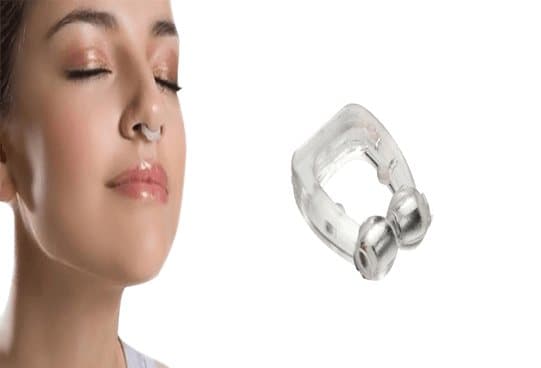
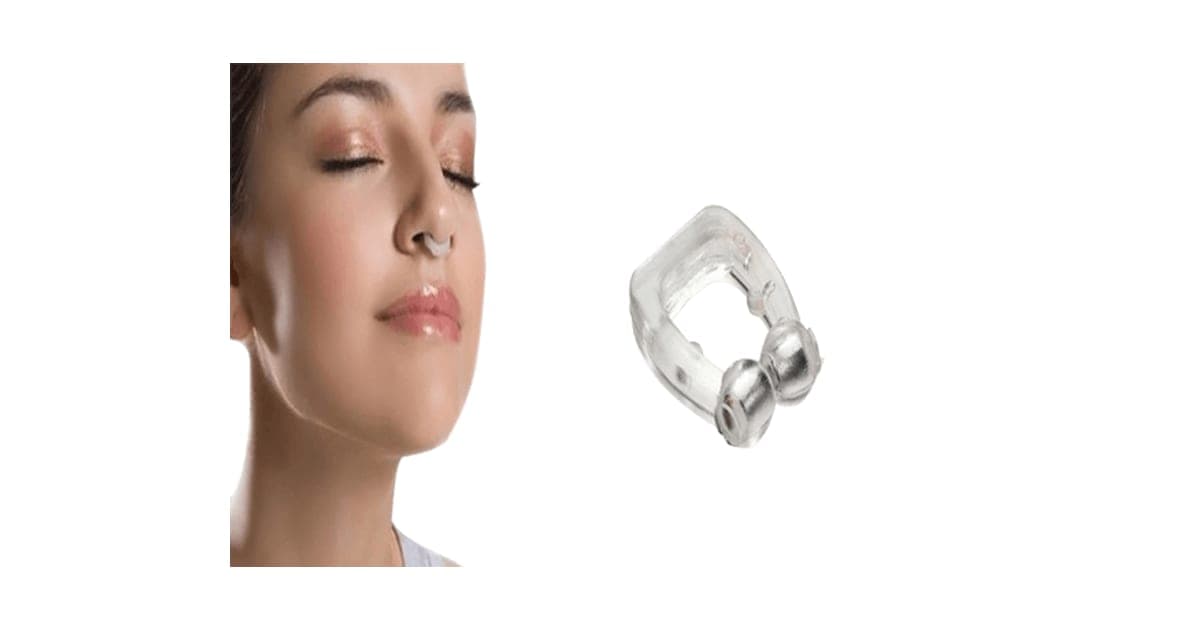
The product photo shows a small, clear silicone clip shaped like a horseshoe, with two round silver tips at the ends. In use, the tips sit just inside each nostril and the bridge rests under the tip of the nose. According to the page, the clip is made of "100% silicone gel" and "assists opening up the nose cavity".
Clip it into the nostrils
Step 1: Squeeze the soft silicone clip gently and place its two tips just inside your nostrils, with the bridge sitting under the tip of the nose.
Hold the airway open
Step 2: The tips press lightly outwards on the nostril walls, which is meant to stop them collapsing inwards as you breathe in during sleep.
Wash and store it
Step 3: In the morning, remove the clip, wash it in warm soapy water, let it dry and keep it in a clean case until bedtime.
Nasal dilators and nasal valve collapse
The narrowest part of the nose is just inside the nostrils, an area called the nasal valve. In some people, the soft walls there pull inwards when they breathe in hard, especially when lying down and relaxed. Internal dilators, which sit inside the nostrils, and external strips, which stick across the bridge of the nose, both aim to stop that. When nasal narrowing is the main cause of snoring, opening it can help.
Why it cannot help every snorer
Most snoring comes from further back, from the soft palate and the tissues of the throat. Mouth breathing makes it worse, because air bypasses the nose entirely. A clip in the nostrils cannot reach any of that. The NHS page on snoring lists several causes, including being overweight, drinking alcohol, smoking and sleeping on your back, alongside a blocked nose.
What the silver tips are
The silver balls at the tips look like the small magnets used on some "magnetic" anti-snore clips. The SilentSnore page does not mention magnets, so we cannot say whether they are. There is no good evidence that magnets help snoring or breathing. The NCCIH page on magnets for health says studies have not shown they help pain, and that magnets can interfere with pacemakers and other implanted devices.
Why snoring gets worse at night
When you fall asleep, the muscles that hold your airway open relax. Lying on your back lets the tongue and soft palate drop backwards, narrowing the throat. A blocked or narrow nose makes you pull air in harder, which can draw the soft tissues inwards and make them vibrate more. That is why snoring is often worst on the back, after alcohol and during a cold.
Internal and external dilators
Internal dilators, like SilentSnore and Mute, sit just inside the nostrils and push outwards. External dilators, like adhesive nasal strips, sit on the skin across the bridge of the nose and pull outwards as they try to straighten. Both aim to widen the same narrow area. Some people find internal devices more effective, while others cannot tolerate anything inside the nose and prefer strips.
Who it's for
SilentSnore suits someone whose snoring seems to start in the nose: people whose noses feel stuffy or narrow at night, who snore quietly with the mouth closed, or whose snoring eases when they hold their nostrils open with a finger. It does not suit mouth breathers, people with signs of sleep apnea or anyone with a nasal injury.
- People whose snoring seems to start in the nose
- Snorers whose noses feel blocked or narrow at night
- Partners looking for a low-risk first thing to try
Why SilentSnore appeals
Snoring strains relationships and spoils sleep for two people at once. A small, silent clip with no batteries, mouthpiece or strap feels like the least intrusive possible fix, and at $49 it costs less than most anti-snore devices sold online. It is also easy to try for a few nights and stop if it does not help, which makes it feel low risk.
The nostril test
A simple check helps decide whether a nasal dilator could help you. Lie on your back, close your mouth and breathe in through your nose. Then gently pull the skin of your cheeks outwards beside each nostril, or press one nostril at a time, and breathe again. If breathing is noticeably easier with the nostrils held open, a dilator may help. If it makes no difference, your snoring is probably coming from elsewhere.
People with stuffy noses at night
Colds, hay fever and dust allergies can block the nose at night and make snoring worse. A dilator can help a little, but treating the cause usually helps more. A pharmacist can advise on saline rinses or allergy treatment. Some people also find their nose blocks only when lying down, which a dilator may ease.
Partners of snorers
Partners often buy anti-snore gadgets for the snorer. If you do, check with the snorer that their snoring sounds nasal and that they do not stop breathing or gasp during sleep. If either applies, a doctor's visit should come before any gadget.
Travellers
A small clip in a case is easy to pack, which suits frequent travellers who share rooms. The $9 travel box add-on is a clear plastic case, though any small clean container does the same job.
People who cannot tolerate mouthpieces
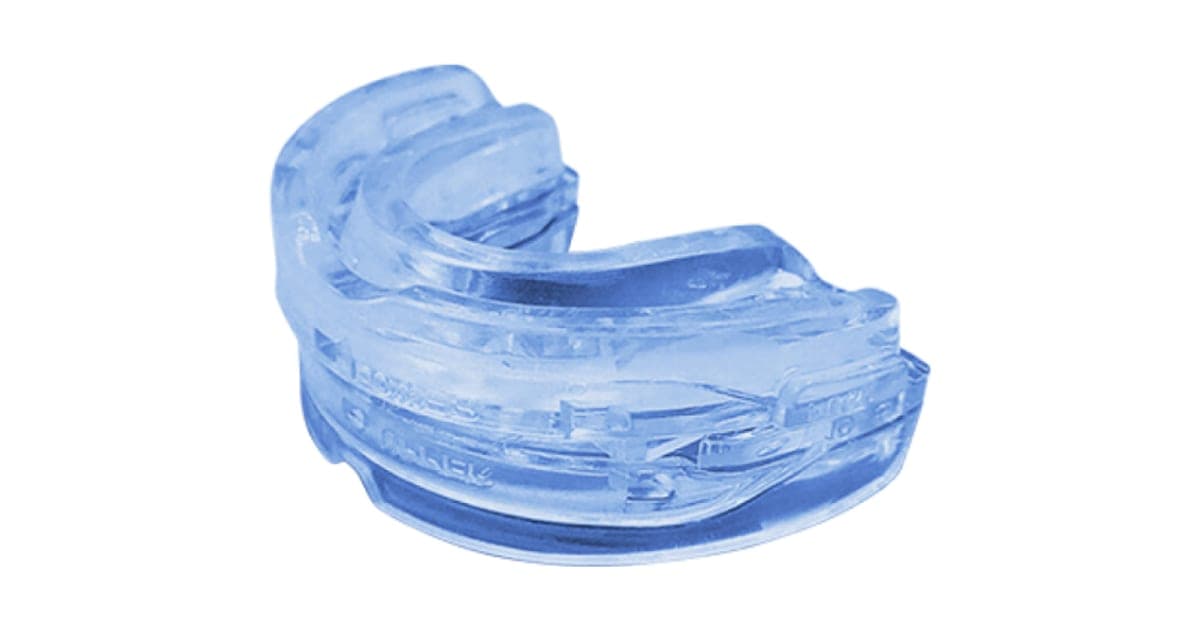
Mouthpieces that move the jaw forward help some snorers but cause jaw ache and drooling in others. A nose clip is much less intrusive. If you have tried a mouthpiece and given up, a nasal dilator is worth a try, as long as your snoring is partly nasal. Our SleepZee mouthpiece review covers one such mouth guard and what it can and cannot do.
Back sleepers
Snoring is usually worse on the back. A nose clip will not change that, but combining it with side sleeping may help more than either alone. Some people sew a tennis ball into the back of a pyjama top, or use a wedge pillow, to stop rolling onto their backs.
Pregnant people
Snoring often starts or worsens in pregnancy, partly because of nasal congestion. Nasal dilators are a drug-free option some midwives suggest, but talk to your midwife or doctor about snoring during pregnancy, since it can be linked to high blood pressure.
Older adults
Snoring becomes more common with age as throat muscles lose tone. Older adults are also more likely to have sleep apnea. If snoring is new or getting louder, a check-up is worthwhile before relying on a gadget.
Who should skip it
Skip SilentSnore if you or your partner notice pauses in breathing, gasping or choking at night, or if you feel very tired during the day: those are warning signs of sleep apnea, which needs a doctor. Skip it if you snore with your mouth open. Skip it after nose surgery or injury, or if you get frequent nosebleeds. And skip it if price matters, since branded dilators cost less.
- Anyone who stops breathing, gasps or chokes in their sleep, or feels very tired by day
- People who snore with their mouth open
- Anyone with a nasal injury, recent nose surgery or frequent nosebleeds
- Price-conscious buyers, since branded dilators cost less
Does SilentSnore actually work for snoring?
It might, for some people whose snoring starts in the nose, but the page offers no evidence for this clip. Nasal dilators as a type have mixed results in studies: some snorers improve, many do not. SilentSnore's claims that it "effectively helps resolve snoring problems" and fits "any shape of nostrils" are not backed by any data on the page, and a single-size clip is unlikely to suit every nose.
What studies say about nasal dilators
Research on nasal dilators and nasal strips has produced mixed results. Australian consumer group Choice, in its report on alternative anti-snoring aids, notes that evidence for many of these products is limited and that results differ between brands and people. The general pattern is that dilators help people whose snoring comes from the front of the nose and do little for others.
"Effectively Helps Resolve Snoring Problems"
No anti-snoring aid works for everyone, because snoring has several causes. A nose clip addresses one of them. The claim gives no figures, no study and no definition of "resolve". Read it as a hope, not a result.
"Applicable to Any Shape of Nostrils"
Noses vary a lot in nostril width, length and shape. Branded internal dilators such as Mute come in small, medium and large sizes, and many sell trial packs so people can find the right fit. A single clip with fixed tips will feel too tight for some noses and fall out of others. The page does not give the clip's measurements.
What this means for you: if the clip is uncomfortable or falls out, that may be a size issue rather than a sign that dilators cannot help you.
"Safe, Convenient & Reusable"
Soft silicone is widely used in medical and baby products, and a reusable clip creates less waste than single-use strips. But the page names no silicone grade, no testing and no regulatory clearance. Branded dilators sold in the US are typically registered with the FDA as medical devices. The SilentSnore page does not mention the FDA or any other regulator.
"Eco-Friendly 100% Silicone Gel"
Silicone lasts a long time and can be washed and reused, which is more sustainable than disposable strips. "Silicone gel" usually means soft, medical-style silicone. The silver tips in the photo, though, do not look like silicone, so "100%" seems unlikely if they are metal or magnets.
"Assists Opening up the Nose Cavity"
This is the claim that matches how nasal dilators work. The clip presses outwards on the nostrils and may widen the nasal valve. It cannot open the deeper nasal cavity or a blocked sinus.
"Prevent Snoring And Help Breathing"
The page's title promises to prevent snoring and help breathing. A nasal dilator may make breathing through the nose feel easier, and may reduce nasal snoring. It cannot prevent snoring from the throat, and it is not a breathing treatment.
What a good dilator study looks like
Useful studies of anti-snoring devices measure snoring objectively, with sound recordings or sleep studies, compare the device with a placebo or no device, and test enough people over enough nights. Many studies of nasal dilators are small and short, and some are funded by makers. The SilentSnore page cites none at all, so there is nothing to judge.
Why "helps breathing" matters
Claims that a product helps breathing during sleep move close to medical claims. In the US, devices sold to treat snoring are usually regulated by the FDA. A product that says it helps breathing without naming any clearance or study should be treated with caution, though a soft clip is unlikely to cause harm if used sensibly.
Snoring and sleep apnea
Obstructive sleep apnea is a condition in which the airway repeatedly closes during sleep, cutting breathing for seconds at a time. Loud snoring is common in people with it. Warning signs include pauses in breathing, gasping or choking, morning headaches and heavy daytime sleepiness. Untreated, sleep apnea is linked to high blood pressure and other health problems. A nose clip can quieten snoring without treating apnea, which could hide a problem that needs a doctor.
What to do: if any warning signs apply, see your doctor before buying an anti-snore gadget.
How much does SilentSnore cost, and what are the add-ons?
With the United States selected on 4 October 2026, one SilentSnore cost $49, two cost $69, three cost $98, four cost $123 and five cost $135, with the five-pack preselected. Delivery was listed as free. A 3-year warranty cost $9, a travel box $9, a SenseSleep pillow $39 and an "anti-allergy hypoallergenic treatment" $4. A three-pack of branded Mute dilators has been listed at about $21 to $23.
SilentSnore price and bundles
| Bundle | Price | Per clip |
|---|---|---|
| 1 clip | $49 | $49 |
| 2 clips | $69 | $34.50 |
| Buy 2, get 1 free (3) | $98 | About $32.67 |
| 4 clips | $123 | $30.75 |
| Buy 3, get 2 free (5) | $135 | $27 |
The crossed-out "regular" price is $98, twice the single price, and the $49 is called a 50% discount. We found no evidence of anyone paying $98.
The add-ons
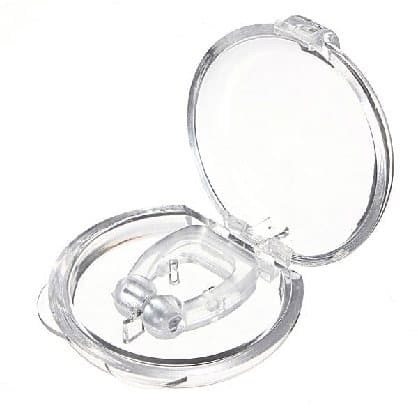
- Travel box, $9 (old price $19): a clear round plastic case for storing and carrying the clip.
- SenseSleep pillow, $39 (old price $99): the adjustable mesh pillow from the same seller.
- Anti-allergy hypoallergenic treatment, $4 (old price $9): described as a material treatment to combat dust mites and allergens.
The odd add-on
The anti-allergy treatment, with the same name, price and anti-dust-mite badge, is also sold with the SenseSleep pillow. Dust mite treatment makes some sense for a pillow. For a silicone clip that you wash every morning, it is hard to see what it would do. The page does not explain it. We would skip it.
The pillow offer
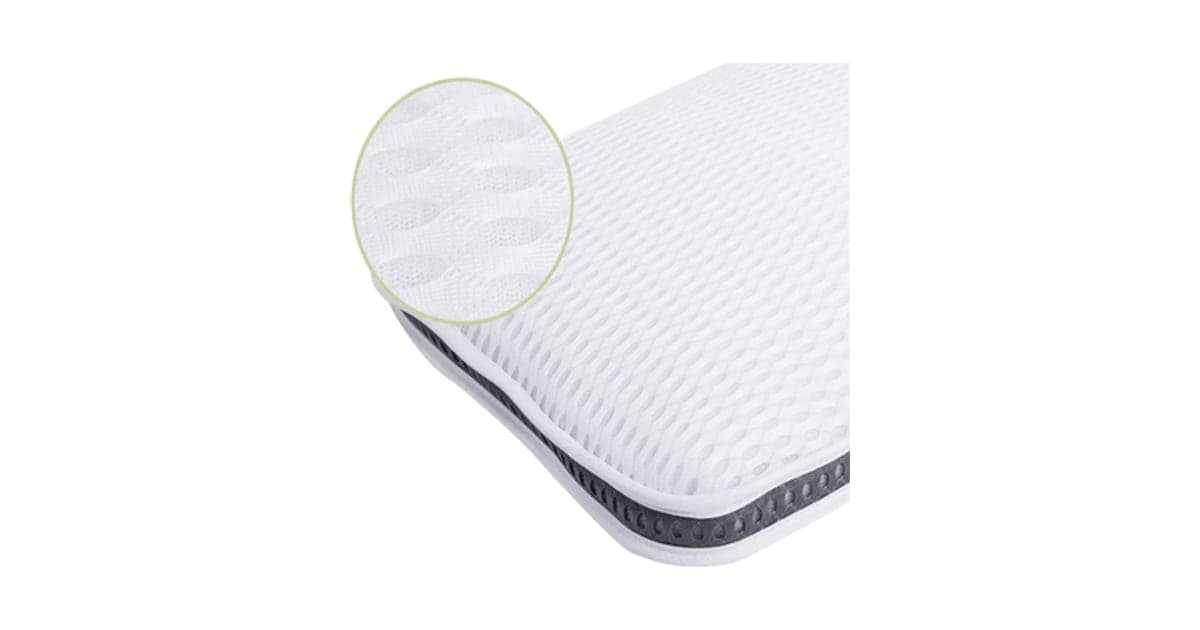
The SenseSleep pillow costs $69 on its own page, so $39 here is cheaper. Our SenseSleep review found a breathable mesh pillow with height layers and an anti-allergy treatment sold separately, and no materials list or certification. A pillow that raises your head slightly can help some back sleepers who snore, but any firmer pillow can do that.
Does the clip come with a case?
The page does not say whether a case is included. Small clips are easy to lose, and storing one loose in a bag is unhygienic. If you do not buy the travel box, use any small, clean, lidded container.
What a branded dilator costs
Mute, made by Rhinomed, is an internal nasal dilator sold in small, medium and large sizes and in a trial pack with all three. A three-pack has been listed at about $20.99 at Walmart and up to $22.99 elsewhere in the US. Each dilator is reusable for several nights, according to the maker. External nasal strips such as Breathe Right are sold in most US pharmacies in packs of 30 or more.
Cost per night
If one SilentSnore lasts three months of nightly use, it costs about 54 cents a night. A Mute three-pack lasting a month in total costs a little more per night, while nasal strips cost more again. Over a year, the costs are closer than the headline price suggests. The real difference is that Mute and strips come in sizes, so you are more likely to find one that fits.
Total cost
One SilentSnore with the travel box and warranty comes to $67. That is about three times a Mute three-pack, before considering that Mute offers sizes and SilentSnore does not.
Who sells it
The seller is G Com Pte Ltd, listed at 137 Market Street, #04-01 Grace Global Raffles, Singapore 048943, with a support email and phone number. The page footer reads "G Com Pte Ltd - Hong Kong". Your card statement will show "perfectchoicebase.com".

SilentSnoreScore 3.4/10
Best for: People whose snoring seems to start in the nose
$49.00 at G Com Pte Ltd · Price checked October 4, 2026
Check price at G Com Pte Ltd (opens G Com Pte Ltd in a new tab)We may earn a commission if you buy through our links.
Is SilentSnore better than Mute, nasal strips or a mouthpiece?
For most people, no. Mute dilators come in three sizes, are made by a named company and have been listed at about $21 to $23 for three in the US. External nasal strips are sold in pharmacies, cost little to try and do not go inside the nose. Mouthpieces target throat snoring, which a nose clip cannot reach. SilentSnore's only edge is that it is reusable and simple, which Mute shares.
| SilentSnore | Mute dilator | Nasal strips | Mouthpiece | |
|---|---|---|---|---|
| Price seen | $49 for one | About $21 to $23 for three | Varies; pharmacy packs | SleepZee $49.95 |
| Sizes | One | Small, medium, large | Usually two | Often mouldable |
| Works on | Nasal snoring | Nasal snoring | Nasal snoring | Throat and tongue snoring |
| Reusable | Yes | Several nights each | No | Yes |
| Named maker | No | Rhinomed | Several brands | Varies |
SilentSnore vs Mute
Both sit inside the nostrils and push them open. Mute has adjustable arms and three sizes, which helps it fit different noses. It also comes with clear cleaning and replacement guidance. For someone trying a nasal dilator for the first time, a Mute trial pack lets you find the right size for less than one SilentSnore.
SilentSnore vs nasal strips
External strips stick across the bridge of the nose and lift the nostrils open from outside. They are single use but widely available, and nothing goes inside the nose, which some people prefer. They can irritate sensitive skin and may come unstuck with oily skin. They are a cheap way to test whether opening your nose reduces your snoring before spending more.
SilentSnore vs a mouthpiece
Mandibular advancement devices hold the lower jaw slightly forward, which opens the throat and can reduce snoring from the back of the mouth. They help many throat snorers but can cause jaw pain. If your snoring is not nasal, a mouthpiece is more likely to help than a nose clip. Our SleepZee review covers one, and our SleepZee vs Sleep Connection vs Hale comparison weighs three anti-snore approaches on evidence and price.
SilentSnore vs a wristband
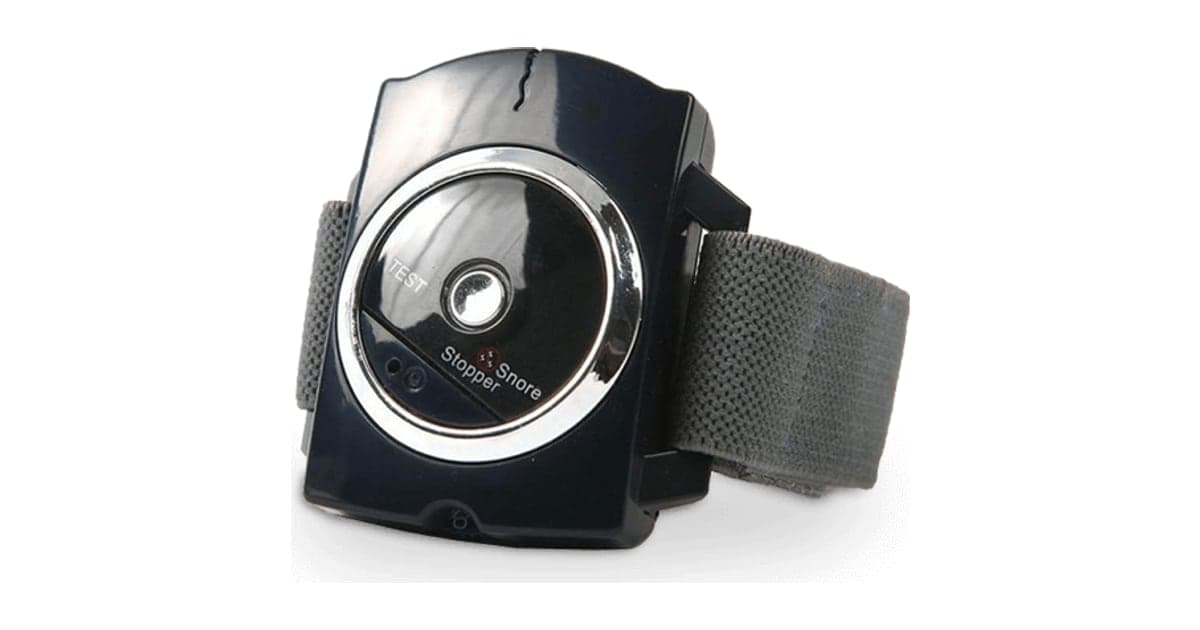
Some anti-snore wristbands claim to detect snoring and nudge you with a vibration. Our Sleep Connection wristband review looks at one of them and the limited evidence behind it.
SilentSnore vs a positional device
Positional therapy devices, from simple belts with foam blocks to small vibrating sensors, stop you sleeping on your back. For people who only snore on their backs, they can work well. They do nothing for nasal snoring, so they pair naturally with a dilator for people who have both.
SilentSnore vs nasal sprays
Saline sprays and rinses clear mucus, and steroid sprays reduce swelling from allergies. For snoring caused by a blocked nose, they can work better than a dilator, because they open the whole nasal passage rather than just the nostrils. Ask a pharmacist which suits you, especially if you plan to use one nightly.
SilentSnore vs changing your habits
Losing weight if you are overweight, cutting alcohol in the evening, stopping smoking and sleeping on your side all reduce snoring for many people, according to the NHS. These cost nothing and help with both nasal and throat snoring. Try them alongside, or before, any gadget.
SilentSnore vs seeing a doctor
For loud, persistent snoring, a GP can check for sleep apnea, nasal polyps, a deviated septum or allergies. Treatment for those can help far more than a clip. A doctor visit is the right first step for anyone with apnea warning signs.
When SilentSnore could make sense
If the nostril test shows your snoring is nasal, the clip fits you comfortably and you prefer one reusable clip to disposable strips, SilentSnore can work. It just costs more than branded alternatives that offer sizes. Our sleep hub and best sleep products guide cover the sleep aids we rate more highly.
SilentSnoreScore 3.4/10
Why people buy it: Small, quiet and reusable, with no batteries, straps or mouthpiece
$49.00 at G Com Pte Ltd · Price checked October 4, 2026
Check price at G Com Pte Ltd (opens G Com Pte Ltd in a new tab)We may earn a commission if you buy through our links.
Is SilentSnore legit, and what should you check before buying?
SilentSnore is a real product sold by G Com Pte Ltd, which lists a Singapore address and support contacts. The concerns are no evidence or regulatory clearance for the clip, a one-size claim that is unlikely to hold, a price above branded dilators, the preselected five-pack and refund terms that need a returns number and leave return postage to you. And because snoring can signal sleep apnea, the most important check is a medical one.
Check for sleep apnea warning signs
What to do: ask your partner whether you stop breathing, gasp or choke at night, and notice whether you feel very tired during the day. If so, see a doctor first.
Do the nostril test
What to do: try holding your nostrils gently open while breathing through your nose lying down. If it makes no difference, a nose clip is unlikely to help.
Try a cheaper option first
What to do: a pack of nasal strips from a pharmacy is a low-cost way to test whether opening your nose reduces your snoring before you pay $49.
Check the fit before committing
What to do: if possible, buy one clip first and try it for a few nights. If it feels uncomfortable or falls out, a sized dilator is more likely to suit you than more of the same clip.
Ask about regulatory status
What to do: ask support whether SilentSnore is registered with the FDA or carries a CE mark. Branded nasal dilators sold in the US and Europe usually do. A clear answer helps you judge how carefully the product was made.
Ask about magnets
If you have a pacemaker, implanted defibrillator or other implanted device, ask support whether the silver tips are magnets. Magnets can interfere with some implanted devices, according to the NCCIH.
Check the selected bundle
The five-pack for $135 is preselected. Change it to one clip, since you may not get on with it.
Hygiene and returns
The page code mentions a 30-day guarantee "less S&H". The terms cover defective or damaged items within two years, with a returns number needed first. Return postage is at your cost, and parcels with insufficient postage are refused. A clip that has been in your nose may not be accepted back for hygiene reasons, so check before trying it if you might want a refund.
Membership offers
The page code contains text for a "Gadget Discount Club", free for 30 days, after which "$9 may apply". We did not see it on the order page with the United States selected. Check your order email and card statement.
Timers, pop-ups and the spin wheel
The page shows a 30-minute countdown, "just bought" pop-ups and a discount spin wheel. They do not affect the product.
Ask about materials
What to do: ask support what grade of silicone the clip uses and what the silver tips are made of. People with metal allergies should know whether the tips contain nickel.
Keep expectations realistic
Even when a nasal dilator helps, it usually reduces snoring rather than ending it. Partners often describe the change as quieter rather than silent. If you expect complete silence, any device may disappoint.
How to buy SilentSnore the smart way
- Check for sleep apnea warning signs, and see a doctor if any apply.
- Open the SilentSnore order page (opens G Com Pte Ltd in a new tab) and select your country.
- Change the preselected five-pack to one clip.
- Skip the anti-allergy treatment; a small clean case is enough for storage.
- Note the card statement name, perfectchoicebase.com, and save your order email.
- Try it for a week, and ask your partner to note any change.
How did we score SilentSnore?
SilentSnore scores 3.4 out of 10: claim accuracy 0.4, build durability 1.0, price competitiveness 0.6, usability 1.0 and owner satisfaction 0.4, each out of 2. Nasal dilators can help a minority of snorers, but this clip offers no evidence, claims to fit every nose, costs more than twice a branded three-pack with sizes, and sells an anti-allergy treatment that makes little sense for silicone.
What owners say
We found no Trustpilot profile for the gadgetxaura.com store and no independent retailer ratings for SilentSnore. The pages that rank for it are mostly promotional. Owners of similar silicone nose clips often report that they fall out during the night, feel tight or ticklish at first, and help some people noticeably while doing nothing for others.
How the score breaks down
We use the five criteria on our how we test page, each out of 2.
| Criterion | Score | Why |
|---|---|---|
| Claim accuracy | 0.4 / 2 | "Effectively resolves snoring" and "any shape of nostril" are unsupported |
| Build durability | 1.0 / 2 | Silicone clips last, but grade and tips are not described |
| Price competitiveness | 0.6 / 2 | More than twice a branded three-pack with sizes |
| Usability | 1.0 / 2 | Simple to use, but fit may be a problem |
| Owner satisfaction | 0.4 / 2 | No independent ratings for this product |
| Total | 3.4 / 10 |
What we did, and did not, do
Nobody on our team has used SilentSnore. We read the offer page our link opens with the United States selected, its code and the seller's terms on 4 October 2026, along with the NHS snoring page, Choice's report on anti-snoring aids, the NCCIH page on magnets, US listings for Mute and the top-ranking SilentSnore pages.
How to use SilentSnore for the best results
Wash SilentSnore before first use, squeeze it gently and place the tips just inside your nostrils, with the bridge resting under the tip of your nose. It should feel snug but not painful. Wear it for a few nights to get used to it, sleep on your side if you can, and ask your partner whether your snoring changes. Wash it every morning and store it dry.
- Wash it first. Warm water and mild soap, then rinse and dry.
- Clear your nose. Blow your nose before bed.
- Insert gently. Place the tips just inside the nostrils, not deep inside.
- Check the fit. It should stay in when you move your face, without pinching.
- Try your side. Side sleeping reduces snoring for many people.
- Ask for feedback. A partner, or a snore-recording app, can tell you if it helps.
- Clean it daily. Wash, dry and store it in a clean case.
Choosing the right moment to start
Start on a night when you have nothing important the next day, since a new device can disturb sleep at first. Give it a full week before judging. Avoid starting during a heavy cold, when your nose may be too blocked for any dilator to help.
Sharing a bed
If your partner is the one losing sleep, agree how you will judge the clip: a recording app, notes on how often they were woken, or simply how rested you both feel. Having a shared way to measure it avoids arguments about whether it works.
Getting used to it
Most people notice a nasal dilator for the first few nights. Mild tickling or pressure usually fades. Pain, soreness or redness does not, and means the clip is too tight or not suited to you.
If it falls out
Clips can slip out when you move in your sleep. Try placing it slightly further in, or try it with a dry nose rather than after applying creams or sprays. If it still falls out, it may be too small for your nostrils, and a sized dilator may fit better.
If it feels too tight
A clip that pinches can cause soreness. Do not bend or stretch the clip to make it fit, since that can weaken it. A smaller sized dilator or an external nasal strip may suit you better.
Using it with a cold
A heavy cold may block the nose further back than the clip reaches. Saline rinses and a pharmacist's advice may help more. Stop using the clip if your nostrils are sore or cracked.
Using it every night
If the clip helps, it only helps while you wear it. Snoring returns as soon as you stop. Keep it by the bed with your case so it becomes part of your routine, like brushing your teeth.
Recording your snoring
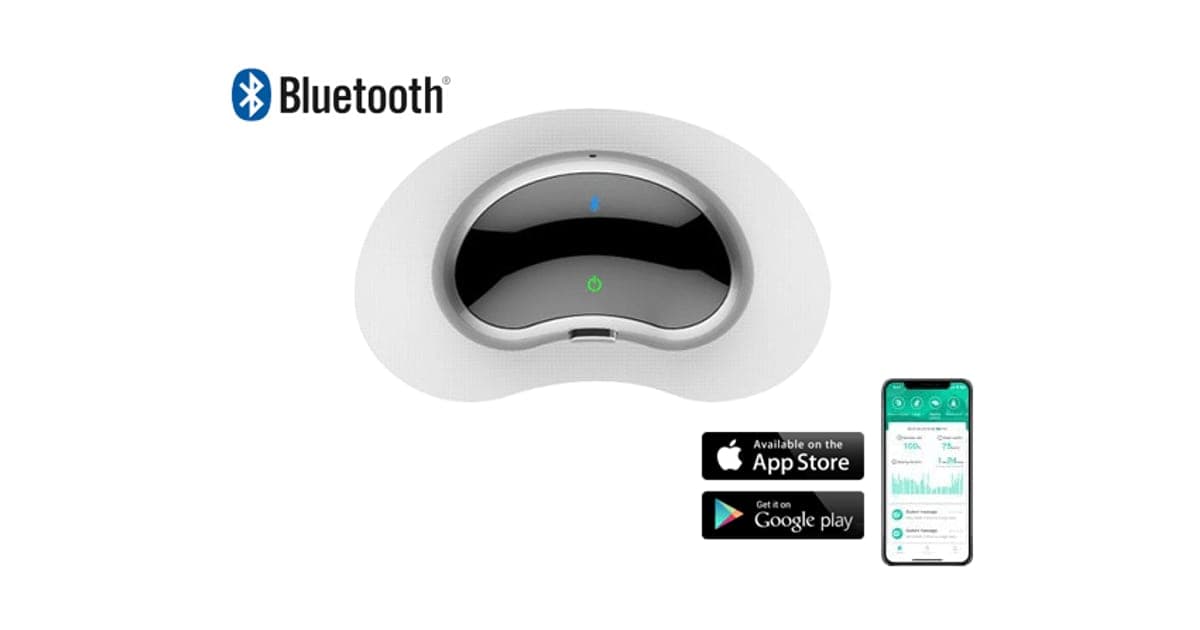
Snore-tracking phone apps record sound through the night and show how much and how loudly you snore. They are not medical tests, but they can show whether the clip makes a difference over a week or two compared with nights without it.
Cleaning and replacing
Wash the clip every morning, let it air dry and store it in a clean case. Replace it if the silicone tears, becomes sticky or discoloured, or no longer holds its shape.
Combining it with other changes
Nasal dilators work best as part of a wider plan: side sleeping, less alcohol in the evening, a regular bedtime and treating any allergies. Try one change at a time for a week so you can tell what helps.
Tracking results honestly
Snoring varies from night to night. Track at least a week with the clip and a week without, ideally with a partner's notes or a recording app, before deciding whether it helps. One quiet night proves little.
When to stop
Stop using the clip if it causes pain, nosebleeds, sores or difficulty breathing through the nose. See a doctor if snoring is getting louder, if you notice breathing pauses, or if daytime tiredness is affecting your work or driving.
Other questions about anti-snore nose clips
Do nose clips work for everyone? No. They only help snoring that starts in the nose, and not everyone with nasal snoring gets relief.
Are nose clips safe for children? Children who snore regularly should see a doctor, since snoring in children can have different causes. Do not give an adult clip to a child.
Can I use a nose clip with a CPAP mask? Ask your sleep clinic. A nasal device may affect how a nasal CPAP mask fits.
How long does a silicone nose clip last? With daily washing, several weeks to a few months, depending on the silicone and how it is handled.
SilentSnoreScore 3.4/10
Before you buy: Check the final price, shipping and return terms at checkout.
$49.00 at G Com Pte Ltd · Price checked October 4, 2026
Check price at G Com Pte Ltd (opens G Com Pte Ltd in a new tab)We may earn a commission if you buy through our links.
Frequently asked questions
Does SilentSnore work?
It may help some people whose snoring starts in the nose, because nasal dilators widen the nostrils. The page offers no study or data for SilentSnore itself, and it will not help snoring from the throat or mouth. Results vary widely from person to person.
Is SilentSnore magnetic?
The page does not say. The photos show two small silver tips, a design used on some magnetic anti-snore clips. There is no good evidence that magnets help snoring. Any benefit from a clip like this comes from gently widening the nostrils.
How much does SilentSnore cost?
With the United States selected on 4 October 2026, the offer page listed one SilentSnore for $49, two for $69, three for $98, four for $123 and five for $135. The five-pack was preselected. Delivery was listed as free and a 3-year warranty cost $9.
Is SilentSnore safe?
Soft silicone nose clips are generally low risk for healthy adults, but they can irritate the nostrils or fall out at night. Do not use one with a nasal injury or recent surgery. If you have a pacemaker and the clip turns out to be magnetic, ask your doctor.
Can SilentSnore cure sleep apnea?
No. Sleep apnea is a medical condition in which breathing repeatedly stops during sleep. If you snore loudly and also gasp, choke or feel very tired during the day, see a doctor. A nose clip is not a treatment for it.
Is SilentSnore better than Mute?
Mute is a branded nasal dilator that comes in three sizes and has been listed at about $21 to $23 for a three-pack in the US. SilentSnore costs $49 for one and comes in one size. For most people, Mute is the better first try.
Is SilentSnore legit?
It is a real product sold by G Com Pte Ltd, which lists a Singapore address, email and phone. The concerns are the lack of evidence, the one-size claim, the price, the preselected five-pack and refund terms that leave return postage to you.
We may earn a commission if you buy through our links.
This content is for informational purposes and is not medical advice. Talk to a qualified professional before using any product that affects your health.
Prices accurate as of October 4, 2026. Check the seller's checkout for current pricing, promotions and terms.
What we checked: No hands-on use. Features, photos, prices with the United States selected, the preselected bundle, add-ons and their images, warranty and card statement name from the SilentSnore offer page our link opens (gadgetxaura.com) on 2026-10-04, plus the bundle and add-on data in the page's own code. Refund terms from the same site's terms page. The NHS snoring page, Choice's report on alternative anti-snoring aids, the NCCIH page on magnets, US listings for the Mute nasal dilator and the top-ranking SilentSnore pages were read the same day.
See how SilentSnore compares in The Best Sleep Products of 2026

About the author
Daniel Brooks, Technology & Buying Guide Editor
Daniel Brooks edits the buying guides and comparisons at Top10Gadgets, and covers the sleep, supplement and travel categories where products are hardest to tell apart. Daniel approaches every purchase like a careful shop…
- Buying guides and product comparisons
- Budget and value-for-money products
- Sleep products
- Travel gear
- Subscriptions and return terms
Writing for Top10Gadgets since 2026Full profile