Sleep / Anti-snoring devices
SleepLab Review: Can a Chin Pulse Device Really Stop You Snoring?
A Bluetooth chin patch that listens for snoring and answers with a small electrical pulse. Easy to wear, but no published test of this kind of device, and the pictures carry another brand's name.

By Daniel Brooks, Technology & Buying Guide Editor at Top10Gadgets
Updated 25 min readHow we test
Quick answer
It depends on why you snore, and for most people there are better-proven options first. SleepLab is a small chin patch that listens for snoring and sends a mild electrical pulse to the muscles under your jaw.
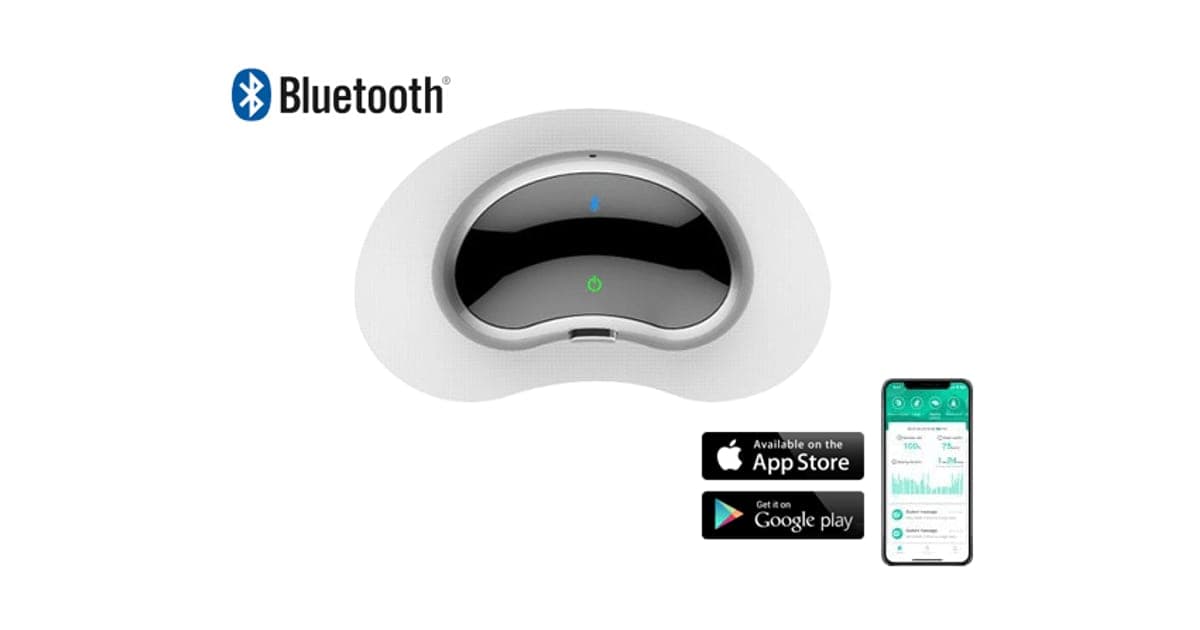
Score 3.6/10$149.00 at G Com Pte Ltd
Check price at G Com Pte Ltd (opens G Com Pte Ltd in a new tab)We may earn a commission if you buy through our links.
- Best for
- Simple snorers who cannot tolerate a mouthguard, chin strap or nasal device
- Not for
- Anyone with signs of sleep apnoea, such as gasping, pauses in breathing or heavy daytime sleepiness
$149.00 at G Com Pte Ltd
Check price at G Com Pte Ltd (opens G Com Pte Ltd in a new tab)We may earn a commission if you buy through our links.
On this page · 14 sections
- 01Our verdict
- 02The short version
- 03Pros & cons
- 04How it works
- 05Who it's for
- 06Does SleepLab actually work? What the evidence says
- 07Is SleepLab better than a mouthpiece or a wristband?
- 08Which kind of snorer could SleepLab help?
- 09How much does SleepLab cost to own?
- 10Is SleepLab safe, and what should you check before buying?
- 11How did we score SleepLab?
- 12How to use SleepLab for the best results
- 13What else do people ask about EMS snoring devices?
- 14Frequently asked questions
Our verdict
It depends on why you snore, and for most people there are better-proven options first. SleepLab is a small chin patch that listens for snoring and sends a mild electrical pulse to the muscles under your jaw. It is easy to wear and puts nothing in your mouth, which some snorers will value. But we found no published study of chin-worn stimulation devices for snoring, the add-on images carry another brand's name, and at $149 it costs more than an FDA-cleared mouthpiece with real evidence. SleepLab scores 3.6 out of 10, held back by the missing evidence and its price.
The short version
- What it is: a rechargeable Bluetooth unit that sticks under your chin and pulses the muscles there when it detects snoring.
- Price: $149 for one on 6 October 2026, with a five-pack for $449 flagged as the best seller.
- Best trait: nothing in your mouth or nose, and one button to start.
- Biggest drawback: no published evidence that chin EMS reduces snoring, and the dock image is branded Snore Circle.
- Our score: 3.6 out of 10.
Pros & cons
SleepLab's strengths are comfort and convenience compared with mouthguards and chin straps. Its weaknesses are evidence and value: the one stimulation device with regulatory backing for snoring works differently, and proven devices cost less.
What we like
- Nothing goes in your mouth or nose, which suits people who cannot tolerate mouthguards
- A single power button and a magnetic patch make it quick to put on
- A phone app for Android and iOS is advertised for settings and snoring records
- Rechargeable, with no ongoing cost beyond adhesive patches
- The seller names a registered company with an address, email and phone number
What we don't
- We found no published study of chin-worn EMS devices like this for snoring
- At $149 for one, it costs more than an FDA-cleared mouthpiece that has real evidence
- The add-on dock image shows the Snore Circle brand, so SleepLab appears to be a rebadged device
- Adhesive patches run out, and a pack of 10 costs $14 at checkout
- Snoring can be a sign of sleep apnoea, which a consumer gadget cannot rule out
- Refunds need a returns number, and return postage to an overseas seller is yours to pay
Sold by G Com Pte Ltd
SleepLab$149.00
How it works
SleepLab is an EMS device, short for electrical muscle stimulation. You clip the oval unit to a conductive gel patch and stick it to the soft area under your chin. According to the offer page, it detects when stimulation is needed, which sellers of this design describe as listening for snoring through a built-in microphone, and then sends a short, mild pulse. The pulse is meant to tighten the muscles around the airway or prompt you to shift position, without waking you.
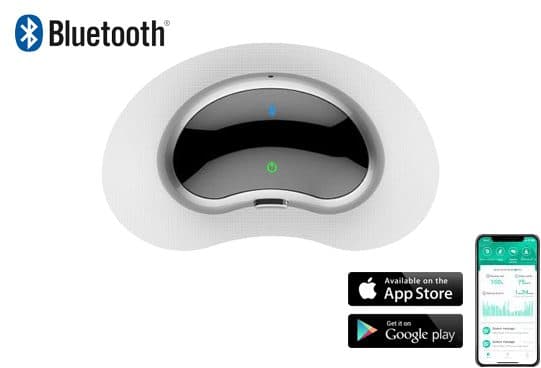
Stick the patch under your chin
Step 1: Clip the small oval unit onto a fresh conductive gel patch and press it to the soft area under your chin before you go to sleep.
It listens for snoring
Step 2: According to the maker, a built-in sensor detects when you snore and only then triggers stimulation, so it stays quiet when you are not snoring.
A mild pulse prompts your muscles
Step 3: The unit sends a small electrical pulse to the muscles under the chin. The idea is that this nudges you to change position or tighten the airway without fully waking you.
The page lists six features: smart detection, EMS stimulation, a magnetic attachment, one power button, a lightweight non-invasive design and an app for Android and iOS. It does not give the pulse strength, battery life, the number of intensity levels or any test result. Pages that rank for SleepLab mention dozens of sensitivity levels and up to 15 hours of battery, but those pages are promotional and name no source, so we have not relied on those figures.
Who it's for
SleepLab suits a person whose snoring has been checked by a doctor, who has tried the simple fixes, and who cannot get on with a mouthguard or nasal device. It also suits someone who wants an app to record snoring, as long as they treat the pulse feature as an experiment rather than a treatment.
- Simple snorers who cannot tolerate a mouthguard, chin strap or nasal device
- People who have already ruled out sleep apnoea with a doctor and want to try something new
- Gadget-minded sleepers who like tracking their snoring in an app
People who cannot tolerate a mouthguard
Mouthpieces that hold the jaw forward have the best evidence of any over-the-counter snoring device, but some people cannot use them: dentures, sensitive teeth, jaw pain or a strong gag reflex all get in the way. For them, a device that sits outside the mouth is appealing. SleepLab is one of the few that does.
Partners at the end of their tether
Many snoring gadgets are bought by the partner who is kept awake. If that is you, a device that only pulses when it hears snoring sounds ideal. The catch is that it relies on the snorer wearing it every night and on the pulse working, and neither is guaranteed. Earplugs for the listener, which the NHS also suggests, cost a few dollars and work on any night.
App and data fans
A phone app that logs when snoring happens and how often can be useful in its own right. It can show whether alcohol, a late meal or sleeping on your back makes a difference. You can get similar records from free snore-recording apps without buying any hardware, so try one of those first if the data is what interests you.
Travellers
The unit is small and rechargeable, so it packs easily. If you snore more in hotel beds or after long flights, you might take it along. A side-sleeping pillow or a rolled towel behind your back does a similar job for positional snoring and weighs nothing.
Light sleepers
If you wake easily, a device that fires a pulse every time you snore may wake you several times a night. That can leave you more tired than the snoring did. The settings in the app may help, but light sleepers should start at the lowest level and watch how they feel during the day.
Who should skip it
Skip SleepLab if you have any sign of sleep apnoea, an implanted electronic device, or skin that reacts to adhesive patches, or if you want the option with the strongest evidence for your money.
- Anyone with signs of sleep apnoea, such as gasping, pauses in breathing or heavy daytime sleepiness
- People with a pacemaker, implanted defibrillator or other implanted electronic device
- Buyers who want the option with the best evidence, which is a fitted or adjustable mouthpiece
- Anyone with sensitive skin under the chin or a beard that stops patches sticking
Does SleepLab actually work? What the evidence says
We found no published study showing that chin-worn EMS devices like SleepLab reduce snoring. The only muscle stimulation device with FDA authorisation for snoring, eXciteOSA, works differently: you wear a mouthpiece on your tongue for 20 minutes a day while awake, to train the muscles over six weeks. In its trial, snoring above 40 decibels fell by more than 20% in 87 of 115 people. SleepLab borrows the idea but not the method or the testing.
How eXciteOSA differs
According to the FDA authorisation announcement reported by BioSpace, eXciteOSA is a prescription device for adults with snoring or mild sleep apnoea. A mouthpiece with four electrodes sits around the tongue, and stimulation builds tongue muscle tone during the day. It is used daily for six weeks, then weekly. The FDA reviewed it through the De Novo pathway and set special controls for labelling and performance testing.
SleepLab differs on every point that matters: it is worn on the chin, it runs during sleep, it is not prescribed, and it has no published trial.
What a chin pulse can and cannot reach
Snoring comes from tissues vibrating in the throat, the soft palate, the tongue and the nose as you breathe. The muscles under the chin help position the tongue and jaw, so stimulating them is not absurd. But a surface pulse through the skin under the chin is a blunt tool compared with electrodes placed on the tongue, and it has no way to steady the soft palate or open a blocked nose.
Does the pulse just wake you up?
The likeliest effect of any pulse that arrives when you snore is a brief arousal: you stir, shift position or close your mouth, and the snoring stops for a while. That is the same principle behind snore wristbands and positional buzzers. It can quieten a night, but it works by disturbing sleep slightly, and some people get used to it and stop responding.
What owners of this design report
We found no independent reviews of SleepLab under that name. Pages that rank for it are sponsored articles, and several appear on a hijacked university faculty subdomain alongside headlines claiming a celebrity endorsement, which we found no evidence for. Owners of similar chin EMS units on large retail sites report mixed results: some say snoring eases on some nights, others feel nothing or wake from the pulse, and patches that lose stickiness after a few uses are a common complaint.
What the app can tell you
The app is advertised as a way to see your snoring records and change settings. Snore-logging apps use the phone or device microphone to count loud breathing sounds and plot them through the night. That data can be genuinely useful for spotting patterns, such as more snoring after a late drink or on your back. It cannot tell you whether you have sleep apnoea, because it does not measure your oxygen level or the pauses in your breathing.
The unknowns on the spec sheet
The offer page gives no pulse frequency, maximum current, battery life, charging time for the standard cable or water resistance. It also does not say whether the app needs an account, what data it collects or where that data is stored. For a device that records sound in your bedroom all night, the privacy question deserves an answer. What to do: read the app's privacy policy in the app store before you install it, and decline microphone access to anything you do not need.
Why the missing evidence matters
Snoring devices are easy to sell because snoring varies from night to night. A quiet night after you buy a gadget feels like proof, even when it is chance. A proper study compares the device with no device or a sham over many nights. Until a chin EMS device has been tested that way, any result you see is hard to separate from ordinary night-to-night change.
What this means for you: if you try SleepLab, record a week of snoring before you start and a week with the device, using the same app or a free recorder, so you can see whether anything really changed.
Is SleepLab better than a mouthpiece or a wristband?
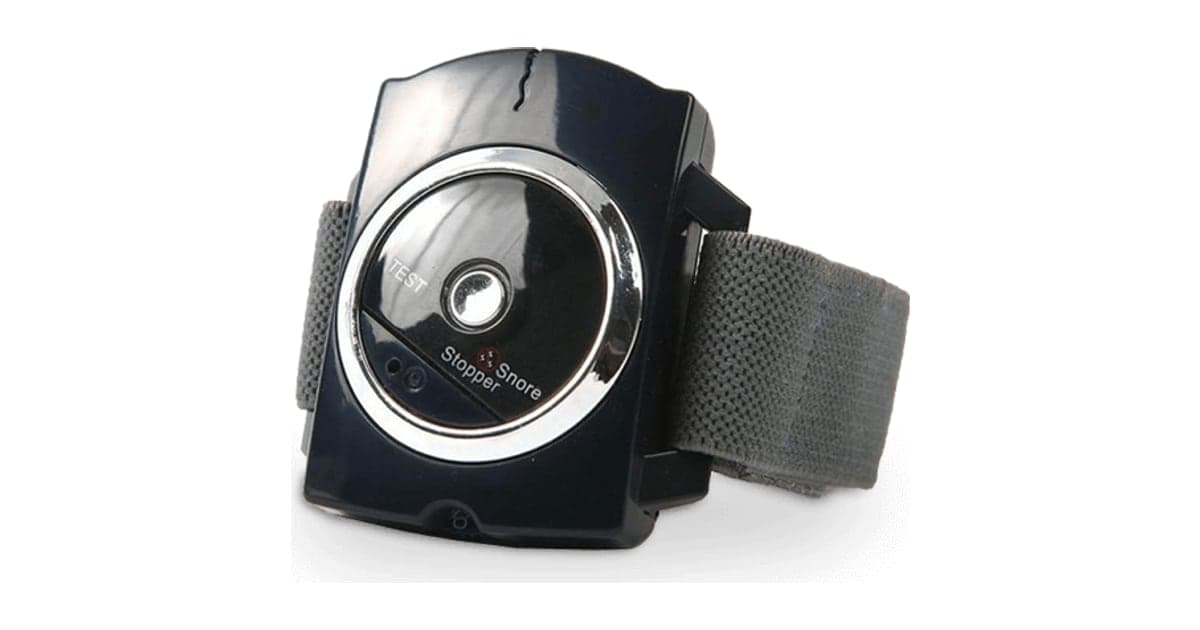
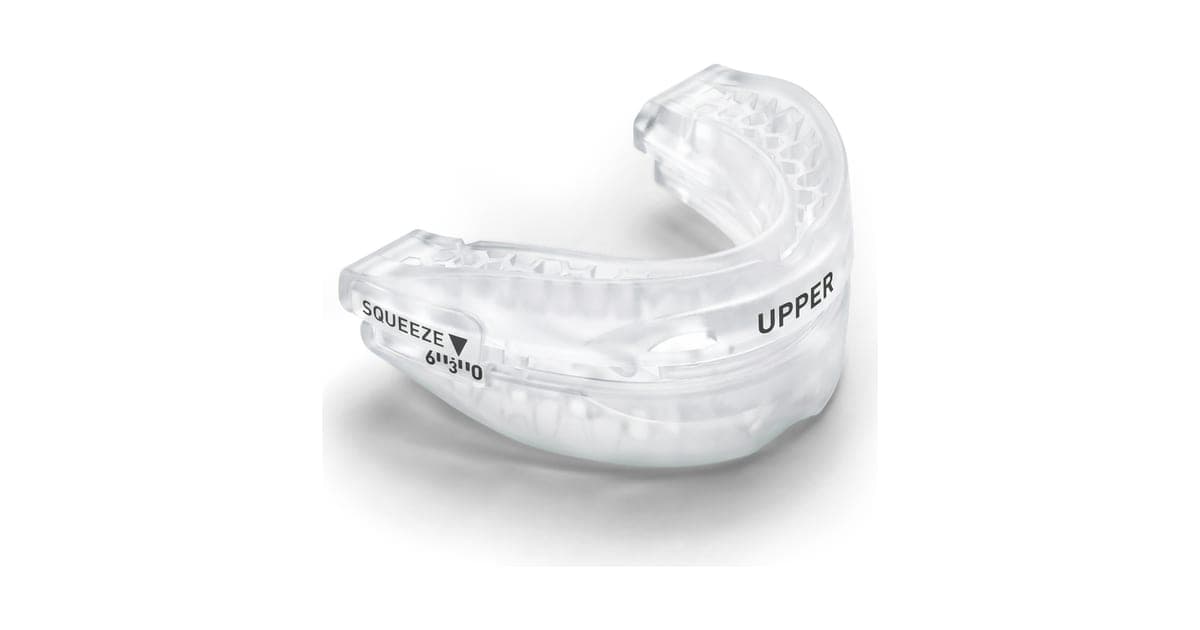
For evidence, a mandibular advancement mouthpiece beats SleepLab, and a snore wristband is its closest cousin. Mouthpieces that hold the lower jaw forward are recommended by sleep specialists and offered by the NHS, and FDA-cleared versions cost less than $149. Wristbands that buzz or pulse when you snore use the same "nudge" idea as SleepLab on the wrist instead of the chin, with the same lack of testing.
| Option | How it works | Evidence | Price |
|---|---|---|---|
| SleepLab | Chin EMS pulse when snoring is detected | No published study | $149 |
| SnoreRX | Adjustable mouthpiece holding the jaw forward | FDA-cleared; mouthpieces have good evidence | $59.99 |
| Sleep Connection wristband | Wrist pulse when snoring is detected | No published study | $64.99 |
| eXciteOSA | Daytime tongue stimulation, prescription | FDA De Novo authorisation, trial of 115 people | Prescription |
| Side-sleeping and lifestyle changes | Removes common causes | Recommended by the NHS | Free |
SleepLab vs SnoreRX
Our SnoreRX review covers an FDA-cleared boil-and-bite mouthpiece with a dial that sets how far your jaw moves forward. Devices like this hold the airway open all night instead of reacting after snoring starts. They can cause jaw ache and drooling at first, but they are the clearest case where a rival wins on evidence and price.
SleepLab vs the Sleep Connection wristband
The Sleep Connection wristband listens for snoring and pulses your wrist. SleepLab does the same at your chin. Both rely on a mild jolt to make you shift. Neither has a published trial. If you want this kind of nudge device, the wristband is cheaper and puts no adhesive on your skin. Our Sleepzee, Sleep Connection and Hale comparison weighs a wristband against a mouthpiece and a breathing trainer on evidence, comfort and cost.
SleepLab vs nasal devices and sprays
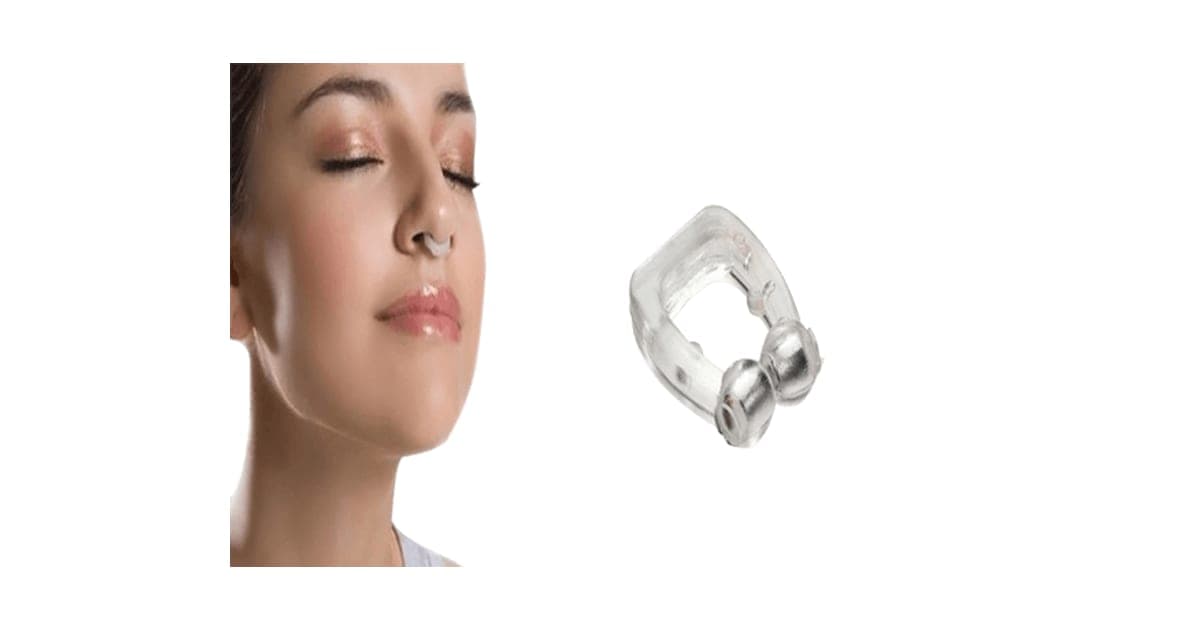
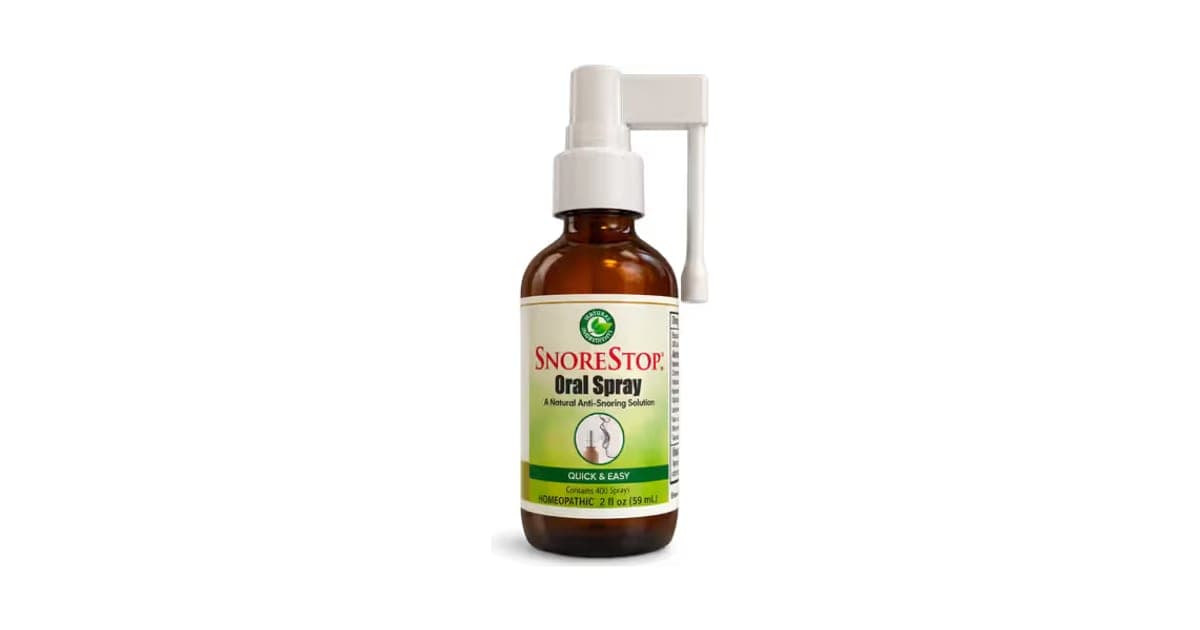
If your snoring starts in the nose, a nasal dilator or strip may help, while SleepLab cannot reach the nose at all. Our SilentSnore review covers a nasal clip, and our SnoreStop review an oral spray whose evidence is thin. For a blocked nose, a pharmacist can suggest a saline rinse or a short course of a decongestant.
SleepLab vs a chin strap
A chin strap keeps your mouth closed, which helps some mouth breathers. It costs a few dollars, has no electronics and needs no patches. It does nothing for snoring that comes from the throat with the mouth shut, and neither, as far as the evidence shows, does SleepLab.
If you still want to try a chin EMS device, check today's packages on the SleepLab offer page (opens G Com Pte Ltd in a new tab) and choose a single unit.

SleepLabScore 3.6/10
Best for: Simple snorers who cannot tolerate a mouthguard, chin strap or nasal device
$149.00 at G Com Pte Ltd · Price checked October 6, 2026
Check price at G Com Pte Ltd (opens G Com Pte Ltd in a new tab)We may earn a commission if you buy through our links.
Which kind of snorer could SleepLab help?
If SleepLab helps anyone, it is most likely a back sleeper whose snoring is mild and comes from the throat, and who stirs easily. A pulse that prompts a shift onto your side mimics positional therapy. It cannot help snoring caused by a blocked nose, and it should never be used to quieten snoring that comes with pauses in breathing, which points to sleep apnoea and needs a doctor.
Back sleepers
When you lie on your back, gravity pulls the tongue and soft palate towards the back of the throat, narrowing the airway. That is why the NHS suggests sleeping on your side, even sewing a tennis ball into the back of your nightwear. A device that pulses when you snore may make you roll over, which is the same goal reached by a different route. If that is your pattern, a side-sleeping pillow or a positional trainer is cheaper and does not depend on a patch staying stuck.
Mouth breathers
If you snore with your mouth open, the jaw drops and the tongue falls back. A pulse to the chin muscles might briefly close the mouth, but a chin strap does that all night for a few dollars. Mouth breathing is often a sign of a blocked nose, so treating the nose is the first step.
Nose snorers
A blocked or narrow nose makes you breathe harder, which pulls the soft tissues of the throat together and makes them vibrate. Colds, hay fever, a deviated septum and nasal polyps all cause it. SleepLab works under the chin and cannot open the nose. A saline rinse, a nasal strip or a pharmacist's advice will do more.
Snorers after alcohol
Alcohol relaxes the throat muscles, and many people only snore heavily after drinking. A device that pulses the muscles may not overcome that relaxation. Stopping alcohol for a few hours before bed is free and often makes a clear difference on its own.
Snorers with excess weight
Fat around the neck narrows the airway. The NHS lists losing weight as one of the first self-help steps. No gadget changes the shape of the airway the way weight loss can, and that is worth knowing before you spend $149.
People with sleep apnoea
Loud snoring with pauses, gasps and daytime exhaustion can be obstructive sleep apnoea, in which the airway closes repeatedly during the night. It is linked to high blood pressure and other health problems when left untreated. SleepLab makes no claim to treat it, and quietening the snoring could delay a diagnosis. A sleep study is the only way to know.
How much does SleepLab cost to own?
On 6 October 2026, one SleepLab cost $149, and the five-pack at $449 was flagged as the best seller. The checkout offered a charging dock for $19, ten spare patches for $14, a car power supply for $9 and a 3-year warranty for $24. Patches are the running cost: each one only stays sticky for a limited number of nights, so budget for refills if you use it every night.
SleepLab price and bundles
| Package | Total | Per unit |
|---|---|---|
| 1 SleepLab | $149 | $149.00 |
| 2 SleepLab | $249 | $124.50 |
| 3 (buy 2, get 1 free) | $329 | $109.67 |
| 4 SleepLab | $399 | $99.75 |
| 5 (buy 3, get 2 free), best seller | $449 | $89.80 |
Prices are in US dollars as listed on 6 October 2026. A snoring device is personal, so one unit is the sensible start. You can check today's packages on the SleepLab order page (opens G Com Pte Ltd in a new tab).
Patches
The $14 add-on is "10X Hypoallergenic Conductive Patches", described as magnetic and comfortable. Gel patches lose stickiness with skin oil, stubble and washing. If one patch lasts a few nights, ten last a few weeks, and the yearly cost can approach the price of the device. The page does not say how many patches come in the box or how long each lasts.
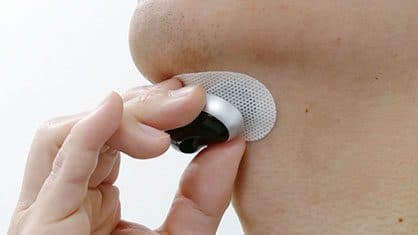
What to do: ask support how many patches are included and where to buy refills after the sale, before you order.
The charging dock and the Snore Circle name
The $19 "Fast-Charge Docking Station" promises a full charge in under 30 minutes. Its image shows the same oval unit, printed with the name Snore Circle, sitting in a round black dock. Snore Circle is a brand of chin EMS device sold through other retailers. SleepLab's page does not mention it, so SleepLab appears to be the same hardware under a new name.
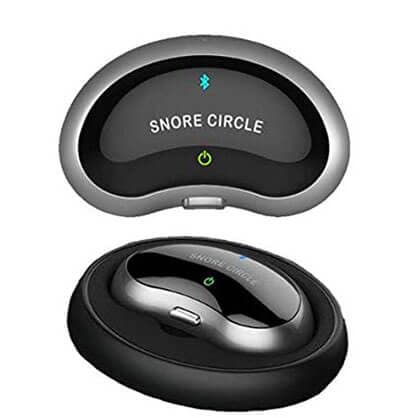
What the first year might cost
Here is a rough illustration rather than a quote, because the page does not state patch life. One unit at $149, plus a $14 pack of ten patches every month if each patch lasts about three nights, comes to $317 over a year. If patches last a week, the yearly total falls to around $205. Either way, the running cost is a large part of the bill, and you should ask the seller how long a patch lasts before you order.
Car power supply and warranty
The $9 car power supply is a USB car charger. Skip it if you already own one. The 3-year warranty costs $24. The seller's terms already cover defective goods for two years once you have a returns number, so the extra year is what you are paying for.
The "regular price"
The page shows add-ons with higher crossed-out prices and a countdown timer. We found no evidence that SleepLab sells for more anywhere else. Rebadged devices are often sold under several names at different prices, so the crossed-out figure tells you little about value.
Who sells it
The order page names G Com Pte Ltd at 137 Market Street in Singapore, with the email support@g63com.com and a phone number. The footer gives the country as Hong Kong. The page code says charges appear on your card statement as Matrixfze.
SleepLabScore 3.6/10
Why people buy it: Nothing goes in your mouth or nose, which suits people who cannot tolerate mouthguards
$149.00 at G Com Pte Ltd · Price checked October 6, 2026
Check price at G Com Pte Ltd (opens G Com Pte Ltd in a new tab)We may earn a commission if you buy through our links.
Is SleepLab safe, and what should you check before buying?
For a healthy adult, a low-level chin pulse is unlikely to cause harm, but there are real cautions. Electrical stimulation is not for people with pacemakers or other implanted electronics, patches can irritate skin, and the biggest risk is treating snoring caused by sleep apnoea with a gadget. Check the bundle, the patch supply, the card statement name and the refund terms before you pay.
Rule out sleep apnoea first
The NHS snoring page says to see a GP if you have daytime sleepiness, breathing that stops and starts, or gasping and choking in your sleep, because these can be signs of sleep apnoea, which can be serious if not treated. A gadget that makes snoring quieter can hide the main clue that something is wrong.
What to do: if a partner has noticed pauses or gasping, or you wake unrefreshed, see a doctor before buying any snoring device.
Implanted devices and other conditions
Electrical stimulation devices usually warn against use with a pacemaker, implanted defibrillator or other implanted electronics, and over broken or irritated skin. The SleepLab page lists no warnings at all. What to do: if you have any implant, a heart condition, epilepsy or are pregnant, ask your doctor before using it.
Skin and beards
Adhesive gel patches can redden skin, and stubble or a beard stops them sticking well. What to do: patch test on your forearm for a night, shave the area if you can, and stop if your skin becomes sore.
Check the selected bundle
The five-pack for $449 is flagged as the best seller in the page code. What to do: change the order to one unit before you enter your details.
Card statement name and memberships
Charges appear as Matrixfze. Pages on this checkout have also carried text for a "Gadget Discount Club" that is free for 30 days and then billed monthly. What to do: note the statement name, and read every checkbox and post-payment page.
Refunds and returns
The page code offers a 30-day guarantee for a full refund or replacement, less shipping and handling. The terms we recorded on 4 October 2026 focus on defective goods, which can be returned within two years once you have a returns number, with return postage at your cost. A device that works but does not stop your snoring may not count as defective. Used patches may also not be returnable.
What to do: try it for the first two weeks, keep the box and an unused patch, and contact support well inside 30 days if it does not help.
Delivery and support
The seller ships from overseas, and the page gives no delivery estimate for SleepLab. Support is by email at support@g63com.com or the Singapore phone number listed. What to do: keep your confirmation email and note the order date. If nothing arrives within three weeks, email support with your order number and ask for tracking.
If a refund goes wrong
Keep every email, the tracking number for anything you send back and photos of the item before you post it. If the seller does not respond within a reasonable time, your card issuer can explain how to dispute the charge. That paper trail is what they will ask for, so start it on the day you order.
How to buy SleepLab the smart way
- Open the SleepLab order page (opens G Com Pte Ltd in a new tab) and select your country.
- Change the five-pack to a single unit.
- Add the patch pack only once you know how many come in the box.
- Skip the car charger and dock unless you need them.
- Note the card statement name, Matrixfze, and save your order email.
- Record a week of snoring before the device arrives, so you have a baseline.
How did we score SleepLab?
SleepLab scores 3.6 out of 10: claim accuracy 0.5, build durability 1.0, price competitiveness 0.5, usability 1.1 and owner satisfaction 0.5, each out of 2. The device is simple to wear and the app is a plus, but there is no evidence that chin EMS stops snoring, the product appears to be a rebadged Snore Circle, it costs more than a proven mouthpiece and we found no independent owner ratings for the store.
How the score breaks down
We use the five criteria on our how we test page, each out of 2.
| Criterion | Score | Why |
|---|---|---|
| Claim accuracy | 0.5 / 2 | Sold as an anti-snoring device with no published evidence for chin EMS |
| Build durability | 1.0 / 2 | Sealed rechargeable unit; battery and patch life not stated |
| Price competitiveness | 0.5 / 2 | $149 plus patches, more than an FDA-cleared mouthpiece |
| Usability | 1.1 / 2 | One button and a magnetic patch; patches lose grip, beards get in the way |
| Owner satisfaction | 0.5 / 2 | No independent ratings; owners of similar units report mixed results |
| Total | 3.6 / 10 |
What owners say
We found no Trustpilot profile for the gadgetxaura.com store and no retailer reviews for SleepLab by that name. The ranking pages are promotional. Owners of similar chin EMS units elsewhere report that some nights seem quieter, that the pulse sometimes wakes them, and that patches stop sticking sooner than expected.
What we did, and did not, do
Nobody on our team has used SleepLab. We read the offer page our link opens and its page code on 6 October 2026, along with the NHS page on snoring, coverage of the FDA's authorisation of eXciteOSA and the pages that rank for SleepLab. The refund and returns terms are as we recorded them from the site's terms page on 4 October 2026.
How to use SleepLab for the best results
Start with the simple fixes, then wear SleepLab on clean, dry skin under the chin at a low setting, and judge it over two weeks against a recorded baseline. Change patches as soon as they lose grip, charge it daily, and keep a free snore recorder running so you can see whether it changes anything. If your partner still hears gasping or pauses, stop and see a doctor.
- Fix the basics first. Sleep on your side, avoid alcohol in the evening and treat a blocked nose. These help many snorers on their own.
- Record a baseline. Run a free snoring app for a week without the device.
- Prepare the skin. Wash and dry the area under your chin. Shave if stubble stops the patch sticking.
- Start low. Use the lowest setting the app allows and raise it only if you feel nothing.
- Place it centrally. Stick the patch on the soft area under the chin, not on the jawbone.
- Charge it every day. A flat unit does nothing, so make charging part of your routine.
- Judge it after two weeks. Compare the app's records with your baseline before deciding.
Positioning tips
The patch should sit flat, in the soft space behind the chin bone. If it lifts at the edges, it will not conduct well and may give a sharper pulse. Press it down for a few seconds after attaching the unit.
Caring for the patches
Peel patches off slowly, stick them back on their backing sheet and store them sealed, away from heat. Some gel patches can be refreshed with a drop of water on the gel side. Replace a patch when it no longer holds.
If the pulse wakes you
Lower the intensity or the sensitivity in the app. If any setting strong enough to feel also wakes you, the device is trading snoring for broken sleep, and a positional aid or mouthpiece may suit you better.
Combining it with side sleeping
If you mainly snore on your back, pair SleepLab with a side-sleeping aid such as a body pillow behind you. You will then learn whether the device adds anything. If the pillow alone fixes the snoring, you can return the device inside the window and keep the cheaper fix.
Cleaning and charging the unit
Wipe the unit's contacts with a dry cloth each morning so gel residue does not build up. Do not submerge it, because the page gives no water rating. Charge it during the day on the supplied cable, not overnight in the bed, and keep it away from heat sources.
If nothing changes
Two weeks is enough to tell. If your recordings look the same, contact support inside the 30-day window and ask for a returns number. Then consider a mouthpiece or a conversation with your doctor.
SleepLabScore 3.6/10
Before you buy: Check the final price, shipping and return terms at checkout.
$149.00 at G Com Pte Ltd · Price checked October 6, 2026
Check price at G Com Pte Ltd (opens G Com Pte Ltd in a new tab)We may earn a commission if you buy through our links.
What else do people ask about EMS snoring devices?
Most questions are about whether the pulse hurts, whether it suits sleep apnoea, and why snoring stops on some nights and not others. The pulse is usually described as a tingle, sleep apnoea needs a doctor, and snoring varies naturally with alcohol, tiredness, position and a blocked nose. That variation is why a baseline recording matters before you judge any device.
Does the pulse hurt?
EMS at the levels used in consumer devices usually feels like tingling or a twitch. Higher settings can be uncomfortable. If you feel stinging or burning, the patch is probably not making good contact or your skin is irritated, so stop and check.
Can I use it with a CPAP machine?
There is no reason to add it. If you use CPAP for sleep apnoea, your machine already keeps your airway open. Talk to your sleep clinic before adding any other device.
Why does my snoring change night to night?
Alcohol, sleeping pills, a cold, hay fever, tiredness and sleeping on your back all make snoring worse. A good night after a new gadget may just be a night without those triggers. That is why the NHS lists lifestyle changes first and why a recorded baseline helps. Our sleep product reviews and our guide to the best sleep products cover other options with better evidence.
Can two people share one SleepLab?
You could, but patches should not be shared for hygiene reasons, and each person would need their own sensitivity settings. If both partners snore, the honest answer is that both should start with the free steps, and anyone with signs of sleep apnoea should see a doctor rather than share a gadget.
Is SleepLab suitable for children?
No. Snoring in children has different causes, most often large tonsils or adenoids, and should be checked by a doctor. The page gives no age guidance, and electrical stimulation devices are not designed for children.
How long before I know if it works?
Give it two weeks of nightly use at a comfortable setting, with a snore recorder running. Snoring varies enough from night to night that a few quiet nights prove little. Two weeks also leaves time to send it back inside the 30-day guarantee if it does nothing for you.
Will it help if I grind my teeth?
SleepLab is not sold for teeth grinding, and a pulse to the jaw muscles is not a treatment for it. A dentist can fit a night guard if grinding is a problem. Some people who grind also snore, and a dentist can advise whether a mouthpiece could help with both.
Is this a medical device?
The offer page makes no claim of FDA clearance or CE medical marking for SleepLab, and we found none. Treat it as a consumer gadget.
Frequently asked questions
Does SleepLab really stop snoring?
There is no published evidence that it does. SleepLab pulses the muscles under your chin when it detects snoring, but we found no study of chin-worn EMS devices for snoring. The only stimulation device with FDA authorisation for snoring, eXciteOSA, works on the tongue while you are awake and is used daily for weeks.
How much does SleepLab cost?
On 6 October 2026, the offer page listed one SleepLab for $149, two for $249, three (two plus one free) for $329, four for $399 and five (three plus two free) for $449, with the five-pack flagged as the best seller. Ten spare patches cost $14, a dock $19 and a 3-year warranty $24.
Is SleepLab the same as Snore Circle?
It appears to be the same device or a close copy. The image for SleepLab's charging dock add-on shows an identical oval unit printed with the Snore Circle name. The offer page does not mention Snore Circle or say who makes SleepLab, so we cannot confirm the relationship.
Is SleepLab safe?
Low-level muscle stimulation is generally low risk for healthy adults, but electrical stimulation devices are not suitable for people with pacemakers or other implanted electronics, and patches can irritate skin. The bigger risk is using it to mask snoring caused by sleep apnoea, which needs a medical assessment.
Can SleepLab treat sleep apnoea?
No. SleepLab makes no clearance claim for sleep apnoea, and snoring with gasping, pauses in breathing or heavy daytime tiredness should be checked by a doctor. Sleep apnoea is diagnosed with a sleep study and treated with options such as CPAP or a fitted mouthpiece.
What works better than SleepLab for snoring?
For simple snoring, the NHS suggests losing excess weight, sleeping on your side, cutting alcohol and stopping smoking. A mandibular advancement mouthpiece has the strongest evidence of the devices sold to the public, and FDA-cleared versions cost less than one SleepLab.
Is SleepLab legit?
It is a real product sold by G Com Pte Ltd, which lists a Singapore address, email and phone number. The concerns are the lack of evidence, the apparent rebadging of another brand's device, the multi-pack flagged as best seller and refund terms that leave return postage to you.
We may earn a commission if you buy through our links.
This content is for informational purposes and is not medical advice. Talk to a qualified professional before using any product that affects your health.
Prices accurate as of October 6, 2026. Check the seller's checkout for current pricing, promotions and terms.
What we checked: No hands-on use. Claims, feature bullets, photos, US dollar prices, bundles, add-ons and their images, warranty price, seller details and card statement name from the SleepLab offer page our link opens (gadgetxaura.com) and the data in the page's own code on 2026-10-06. The 30-day guarantee text was read in the same page code that day; the fuller refund and returns terms are as recorded from the site's terms page on 2026-10-04. The NHS snoring page, coverage of the FDA's De Novo authorisation of eXciteOSA and the top-ranking SleepLab pages were read on 2026-10-06.
See how SleepLab compares in The Best Sleep Products of 2026

About the author
Daniel Brooks, Technology & Buying Guide Editor
Daniel Brooks edits the buying guides and comparisons at Top10Gadgets, and covers the sleep, supplement and travel categories where products are hardest to tell apart. Daniel approaches every purchase like a careful shop…
- Buying guides and product comparisons
- Budget and value-for-money products
- Sleep products
- Travel gear
- Subscriptions and return terms
Writing for Top10Gadgets since 2026Full profile