Health Gadgets / Headache relief
TheraICE Headache Relief Hat Review: The Hot and Cold Gel Cap for Headaches and Migraines, What the Research Supports and Who It Suits
A gel-filled cap you chill or warm, then pull over your head and eyes. Cold has some evidence for short-term migraine relief and used returns are accepted, but 'works for everyone' overreaches.

By James Wilson, Consumer Tech Writer at Top10Gadgets
Updated 27 min readHow we test
Quick answer
Yes, if cold or warmth already helps your headaches and you want an easier way to apply it. The TheraICE cap is a gel-filled stretch hat you freeze or microwave, then pull over your head and eyes.
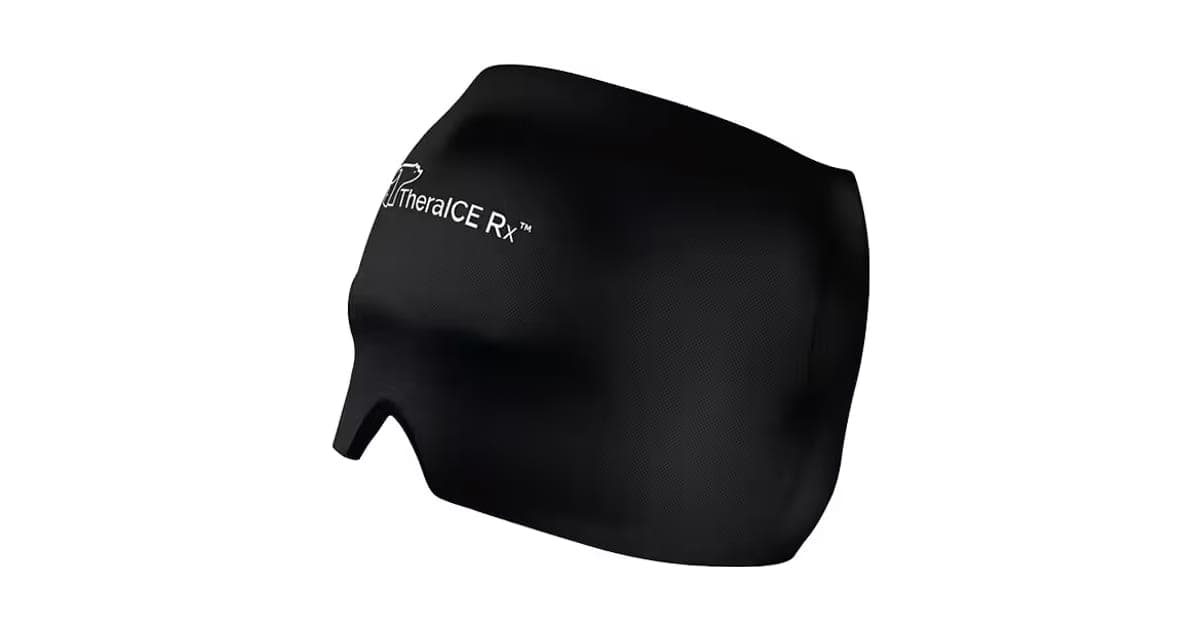
Score 5.4/10$39.99 at TheraICE
Check price at TheraICE (opens TheraICE in a new tab)We may earn a commission if you buy through our links.
- Best for
- People with migraines who find cold helps and want something easier than ice packs
- Not for
- Anyone with a sudden, severe or unusual headache, which needs medical help
$39.99 at TheraICE
Check price at TheraICE (opens TheraICE in a new tab)We may earn a commission if you buy through our links.
On this page · 13 sections
- 01Our verdict
- 02The short version
- 03Pros & cons
- 04How it works
- 05Who it's for
- 06Does cold therapy work for headaches? What the research says
- 07Are TheraICE's claims accurate?
- 08How much does TheraICE cost, and what are the return terms?
- 09Is TheraICE better than CoolCura, an ice pack or a TENS device?
- 10Is TheraICE legit, and what should you check before buying?
- 11How did we score the TheraICE Headache Relief Hat?
- 12How to use the TheraICE cap for the best results
- 13Frequently asked questions
Our verdict
Yes, if cold or warmth already helps your headaches and you want an easier way to apply it. The TheraICE cap is a gel-filled stretch hat you freeze or microwave, then pull over your head and eyes. Research supports cold for short-term migraine relief, and returns are accepted used or unused within 30 days, which makes it low risk to try. It will not prevent headaches, and claims that it works for everyone go too far. The TheraICE Headache Relief Hat scores 5.4 out of 10, held back by overstated marketing and no independent ratings.
The short version
- What it is: a stretchy gel cap for cold or warm therapy that also covers your eyes.
- Price: $39.99 for one, $74.99 for two and $99.98 for three on 4 October 2026.
- Best trait: easy, all-round cold or warmth, plus darkness, in one hat.
- Biggest drawback: relief is temporary and the marketing promises more than research shows.
- Our score: 5.4 out of 10.
Pros & cons
The pros come from a simple design that matches what research supports. The cons are about the size of the promises, one-size fit and the lack of independent owner ratings.
What we like
- Cold therapy has research support for short-term migraine pain relief
- Covers the forehead, temples, back of the head and eyes at once, and blocks light
- Works cold from the freezer or warm from the microwave
- Drug-free and reusable
- 30-day returns accepted used or unused, for any reason
What we don't
- Cold eases pain for a while; research does not show lasting or preventive effects
- 'Works for everyone' and 'doctor recommended' are not backed by named evidence
- No size options, so fit may be tight or loose on some heads
- Gel caps like this are widely sold under other brands
Sold by TheraICE
TheraICE Headache Relief Cap$39.99
How it works
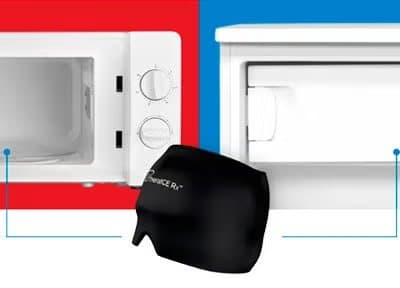
The TheraICE cap is a stretchy fabric hat with gel inserts sewn in around the head, plus a section that pulls down over the eyes. You chill it in the freezer or warm it briefly in the microwave, then put it on. The gel holds the temperature against your forehead, temples and the back of your head, while the stretch fabric adds gentle pressure.
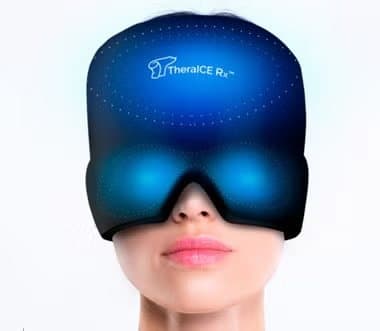
According to the page, cold narrows blood vessels and reduces inflammation, while warmth relaxes muscles. The eye section blocks light, which many people with migraines find helps. Cold on the neck works on a similar idea, which our CoolCura review covers for a neckband.
Chill or warm it
Step 1: Put the cap in the freezer for cold therapy, or warm it briefly in the microwave for heat, following the instructions with it.
Pull it over your head
Step 2: Stretch the cap over your head so the gel sits around your forehead, temples and the back of your head. Pull it down over your eyes to block light, or roll it up.
Rest and relax
Step 3: Lie back or sit quietly while the cold or warmth and gentle compression ease the pain. Take it off when it loses its temperature or you feel better.
The design
The photos show a black, pull-on cap in a soft, stretchy fabric printed with the TheraICE Rx logo. It covers the head from the forehead to the nape of the neck, with a deeper front section that folds down over the eyes. Gel pockets sit inside the fabric layers.
One size
The page calls it one size fits all. Stretch fabric fits most adults, but people with larger heads may find it tight and those with smaller heads may find gaps that reduce contact. The policy's used-or-unused returns help if it does not fit.
Using it beyond headaches
The page says you can also place it on the neck, shoulders and eyes for other aches. Pulled down, the cap can rest around the neck. It is designed for the head, so for shoulders a flat gel pack fits better.
Cold therapy
Cold numbs the skin and nerves under it and slows pain signals. Researchers have also suggested that cooling blood vessels in the head and neck may help migraine pain. Ice packs and frozen flannels have been used for headaches for a long time.
Why the whole head
Headache pain is felt in different places: the forehead, temples, behind the eyes or the back of the head. A cap reaches all of them at once, so you do not have to guess where to put an ice pack. That is the main practical advantage of the design.
Heat therapy
Warmth relaxes tight muscles, which may help tension headaches that come with stiff neck and shoulder muscles. Heat suits some people better than cold.
Hot or cold: which to choose
Many people with migraines prefer cold, while many with tension headaches prefer warmth. Some alternate. The cap lets you try both with one product, which is useful if you do not yet know what helps you.
What the cap feels like
Customer quotes describe soft, pillowy fabric, pressure that is snug but not tight, and a weight that feels calming. One customer gave it 9 out of 10. Others highlighted how dark it is with the eye section down.
Pressure and darkness
The cap's snug fit gives gentle, even pressure around the head. Many people with headaches instinctively press their temples or wrap a cloth around their head. Blocking light also helps people who become sensitive to light during a migraine.
How long the cold lasts
The page does not give a time. Gel packs usually feel cold for a limited period, after which they warm to skin temperature. For a typical 20 to 30 minute rest, that is often enough. Keeping a second cap in the freezer solves the problem for longer attacks.
Reusable
The cap can be frozen and warmed many times, so it costs nothing to use after purchase. Compared with disposable cooling patches, it saves money over time for people with regular headaches.
What it cannot do
It does not prevent headaches, treat their cause, or replace medication prescribed for migraine. Relief lasts while the cap is cold or warm and for a while afterwards.
Who it's for
The TheraICE cap suits people with migraines who already find cold helpful, people with tension headaches who like warmth or pressure, and anyone who wants light blocked during an attack. It does not suit anyone with a sudden, severe or unusual headache, people sensitive to cold, those wanting prevention, or people whose heads are much larger or smaller than average.
- People with migraines who find cold helps and want something easier than ice packs
- Tension headache sufferers who like warmth or gentle pressure
- People who want light blocked during a headache
Why TheraICE appeals
Ice packs slide off, drip and only cover one spot. A cap that stays in place, covers the whole head and eyes and can go back in the freezer is a neat answer. For people who already reach for cold during a headache, the appeal is obvious.

The typical user
Customer quotes describe people with chronic headaches who had tried pillows, wraps and ice packs, and a partner who woke at night with headaches. That is the core audience: people who already rely on cold or pressure and want a better tool.
Partners and carers
One customer bought it for a husband who woke every night with headaches and used an old rag around his head. Partners and carers often buy headache aids for someone they watch struggle. The return policy makes that a safe gift.
People with migraines
Cold is one of the most common things people with migraines use to cope, according to the neck cooling study we cite below. The cap applies it in a way that is easy to use while lying in a dark room.
Using it with medication
Many people take their usual migraine medication and then rest with something cold. The cap fits that routine. It does not interact with medicines, though you should still follow your doctor's plan.
People with tension headaches
Tension headaches often feel like a tight band around the head. Warmth and gentle pressure may help. The cap can be warmed for that.
People who prefer drug-free options
Some people want to avoid taking painkillers too often, because frequent use can cause medication-overuse headaches. A cold or warm cap is one way to cope with milder attacks without extra tablets. A doctor can help plan when to use medication and when not to.
Pregnancy
Many headache medicines are restricted during pregnancy, so non-drug measures like cold and rest become more important. Ask your midwife or doctor about any headaches during pregnancy, especially with swelling or vision changes.
People with neck and shoulder tension
Tight neck and shoulder muscles often feed into headaches. Warming the cap and pulling it down so it covers the back of the head and upper neck may help those muscles relax, alongside gentle stretching.
People sensitive to light
The eye section works as a blackout mask. A customer on the page with light sensitivity says the darkness helped as much as the cold.
Gift buyers
A cap is a thoughtful gift for someone with frequent headaches, especially as returns are accepted used or unused. Pair it with encouragement to see a doctor if headaches are frequent.
Shift workers and screen users
People who work long shifts or stare at screens often get tension headaches at the end of the day. A warm cap and a dark rest may help them unwind.
People who get hangover or heat headaches
Customers on the page mention headaches from heat, allergies and blood flow. Cold may feel soothing for heat-related headaches. Hangover headaches respond best to water, food and rest, with the cap as a comfort measure.
Children and teenagers
The page does not mention children. Gel caps can be too cold for young skin. Ask a doctor before using one on a child with headaches.
People who travel
Cold caps need a freezer, which hotels may not offer. Heat needs a microwave. If you travel often, check what you will have access to, or pack an instant cold pack as a backup.
Who should skip it
Skip the cap and get medical help for a sudden, severe headache, a headache with weakness, confusion, fever or a stiff neck, or a new pattern of headaches. Skip it if you have Raynaud's, cold allergy or numbness on your head or face. And skip it if you want prevention rather than relief.
- Anyone with a sudden, severe or unusual headache, which needs medical help
- People with cold sensitivity, Raynaud's or poor skin sensation on the head or face
- Anyone expecting it to prevent headaches or replace prescribed treatment
- People with very large or very small heads, since there is one size
Does cold therapy work for headaches? What the research says
Cold seems to ease migraine pain in the short term, but long-term benefits are not shown. A 2022 systematic review of six studies found cold treatments reduced migraine pain 30 minutes after use, with only marginal effects at 24 hours. A small pilot study using a cold gel cap found pain scores fell noticeably within 25 minutes. Research on TheraICE itself has not been published.
The meta-analysis
A 2022 systematic review and meta-analysis in the Journal of Clinical Nursing pooled six studies, including cold gel headbands and caps. Cold reduced pain at 30 minutes. The evidence was rated very low to moderate certainty, and effects on nausea were unclear.
The gel cap pilot study
A 2006 pilot study gave 28 people with migraine a cold gel cap to use for 25 minutes during two attacks. Average pain scores fell from about 7.9 to 5.5 out of 10. There was no comparison group, and two people stopped because of side effects, one from cold intolerance and one from vertigo.
Comparing gel caps with the studies
The pilot study used a gel cap very similar in concept to TheraICE, worn for 25 minutes. That makes it the most relevant study. It had no comparison group, so some of the improvement may have come from rest and time.
The neck cooling trial
A 2013 randomised trial in Hawaii cooled the neck over the carotid arteries with frozen packs and found reduced migraine pain. It also noted that cold is the most common self-care treatment for migraine without aura. That supports the idea, though a cap and a neck wrap cool different areas.
Why cold may help
Cold slows nerve signals and numbs the skin, which reduces pain. The neck cooling trial's authors suggested that cooling blood flowing to the head may also play a part. The exact mechanism is still debated, but the effect is consistent across small studies.
The limits of the studies
The studies were small, often lacked comparison groups and used different devices. That is why the review rated the certainty of evidence from very low to moderate. Cold is low-risk and cheap to try, which makes it reasonable to test for yourself.
What we found about TheraICE itself
We found no published study of TheraICE. Its effects should be similar to the gel caps in research, since the principle is the same. Differences in gel, fit and how long it stays cold could change results.
Who seems to benefit most
In the studies, people started with moderate to severe migraine pain and saw meaningful drops within half an hour. People with milder headaches may notice less difference, simply because there is less pain to reduce.
What "short term" means
The studies measured relief during and shortly after cooling. The cap is something to reach for during an attack, alongside whatever treatment a doctor has advised.
Cold and migraine with aura
The neck cooling study noted that cold is the second most common self-care measure for migraine with aura. People with aura may still find it helps the headache phase, though aura itself is not affected.
Side effects
In the gel cap pilot study, two of 28 people stopped because of side effects: one could not tolerate the cold, and one felt vertigo. Cold can also cause skin irritation or, in rare cases, cold injury if applied too long at very low temperatures.
How often to use it
The studies used cold during attacks, not daily. Using the cap whenever a headache starts seems sensible. Using it daily to prevent headaches has no research behind it.
Heat and tension headaches
There is less specific research on heat caps for tension headaches. Warmth relaxing muscles is well accepted, and some people simply prefer it.
What this means for you: expect it to take the edge off an attack, not to stop headaches coming back.
Are TheraICE's claims accurate?
The basic claims match the research, but several overreach. "Naturally relieve headaches in minutes" fits the evidence for short-term relief. "A headache solution that works for everyone", "doctor recommended", "stays cold 10x longer" and "safe to use on bare skin" are not backed by detail on the page. The page's own footnote says its efficacy and safety claims have not been evaluated by the FDA.
"Naturally relieve headaches in minutes"
This is the claim closest to the research. Studies measured relief within about 25 to 30 minutes for many people with migraine. "Minutes" is fair, as long as you accept that relief may be partial and temporary.
"Works for everyone"
Research shows average short-term benefits, not benefits for everyone. Some people dislike cold, and a few in the pilot study stopped because of side effects. Headaches have many causes.
Light sensitivity
The eye section that blocks light is a sensible feature. Light sensitivity during migraines is common, and many people already lie in a dark room. The page's claim that it blocks 100% of sunlight is hard to verify but plausible for thick fabric over the eyes.
"Sun-blocking"
Blocking light during a headache is a reasonable comfort feature, and the eye section covers both eyes. It also makes the cap useful as a sleep mask for daytime naps.
"Doctor recommended"
No doctor is named. Doctors do suggest cold compresses for headaches, so the general idea is fine, but the label does not mean a doctor endorses this product.
"Reduces inflammation"
Cold does reduce swelling in injuries. Whether headaches involve inflammation that a cap can reach is less clear. Treat this as a general explanation rather than a proven effect.
"Stays cold 10x longer"
The page does not say longer than what, or for how many minutes. Without a comparison, it cannot be checked.
"Like a cooling hug for your head"
This is a description of the feeling rather than a claim, and many owners would probably agree with it. Gentle, even pressure combined with cold is the comfort the cap is built around.
"Works wonders on most headaches"
The page lists tension, stress and common headaches. There is research for migraine and good reason to expect comfort for tension headaches. Cluster headaches, sinus infections and headaches from other illnesses may not respond.
"Safe to use on bare skin"
The cap is designed to sit against the skin, and the page says it cools to a comfortable temperature. Any frozen gel can feel very cold at first. Stop if your skin hurts or turns white.
"Drug free and 100% natural"
It is drug-free. "Natural" describes the method, cold and heat, not the materials, which are fabric and gel. The page's claim that painkillers have harmful long-term side effects is true for overuse, but occasional use as directed is usually safe.
"The first headache solution that provides 360° coverage"
Gel headache caps covering the whole head are sold under many brand names. "First" is unlikely to be true today.
"95% positive user rating" and "100,000+ units sold"
The page gives no source for either figure. We found no Trustpilot page for TheraICE.
"Over 100,000 people love TheraICE"
The figure is not sourced. TheraICE caps are sold through several channels, so wide sales are plausible, but sales do not show effectiveness.
The FDA footnote
The page states that its efficacy and safety claims have not been evaluated by the FDA, and that it is not intended to diagnose, prevent, treat or cure any disease. That honest footnote sits awkwardly beside the "headache solution" headline.
How much does TheraICE cost, and what are the return terms?
On 4 October 2026, one TheraICE cap cost $39.99, two cost $74.99 and three cost $99.98. The page says free shipping applies to qualifying offers only, so check at checkout. The return policy is better than most: returns are accepted used or unused within 30 days of purchase, for any reason, though it does not say who pays return postage.
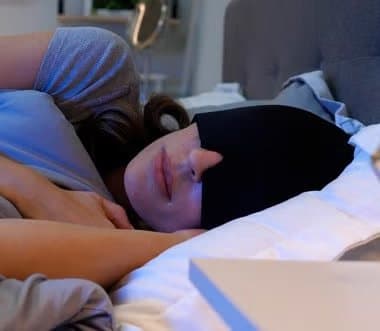
Using the cap in bed
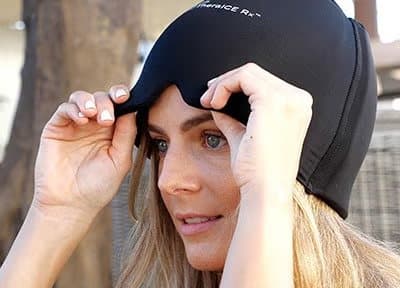
Putting the cap on with the eye section rolled up
TheraICE prices
| Bundle | Price | Per cap | Listed retail |
|---|---|---|---|
| 1 cap | $39.99 | $39.99 | n/a |
| 2 caps (most popular) | $74.99 | About $37.50 | $79.98 |
| 3 caps (best deal) | $99.98 | About $33.33 | $119.97 |
Is it good value?
At $39.99, the cap costs about the same as a few months of over-the-counter painkillers for someone with frequent headaches. Gel caps from other brands sell for a range of prices. The used-or-unused return policy reduces the risk of trying it.
Compared with migraine medicine
The cap is not a replacement for medicine, but for some milder attacks it may be enough on its own. For people trying to cut back on painkillers, it offers another option.
Why two caps can make sense
One cap in the freezer and one in use means you always have a cold one ready. For people with frequent attacks, the two-pack is practical. "Buy 2, save $5" actually saves $4.99.
Bundles and gifts
The three-pack works out at about $33.33 per cap. That suits a household with more than one headache sufferer, or someone who wants a cap at home and one at work. Buy one first if you are unsure it helps.
The return policy
The policy lasts 30 days from purchase. Within that time, used or unused, you can return the cap for a refund for any reason. Refunds are processed after the return is received and inspected. Exchanges are offered only for defective or damaged items.
Shipping
The FAQ says orders ship within 24 to 48 hours and arrive in three to five business days in the US on average. The page says it ships to more than 30 countries. Free shipping applies to qualifying offers only.
Contacting the company
The policy gives two email addresses, info@theraicerx.com for refunds and exchanges and info@theraice.com to start a return. Email both if you are not sure, and keep a copy.
What "inspected" means
Refunds are approved after the return is received and inspected. The policy does not list reasons for rejection. Send it back clean and complete, with any packaging you kept, to avoid problems.
Keep proof of purchase
The 30 days run from the purchase date. Keep the order email and note the date, so you know exactly when the window closes.
Return shipping
The policy does not say who pays to send the cap back. Ask when you start the return.
Warranty
The policy offers exchanges only for defective or damaged items and does not describe a warranty beyond the 30-day return window. If the gel leaks or the fabric tears early, contact the company with photos.
Older claims on the page
The page carries a footnote about a 2021 to 2022 charity pledge and wording typical of older ad pages. Parts of the page may not have been updated in some time, so confirm current details, such as shipping, at checkout.
The charity note
The page says TheraICE, LLC would donate $25,000 to Susan G. Komen in 2021 to 2022, regardless of sales. That pledge relates to past years and does not depend on your purchase.

TheraICE Headache Relief CapScore 5.4/10
Best for: People with migraines who find cold helps and want something easier than ice packs
$39.99 at TheraICE · Price checked October 4, 2026
Check price at TheraICE (opens TheraICE in a new tab)We may earn a commission if you buy through our links.
Is TheraICE better than CoolCura, an ice pack or a TENS device?
For head-wide cold with darkness, the cap is more convenient than ice packs and covers more than a neck device. An ice pack or frozen flannel is free. CoolCura cools the neck instead. A TENS device or nerve stimulator is a different approach, with its own evidence. Choose by what already helps you.
| TheraICE cap | Ice pack or flannel | CoolCura neckband | Nerve stimulator | |
|---|---|---|---|---|
| Price | $39.99 | Free to a few dollars | $34.99 | Higher |
| Area | Whole head and eyes | One spot | Back of neck | Varies |
| Hot and cold | Yes | Cold | Cold | n/a |
| Blocks light | Yes | No | No | No |
| Returns | 30 days, used or not | n/a | See review | Varies |
TheraICE vs CoolCura
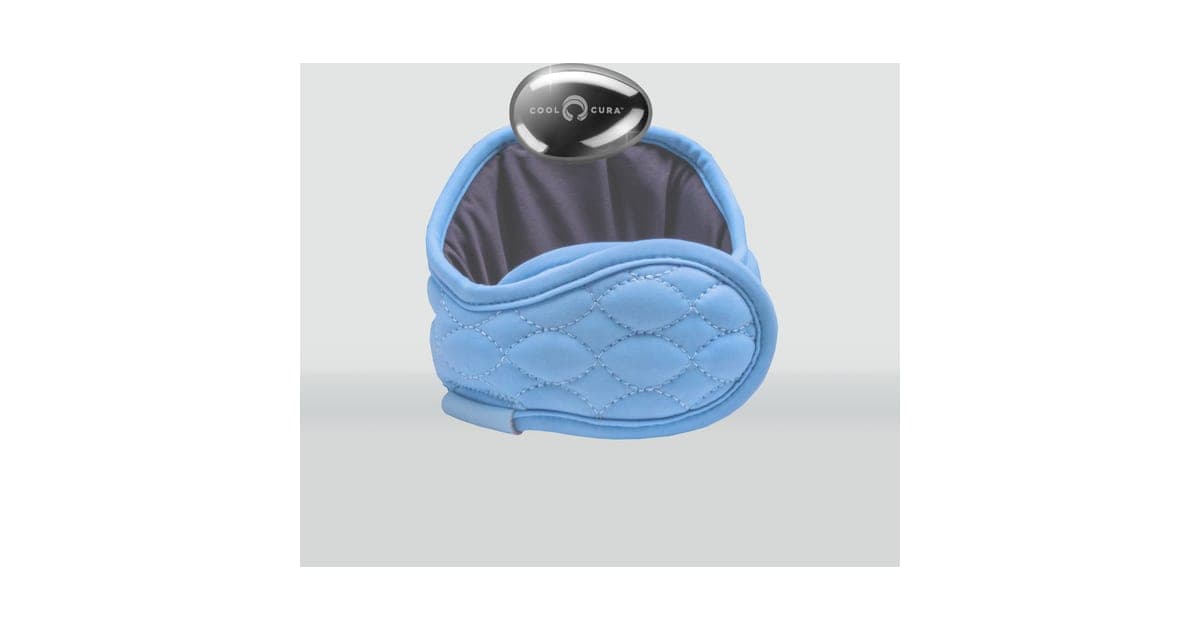
CoolCura holds a frozen steel pod against the back of the neck. It is less bulky and can be worn while moving around. TheraICE covers the head and eyes and suits lying down. Our CoolCura review scored it 5.8 out of 10.
Where TheraICE wins
It is the most comfortable way to cover the whole head and eyes with cold or warmth, and it stays in place while you lie down. For people who already use cold during migraines, that convenience is worth paying for.
Where it loses
A neck device can be worn while moving around. An ice pack is free. Prescription treatments and cleared devices have stronger evidence for preventing or stopping migraines.
Rival products we have reviewed
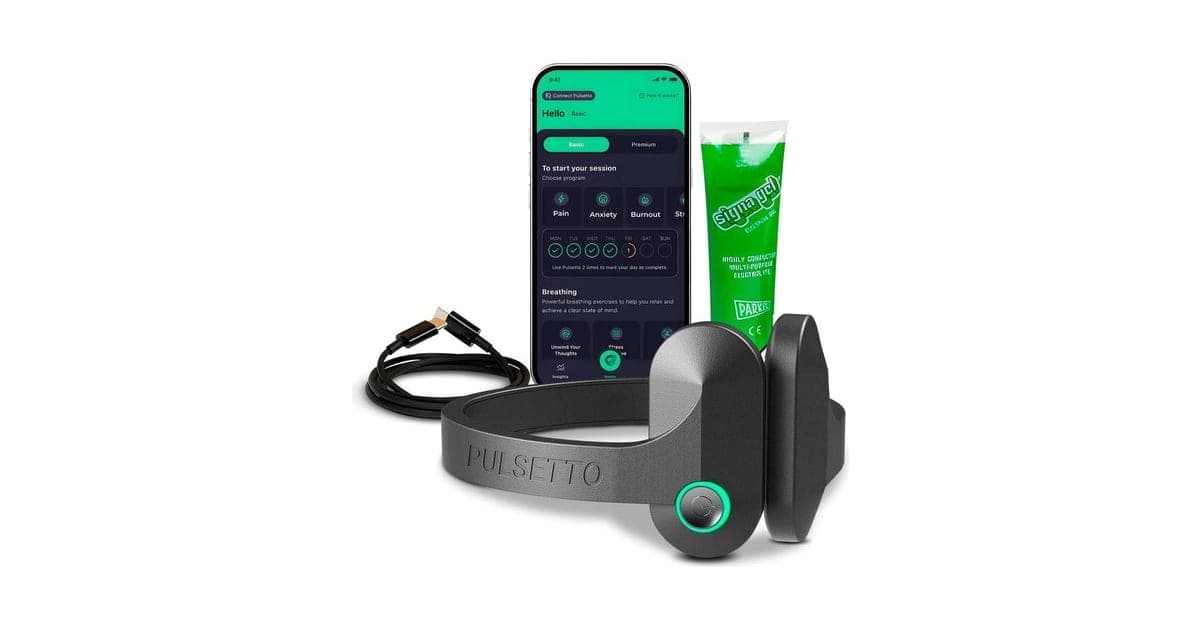
The CoolCura neckband and the Pulsetto stimulator take different approaches to headaches and stress. If you are comparing several drug-free options, read about each one, since what works varies a lot between people.
TheraICE vs an ice pack
An ice pack wrapped in a cloth costs almost nothing and works. It slips, covers one area and does not block light. The cap is a comfort upgrade, not a different treatment.
TheraICE vs a cold shower or bath
Cold water on the head and neck is another free way to cool down during a headache, and some people use it. It is less practical when you want to lie down in a dark room.
TheraICE vs a cold compress mask
Eye masks with gel inserts cover the eyes and forehead and are usually cheaper. They do not reach the temples or the back of the head. If your pain sits behind the eyes, a mask may be enough.
TheraICE vs electrical devices
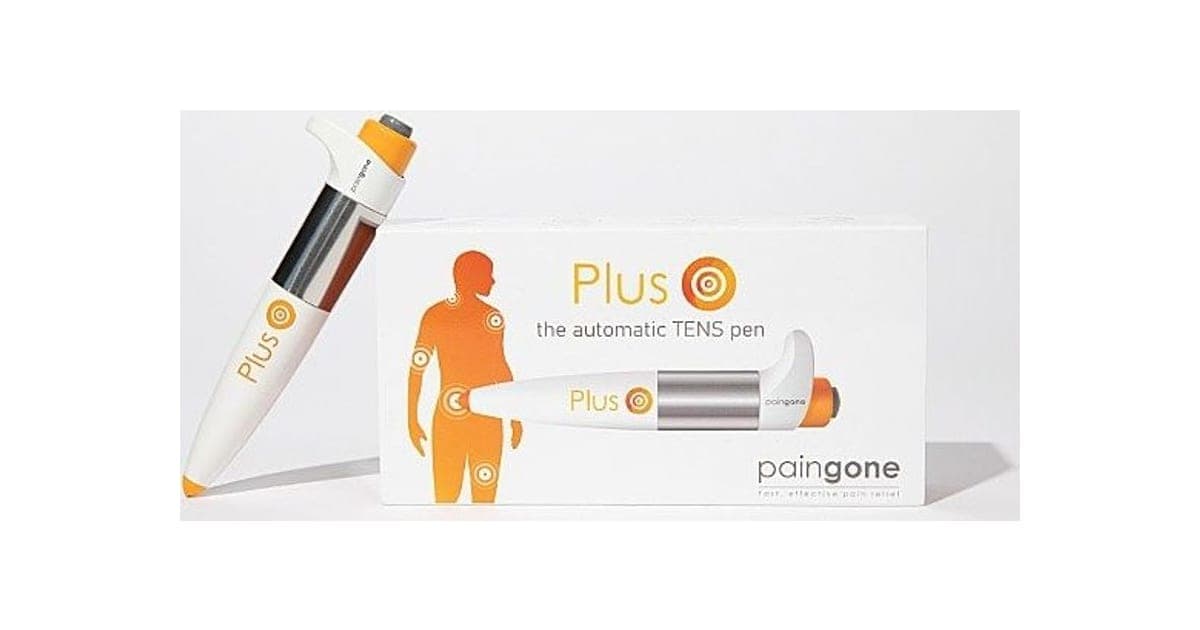
The Paingone Plus review covers a pen-style TENS device for pain, and the Pulsetto review covers a neck-worn nerve stimulator sold for stress. Some prescription devices are cleared for migraine, but those need a doctor.
Choose TheraICE if
You want cold or warmth around your whole head plus darkness, prefer a drug-free comfort measure, and like the reassurance of a used-or-unused return policy. Choose CoolCura if you want neck cooling while active. Choose an ice pack if price matters most.
TheraICE vs other gel caps
Gel headache caps are sold under many brands. Compare size, gel coverage and return terms. TheraICE's used-or-unused return policy is a point in its favour.
TheraICE Headache Relief CapScore 5.4/10
Why people buy it: Cold therapy has research support for short-term migraine pain relief
$39.99 at TheraICE · Price checked October 4, 2026
Check price at TheraICE (opens TheraICE in a new tab)We may earn a commission if you buy through our links.
Is TheraICE legit, and what should you check before buying?
Yes. TheraICE is a real, widely sold product, and its return policy is fairer than many health gadgets. Check that your headaches are diagnosed and not a warning sign, follow the heating and freezing instructions carefully, protect your skin from extreme cold, and buy two if you want one always ready.
Know the warning signs
What to do: get urgent medical help for a sudden, severe "worst ever" headache, a headache after a head injury, or a headache with fever, stiff neck, confusion, weakness or vision loss.
Headache diary
Write down when headaches start, how bad they are, what you tried and what helped. After a few weeks, patterns appear, and a diary helps a doctor if you need one.
See a doctor for frequent headaches
If you have headaches several times a week, a doctor can look at triggers, medication overuse and preventive treatment. A cap helps with attacks, not frequency.
Avoid headache traps
Frequent use of painkillers, skipped meals, poor sleep, dehydration and too much caffeine can all make headaches more frequent. A cap eases attacks, but those habits shape how often they come.
Medication overuse
Taking painkillers on more than about 10 to 15 days a month can itself cause more frequent headaches, according to headache specialists. A cap is one way to manage some attacks without adding to that count. A doctor can advise on safe limits.
Heat carefully
Overheating gel in a microwave can burn. Follow the instructions, heat in short bursts and test the temperature before putting it on.
Check the gel
Before each use, check the cap for leaks or tears. Gel from a damaged pack should not touch your eyes. Replace it if it leaks.
Protect your skin
Do not use it straight from a very cold freezer for long periods. Take it off if your skin hurts, goes numb or turns white.
Who sells it
The page describes the company as USA-owned and the footnote names TheraICE, LLC. The cap carries the TheraICE Rx name in the photos. Support is by email.
How to buy TheraICE the smart way
- Decide whether cold or heat helps your headaches, then open the TheraICE order page (opens TheraICE in a new tab).
- Consider the two-pack if you want a cold cap always ready.
- Check the shipping cost at checkout.
- Try it within 30 days, since returns are allowed used or unused.
- Keep your order email for the return window.
How did we score the TheraICE Headache Relief Hat?
The TheraICE cap scores 5.4 out of 10: claim accuracy 0.8, build durability 1.1, price competitiveness 1.2, usability 1.5 and owner satisfaction 0.8, each out of 2. It earns usability points for a simple, comfortable design that matches research on cold therapy. Points come off for "works for everyone", unnamed doctor recommendations and unsourced ratings, a one-size design, and no independent owner reviews to check.
How the score breaks down
We use the five criteria on our how we test page, each out of 2.
| Criterion | Score | Why |
|---|---|---|
| Claim accuracy | 0.8 / 2 | Short-term relief supported; "works for everyone" and "first" overreach |
| Build durability | 1.1 / 2 | Fabric and gel; no warranty stated |
| Price competitiveness | 1.2 / 2 | Fair for the category; used returns allowed |
| Usability | 1.5 / 2 | Freeze or heat and pull on |
| Owner satisfaction | 0.8 / 2 | Positive quotes; no independent ratings |
| Total | 5.4 / 10 |
What would raise the score
A stated cold duration, sizes for different heads, sourced ratings, and removal of "works for everyone" and "first" claims would all raise the score. A published study of the cap itself would help most.
What we did, and did not, do
Nobody on our team has used the TheraICE cap. We read the offer page and return policy on 4 and 5 October 2026, and checked PubMed and Trustpilot on 5 October 2026. Our health gadgets hub lists other devices we have reviewed, including the TheraFoot Pro review.
How to use the TheraICE cap for the best results
Keep it in the freezer so it is ready, put it on at the first sign of a headache, pull the eye section down, and rest in a quiet, dark place for about 20 to 30 minutes. For tension headaches, try warmth instead. Check your skin, put it back in the freezer afterwards, and keep a headache diary to see whether it helps.
- Store it in the freezer. Ready when a headache starts.
- Use it early. Relief may be better at the start of an attack.
- Pull down the eye section. Block light.
- Rest. Lie down somewhere quiet.
- Limit sessions. Studies used about 25 to 30 minutes.
- Check your skin. Stop if it hurts or goes numb.
- Keep a diary. Note what helps.
Lying down
Lie back with a pillow under your neck so the back of the cap stays in contact without pressing too hard. Customers on the page describe falling asleep in it; if you do, check your skin when you wake.
Using heat
Warm it briefly in the microwave, following the instructions, and test it on your wrist first. Heat suits tension headaches and stiff necks better than migraines for many people.
At work
Keep a cap in the office freezer if you get afternoon headaches. Taking a 20-minute break in a quiet room with the cap on may help you get through the day.
When it is not enough
If the cap and your usual treatment do not help, or headaches are getting worse, see a doctor. New treatments for migraine prevention are available.
Cleaning
Wipe the cap clean and check the care label before washing. Do not put gel caps in a tumble dryer unless the label allows it.
Sharing a cap
If several people use the same cap, wipe it between users, especially the eye section. Anyone with an eye infection should use their own.
Freezing tips
Store it flat in a clean freezer bag so it keeps its shape and does not pick up food smells. Let it soften for a minute if it is too stiff to stretch on.
Other questions about headache caps
Can I wear it on my neck? The page says it can be placed on the neck, shoulders and eyes.
Is it good for sinus headaches? Warmth or cold around the face may feel soothing; sinus infections need medical advice if they persist.
Can children use it? The page does not say. Ask a doctor.
TheraICE Headache Relief CapScore 5.4/10
Before you buy: Check the final price, shipping and return terms at checkout.
$39.99 at TheraICE · Price checked October 4, 2026
Check price at TheraICE (opens TheraICE in a new tab)We may earn a commission if you buy through our links.
Frequently asked questions
Does the TheraICE hat really work?
It can ease headache pain for a while. A 2022 meta-analysis found cold interventions reduced migraine pain 30 minutes after use, and a pilot study using a gel cap found similar short-term relief. Long-term effects were not shown, and results vary between people.
How much does TheraICE cost?
On 4 October 2026, one cap cost $39.99, two cost $74.99 and three cost $99.98. The page says free shipping applies to qualifying offers only, so check the total at checkout.
How long does TheraICE stay cold?
The page says it stays cold 10 times longer, without saying longer than what or giving minutes. Gel packs usually stay cold for a limited time, often enough for a short rest. A second cap in the freezer lets you swap.
Can you sleep in the TheraICE cap?
Customer quotes describe falling asleep in it. Cold therapy studies used sessions of around 25 to 30 minutes. Check your skin afterwards, and do not use it frozen for long periods directly on skin if it feels painfully cold.
What is TheraICE's return policy?
The policy accepts returns used or unused within 30 days of purchase for any reason, by emailing the company. Exchanges are only for defective or damaged items. It does not say who pays return shipping, so ask before sending it back.
Is TheraICE FDA approved?
No. The page itself says its efficacy and safety claims have not been evaluated by the FDA and that it is not intended to diagnose, treat, cure or prevent any disease.
Is TheraICE good for migraines?
Cold is one of the most common self-care measures for migraine, and research supports short-term pain relief. It does not prevent attacks or replace migraine medication. People with frequent migraines should see a doctor about prevention.
We may earn a commission if you buy through our links.
This content is for informational purposes and is not medical advice. Talk to a qualified professional before using any product that affects your health.
Prices accurate as of October 4, 2026. Check the seller's checkout for current pricing, promotions and terms.
What we checked: No hands-on use. Claims, photos, prices and the return policy from the TheraICE offer page our link opens on 2026-10-04, with the return policy captured from the page's Returns window on 2026-10-05. PubMed studies on cold therapy for migraine and Trustpilot were checked on 2026-10-05; no Trustpilot page was found.

About the author
James Wilson, Consumer Tech Writer
James Wilson covers health and wellness technology for Top10Gadgets: breathing devices, massagers, hearing aids, dental and weight-loss products, and the other gadgets sold with a promise to make life easier. James write…
- Health and wellness gadgets
- Over-the-counter hearing aids
- Breathing and massage devices
- FDA clearance and registration
- Tech for beginners
Writing for Top10Gadgets since 2026Full profile